
The "Ulybka" pumpkin was bred nearly 20 years ago by Russian breeders, resulting in a versatile hybrid that can be grown in any climate. It's an easy-to-grow, early-ripening variety with a long shelf life. It's packed with nutrients and is widely used in dietary nutrition.
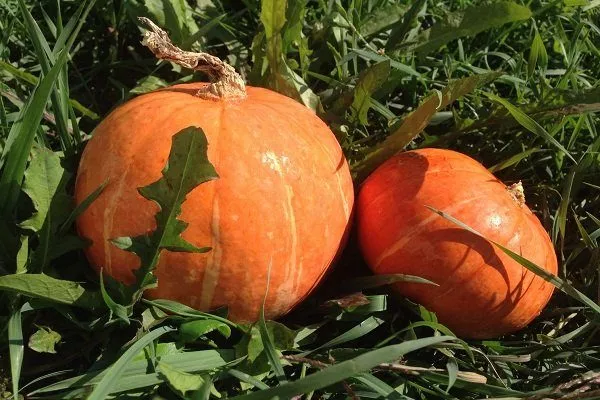
Pumpkin Smile
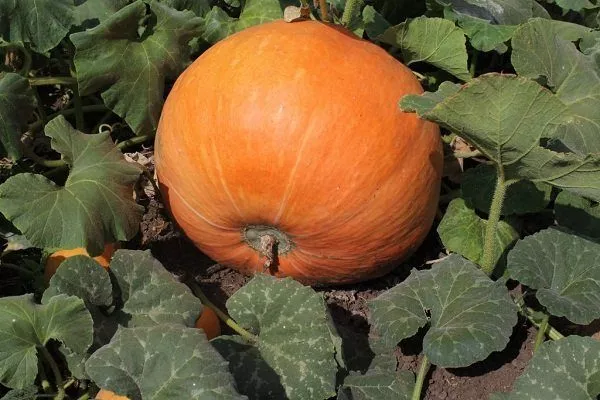
Pumpkin Smile tolerates frost well
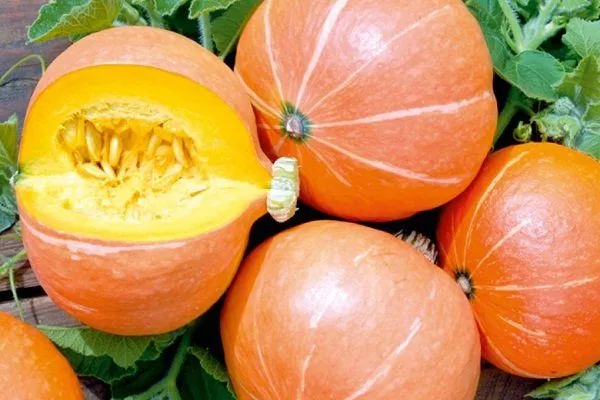
Pumpkin Smile has a melon flavor
Description of the Smile pumpkin
Ulybka is a small-fruited, early-ripening variety (harvesting occurs 80-85 days after planting). These characteristics are relevant for all regions of Russia, including the northern ones.
Its distinctive feature is its bushy form with vines that don't grow very long. This saves space in garden beds. The leaves are quite large, bright green, and have a distinctive pattern.
The flowers are orange in color and pleasantly scented. The seeds are oval-shaped and contained within the pumpkin in small quantities.
Advantages:
- ease of care and cultivation;
- easy adaptation to any temperature and weather conditions;
- applicable to all types of soil;
- early maturity;
- increased productivity;
- frost resistance;
- transportability;
- Excellent taste with a melon flavor;
- sweetness;
- compactness of bushes;
- nutrient richness;
- storage duration;
- stability and improvement of taste characteristics during storage.
Characteristics of fruits and bushes:
- the weight of the variety varies from 500 grams to 1 kg;
- the fruit is formed near the stem;
- one bush produces up to 10 pumpkins, but there are cases of up to 15;
- the shape of the fruit is spherical, slightly flattened;
- the crust is deep orange;
- the surface has light-colored stripes;
- pulp – medium juicy, sweet, orange, aromatic;
- shoots are shortened, but there are also some up to 6 meters;
- 4-6 lateral shoots are formed on one bush;
- the peel is thick and rough;
- ribbed type of peduncle.
Smile is a highly productive variety, producing up to 8 fruits per bush. 3-5 kg per square meter.
Thanks to the tough skin, this variety has excellent shelf life—the fruits can be stored even at room temperature until frost sets in. Furthermore, they easily withstand long-distance transportation.
Application areas:
- porridge;
- cream soups;
- stew;
- casseroles and other dishes.
Due to its medium juiciness, this variety is not intended for juice production, but is low in calories, making it suitable for dietary and therapeutic nutrition.
Features of cultivation
Smile is cold-hardy, so it's most often planted from seeds in open ground. However, in very harsh climates, it's recommended to grow seedlings first.
- ✓ The optimal soil temperature for planting seeds should not be below +10°C.
- ✓ The distance between holes should be at least 70 cm to ensure sufficient space for the bushes to grow.
The site should not be exposed to strong winds, so it's best to plant the bushes near buildings, fences, and other structures facing north. The pumpkin should be kept in full sunlight. Planting Smile after squash, cucumbers, or pattypan squash is strictly prohibited.
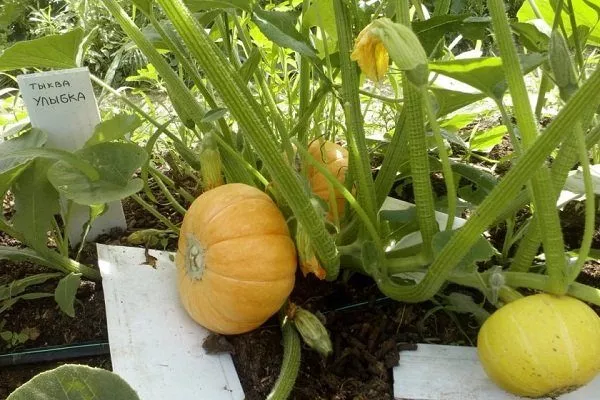
Soil preparation
The first thing to do is properly prepare the soil. To do this, dig the soil to the depth of a spade in the fall or spring. It's important to add organic fertilizer (all pumpkins love warm, organic soil). This could include manure, compost, or similar materials.
To stabilize (reduce) soil acidity, peat, dolomite flour or lime are added.
Seed preparation
It's important to sort the seeds immediately to remove any hollow parts. This can be done manually or by soaking the seeds in water for a few minutes (the bad ones will float to the surface).
Next, soak the seeds in water at a temperature of up to 50 degrees Celsius. Leave for 1-2 days, placing the material in a damp cloth. To prevent moisture from evaporating too quickly, cover the seeds with plastic wrap. If you need to speed up the sprouting process, use special growth stimulants.
Growing seedlings
The Smile plant has a delicate root system, so repotting it is not recommended. If this is necessary, the seeds for seedlings should be planted in separate plastic or peat cups.
Rules for growing seedlings:
- Pour loose soil (preferably purchased from a store) into the glasses and moisten the soil.
- Insert the seeds point down and cover with soil.
- Be sure to cover the containers with film until the first sprouts appear.
- Repotting occurs after approximately 19-22 days. During this period, the stem should strengthen and develop 3-4 leaves.
- The seedlings are planted into open ground to a depth of 5-7 cm.
- The temperature outside should not be below 10-12 degrees.
- The holes are dug at a distance of 70x70 cm from each other.
- It is advisable to plant 2 seeds in one hole.
- After transplanting, water.
Planting seeds in the ground
Before planting, the seeds are prepared directly into the beds using the standard method. The seeds are planted in a similar manner – 70 x 70 cm. Other features:
- The seeds are planted at a depth of 7 cm. In northern latitudes, one seed should be planted slightly deeper, as there is a risk of frost.
- If the temperature drops significantly, the holes are covered with cut plastic bottles.
Caring for the Smile Pumpkin
If you don't care for your pumpkin crop, you won't be able to achieve such a high yield. Be sure to follow basic farming practices:
- Irrigation. Watering the pumpkin Watering is necessary throughout the entire period, especially during fruit formation. Otherwise, they will dry out. It is recommended to stop watering 2-3 weeks before harvest. Each bush should receive 2 to 5 liters of liquid. The key is to increase the water dosage gradually: 2 liters are sufficient for germination, 3 liters during flowering, 4 liters after fruit set, and 5 liters during fruit development.
- Bush formation. Smile produces fairly compact and neat seedlings, so this variety doesn't require much shaping. However, experienced gardeners recommend pinching. The main shoot is pinched when one fruit forms. There shouldn't be more than six side shoots, so the rest are removed.
- Thinning. This procedure is performed when two seedlings emerge from the ground simultaneously. Removing a weakened seedling along with its root system is not recommended, as this will damage the root of the seedling, which is left to grow. Therefore, use miniature scissors and carefully trim the excess stem at the very edge of the soil.
- Weeding. Weed removal is essential, as it promotes disease and the spread of pests and insects. Furthermore, grass draws nutrients from the soil, essential for pumpkin plants. Weeding should be done as the weeds grow.
- Loosening. Any pumpkin prefers loose soil, so loosening the soil is essential. It's best to do this after watering.
- Mulching. To avoid overwatering, mulching is used. A special natural material (straw, hay, grass, tops, sawdust, etc.) is placed under each bush.
- Fruit care. Pumpkins are sun-loving plants, but their large leaves tend to grow above the fruit, reducing light penetration. To prevent this, thinning the leaves is recommended. The collected material can be used as mulch.
- Top dressing. Smile is one of the few varieties that doesn't require additional feeding. For normal growth, simply add organic fertilizer when digging the garden. Sometimes, wood ash can be added.
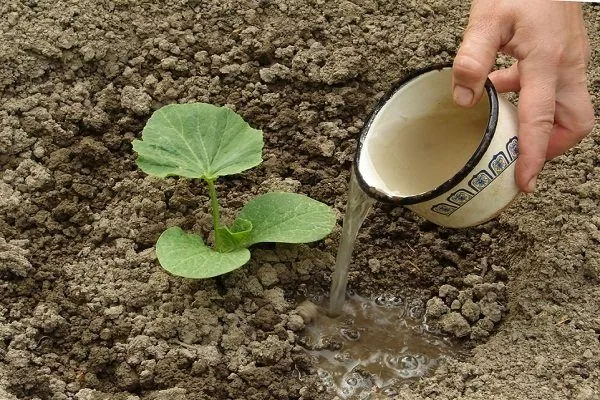
To get the maximum size fruits, you'll need to control the number of ovaries. A maximum of 2-3 pumpkins should be left on each plant. If you leave all the fruits, they will weigh 500-700 grams.
Potential difficulties
Sometimes problems arise that are difficult for a beginner to handle, and it's difficult to determine the cause of poor yields. To avoid such mistakes, you can follow these tips from gardeners:
- It's best to weed the beds every 10-12 days, while also loosening the soil. These procedures are performed after watering.
- After two pumpkins have formed, be sure to pinch the tip of the shoot to prevent new ovaries from appearing.
- Each fruit-bearing shoot should have no more than four leaves. This will ensure the fruit receives sufficient light.
- The vines should not become tangled, so they should be untangled periodically. To prevent this, the vines are laid flat on the soil surface and covered with soil. This procedure also allows the plant to develop new roots, which feed the stems and other plant parts with nutrients and moisture from the soil layers.
- It's best to use rainwater for watering. Tap water isn't suitable, as it contains various substances (chlorine, etc.) that can negatively impact the plant. If there's no rain, collect tap water in a large container and let it settle (this will allow harmful substances to settle and evaporate).
- The temperature of the irrigation liquid should vary from 22 to 25 degrees.
- To enrich the plants with minerals and microelements, apply additional fertilizer. Chicken manure contains significant amounts of iron, potassium, magnesium, and phosphorus. Half a liter of manure per bucket of water is sufficient. Let the solution sit for 9-10 days. It's important to add organic matter between the rows. Do not pour chicken manure into the planting holes, as it will burn the plant, leading to its death.
- It is strictly forbidden to fertilize Smile with a mixture of liquid manure, urea and ammonium nitrate.
- Fertilizing can be repeated only after 2 weeks.
Resistance to diseases and pests
The pumpkin crop Smile is quite resistant to diseases and pests, but is completely unstable to putrefactive diseases.
| Disease | Sustainability level |
|---|---|
| Powdery mildew | High |
| Gray rot | Short |
List of non-dangerous diseases and pests:
- powdery mildew;
- mosaic;
- bacteriosis;
- downy mildew;
- anthracnose;
- wireworm;
- caterpillars;
- spider mite;
- melon aphid.
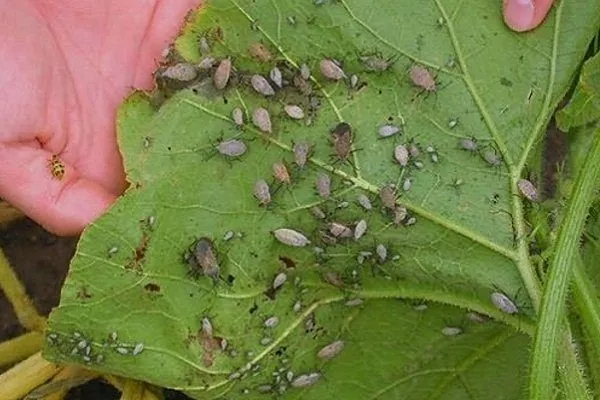
Dangerous putrefactive diseases:
- Gray rot. Characterized by a fungal infection, it initially appears on the ovaries and then spreads throughout the plant. Symptoms include mold formation, a grayish-watery coating, and the presence of black sclerotia and conidiophores. Treatment involves a special paste made from copper sulfate and chalk.
- White rot. The affected area is the rind of the fruit, which becomes covered with a white coating that eventually develops into a putrefactive structure. As the disease progresses, the rot spreads to the interior of the pumpkin, making the vegetable unfit for consumption. White rot can be eliminated with a copper sulfate solution.
- Black rot. The disease affects all parts of the plant except the roots. Symptoms include gray-white spots and a black coating. Treat with specialized pharmaceutical products.
- Root rot. Roots and stems rot. The disease can be recognized by a brown coating. Treatment involves reducing humidity.
As prevention The following measures are used against rot:
- if humidity is high, add dry soil to the root part;
- do not over-water the soil when watering;
- remove weeds in a timely manner;
- disinfect the soil and working tools;
- Do not plant pumpkins too close to each other.
Harvesting and storage
Harvest occurs in September, depending on planting time (soil warmth). The fruits should be harvested when the following signs appear:
- dryness of the stalk and stem;
- peel hardness;
- richness of color of pulp and rind.
Pumpkins should be picked with the stems and stored under the following conditions:
- temperature range ‒ from +5 degrees to +15;
- the humidity level is 75-80%;
- before laying on storage each fruit is inspected for damage;
- The room must be well ventilated or ventilated.
Reviews from gardeners
For a video review of the Smile pumpkin variety, watch the following video:
The Smile pumpkin delights not only with its sunny appearance but also with its nutritional value and excellent taste. Its fruits are used for many ailments, obesity, and simply for improving your health. Growing the Smile pumpkin in your garden is a joyful experience, as it requires little effort or expense.