
The Candied Pumpkin is one of the most popular varieties, attracting not only excellent productivity but also exceptional flavor. It combines many positive qualities, from ease of care to excellent fruit storage. It's important to understand the plant's key characteristics and provide it with proper care.
Breeding history
The nutmeg variety was obtained by domestic breeders G. F. Monakhos, N. N. Vorobyova and E. N. Yakovleva at the breeding station named after N. N. Timofeev. Officially approved for use in 2010.
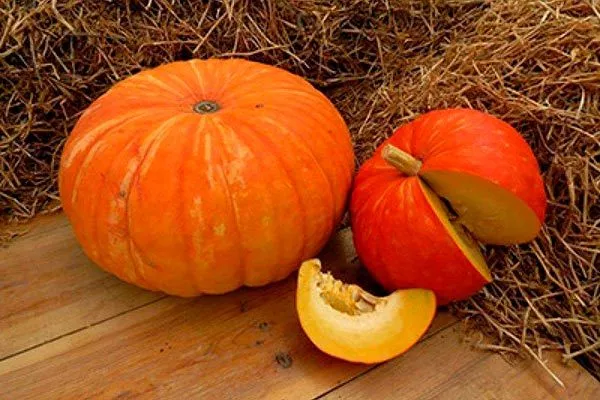
Features of the variety
This variety is resistant to most diseases and tolerates adverse weather conditions, making it popular among both novice and experienced gardeners. The Candied Pumpkin is renowned for its excellent shelf life, allowing it to be used throughout the winter.
- ✓ Candied pumpkin has high resistance to most diseases, which makes it ideal for beginning gardeners.
- ✓ The fruits of this variety have excellent shelf life, allowing them to be used throughout the winter.
Characteristics of the appearance of the plant and fruits
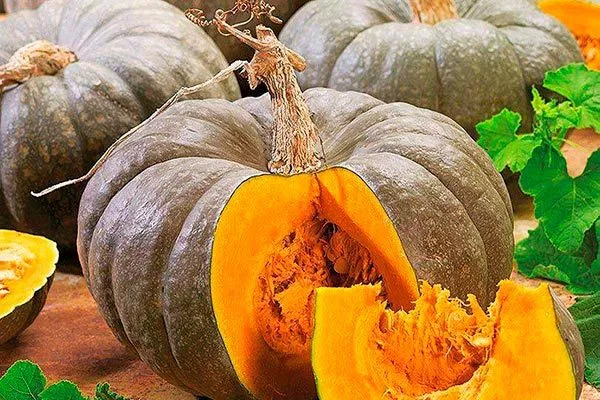
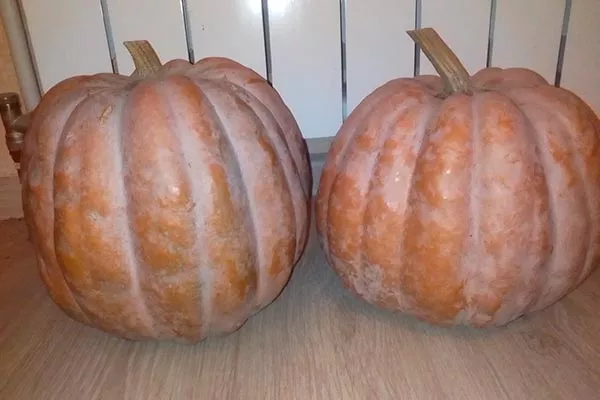
Long vines are covered with slightly dissected, green-hued leaves. A single bush produces 3-5 fruits. They have a flattened, rounded shape and a segmented structure. The bark is thick, brown, with a waxy coating. The flesh is orange, 4 to 6 cm thick. The seeds are small and brown.
Application and taste
Thanks to its excellent commercial qualities and high transportability, this pumpkin variety is suitable for all purposes. The flesh is thick, starchy, and firm, with a medium density. The consistency and flavor are pleasant.
Candied fruit is widely used in cooking and preserving due to its good taste:
- side dishes and casseroles;
- soups and cream soups;
- cookies and pies;
- canning and preparations for the winter;
- desserts;
- confectionery;
- animal feed.
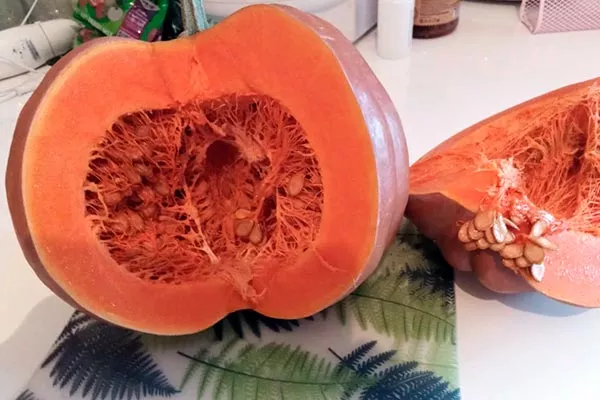
Pumpkin is a tasty and healthy product that is used in many culinary experiments and dietary nutrition.
It's a mid-season variety. Harvesting begins in early September.
The Tsukatnaya pumpkin is a high-yielding variety. Gardeners harvest between 352 and 560 centners per hectare.
Rules for growing candied pumpkin
The cultivation process isn't particularly difficult, but it does require following some important guidelines. Even beginners who are new to gardening can handle it.
Growing seedlings
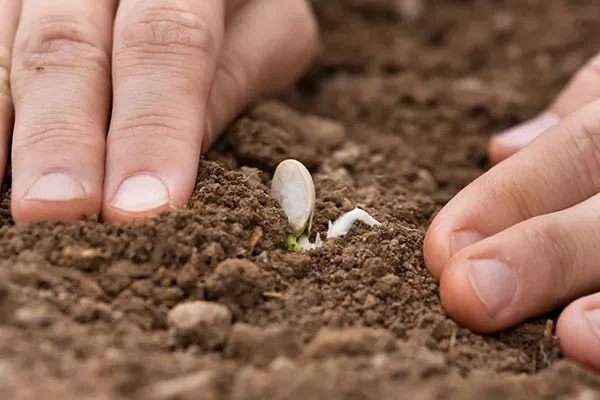
Sow seeds in special containers or peat pots 3-4 weeks before transplanting outdoors. Pre-treat the seedlings with growth stimulants to improve germination. Place the seeds 2-3 cm deep, and maintain a temperature of around 25°C until germination.
Once the seedlings emerge, reduce the temperature to 20°C and provide the plants with sufficient light. When the seedlings reach a height of 15-20 cm and the threat of frost has passed, transplant them outdoors, following the recommended planting pattern of 2.5-3 m between plants.
Lighting
Once the seedlings appear, move the seedlings to the brightest place, such as a windowsill or under a grow light, to provide them with enough light for growth.
Soil for sowing
Improve a ready-made store-bought soil mix based on neutralized peat (pH 5.5-6.5) by adding leaf mold and mature compost. The recommended ratio is 1 part peat, 2 parts leaf mold, and 1 part compost.
Sowing seeds
Prepare pumpkin seedlings 20 days before planting. If the seeds haven't been treated with Thiram (a protective contact fungicide), soak them in a solution of brilliant green (5 ml per 100 ml of water) for 30 minutes before sowing.
- ✓ The optimal soil temperature for sowing Candied pumpkin seeds should not be below +15°C.
- ✓ To prevent fungal diseases, pre-sowing treatment of seeds with a solution of brilliant green in a proportion of 5 ml per 100 ml of water is recommended.
Hardening
Begin this process immediately after seedlings emerge, when the outside temperature does not drop below 18°C. Begin the hardening process with 1 hour of fresh air, increasing the duration by 60 minutes each day.
Agricultural technology
Regular crop care is essential for achieving a high yield. Simple maintenance steps promote healthy plant growth and improve fruit quality.
Choosing a location in the garden and preparing the soil
Pumpkins prefer sunny locations, so choose a bed with good sunlight, receiving at least 6-8 hours of light per day. This will help the plants thrive and ensure a bountiful harvest.
Pumpkin soil should be fertile, light, well-drained, and neutral to slightly acidic (pH 6-7). Before planting, dig the soil to a depth of 25-30 cm and add organic fertilizer to improve its structure and nutritional value.
Good and bad predecessors
Proper crop rotation is essential for pumpkins to ensure good growth and yield. The best precursor crops for this crop are:
- Legumes(peas, beans, soybeans) – enrich the soil with nitrogen, which promotes better development of pumpkins.
- Cabbage(broccoli, cauliflower, Chinese cabbage) – help prevent the accumulation of harmful substances in the soil.
- Potato - After this, the soil is well saturated with organic matter, so the pumpkin develops without problems.
Avoid growing this crop in areas previously planted with members of the Cucurbitaceae family (squash, melons, cucumbers). Tomatoes, onions, and garlic are poor neighbors.
Transplanting seedlings
Once the weather is consistently warm, the soil temperature reaches 15-18°C, and the risk of frost has passed, transplant. The best time to transplant is early morning or evening to avoid direct sunlight, which can damage the plants.
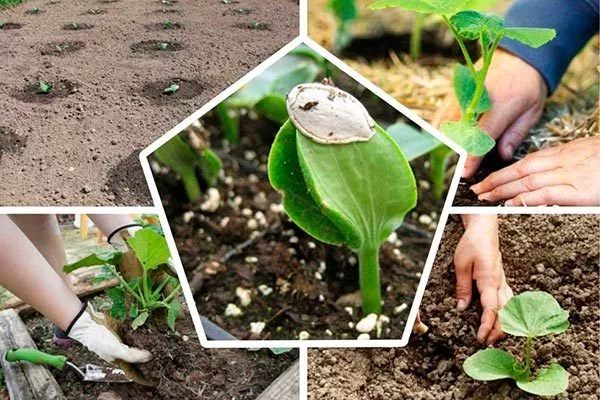
Prepare loose, fertile soil in advance. Dig holes 15-20 cm deep, placing one seedling in each hole. Carefully remove the plants from their cups and transfer them to the holes, keeping the roots intact. Water the plantings generously, and cover the seedlings with plastic wrap on cold nights.
Plant formation and care
The Candied Pumpkin is a bush with long vines. To achieve maximum yield, follow several key care steps:
- Pinching out stepsonsRemove side shoots (stepchildren) to concentrate the plant's energy on the main stem. This helps improve ventilation, reduce crowding, and promote better fruit formation.
- Garter and supportTo prevent bushes from covering the soil and risking damage, use trellises or other supporting structures. This will allow air to circulate.
- ThinningOnce the seedlings have taken root, leave 2-3 strong seedlings per square meter. This will reduce competition for nutrients and space.
- MulchingTo retain soil moisture and prevent weed growth, mulch the soil around plants with straw, grass, or other organic materials.
Inspect your plants regularly to spot signs of disease or insect damage. If necessary, apply organic pesticides, such as garlic or tobacco infusions.
Watering
Provide regular watering, especially during periods of active growth and development. Helpful tips:
- In dry weather, during the fruit growth phase, watering should be more frequent—approximately every 3-4 days. Ensure the soil does not dry out, but is also not too wet, as this can lead to root diseases.
- Water the bushes at the roots to avoid water getting on the leaves and vegetables. This will help prevent the development of fungal diseases such as powdery mildew. Make furrows or holes for ease of use.
- Use warm water for watering. Cold water can cause stress and slow growth.
During the period of active growth and fruit formation, the crop requires more water. However, during the ripening stage, reduce the amount to avoid excess moisture, which can impair the taste.
Fertilizers and dressings
To ensure a good harvest, choose the right timing and type of fertilizer. Fertilizing recommendations:
- 2-3 weeks after planting the seedlings Add organic matter - mullein or bird droppings infusion, ammonium nitrate for nitrogen fertilization, which promotes active growth of green mass.
- In the flowering phase Use complex mineral fertilizers containing phosphorus and potassium, such as superphosphate and potassium fertilizers. This will help plants produce better fruit.
- At the stage of vegetable formation Use potassium and phosphorus components - wood ash, rich in potassium and phosphorus.
- During the ripening period Apply potassium fertilizers, such as potassium sulfate, to ensure pumpkins are firm and sweet.
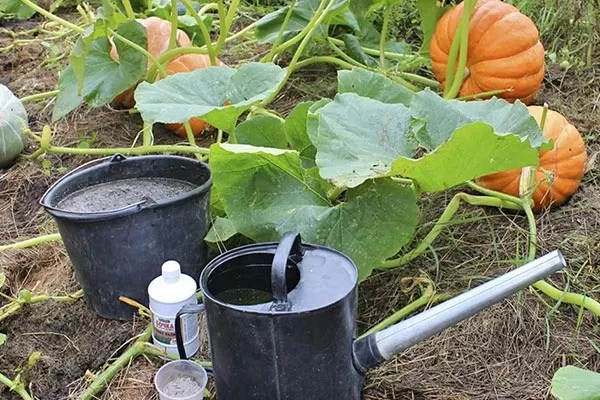
Timely and balanced fertilizing will ensure high yields and quality harvests.
Pros and cons
Before planting a crop in your garden, carefully consider its advantages and disadvantages to avoid potential difficulties. The Tsukatnaya variety has many advantages:
Among the disadvantages, gardeners note the need for sunlight, sensitivity to cold nights, and the need for protection at the seedling stage.
Reviews
The Candied Pumpkin is a versatile and productive variety that can delight gardeners with excellent harvests with minimal effort. Proper care, timely fertilizing, and attention to growth habits will help you grow healthy plants that will delight you with high-quality vegetables.