
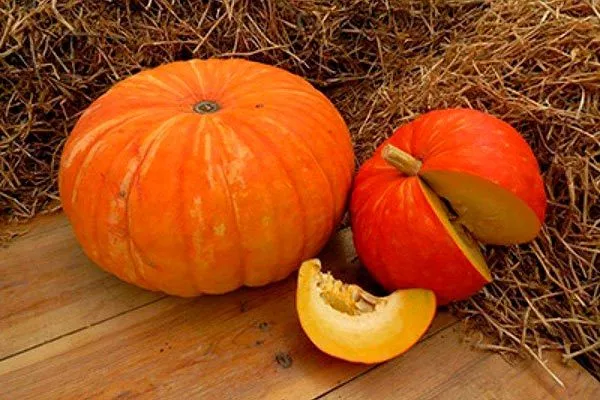
The Candied Pumpkin is a versatile, large-fruited table variety. Growing this high-yielding, climbing variety is easy, requiring only basic care and timely preventative measures.
Who and when developed the Candied Pumpkin?
The originator of the Tsukat variety is the K.A. Timiryazev Russian State Agrarian University – Moscow Agricultural Academy. The variety was included in the State Register in 2010 and is recommended for cultivation in all regions.
Description of the plant
The plant is a long-vine type with 4 to 6 stems. Its vines grow up to 5-6 meters in length. Numerous inflorescences form on a single vine, but it is recommended to leave no more than 3-4 fruits on each plant. The leaves are slightly dissected, green, and densely covered with white speckles.
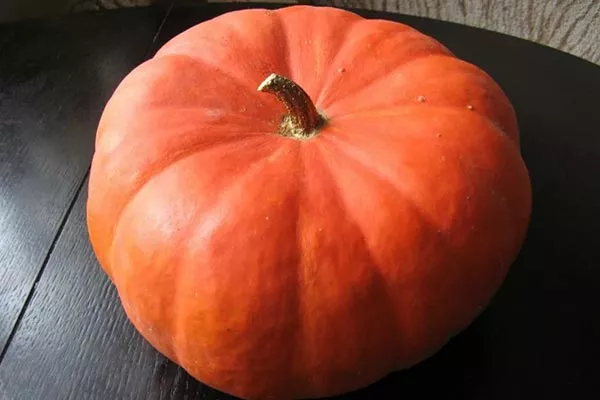
Description of fruits:
- The shape is round, flattened.
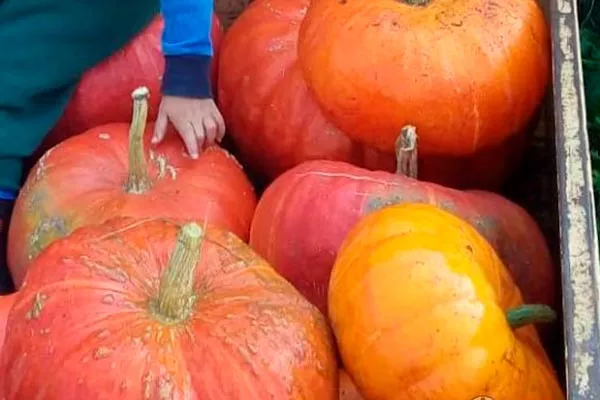
- The crust color ranges from pinkish to red.
- The pulp is yellow-orange in color.
- The surface is segmented and ribbed.
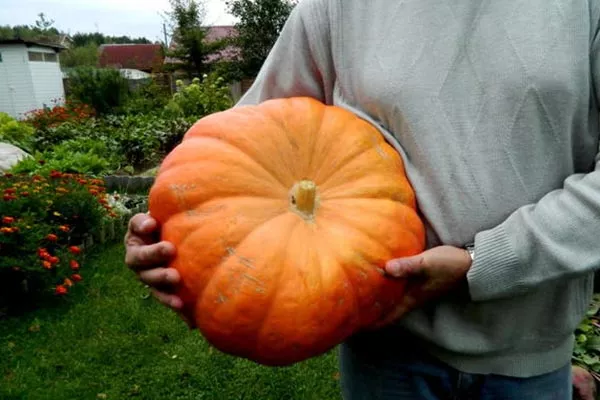
- Average weight is 5 kg.
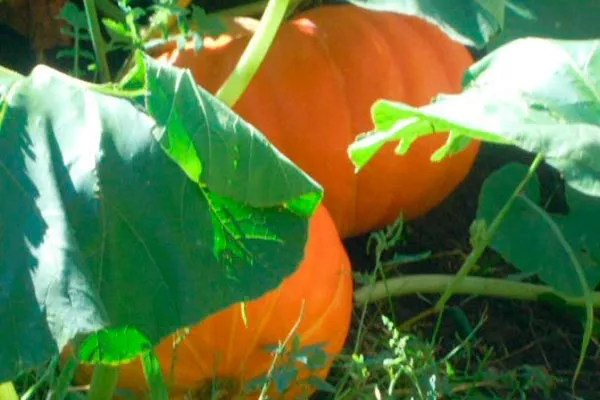
Taste and purpose of fruits
The Tsukat pumpkin has juicy, aromatic flesh with a slightly sweet taste. The fruit is high in carotene and sugars.
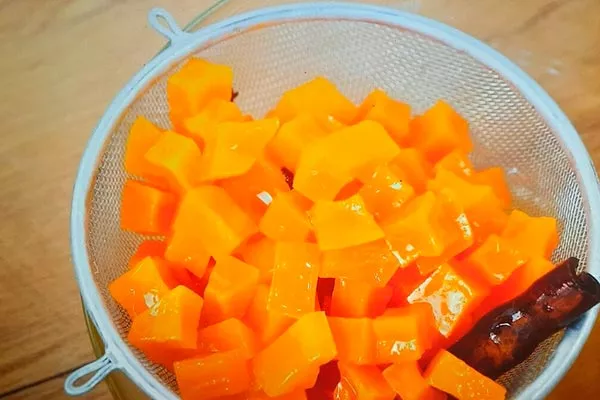
This variety is suitable for fresh consumption and home cooking. The pulp is used in soups and porridges, baked goods, jams, and juices.
Characteristics of Candied Pumpkin
The Tsukat variety is distinguished by its excellent agronomic characteristics, thanks to which it can be grown in all regions of the country.
Ripening time
The Tsukat pumpkin is an early-ripening variety. It takes 95 to 100 days from germination. The harvest is from August to September, with the exact timing depending on regional climate conditions.
Productivity
The Tsukat variety is a high-yielding variety. The yield of this pumpkin ranges from 350 to 560 centners per hectare, depending largely on soil quality, weather conditions, and care.
Frost and drought resistance
It adapts perfectly to a wide range of climates. It tolerates cold spells, droughts, and other adverse weather conditions well.
Immunity to diseases
Tsukat possesses strong immunity to most common melon diseases. In particular, the variety is resistant to bacterial blight and other rot infections.
Pros and cons of candied pumpkin
The seemingly flawless Tsukat pumpkin has several drawbacks that may not appeal to gardeners and pumpkin lovers. Therefore, before planting this variety in your garden, familiarize yourself with all its pros and cons.
How to plant a pumpkin?
To grow a large and tasty pumpkin, it's important to create favorable conditions for its growth and development from the very beginning. It's essential to choose the right plot and plant the crop according to proper agricultural practices.
Selecting a site
Choose a well-lit area with fertile, loose soil for planting. When growing pumpkins in the south of the country, where droughts are common, it is recommended to plant in partial shade.
- ✓ The groundwater level should not exceed 1.5 m from the surface.
- ✓ The optimal depth of the fertile layer is at least 30 cm.
Pumpkin soils should be rich in organic matter. They thrive best in chernozem, loose dark sandy loam, and light loam. Ideally, the soil should be close to neutral—a pH of 6.0 to 7.5.
Seed preparation
If the seeds are untreated, they should be treated with a pink solution of potassium permanganate. They are then soaked in clean water or a nutrient solution.
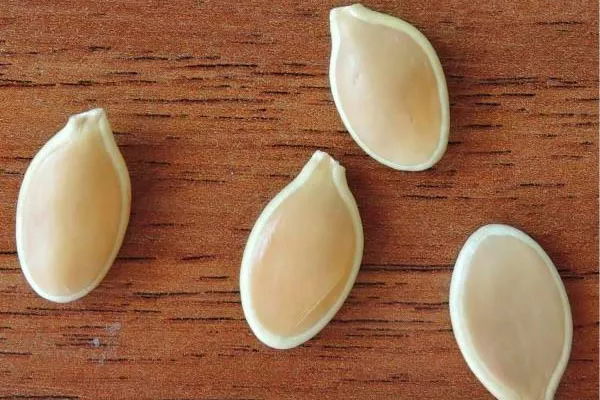
Fresh pumpkin seeds are not recommended for planting, as they rot quickly due to their soft skin. It's best to plant well-dried seeds stored in a dry place.
Soil preparation
In the fall, the area is cleared of plant debris and dug over, adding wood ash during the digging process, which is a good preventative against fungal diseases. Nitrophoska is used against insects, applying 20 grams per square meter.
- In autumn: add rotted chicken manure at a rate of 5 kg per 1 sq.m.
- Early spring: scatter urea (20 g/sq.m), superphosphate (30 g/sq.m), potassium salt (15 g/sq.m).
- After the formation of ovaries: feed with potassium monophosphate (10 g/sq.m).
If the soil is poor and hasn't been fertilized for a long time, rotted chicken manure is added in the fall. In early spring, urea, superphosphate, and potassium salt are scattered over the area and then raked in.
Sowing in open ground
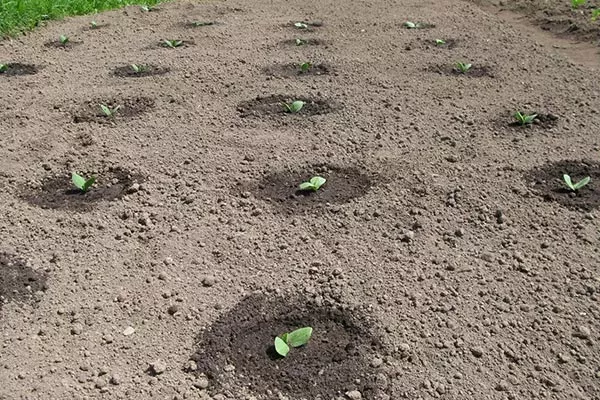
Pumpkins are planted directly into the ground in the south of the country, while seedlings are used in more northern regions. They are sown in the ground from mid-May to mid-June, and much earlier in the south—in April.
Landing features:
- Planting is carried out when the soil warms up to +15°C, the air to +20°C, and the threat of recurrent frosts has passed.
- For planting, dig holes 10-15 cm deep. The optimal sowing pattern is 100x100 cm. Place 2-3 seeds per hole.
Features of growing seedlings
If using the seedling method, dig holes 5 cm larger than the seedlings' root ball. Harden off the seedlings for a week by taking them outside every day. Planting is done in the evening to avoid exposure to the scorching sun.
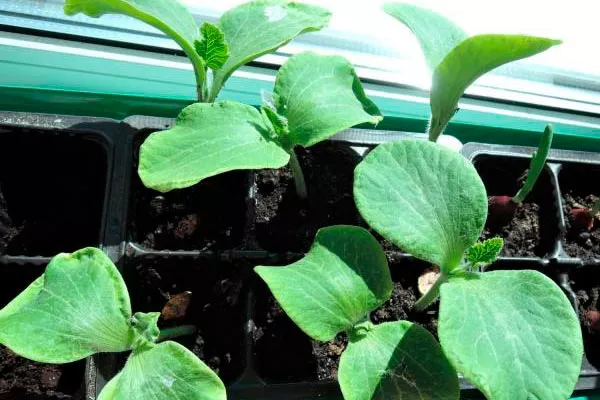
It is recommended to pour a mixture of compost and wood ash into the bottom of the holes, then pour water into them, and after planting, water the plants again.
Care instructions
The variety grows well at temperatures ranging from 20 to 30°C. In addition to favorable temperature conditions, the crop requires watering, fertilizing, and other standard care.
Features of watering
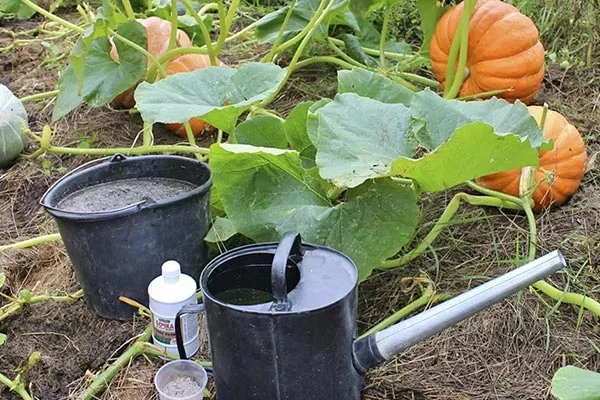
Water the candied pumpkin moderately but regularly. Watering is especially important during flowering and development. On average, pumpkins are watered once every 7-10 days.
The crop is stopped from being watered approximately a month before harvesting to prevent the fruits from becoming watery and rotting during storage.
Fertilization
Pumpkins can be fed with manure infusion, and herbal infusions can also be added to the beds every two weeks. A wood ash solution is recommended as a fertilizer.
Loosening and weeding
Pumpkin beds are regularly loosened to ensure free oxygen access to the roots. Weeds are also removed until the pumpkins grow and cover the entire plot with their leaves.
The soil can be mulched with sand, peat, hay, etc., this will help retain moisture in the soil and prevent weed growth.
Pest and disease control
The Candied Pumpkin has a strong immune system, but under unfavorable conditions, it can be susceptible to powdery mildew, bacterial blight, cercospora leaf spot, and other diseases that affect melons. Preventative spraying with Bordeaux mixture, boric acid, or an ash solution can help prevent these diseases.
When symptoms of a particular disease are detected, plants are treated with fungicides, such as Actellic, Fitosporin, etc. When growing seedlings, it is recommended to water them with Siyanie-1 or Immunocytophyte to boost immunity.
Harvesting and storage
Pumpkins are harvested in dry weather. If rain continues and harvesting must be done in damp weather, the pumpkins are dried under a ventilated shelter. To ensure proper storage, pumpkins are wiped with dry cloths, removing any soil, and dried in a well-lit area.
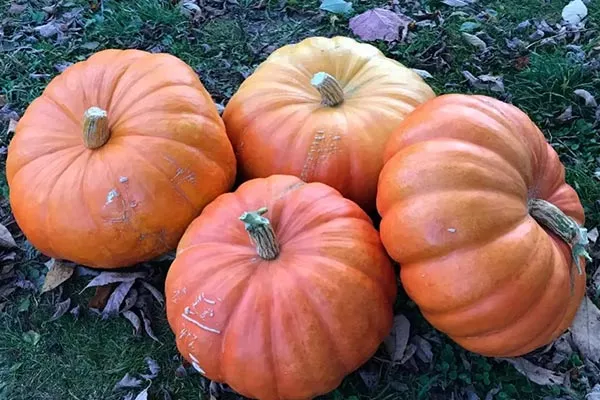
The optimal temperature for drying is +26 to +32°C, with 80% humidity. After two weeks, the fruits are transferred to a cool, dark or semi-dark room. Store the Candied Pumpkins so they don't touch each other. The fruits should be stored in a single layer, stems down. They should be regularly inspected for signs of rot.
Among the pests that pose the greatest threat to pumpkins are melon aphids, sprout flies, wireworms, and spider mites. Pest control involves crop rotation, timely weed removal, destruction and composting of post-harvest plant debris, deep tillage in the fall, and proper use of fertilizers and water.
Reviews
The Tsukat pumpkin is an excellent choice for lovers of pumpkin dishes and sweets. This promising variety with excellent flavor and growing characteristics will be a profitable addition to any garden.