
The "Frog Princess" pumpkin is characterized by excellent flavor, competitive productivity, and transport resistance. This variety is successfully cultivated throughout the country, producing a consistent, high-quality harvest of large fruits. It is ideal for both small-scale gardening and large-scale plantations.
Description of the variety and origin
A group of breeders led by A. N. Lukyanenko, S. V. Dubinin, and I. I. Dubinina created a unique pumpkin variety. In 2012, they initiated the registration process, and in 2015, it was officially approved for agricultural use.
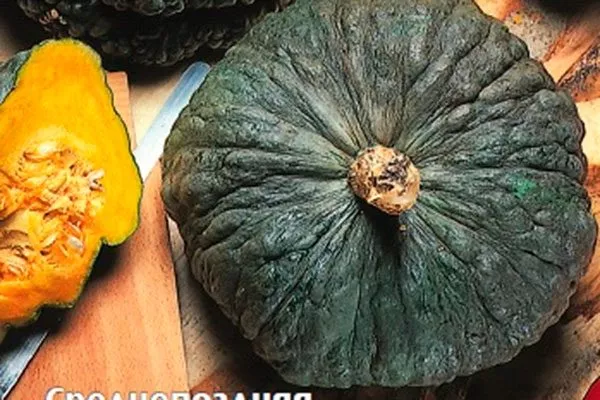
The SeDeK company, located in the Moscow region, developed a variety called "Frog Princess" that boasts the following characteristics:
- The shape of the fruits is unique – they resemble frogs, which makes them a pleasant exception in the vegetable aisle.
- The flesh is a vibrant red-orange color and rich in nutritional value, while its flavor is sweet and delicate, making this variety excellent for a variety of dishes, whether casseroles, soups, puddings, or desserts.
- Pumpkin can serve as a decorative element for the interior.
Reviews of the Frog Princess are mostly positive, citing its high productivity and appealing taste and appearance.
External characteristics of fruits and plants
The Frog Princess plant resembles a climbing herbaceous tree. The main stem is the longest, while the other stems vary greatly in size. The leaves are medium-sized, bright green, and irregularly dissected.
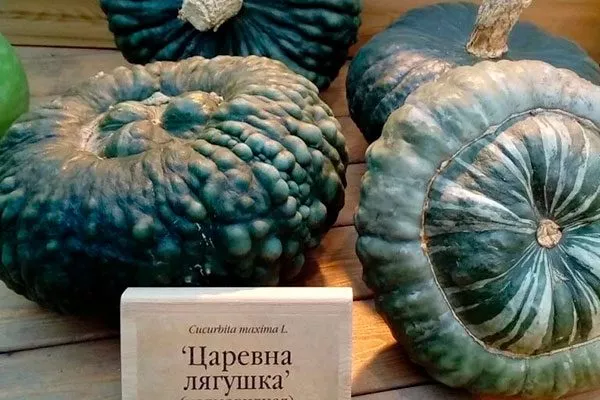
- ✓ Frequent bright spots and stripes on the fruits, which are absent in other varieties.
- ✓ Unique turban-shaped configuration of the fruit, reminiscent of a frog's head.
Other varietal characteristics:
- Pumpkins are dark gray-green or simply gray in color, with no pattern, but a segmented structure with a wrinkled surface. The fruit's colors can be accented with bright spots and stripes.
The skin is smooth, slightly shiny, without noticeable grooves or thorns. - They grow to large sizes, with a single fruit weighing between 4 and 5 kg, although larger specimens weighing up to 12-15 kg are also found. This makes this variety an excellent choice for commercial farming aimed at producing a substantial harvest.
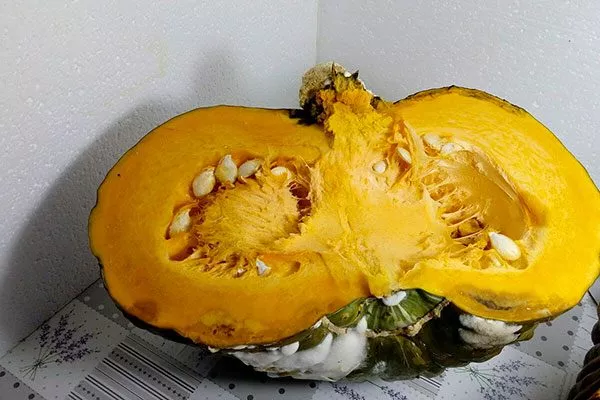
- The flesh is medium-thick, yellow in color, moderately firm, crisp, and juicy.
- The seed nest is not very large, the plates are of medium density, large, white, and have a broadly elliptical shape.
- The pumpkin stands out among other varieties with its unique turban-like configuration. The pumpkins resemble a frog's head with an open mouth, which is where their name comes from. This unusual appearance makes the variety attractive and unique.
General characteristics of the variety
This exotic pumpkin variety is adapted to a wide range of climates, making it suitable for cultivation worldwide. The fruits of the Frog Princess are distinguished by their longevity, retaining their freshness and flavor for several months after harvest. They can be transported over long distances without losing their quality.
Features of taste and application
The "Frog Princess" pumpkin is rated highly for its flavor. It also has a unique aroma, which is brighter and richer than other varieties. The flesh is sweet and slightly tart.
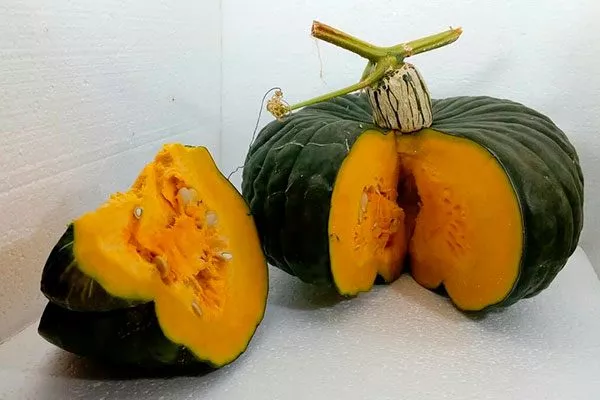
Suitable for both raw consumption and all types of cooking, it is widely used in home cooking and is an excellent source of juice. The fruit can be used in salads, soups, casseroles, purees, pies, and much more.
Nutritional value
Pumpkin juice is rich in nutrients that have beneficial effects on the body, including vitamins, folate, carotenes, and antioxidants. This boosts the immune system, promotes healthy vision and skin, and supports a healthy metabolism.
Benefit:
- The Frog Princess pumpkin is rich in vitamin A, which is important for vision and skin, and also helps regulate metabolism and strengthen the immune system;
- pumpkin is rich in magnesium, which is important for the cardiovascular system and strengthening bones;
- it contains potassium, which helps maintain water-salt balance in the body;
- Fiber helps regulate digestion and improve bowel function.
Ripening time and yield
The Frog Princess is a late-ripening crop. The time from the emergence of the first green shoots to harvest typically takes 125 to 135 days. The harvest period is in the summer months, beginning around July 10th and ending in September.
Agricultural technology for cultivation and care
The Frog Princess, a member of the pumpkin family, thrives in full sun, so it should thrive in areas with abundant light. The soil should be fertile, airy, and provide adequate air and water drainage.
- ✓ The soil pH level should be strictly within 6.0-7.0 for optimal nutrient absorption.
- ✓ The soil must contain at least 4% organic matter to ensure the necessary air permeability and moisture retention.
Recommended soil and lighting conditions
For the Frog Princess, prepare a soil mixture that is rich in nutrients and has a neutral or slightly acidic reaction, with a pH between 6.0 and 7.0. The soil substrate should be well-drained and rich in organic matter.
The frog princess can grow in both full sun and partial shade. Insufficient light can negatively impact the plant's growth rate and promote disease. Therefore, when choosing a growing location, ensure adequate light throughout the day.
Pumpkins have higher heat requirements—young specimens are particularly sensitive to cold temperatures. While hard-skinned mature pumpkins are more cold-tolerant, maintaining the correct soil temperature is key:
- for normal development of the root system – within +18-23°C;
- at lower thermometer readings in the soil, the pumpkin roots become weaker and are located closer to the surface;
- Comfortable air temperatures range from +20 to +30°C.
A harmonious combination of recommended soil conditions, heat, and light will ensure the growth of a healthy and productive pumpkin, the Frog Princess, distinguished by its high-quality flavor and long-lasting shelf life.
Sowing, transplanting to a permanent location
Sow seeds 20 days before transplanting into open beds. If the planting material was purchased in a store and has already been treated by the manufacturer, no further action is required. If using home-grown seeds, it's recommended to soak them in a solution of brilliant green or potassium permanganate for 30 minutes before sowing.
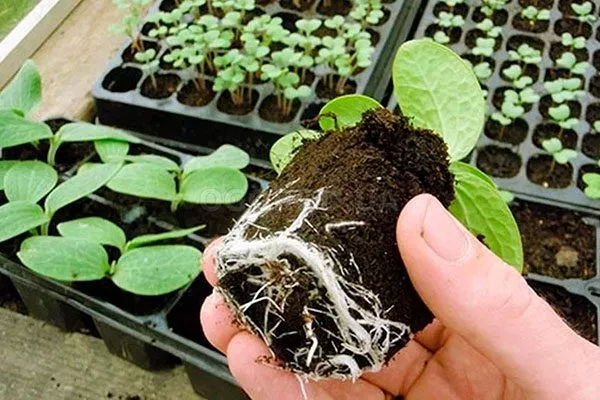
Pumpkins don't tolerate transplanting, so it's best to start seedlings in individual cups. Sow the seeds using the standard method, and once the first shoots appear, begin hardening them off. This should be done when the outside temperature does not drop below 18°C.
Key rules for transplantation:
- Selecting pumpkin predecessors is also important. Good crops include garlic, beans, peas, cabbage, potatoes, onions, beans, and green manure. However, it's not recommended to plant pumpkins after tomatoes, watermelons, eggplants, melons, squash, carrots, peppers, cucumbers, and turnips.
- Planting arrangement: leave a gap of 90-110 cm between seedlings and twice as much between rows.
- Add 2 tbsp of wood ash and 200-300 g of compost to each hole.
- The root collar should not be buried.
- After planting, moisten the seedlings with warm water and sprinkle the soil with dry straw.
Watering and fertilizing
The Frog Princess pumpkin requires moderate moisture. Every 8-10 days, the plant should be watered with 10 liters of water. The optimal time to water is morning or evening, when sunlight is less intense. Water should penetrate evenly into the root system to provide the plant with nutrients.
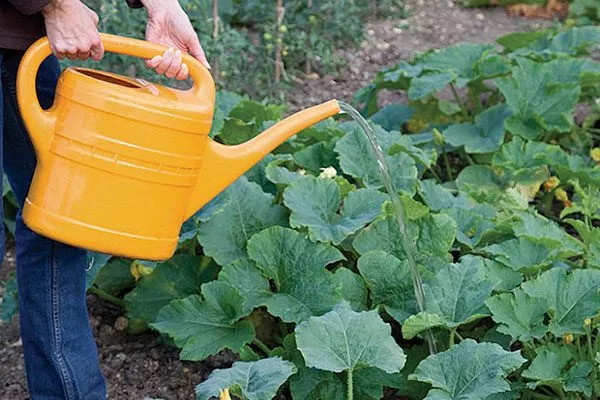
Apply fertilizer three times throughout the growing season. You can use organic matter, such as compost and humus, or mineral fertilizers high in nitrogen, phosphorus, and potassium.
Bush formation
It's recommended to grow the bushes as a single stem, removing all auxiliary shoots. Two to four buds are retained on the main stem. Be sure to place a layer of dry manure or boards under the fruit.
When the stems reach 180-200 cm in length, they should be attached to a supporting structure and pruned to encourage the growth of lateral shoots and ensure good air circulation.
Harvest the pumpkins when they are fully ripe on the plant and have a firm rind. After harvesting, sun-dry them for several weeks to enhance their sweetness and flavor. Store the pumpkins in a cool, dry place at a temperature of approximately 8-10°C and a relative humidity of 55-70%.
Pest and disease control
When growing the Frog Princess pumpkin, special attention should be paid to protecting it from diseases and pests. You can ensure the plant's health by using preventative measures and timely treatments to minimize damage and maintain high yields.
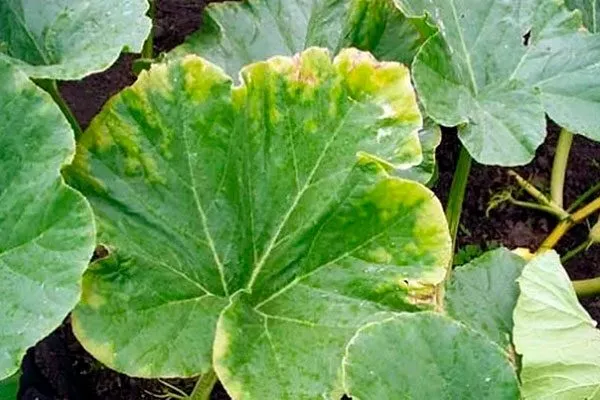
What to be wary of:
- Powdery mildew is a key disease. It is characterized by the appearance of a white coating on leaves and stems, which can lead to wilting, deformation, and reduced fruit production. To combat this disease, it is recommended to use specialized fungicides and carefully monitor soil moisture.
- Another common disease is phoma leaf spot. It causes brown spots on the leaves, fruits, and stems of the plant. Systemic fungicides and the destruction of affected parts are effective in combating phoma leaf spot.
- Among the insects that can harm crops, aphids and mole crickets are particularly dangerous. Aphids, by feeding on plant sap, can cause reduced yields and dry out leaves, while mole crickets are destructive to the root system and stems. To combat these pests, it is recommended to use both chemical and biological agents, as well as manual removal.
Pros and cons
This large-fruited pumpkin is a source of vitamins and nutrients, making it ideal for medicinal and dietary use. Although it's not particularly attractive, it boasts excellent flavor.
The pumpkin called the Frog Princess offers a number of other benefits:
No particular shortcomings were identified.
Reviews
Even a novice gardener can easily grow the Frog Princess, but it's important to remember that to achieve a full harvest, the variety requires sunny, south-facing slopes and fertile soil. The crop can be grown using seedlings or directly sown in open ground.