
The Frog Princess pumpkin is an excellent choice for gardeners who want a tasty and productive vegetable with minimal effort. This variety boasts not only excellent flavor but also low maintenance. It's important to learn the growing and care instructions to ensure high-quality and abundant harvests.
Breeding history
It was developed by breeders A. N. Lukyanenko, S. V. Dubinin, and I. I. Dubinina. In 2012, they applied for approval for the pumpkin, and in 2015, this vegetable was officially included in the register of approved crops. The originator is the Moscow-based breeding and seed company SeDeK.
Features of the variety
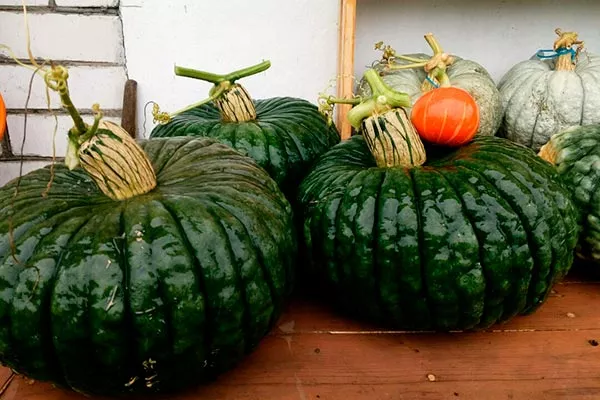
The Frog Princess is a large-fruited table pumpkin variety suitable for outdoor cultivation. It is characterized by a strong immune system and is rarely susceptible to disease. It is successfully cultivated in all regions of Russia, including Central, Siberian, and the Far East.
Characteristics of the appearance of the plant and fruits
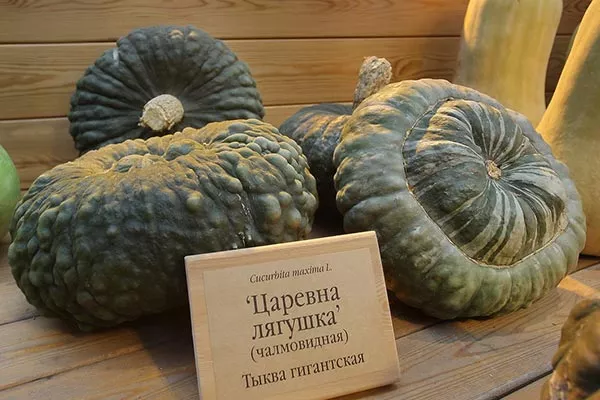
This is a climbing herbaceous variety. The main stem, covered with medium-sized, loosely dissected leaves, is the longest. They are colored green.
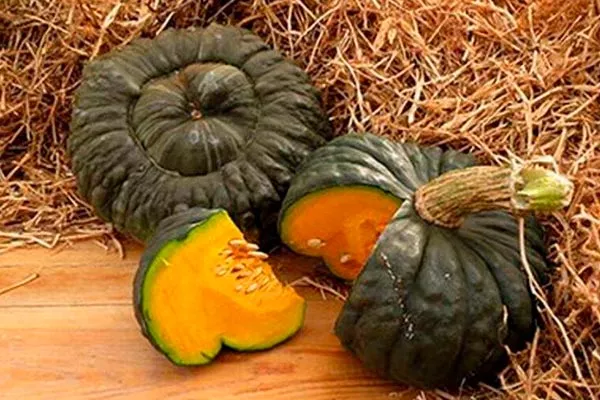
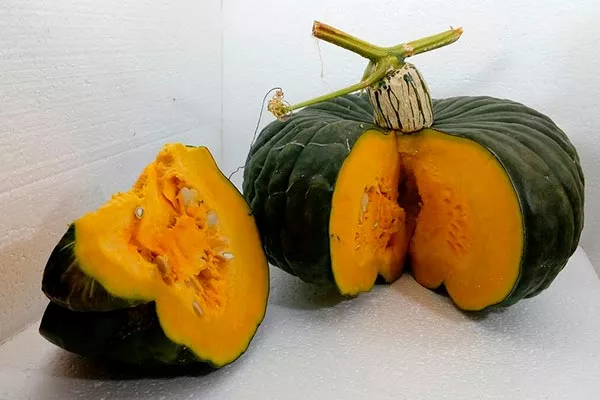
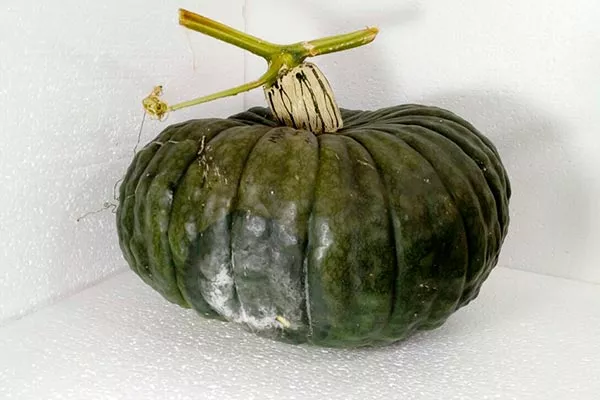
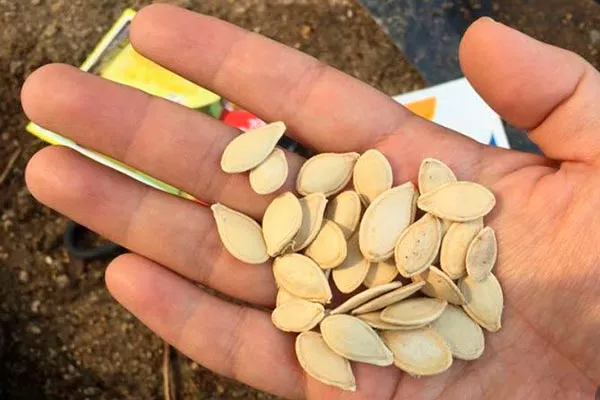
The fruits are flattened and turban-shaped, with dark gray-green or gray skin without a pattern. They are large, weighing 4-5 kg, with a segmented and wrinkled surface. The flesh is medium-thick and yellow. The seed pods contain dense placentas. The seeds are large, white, and broadly elliptical.
Application and taste
The pumpkin has crisp, medium-dense, and juicy flesh. It has a pleasant, pleasantly sweet flavor. This variety is versatile: suitable for fresh consumption, processing, and juicing, and is widely used in home cooking. It is recommended for dietary and therapeutic nutrition.
Ripening time
The Frog Princess is a mid-late variety, with the period from germination to harvest taking approximately 125-130 days. The fruits are harvested between July and September.
Productivity
This variety has a high yield. Vegetable growers can harvest 4.1-4.3 kg per square meter.
Resistance to diseases and pests
The crop is resistant to infections and insects, but to prevent fungal diseases, it is important to maintain a proper watering regime, avoid over-watering the soil, and spread protective materials under the fruit to prevent contact with damp soil.
If pests are detected (melon aphids, woodlice, spider mites or springtails), it is recommended to treat with a soap solution or use infusions based on onions and garlic.
Necessary climatic conditions
The plant adapts well to various climatic conditions, allowing it to be grown in all regions.
Growing the Frog Princess pumpkin
To get a good harvest, it is important to follow certain rules: plant seeds in well-warmed soil, avoid over-watering the beds, weed in a timely manner, etc. If these conditions are met, the crop is unpretentious and bears fruit reliably.
Seed preparation
To successfully grow pumpkins, it's important to properly prepare the planting material before sowing. Here are the basic rules:
- Select the full-fledged seeds, removing small, damaged or deformed ones.
- Warm the seeds in the sun or in warm water (about +40°C) for 1-2 hours to increase their germination.
- Before sowing, soak in warm water (+20…+25°C) for 10-12 hours, changing the water periodically.
- To speed up germination and increase disease resistance, soak the seeds in a growth stimulant solution, such as Epin or Zircon, according to the instructions.
- To increase resistance to temperature changes, harden the planting material: store in the refrigerator at +2…+5°C, then at room temperature for 2-3 days.
To protect against fungal diseases, treat the seeds with a weak solution of potassium permanganate or a fungicide, such as Fitosporin, for 20-30 minutes, then rinse thoroughly and dry.
Growing seedlings
This is an important step for an early and abundant harvest. Prepare your seedlings 3-4 weeks before you plan to plant them in the ground or greenhouse. Consider several factors to ensure healthy and strong plants:
- Temperature conditionsPlace the seeds in warm soil for germination. The optimal temperature is around 25-30°C. After germination, reduce the temperature to 18-22°C during the day and 14-16°C at night to prevent the seedlings from stretching.
- Caring for seedlingsWhen the first true leaves appear, transplant the plants if the seeds were sown in a common container. This will promote the development of a stronger root system. Monitor watering and keep the soil moist, but avoid waterlogging.
To prevent diseases such as black leg, ventilate seedlings regularly, especially during the growing season.
Lighting
Pumpkins, as a heat-loving crop, require adequate light, especially during the seedling stage. For full development, at least 12-14 hours of light per day are required. During the fall and winter, when daylight hours are short, use supplemental lighting with fluorescent lamps or grow lights.
Soil for sowing
Growing pumpkin seedlings requires light, nutritious, and well-drained soil. Proper soil preparation is essential for healthy seedlings and good growth:
- Prepare a mixture of garden soil, peat, and sand in a 2:2:1 ratio. This will ensure good air and water permeability. Add a small amount of compost or humus to improve the soil's nutritional value.
- The optimal pH for pumpkin is neutral or slightly acidic (pH 6-7). To lower the pH, add lime or dolomite.
To prevent the growth of fungi and pathogens, warm the soil in the oven or spray it with a potassium permanganate solution before sowing the seeds. This will help kill any potential pathogens.
Sowing seeds
This is a key stage that determines the subsequent development of plants. Follow these recommendations:
- Sow the seeds for seedlings 3-4 weeks before you plan to plant them outdoors, around late April or early May. Sow when the soil has warmed up and the risk of frost has passed.
- Plant the seedlings 2-3 cm deep into the soil. This promotes better germination and root development. Use separate pots or containers to avoid damaging the root system when transplanting.
- After sowing, gently water the seedlings with warm, settled water, avoiding overwatering. Overwatering can cause the seeds to rot. It's important to keep the soil moist but not waterlogged.
Seeds require warmth to germinate. The room temperature should be at least 25°C. Once the first shoots appear, reduce the temperature to 18-22°C to prevent the plants from stretching.
Hardening
Begin this process 7-10 days before planting the seedlings outdoors. Initially, place them outside for a few hours in a warm but wind-protected location, gradually increasing the time spent outdoors.
During the first days of hardening, the temperature should be no lower than 15°C. Gradually, plants will acclimate to lower temperatures and become more resilient to stress. Sudden temperature fluctuations can weaken the plants, leading to poor rooting when transplanted outdoors.
Once the seedlings have stopped experiencing stress outdoors and have adapted to open ground conditions (become more robust and sun-resistant), begin planting them in the garden.
Agricultural technology
Pumpkin is a crop that requires careful care at all stages of growth, from sowing to harvest. It's important to follow proper agricultural practices and devote maximum attention to the plant to maximize productivity.
Choosing a location in the garden and preparing the soil
Grow the crop in sunny areas protected from strong winds. Light is essential, as the bushes require at least 6-8 hours of direct sunlight per day. The planting site should be warm. The optimal temperature for growth is 25-30°C.
The soil should be fertile and well-drained. Loamy or sandy loam soils with a neutral pH are best. Before planting, thoroughly prepare the soil: dig it over, add organic fertilizers such as compost or humus, and loosen it to improve aeration.
- ✓ The optimal depth of the fertile layer should be at least 30 cm to ensure sufficient nutrition of the root system.
- ✓ The groundwater level should not rise above 1.5 m from the surface to avoid root rot.
Good and bad predecessors
Pumpkin is sensitive to crop rotation. The best predecessors for it are legumes, cereals, as well as potatoes, garlic, and onions, as they don't deplete the soil and don't harbor common diseases.
Other pumpkin crops (cucumbers, zucchini) are bad predecessors, as they can contribute to the accumulation of diseases and pests typical for the family.
Transplanting seedlings
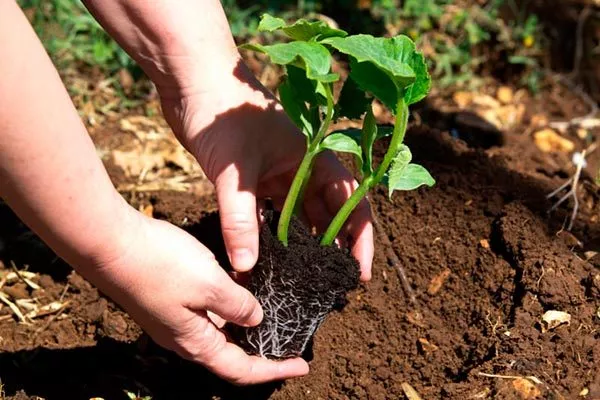
Carry out the procedure when the soil warms up to 15°C and the danger of frost has passed. Choose evening or cloudy weather to avoid stressing the plants. Plant the seedlings in pre-prepared holes, adding humus or compost to support root growth.
Plant shaping – pruning and strengthening
To improve ventilation and produce a high-quality harvest, train the vines properly. Trim excess side shoots to ensure the plant focuses all its energy on fruiting. Leave 3-4 strong shoots, removing the rest. Pinch the tips of the vines to encourage the growth of side shoots.
Watering
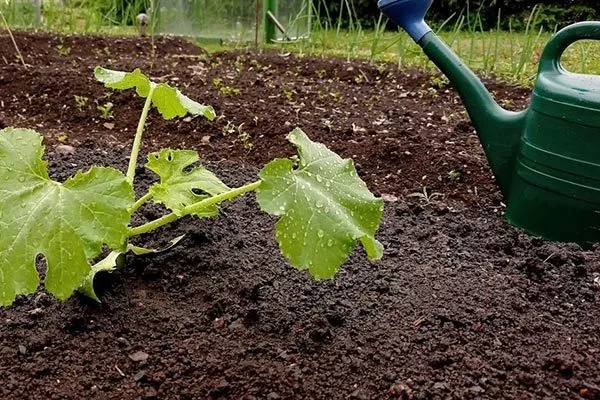
Provide regular and ample water, especially during hot and dry periods. Avoid overwatering, as this can lead to root rot. Pour warm water under the roots, avoiding contact with the leaves and fruit, to prevent fungal diseases.
Fertilizers and dressings
Pumpkins thrive in fertile soil, so regular feeding is essential for good growth. During the initial stages of development, use nitrogen fertilizers to stimulate foliage growth.
During flowering and fruiting, apply phosphorus-potassium fertilizers to provide the plant with the necessary elements for fruit formation. Apply organic matter (humus, compost) and mineral fertilizers, observing the recommended dosages.
- After 2 weeks of planting the seedlings, apply nitrogen fertilizer to stimulate growth.
- During the flowering period, add phosphorus-potassium fertilizers to improve fruit set.
- During fruit formation, repeat the phosphorus-potassium fertilization to increase their size and quality.
Weed control
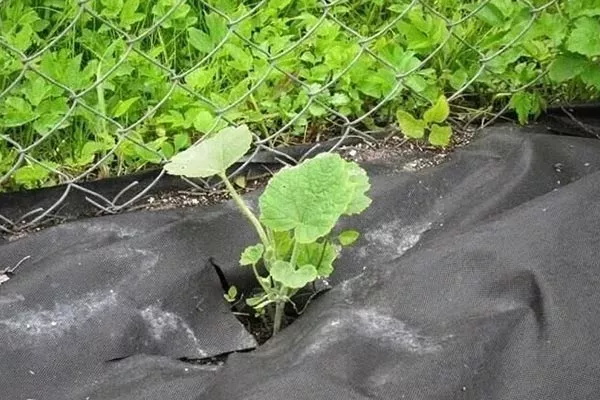
Weeds interfere with normal growth, preventing moisture and nutrients from reaching the roots. To control them, weed the beds regularly, especially during the first few months of growth, until the plant has spread and covered the ground with leaves. Mulch the soil to retain moisture and suppress weed growth.
Plant care during the growing season
Maintain optimal soil moisture, monitor root and shoot development, and treat for pests and diseases promptly. Weeding, fertilizing, pruning excess shoots, and disease control will help ensure healthy plants and a bountiful harvest.
Harvesting
Harvest the fruit in late September or early October when it's fully ripe. This can be determined by the skin color and firmness of the fruit. Stop watering 10-14 days before harvesting to prevent excess moisture from accumulating and rotting.
Carefully cut pumpkins from the vines, leaving a 3-5 cm stalk. Store the harvest in a cool, dry place at 10-12°C. The vegetables store well, retaining their attractive appearance and flavor, for 100-120 days.
Pros and cons
The Frog Princess pumpkin is distinguished by its valuable composition, rich in vitamins. It is ideal for dietary and therapeutic nutrition. This large-fruited pumpkin offers numerous benefits:
No negative characteristics have been identified for this variety.
Reviews
The Frog Princess pumpkin is a versatile variety suitable for both experienced and novice gardeners. Its excellent taste, low maintenance, and high yield make it an excellent choice for any garden. Proper and timely care is key.