
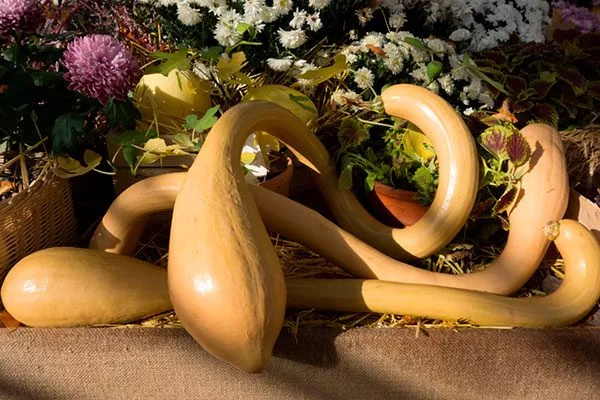
The Trombone pumpkin is a butternut squash with bizarrely shaped fruits. They are long and curved, reminiscent of the musical instrument of the same name. This unusual variety is not only attractive in appearance; it has a wonderful taste and aroma, excellent characteristics, and, most importantly, is easy to grow even for the novice gardener.
Description of the variety
The Trombone pumpkin has a robust vine with large, slightly pubescent leaves of a rounded shape and a standard green color. The flowers are large, tubular, and bright yellow. Each plant bears two types of flowers—male and female. The bark and flesh of the fruit are dense. The seed sac is small, containing only a few seeds.
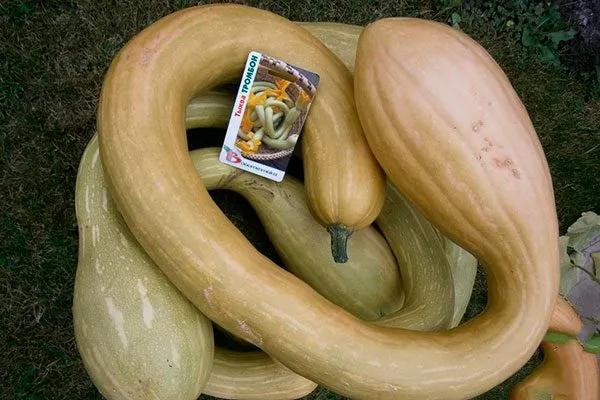
Brief description of fruits:
- Bark color: orange.
- Pulp color: bright orange
- Form: cylindrical, fruits are long, strongly curved.
- Weight: 6-8 kg.
The History of the Trombone Pumpkin
The Trombone variety is a butternut squash variety bred abroad. It was developed by Italian breeders and is considered one of the most popular varieties in Italy. Year of cultivation: 2023.
The taste of fruits and their purpose
Trombone pumpkins have a sweet flavor, somewhat reminiscent of melon and zucchini. The flesh is firm and juicy, with a honeyed aroma.
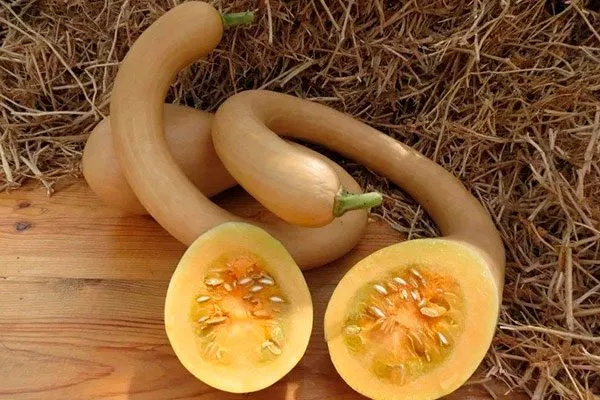
It contains more water than most other varieties. This makes it ideal for pancakes, mashed potatoes, and steaming. However, trombone pumpkin is too soft for baking.
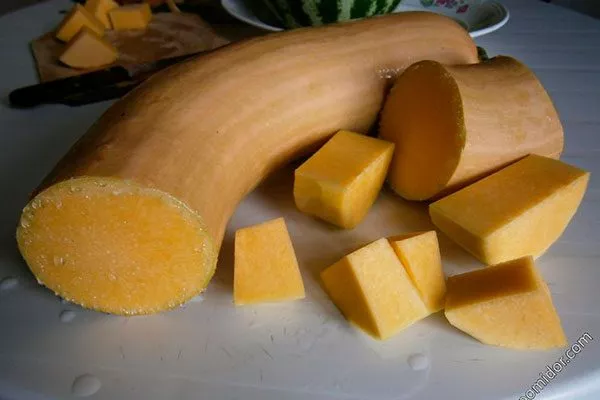
As is typical of butternut squash, Trombone pumpkins have all their seeds clustered in a rounded section. This feature makes slicing and cooking easier. This versatile variety is suitable for all types of processing, juicing, and a wide variety of culinary dishes—puddings, candied fruit, pies, cakes, and more.
Characteristics
The Trombone variety is very productive. Under favorable conditions, 10-15 large fruits can be harvested from a single stem. The yield, calculated per unit area, is approximately 10 kg of fruit. The Trombone pumpkin belongs to the mid-season group, with 110 days from germination to fruit ripening.
Pros and cons
The Trombone variety has enough advantages to interest pumpkin lovers and those who enjoy unusual varieties. Before you begin growing these unusual fruits, it's helpful to familiarize yourself with all the advantages and disadvantages of the Trombone pumpkin.
Landing features
Growing pumpkins is usually a relatively straightforward process for gardeners. However, planting has a significant impact on their growth and fruit development. Choosing the right site and planting at the right time is crucial.
How to prepare seeds for sowing?
Before sowing, seeds must be properly prepared to ensure maximum germination and health of future plants.
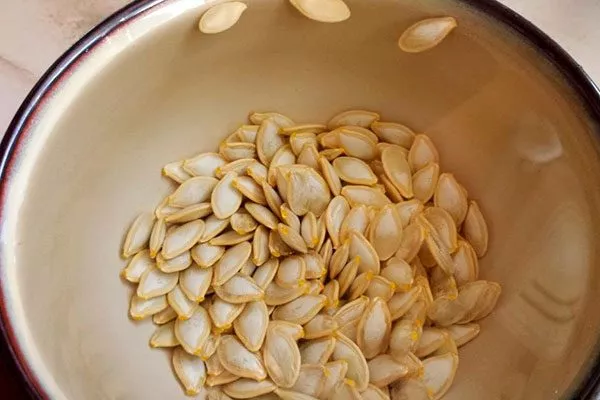
The following activities are recommended:
- Calibration. It involves selecting large seeds. Small ones are discarded or sown separately.
- Checking for germination. Experimentally germinate several seeds by placing them in a damp napkin.
- Warm-up. Spread the seeds on a baking sheet and bake in the oven at 50–55°C for 3–4 hours. Increase the heat gradually, stirring the seeds several times.
- Growth stimulation. The seeds are placed in potassium humate, sodium humate or other liquid fertilizers.
- Hardening. The seeds are first soaked at 20°C. Once they have swollen, they are placed in the refrigerator for several days. It is important that the seeds do not sprout during the hardening process.
- ✓ The water temperature for soaking seeds should not be lower than +25 °C for optimal swelling.
- ✓ The concentration of the growth stimulator solution should be 0.01% to prevent seed burn.
Selecting a site
Choose a warm, sunny site for pumpkin planting. It should be free of shade, as it has a severe negative impact on the growth and development of the fruit. Waterlogged areas are not recommended for pumpkins; a hill or slope is ideal.
The best predecessors for pumpkins are potatoes, beets, onions, cabbage, and legumes. Avoid planting the Trombone variety after cucumbers, zucchini, and eggplant, as they are susceptible to the same pathogens and pests as pumpkins.
Preparing the beds
The variety prefers nutritious and well-drained soils. In the fall, they should be fertilized with organic matter such as compost or manure. The crop produces the best yields in chernozem and loamy soils. The soil should be close to neutral—pH 6.0 to 7.5.
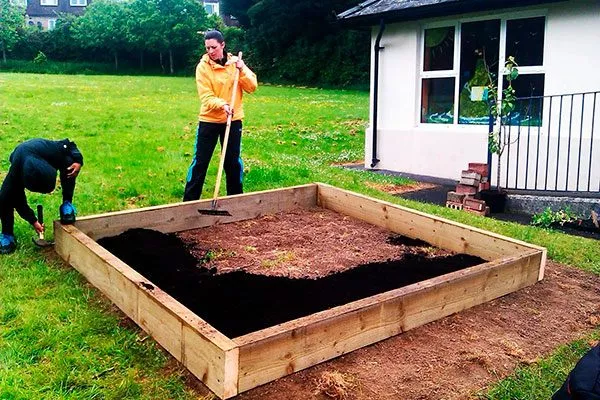
Features of preparing beds:
- In the fall, the area is cleared of weeds and fertilized at a rate of 10 kg per square meter. Potassium chloride (30 g) and superphosphate (60 g) are also added. Fertilizers are applied during digging. Peat and coarse sand are added to loosen the soil. Acidic soils are deacidified with lime (slaked).
- In spring, ammonium nitrate is added to the soil (15-20 g per 1 sq. m).
- To improve the quality of the soil, it is also recommended to sow green manure in the fall and then re-dig the soil in the fall.
- 2 weeks before planting, add 5 kg of compost per 1 sq. m.
- A month after germination, feed with a solution of mullein (1:10).
- During the flowering period, add ash (200 g per plant).
Planting in the ground
In southern regions, pumpkins, including Trombone, are grown by direct seeding. In cooler climates, seedlings are often used, as they produce an early harvest.
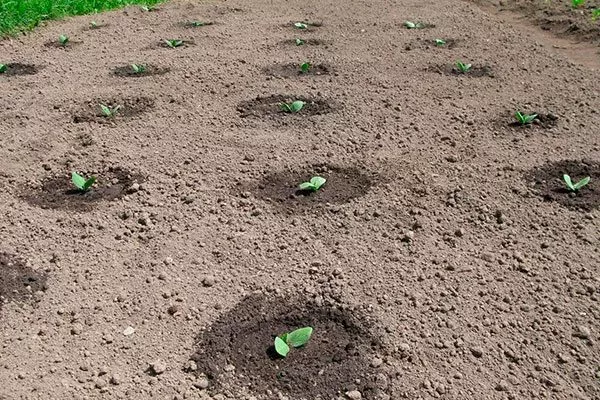
Landing features:
- Pumpkin seedlings are sown around April, depending on climate conditions. Seedlings are planted outdoors in May-June, once the threat of frost has passed and the air and soil have warmed to the temperatures recommended for the crop's cultivation.
- It is recommended to pour boiling water over the soil in the area being prepared for planting to disinfect it.
- For planting, dig holes measuring 70x100 or 80x80 cm. Place several seeds in each hole to ensure germination. The holes can be placed in a straight line or staggered.
- The recommended seeding depth is 4-5 cm. The heavier the soil, the shallower the depth. Until seedlings emerge, it is recommended to cover the seedbeds with plastic film.
Pumpkin seedlings are planted using standard techniques. It's best to do this in the evening, after 6 p.m., to avoid exposing the young plants to the scorching sun.
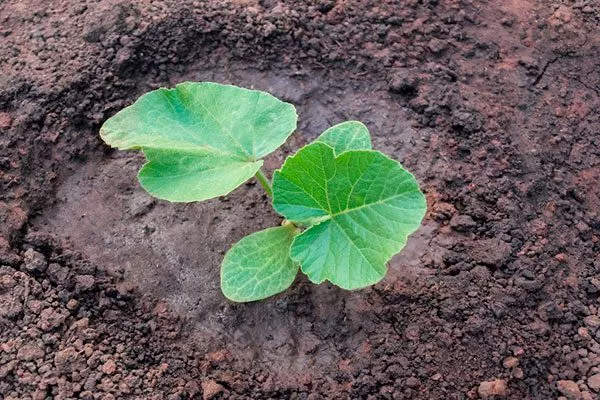
Features of planting pumpkin seedlings:
- Add compost mixed with wood ash to the bottom of the holes to a depth of 5-6 cm. Then add 2-3 liters of warm, settled water.
- Pumpkin seedlings are carefully transferred into the holes, being careful not to damage the roots. The plants are positioned vertically, the roots are covered with soil, compacted, and then watered again.
- For the first two weeks, the planted pumpkin seedlings are covered with plastic film stretched over arches. This will protect the plants from the sun during the day and from the cold at night.
Care Features
Trombone pumpkin requires standard care, which includes regular watering, as well as fertilizing, loosening the soil, and caring for the health of the plant.
Watering
The Trombone variety requires regular watering; the soil should not be allowed to dry out. The recommended watering rate for young plants is 2 liters per bush. During flowering, 6 liters of water are used per bush, and during fruiting, 12 liters. Only warm water should be used for irrigation.
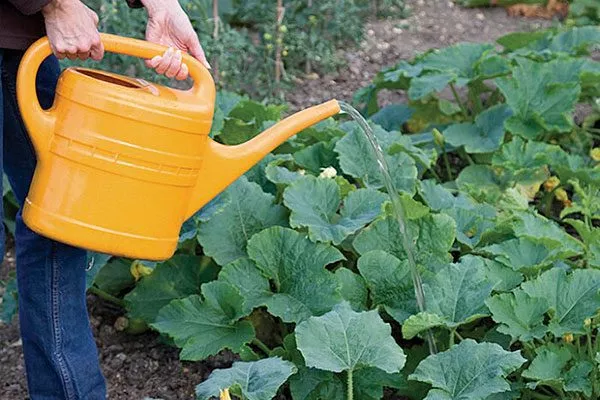
The average watering frequency is once every 7-10 days. Watering should be stopped a month before harvest, otherwise the fruit will become waterlogged and rot during storage. To maintain soil moisture and prevent waterlogging, add sawdust, peat, hay, or sand to the beds.
Loosening
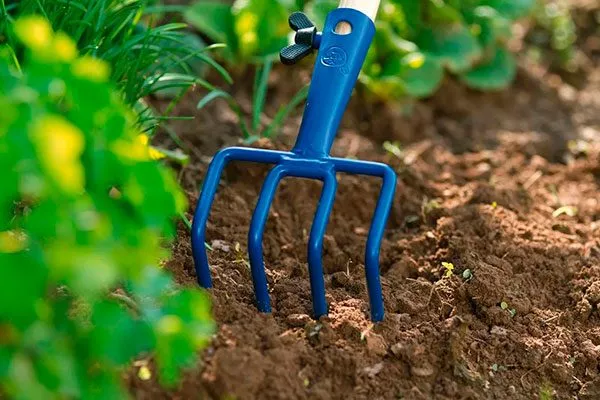
Trombone pumpkin requires regular loosening. On average, this is done once a week. It's also advisable to loosen the soil after each watering to ensure oxygen reaches the roots and remove weeds. Loosen the soil to a depth of 5-8 cm.
Top dressing
Pumpkins begin fertilizing two weeks after planting. A diluted manure infusion is used for this fertilizer. Subsequently, it is recommended to water the pumpkin beds with an herbal infusion every two weeks. The nutrient solutions are poured 5 cm from the stems, and the pumpkins are watered the following day.
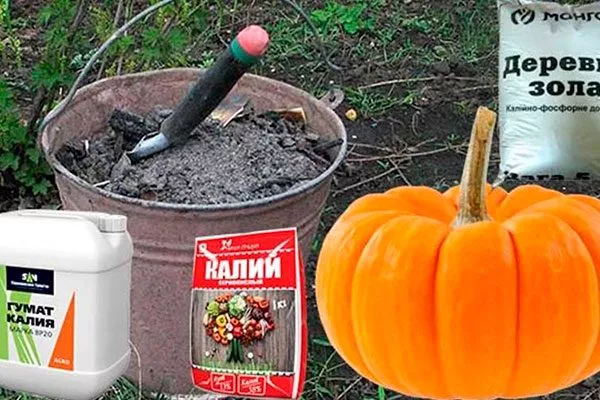
Once the ovaries have formed, mineral fertilizers are applied. For example, pumpkins can be fertilized with monopotassium phosphate (10 g per 10 liters of water). If the plants lack nutrients, they can be supplemented with urea and potassium chloride (20 g each per 10 liters of water).
Shaping and garter
Trombone pumpkins require sturdy support to grow and thrive. Fences and trellises are ideal for staking the plant.
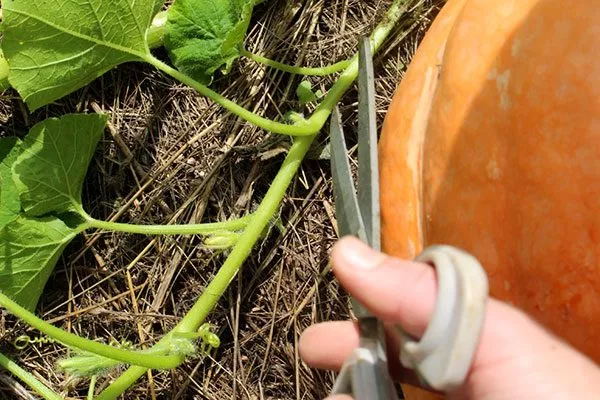
It's recommended to remove side shoots promptly, as they draw nutrients and form green mass, interfering with fruit growth. Side shoot removal begins when the plant has already formed 5-6 fruits.
Diseases and pests
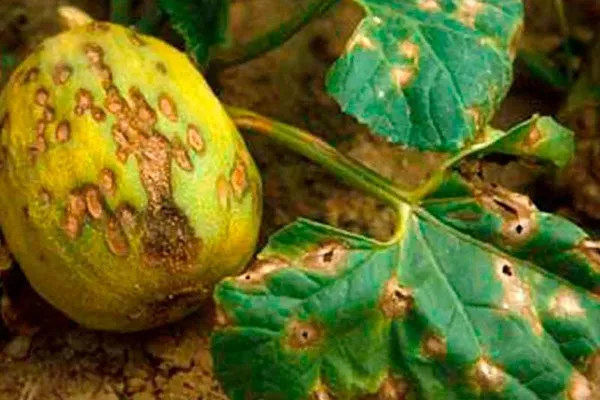
Under unfavorable conditions, this variety can be affected by powdery mildew. As a preventative measure, spraying the bushes with soda ash is recommended. This should be done after prolonged rainfall. If the plant is infected, the affected leaves are removed, and sometimes the entire plant must be destroyed. The remaining bushes are treated with Bordeaux mixture.
| Method | Efficiency | Period of validity |
|---|---|---|
| Aktara | 90-95% | 14 days |
| Pepper infusion | 60-70% | 7 days |
Among the insects that can be dangerous to Trombone pumpkins are flea beetles, melon flies, and weevils. For severe attacks, use Aktara or similar products. Plants can also be sprayed with folk remedies, such as mustard, allspice, or red pepper infusions. If slugs are present in the beds, use a boric acid solution to control them.
Harvesting
Trombone pumpkins ripen gradually. Ripeness is indicated by their orange color and pleasant sweet aroma. Young pumpkins, 20-25 cm long, are harvested for food.
Trombone pumpkins have excellent shelf life. They are stored at up to 85% humidity and at temperatures no higher than +10°C. Under favorable conditions, the fruits can be stored for up to a year. Two to three months after harvesting, seeds can be collected for planting the following season.
Reviews
The Trombone pumpkin is an interesting and promising variety that will definitely appeal to pumpkin enthusiasts. Despite the unusual appearance of its fruits, its cultivation is quite simple and will not pose any difficulty even for inexperienced gardeners.