
The Tortilla pumpkin is deservedly popular thanks to its excellent characteristics. Its low maintenance, vibrant flavor, and versatility make this variety an ideal choice for those who value quality and consistency. Growing this variety will not only yield a bountiful harvest but also allow you to enjoy it year-round.
Description of the bush and fruits
This variety was developed in the United States in 1999 by breeder Jim Bagley. To create this unique hybrid, he crossed the Hubbard and Butternut varieties, resulting in a plant with a unique fruit shape and excellent flavor. Tortilla stands out not only for its unique appearance but also for its excellent taste.
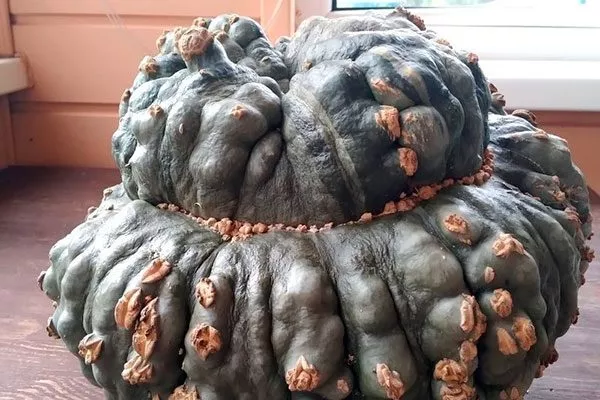
Distinguishing characteristics:
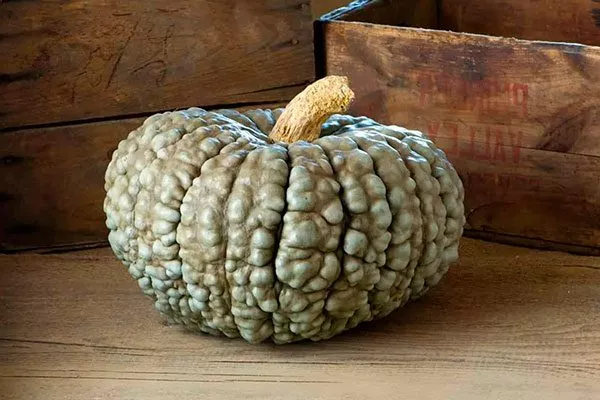
- The fruits are round or slightly flattened in shape, and some specimens resemble a turban or a turtle shell, which attracts the attention of lovers of unusual plants.
- Pumpkins weigh between 10 and 12 kg. The skin's color range includes shades of gray, blue-green, and green. The wrinkled surface of the fruit gives it a particularly decorative appearance.
- The flesh is bright yellow-orange, thick, and aromatic. It tastes sweet, rich, and distinctively aromatic. These qualities make the pumpkin suitable for both fresh eating and for a variety of dishes.
- This vegetable is perfect for creamy soups, casseroles, desserts, and for drying and curing, which preserve all its beneficial properties. Its thick flesh holds its shape well during cooking. This product is ideal for everyday meals and holiday dishes.
- Due to its low calorie content, the vegetable is recommended for people on a diet.
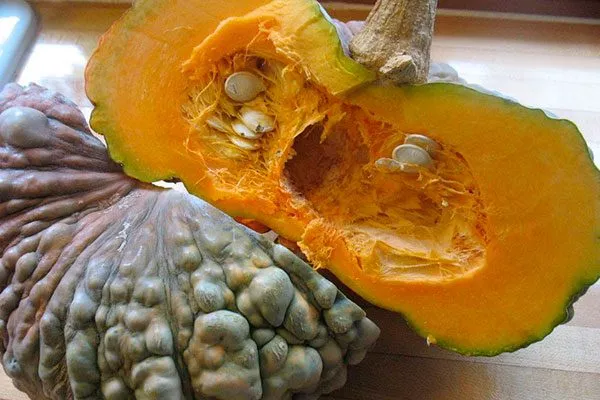
The variety is valued for its long shelf life, which exceeds a year, allowing you to enjoy the harvest even long after harvest.
Main characteristics
Today, tortilla is popular among gardeners in our country. Pumpkin is rich in vitamins and minerals. It contains:
- vitamins A, C, E, group B (B1, B2, B6, B9);
- calcium;
- iron;
- potassium;
- magnesium.
The growing season from germination to harvest is 125-130 days. The cultivar is characterized by good disease and pest resistance.
Growing and care
Tortilla is an early-ripening variety with firm flesh and a vibrant flavor. It has excellent shelf life and is versatile in its uses. To grow this pumpkin and achieve maximum yield, follow these recommendations:
- Choose a well-drained area with loose, fertile soil. The plant thrives in warmth and light, so the location should be protected from cold winds.
- Don't plant pumpkins in the same spot two years in a row. Good predecessors include potatoes, onions, legumes, and cabbage.
- After harvesting the previous crop, dig the area to a depth of 25-30 cm, adding organic fertilizers (rotted manure or compost - 4-6 kg per 1 sq. m).
- Loosen the soil and remove weeds. Apply a complex mineral fertilizer (nitrophoska or superphosphate) 1-2 weeks before planting.
- Sow seeds for seedlings in late April or early May. The recommended temperature for seed germination is 22 to 25°C. Plan to sow seeds directly into the ground when the soil warms to 10 to 12°C, usually in late May or early June.
- Pre-soak the seeds in warm water (25…30°C) for 12 hours. To improve germination, harden them: keep them in the refrigerator at 2…5°C for 3-4 days.
- ✓ Make sure the area has good drainage to avoid standing water, which can lead to root rot.
- ✓ Check the soil pH; the optimal level for Tortilla squash is 6.0-6.8. Adjust with lime or sulfur if necessary.
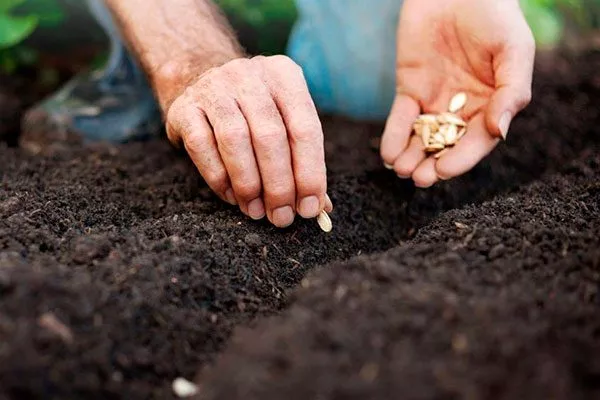
Sowing in the ground:
- Tortilla requires plenty of space to grow. The optimal spacing is 1.2-1.5 m between rows and 70-100 cm between plants within a row.
- Planting depth: 3-5 cm. Place 2-3 seeds in each hole. After seedlings emerge, leave one of the strongest plants.
- Moisten the holes with warm water. Do this carefully to avoid washing away the soil.
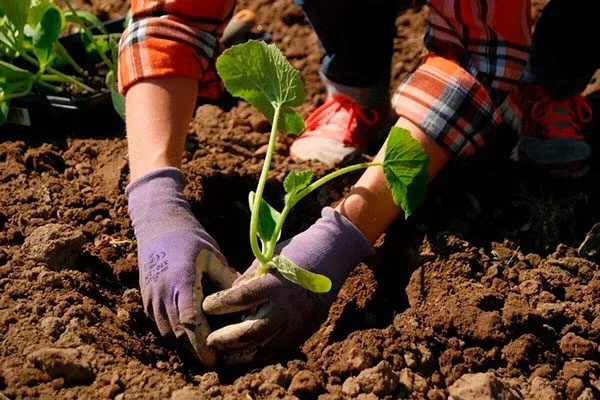
To achieve bountiful harvests and strengthen the plant's immunity, provide it with comprehensive care. Follow these simple agricultural practices:
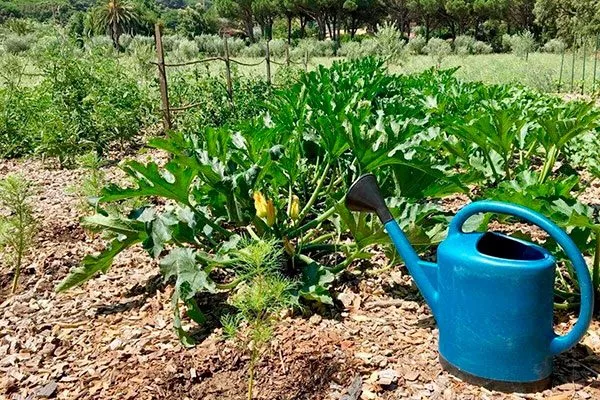
- Water regularly, especially during flowering and fruit formation. Avoid overwatering or drying out.

- After each watering, loosen the soil to provide the roots with access to oxygen.
- Apply the first fertilizer two weeks after germination. Use a mullein infusion (1:10) or a complex mineral fertilizer. During flowering, apply potassium and phosphorus.
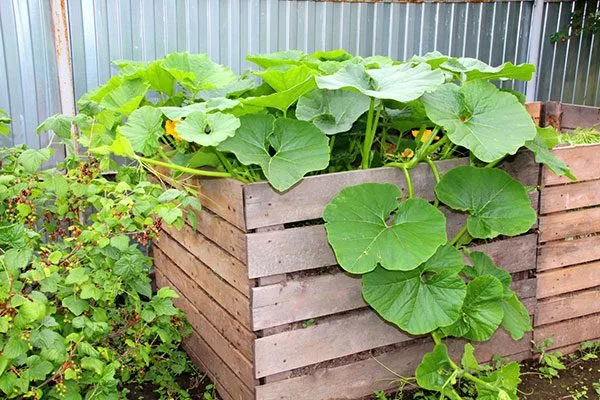
- Train the plant properly: to increase yield, leave 2-3 main shoots. Remove excess lateral branches.
- Mulch the soil around plants with straw or sawdust to retain moisture and prevent weed growth.
Reviews
Tortilla is a unique pumpkin variety that combines a distinctive shape, rich flavor, and high yield. Its large fruits with firm, sweet flesh are suitable for both fresh consumption and a variety of dishes. Its disease resistance and long shelf life have made it a favorite among gardeners and cooks.