
The Stofuntovaya pumpkin is an old, proven variety bred domestically. It is a classic, large-fruited variety that is very popular among farmers and gardeners.
Description of the Hundred Pound Pumpkin
A medium-sized plant with long vines. The vines can reach 7 meters in length. The leaves are wide and green, with light green veins and a rough surface. The petioles are long, reaching 40 cm. It is characterized by rapid growth: the lateral stems spread outward, reaching 1 meter in length.
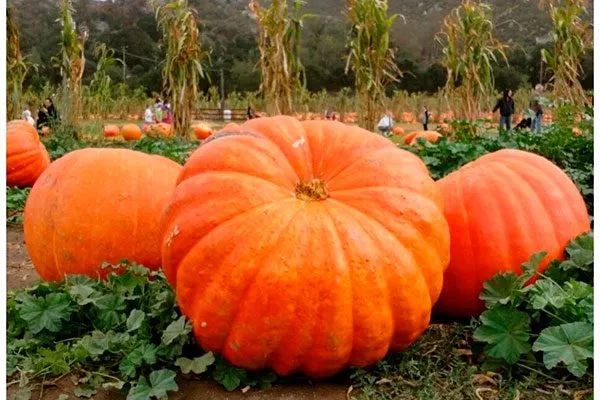
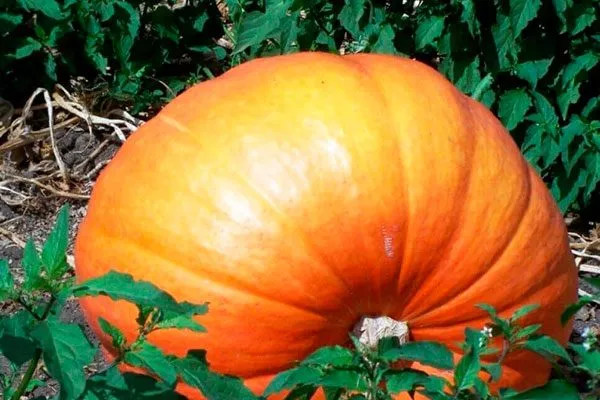
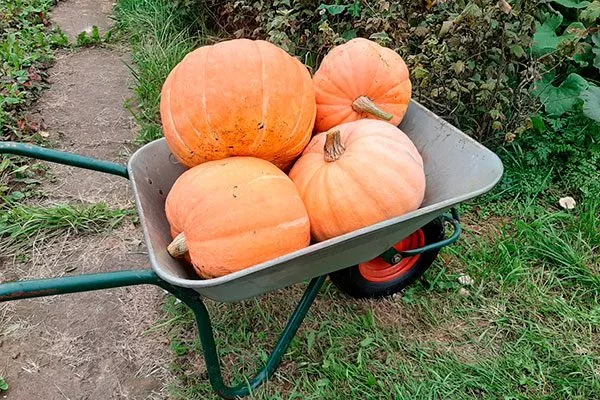
The fruits of the Hundred Pound Pumpkin are large, even enormous, smooth and weakly segmented. The seed pits are large, and the placentas are of medium density.
Brief description of fruits:
- Bark color: pink, orange, yellow, and gray.
- Pulp color: cream or yellow.
- Form: spherical and short-oval.
- Pulp: loose.
- Pulp thickness: 4-5 cm.
- Bark: thin and flexible.
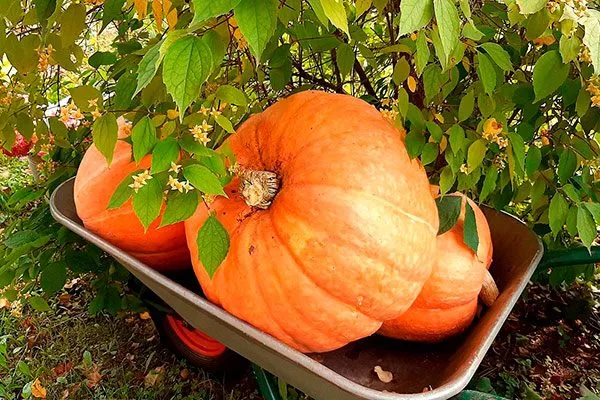
- Weight: 10-20 kg.
Who developed the variety and when?
The Stofuntovaya pumpkin was developed by Soviet breeders. This variety was added to the State Register in 1947. The Stofuntovaya pumpkin's originator was the Sortsemovoshch Vegetable Seed Association.
The variety is recommended for cultivation in the Volga-Vyatka, North Caucasus and Middle Volga regions.
Taste and purpose of fruits
The Hundred Pound Pumpkin's flesh is sweet to slightly sweet. Overall, the flavor of this variety is satisfactory. This pumpkin can be eaten fresh, but it can also be processed into main courses, desserts, creamy soups, and juices.
The taste of the Hundred Pound Pumpkin is influenced by growing conditions—soil quality, watering regimen, weather, amount of fertilizer, and amount of sunshine. The flavor of the flesh also depends on its density—the denser the flesh, the more bland it tastes. Only orange pumpkins are known for their juiciness and sweetness.
Characteristics
The Stofuntovaya pumpkin is a mid-late variety. It takes 110-140 days from germination to fruit ripening. Harvesting occurs in August-September. When grown on a large scale, the yield ranges from 32-63 tons per hectare, with gardeners harvesting 3-6 kg of fruit per square meter. A single plant produces 2-3 large pumpkins.
This variety is heat-loving and does not tolerate cold weather well. Young plants, if left untreated, may be damaged by subsequent frosts. Moisture deficiency also negatively impacts plant health and yield.
The Stofuntovaya pumpkin is relatively resistant to powdery mildew, bacterial disease and various fruit rots.
Pros and cons
Before planting a giant-fruited pumpkin in your garden, you should familiarize yourself with all its characteristics. This large-fruited variety may not be suitable for your plot or intended use.
Planting pumpkins
The Stofuntovaya pumpkin can be grown by direct sowing or from seedlings. The former is more suitable for the south, where springs are early and summers are long. In other regions, seedlings are more commonly used, as they guarantee a harvest—with short summers and early frosts, pumpkins may simply not have time to ripen.
Selecting a site
The growth and development of the Stofuntovaya pumpkin, as well as its yield, largely depends on how well the planting site is chosen.
What to pay attention to when choosing a planting site for the Stofuntovaya variety:
- The lighting must be very good, as the size, brightness and taste of the fruit depend on the amount of light.
- This variety doesn't tolerate high humidity very well; it shouldn't be planted in low-lying areas, nor should it thrive in high groundwater levels. If the groundwater level is too high, pumpkins should be planted in 20-cm-high beds.
- When planting pumpkins, it's important to follow crop rotation rules. Good predecessors for this crop are tomatoes and root vegetables, while poor ones include watermelons, melons, cabbage, and cucumbers. Corn and squash crops are good neighbors for pumpkins.
Seed preparation
It's recommended to prepare seeds before planting them in seedlings or open ground. If you buy seeds from a reputable manufacturer, they may already have undergone all the necessary treatments; all that remains is to germinate them. Self-sown seeds, however, must be sorted, heated, hardened, disinfected, and only then germinated.
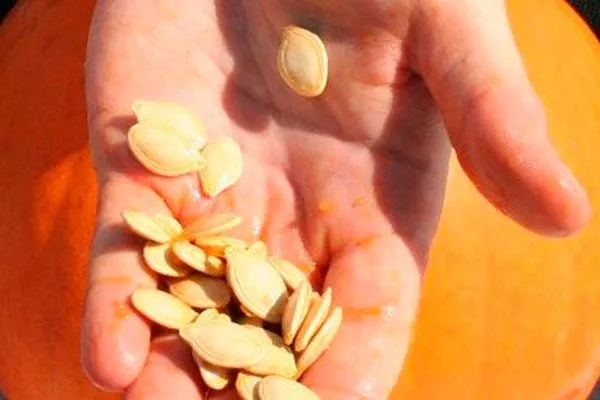
Features of processing seeds of the Hundred Pound Pumpkin:
- To select high-quality seeds for planting, remove all defective ones—those with spots, cracks, etc. A salt solution (1 tbsp per 250 ml of water) can help test the seeds for germination—after 20-30 minutes, any non-germinating seeds will float to the top.
- To facilitate germination and increase viability, seeds are warmed. They are wrapped in cheesecloth and placed in the sun or near a radiator. An oven can also be used for warming: keep the seeds in the oven for 1 hour at 20°C, another hour at 30°C, and so on up to 60°C.
- To obtain healthy plants, seeds need to be disinfected. A solution of potassium permanganate or a 3% hydrogen peroxide solution are suitable for this purpose.
- To increase cold resistance, seeds are hardened in the refrigerator - here they are kept on the bottom shelf for 24 hours.
Pumpkin seeds are germinated for several days by wrapping them in damp gauze or placing them in sawdust that has been swollen with moisture.
Site preparation
The Hundred Pound Pumpkin requires fertile and loose soil to form and ripen large fruits.
Features of soil preparation:
- To improve soil fertility, add organic matter to the soil. When digging, add 5-8 kg of humus or slurry per square meter.
- Using special test strips, determine the soil's acidity. If it's acidic, add slaked lime or wood ash. You can increase the acidity by adding red (high-moor) peat, rotted pine needles or sawdust, forest sphagnum moss, or composted fallen leaves.
- If the soil is heavy and dense, add river sand at a rate of 10 kg per 1 sq. m.
The Stofuntovaya pumpkin will produce best in chernozem, light loam, and loose, dark-colored sandy loam soils. The optimal pH is 6.0 to 7.5 (near neutral).
Sowing pattern in the ground
Pumpkins are planted directly in the ground in southern regions in late April or early May. In temperate climates, sowing occurs in mid-May. However, when choosing a planting time, weather conditions are more important than dates and timing.
Pumpkin seeds can be sown in the ground once the weather has become consistently warm and the risk of frost has passed. The air temperature should reach 18–20°C, and the soil should reach 15–16°C.
Features of sowing the Hundred Pound Pumpkin in the ground:
- In the spring, the soil is loosened and leveled with a rake. Holes 20-30 cm wide are dug for planting.
- The optimal sowing pattern is 80-140 x 140 cm.
- Fertilizers are placed into the holes - organic matter (humus), wood ash, superphosphate or a complex fertilizer with macro- and microelements, they are sprinkled with ordinary soil and the seeds are planted - with the sharp ends down.
- Place 3-5 seeds in each hole, leaving 3-5 cm between adjacent seeds. Cover the seeds with loose soil, lightly compact, water, and cover with plastic wrap until germination occurs.
- The seed planting depth is 6-10 cm. This depends on the soil density. The looser and lighter the soil, the deeper the planting depth.
Seedlings appear in about 5-6 days. If several sprouts emerge, select the strongest one and carefully pinch off the others.
Growing seedlings
The Stofuntovaya pumpkin is sown for seedlings in April. The pumpkin seedlings grow in 20-25 days.
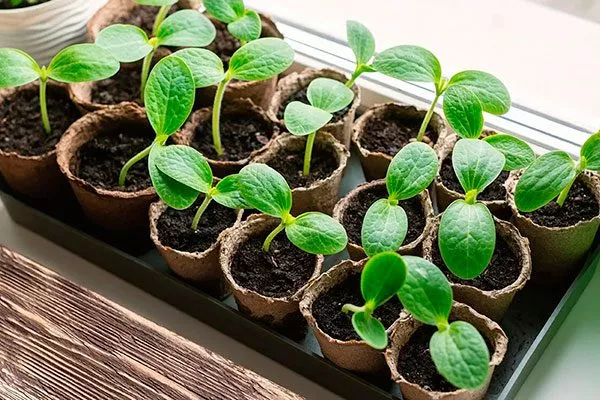
Especially sowing the Stofuntovaya pumpkin for seedlings:
- For planting, choose individual containers—plastic cups, regular pots, or peat pots. Pumpkins should not be planted in larger containers, as they don't require transplanting.
- Expanded clay is placed at the bottom of the planting containers as a drainage layer, and a prepared seedling substrate is poured on top. This can be purchased at any organic store.
You can also fill the container with a homemade potting mix. For example, you can make one by mixing peat, humus, and rotted sawdust in a 2:1:1 ratio. You can also add nitrophoska (1 teaspoon per 1 kg of potting mix). This mixture must be disinfected. - The soil in the planting containers is moistened with warm, settled water from a spray bottle.
- Two pumpkin seeds are planted in each pot. They are planted 3 cm deep. Afterwards, the seeds are moistened again and covered with plastic wrap. They are placed close to the light. The seeds are aired daily to prevent condensation.
After a few days, seedlings emerge. Immediately after, the plastic covering is removed, and the air temperature is lowered from 22 to 25°C to 16 to 18°C. This is the daytime temperature, with nighttime temperatures even lower at 12 to 14°C. This lower temperature prevents the seedlings from stretching.
Features of caring for pumpkin seedlings:
- When two full leaves appear, excess shoots are removed by pinching.
- Water the seedlings daily. The soil should be slightly moist, but not too wet.
- The optimal daylight hours are 15-16 hours. During the dark hours, artificial lighting, such as fluorescent lamps, should be used.
- A week before transplanting into the ground, the seedlings are fed, for example, with diluted manure (1:10).
- Two weeks before transplanting into the ground, the seedlings are taken outside so that they can adapt more quickly to the new location.
Transplanting
Seedlings are planted in the ground in May or June - the timing depends on the climatic characteristics of the region and weather conditions.
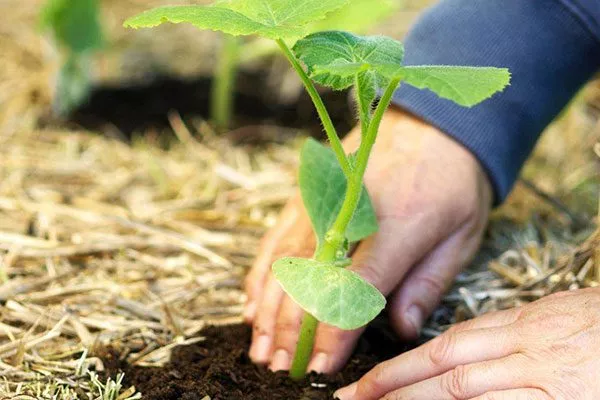
Features of planting Hundred Pound Pumpkin seedlings:
- For planting, holes are dug according to the same pattern as for direct sowing into the ground - 140 x 140 cm.
- The holes should be large enough to accommodate the seedlings' roots. The depth and diameter should be approximately 5 cm larger than the root ball removed from the planting container.
- Add organic matter to the bottom of each hole, such as 2 tablespoons of wood ash and 2 handfuls of compost. Water the planting holes with warm, settled water.
- The seedlings are transplanted into the holes using the transshipment method, so as to disturb the roots as little as possible. To ensure easy removal of the seedlings and soil from the planting containers, they are watered generously.
- After planting, the seedlings are watered, and when the moisture has been absorbed, the root zone is mulched with straw.
If nighttime temperatures drop below 15°C, pumpkin plantings should be covered. This can be done using plastic bottles with the tops cut off or by stretching plastic film over the arches.
Care Features
Caring for giant pumpkins is no more difficult than caring for any other variety. A hundred-pound pumpkin requires standard gardening practices, but the key is to do everything on time and regularly.
Watering
The Stofuntovaya variety is moderately moisture-loving and does not tolerate overwatering. On average, it is watered 1-2 times a week. Watering is stopped a month before harvest to prevent the fruit from becoming waterlogged and rotting during storage.
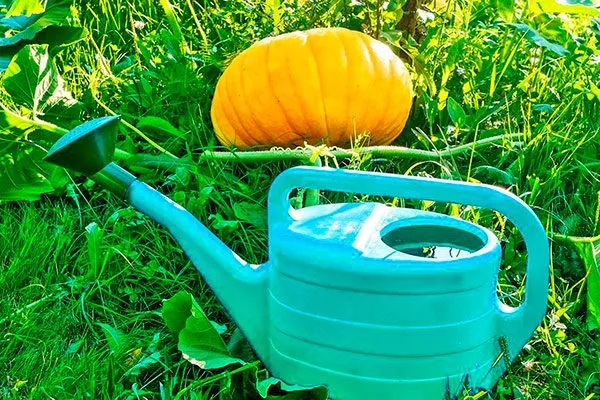
Water the pumpkin at the base, avoiding the leaves and stems, as this can cause sunburn. Use warm, settled water for watering.
Loosening
The Stofuntovaya pumpkin responds well to loosening. The frequency of loosening depends on the frequency of watering and the density of the soil; the heavier the soil, the more frequently it is recommended to loosen the soil. The loosening depth is 5-10 cm.
Top dressing
The Stofuntovaya pumpkin is fed with organic and mineral fertilizers. Three to four applications are made per season.
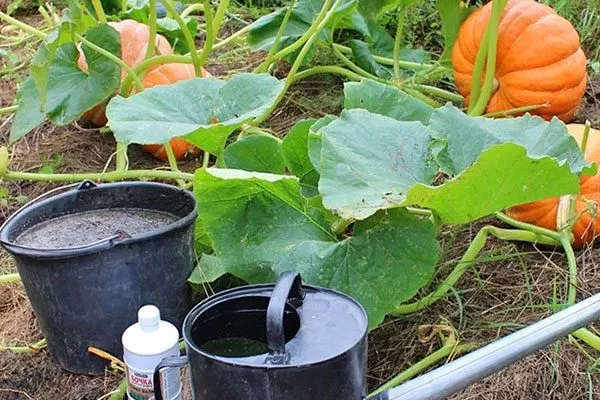
Features of fertilizing the Stofuntovaya pumpkin:
- A month after sowing (2 weeks after planting the seedlings), nitrophoska is added (10 g per plant).
- Two weeks after the first feeding, the bushes are watered with a mullein solution (1 liter of manure per 10 liters of water). Use 0.8-1 liter of liquid fertilizer per plant.
- After another 2 weeks, a potassium-phosphorus complex is added.
- When the inflorescences are formed, add a solution of wood ash to the soil (1 tablespoon per 1 liter of water).
Formation
The bush is trained into a single stem. All side shoots are removed as soon as they appear. When the main stem reaches 4-6 m in length, it is pinched. Side shoots are regularly removed from the bushes. No more than 2-4 ovaries are left on the central shoot.
Diseases and pests
The variety is resistant to many diseases, but under unfavorable conditions, plants can be affected by bacterial wilt, which can be controlled with Bordeaux mixture. In rainy weather, pumpkin bushes can become infected with powdery mildew, which can be controlled with copper sulfate, sodium phosphate, or colloidal sulfur.
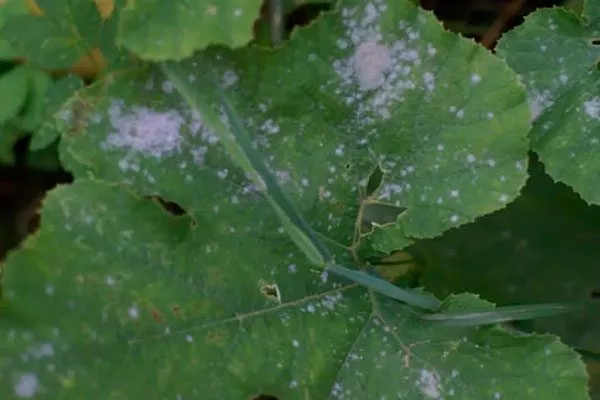
The Stofuntovaya pumpkin can be affected by aphids, which can be controlled with a soap solution, and in severe cases, with Malathion. If spider mites appear, treat the plants with an infusion of onion peel or bioinsecticides such as Bitoxybacillin or Fitoverm.
Harvesting
The harvest is held between August and September; ripening times depend on the region's climate. The main sign of ripeness is the drying of the stem. It is always left on when harvesting pumpkins. To ensure proper storage, the fruits are harvested in dry, sunny weather.
Reviews
The Hundred-Pound Pumpkin is an excellent choice for lovers of large-fruited varieties. Its fruits are truly gigantic, so before planting "Hundred-Pound" pumpkins in your garden, think carefully about where you will store them, how you will use them, and where you will store them.