
Styrian pumpkins are prized for their attractive appearance—their skin is striped. The fruits are small, weighing no more than 7 kg, making them easy to process. The vegetables are sweet and suitable for a variety of dishes. This winter-hardy crop produces good yields, tolerating moderate climates well.
Origin and regions
The variety was developed over 100 years ago in Styria, a region in the southeast of Austria. It is adapted to the local climate and soil, which gives it unique qualities.
Styrian pumpkins are characterized by their high resistance to adverse weather conditions. This allows them to be successfully cultivated not only in the south but also in the north of Russia.
How is the Styrian pumpkin different from the regular one?
The space between the gymnosperm pumpkin seed and its outer shell is filled with a membrane containing a beneficial substance called cucurbitin. Gymnosperm pumpkins contain significantly more of this substance than regular pumpkins.
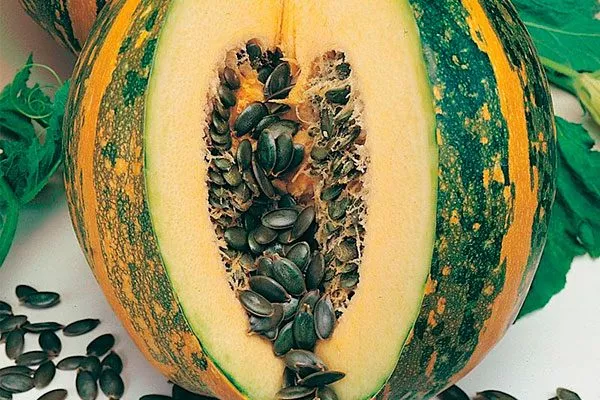
Styrian seeds are superior to ordinary ones in a number of important respects:
- contain more chlorophyll;
- enriched with antioxidants;
- rich in polyunsaturated fatty acids;
- include many vitamins and minerals.
In addition, the seeds have an important property: they have a mild anthelmintic effect.
Description of the bush and fruits
The plant is a low-growing shrub with long, vine-like shoots that are hollow, flexible, and succulent inside, with thin spines on the surface. The branches range from 80 to 110 cm in length.
Other distinctive qualities:
- The leaves are large, standard, and umbrella-shaped. They have a hairy texture and are green on both the front and back.
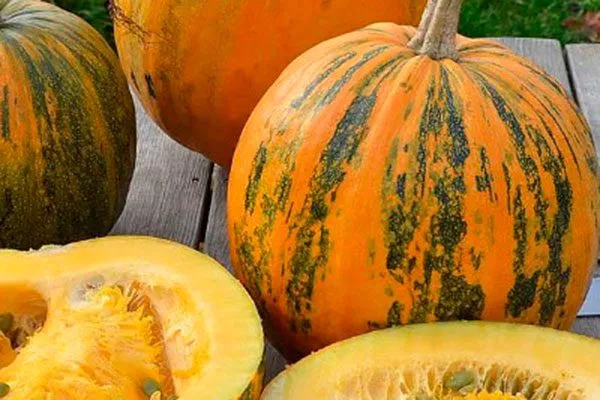
- The pumpkin fruits are flat-round, large, orange-yellow, with a dense and sometimes rough skin, decorated with bright green vertical stripes.
- The weight of the vegetable upon reaching technical maturity is 5-7 kg.
Main characteristics
Styrian is a unique variety that not only delights the taste buds but also offers valuable nutritional properties. Its versatility makes it popular in cooking and other applications.
The benefits and harms of Styrian pumpkin
The pulp's composition is identical to that of the common variety, but its seeds are particularly valuable. They are beneficial due to their high content of vitamins, macro- and microelements. They are used to produce oil, in folk medicine to combat helminths, and in cosmetology.
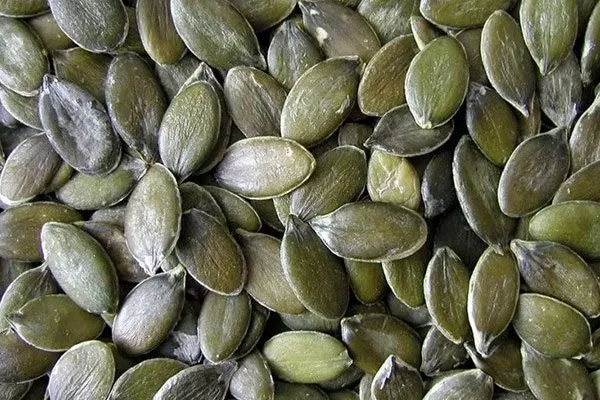
However, due to the high fat content (56%) in seeds, their excessive consumption can have a negative impact on health.
Possible consequences include:
- allergic reaction;
- abdominal pain in people with acid-base imbalance;
- defecation disorders in patients with dysbacteriosis.
Styrian pumpkin consumption is contraindicated in cases of peptic ulcers in the acute stage. People with diabetes should exercise caution.
Risk of cross-pollination
One of the characteristics of the naked-seeded pumpkin is its tendency to cross-pollination, which is especially important to consider if you plan to collect seeds for later use.
Important points:
- When cross-pollination occurs, the seed loses its varietal identity. The following year's fruits will combine characteristics of both the parent variety and the pollinator plants.
- This gymnospermous variety forms ovaries with the help of insects, which can have a fairly wide range. If other melons or pumpkins are grown nearby, the likelihood of cross-pollination increases significantly.
To avoid this, pollinate manually. Using a soft brush, transfer pollen from the male flower to the female.
To limit insect access, isolate the flower stalk by placing it in a plastic bag or cloth pouch and securing the top with a rubber band. This procedure not only helps maintain the purity of the variety but also increases yield.
Areas of cultivation and production
The climate conditions in the Middle East and Europe are ideal for pumpkin cultivation, especially considering that the average annual rainfall in these areas often does not exceed 800 mm.
Global oilseed pumpkin production covers 600,000 hectares, with a total seed yield of 200,000 tons. Of this volume, approximately 120,000 tons are produced in China, a significant portion of which is supplied to the European market.
Ripening and fruiting, productivity
Styrian grapes are early-ripening varieties, with an average of 90 days between germination and harvest. When the fruits turn a bright yellow-orange color with green stripes and the stems become dry, this signals they are ready for harvest.
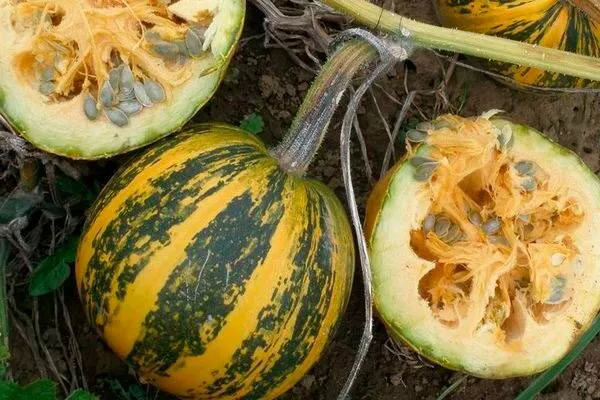
Ripe fruits can reach large sizes, weighing between 3 and 7 kg depending on weather conditions and soil composition. Each vegetable contains dark green, shell-less seeds, with a count ranging from 110 to 170.
Taste, purpose and use
The Styrian pumpkin has dense, juicy, and fibrous flesh—it makes up over 80% of the fruit's total weight. It has a sweet flavor, reminiscent of watermelon, and its seeds are shellless.
The variety is widely used in cooking, and pumpkin seeds are used to produce pumpkin seed oil, which is used in folk medicine (as a laxative) and in cosmetics (as a moisturizing agent). The pulp has a pleasant aroma.
A variety of dishes are prepared from this vegetable:
- soups;
- desserts;
- casseroles;
- porridge;
- winter salads;
- jam.
The product is often served as a side dish for meat dishes. The fruits have a beneficial composition: the pulp contains sugars, proteins, carotene, folate, polyunsaturated acids, and vitamins E, B, C, and A.
How to plant?
Styrian pumpkin is not only a tasty and healthy vegetable, but also a relatively easy-to-grow plant that produces an excellent harvest with proper care and adherence to agricultural guidelines. To grow pumpkins, it's important to consider a number of planting and care considerations and follow the recommendations of experienced gardeners.
Soil and crop rotation requirements
The plant prefers light, well-drained soils with neutral pH. Loams and sandy soils are ideal.
Avoid heavy and waterlogged areas. Practice crop rotation: don't plant seedlings in the same spot more than once every 3-4 years to prevent the buildup of diseases and pests.
Preparation rules
Before planting, thoroughly prepare the area: remove all weeds and dig the soil to a depth of 25-30 cm. Add organic fertilizers such as humus or compost, and a small amount of mineral fertilizer, such as superphosphate. If the soil is too acidic, apply lime.
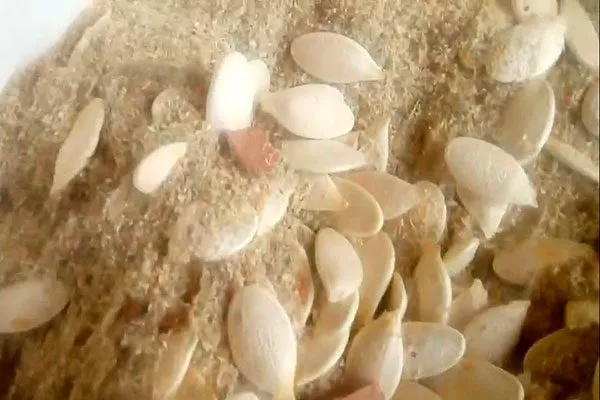
Preparing pumpkin seeds for sowing involves several stages that increase their germination and resistance to adverse conditions.
Conduct the following activities:
- Calibration. Select the largest and densest seeds without damage.
- Warming up. Warm the planting material to speed up germination and increase disease resistance.
- Germination. Wrap the seeds in damp cheesecloth or cloth and leave them in a warm place until small sprouts appear. This will speed up the germination process in the soil.
- Disinfection. To prevent diseases, treat the seed material in a weak solution of potassium permanganate (1 g per 100 ml of water) for 20-30 minutes, then rinse with clean water.
Once prepared, the seeds are ready for planting. For open ground, wait until the soil warms to 12–14°C.
Planting technology
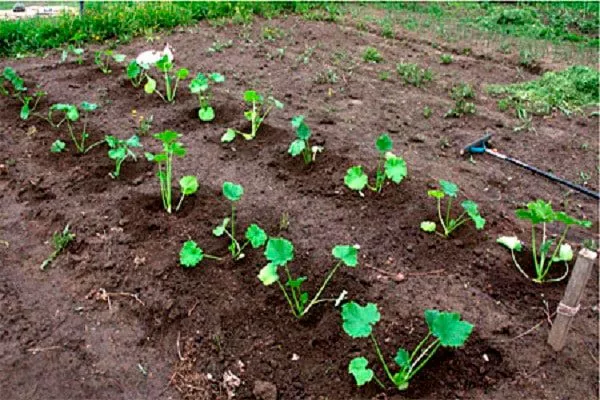
Styrian pumpkins are best planted after the soil warms to 15°C, usually in late May or early June. Plant the seeds 3-5 cm deep, spacing them 100-150 cm apart, as the plant requires ample space to grow.
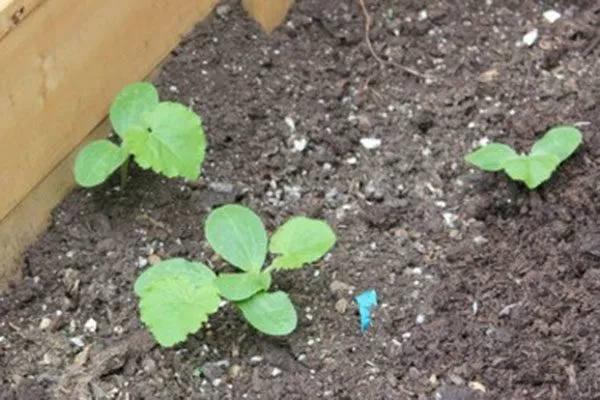
Prepare the holes in advance and moisten them thoroughly. Place a few seeds in each hole to increase the chances of germination. After planting, cover the holes with plastic wrap to speed up germination.
Diseases and pests
Thanks to the diligent work of breeders worldwide, the gymnosperm pumpkin is highly resistant to various diseases and pests. However, it can be susceptible to certain diseases:
- Powdery mildew. A fungal disease that appears as gray spots on leaves. Causes include excess nitrogen, insufficient moisture, and cold and damp weather.
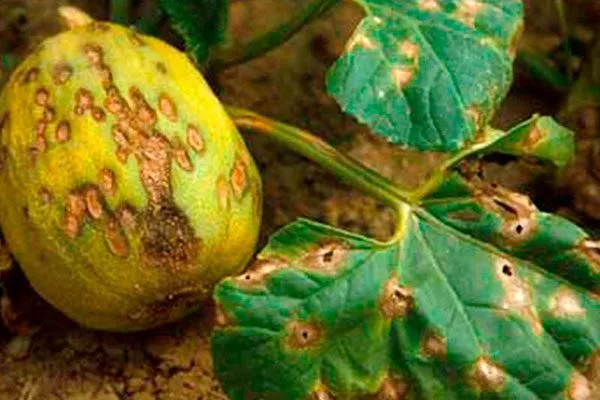
To combat powdery mildew, remove affected plant parts, then treat the plantings with colloidal sulfur or sodium phosphate-based products. As a preventative measure, use Topaz or Universal Dew. - Anthracnose. It appears as dark yellowish spots on the leaves, which gradually enlarge and turn dark pink. This fungal disease can destroy the entire plant, making the fruit unfit for consumption.
If your pumpkin is infected with anthracnose, remove it from the garden immediately. To prevent this disease, it's important to practice crop rotation, disinfect the planting material before planting, and treat the soil with fungicides. After harvesting, carefully remove plant debris from the area.
If aphids appear on your plants, use Fitoverm or Iskra. Komandor is effective against whitefly caterpillars.
Care tips
Styrian pumpkins require regular watering, especially during flowering and vegetative development. Pour water under the roots, avoiding the leaves, to prevent fungal diseases. Use warm, settled water. It's important not to keep the soil too wet to prevent root rot.
Perform other care activities as well:
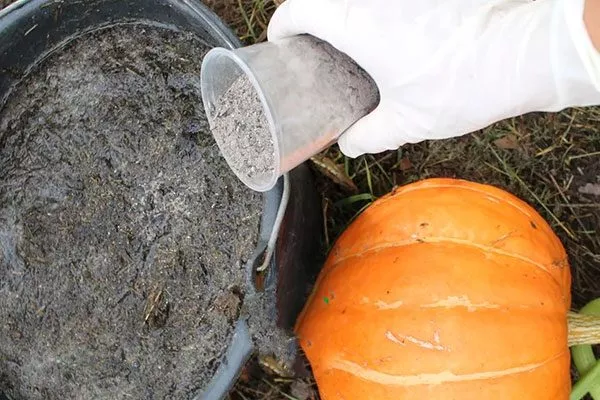
- Top dressing. To obtain a good harvest, the crop requires regular fertilization. Use nitrogen fertilizers at the beginning of the growing season, and phosphorus and potassium fertilizers during fruit formation.
Complex mineral solutions are very beneficial for plant growth and development. Organic fertilizers (compost or humus) will help improve the soil structure.

- Hilling. To stimulate root growth and increase yield, hill up your pumpkins. This will help prevent the soil from drying out and protect the roots from becoming overwatered. Hill up your pumpkins in 2-3 stages, starting when the first shoots emerge.
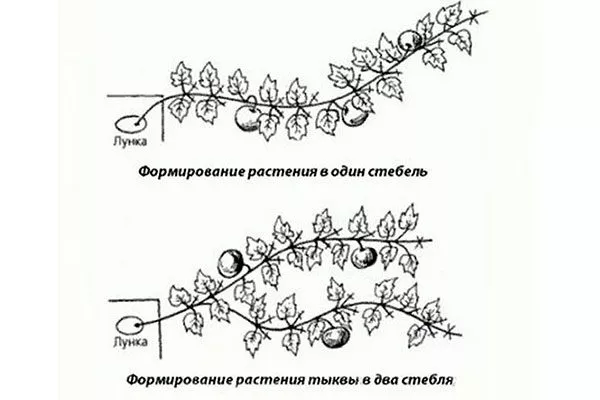
- Pinching out stepsons and shaping the bush. To improve ventilation and prevent disease, tie up the stems and remove excess shoots. This allows the plant to concentrate its energy on fruit production. Make sure the vegetables don't touch the soil to prevent rot.
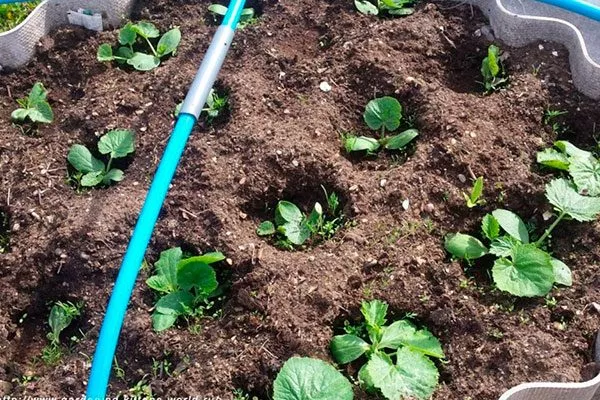
Loosening and weeding are important plant care practices. Loosening the soil improves aeration, breaks up the crust, and helps the roots access more moisture and oxygen. Weeding also removes weeds, which rob the pumpkin of nutrients and moisture.
Harvesting and storage
When the pumpkin turns a vibrant color and the stem dries out, it's fully ripe. Harvest time depends on the climate zone where it's grown. Typically, harvesting occurs in mid-September in temperate climates and early October in southern regions.
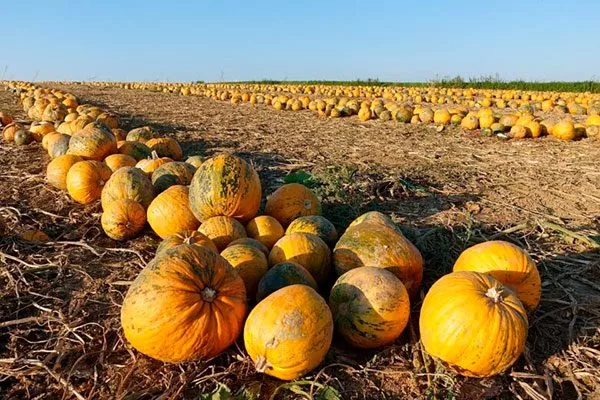
Harvest the vegetables with the stems attached. Gymnospermous pumpkins don't store for long—they last about 60 days on average, but the Styrian variety can last up to three months.
To extend the shelf life of vegetables, ensure the following conditions:
- Choose a room with limited space.
- The temperature should not be higher than +10°C.
- Air humidity is about 80%.
- Do not store vegetables directly on the ground, place them on elevated surfaces.
- Place the fruits in straw to prevent them from coming into contact with each other.
Regularly inspect pumpkins for signs of rot. If such symptoms appear, remove damaged specimens and send them for processing. Pumpkins with short stems do not store well, so it's important to take this factor into account when harvesting.
Where and how to buy Styrian pumpkin?
There are several options to help you find this unique vegetable. Choose the one that best suits your needs:
- Visiting farmers markets. They often sell fresh fruits and vegetables directly from the producers. You can find Styrian pumpkins here, and you can be sure of their quality and freshness.
- Specialized stores. Some retailers focus on exotic fruits and vegetables. These stores typically offer a wide selection, as well as a variety of packaging and sizes.
- Purchase in online stores. You can find Styrian pumpkins on various online platforms. Carefully check seller ratings and read reviews to ensure the quality of the product.
In every case, pay attention to the freshness and quality of the vegetable. It's best to choose fruits that are undamaged and of the correct shape. Don't forget to compare prices in different places to find the best deal.
Pros and cons
Styrian cabbage is widely used in cooking for a variety of dishes. Its pulp is a key ingredient in cosmetic masks due to its excellent nourishing and moisturizing properties. Due to its high choline content, the vegetable has a hepatoprotective effect, supporting liver health.
The variety has only one drawback: it is not drought-resistant.
Reviews
Styrian pumpkin is a tasty and healthy vegetable, a profitable crop to grow. Its versatility, consistent productivity, and attractive appearance make this variety an ideal choice for gardeners. To ensure a high-quality harvest, it's important to consider the plant's water requirements and provide regular care, especially during dry periods.