
The Family pumpkin got its name for a reason – it can grow to gigantic sizes, making it perfect for feeding a large family. This versatile and high-yielding variety boasts large fruits and firm, crisp flesh. It boasts excellent flavor and a rich vitamin and mineral content. This variety requires no artificial pollination.
Description of the bush and fruits
The variety was approved for use in 2017. The developers are Russian experts: Yu. A. Bykovsky, S. V. Maksimov, and N. N. Klimenko.
Main characteristics of the cultivar:
- A long-vine variety with a vigorous growth pattern, covered with large green leaves with white spots.
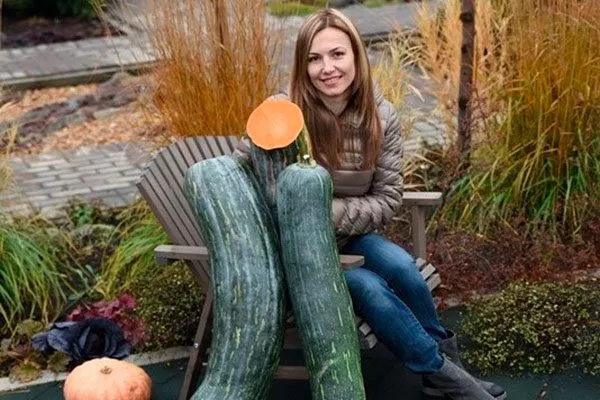
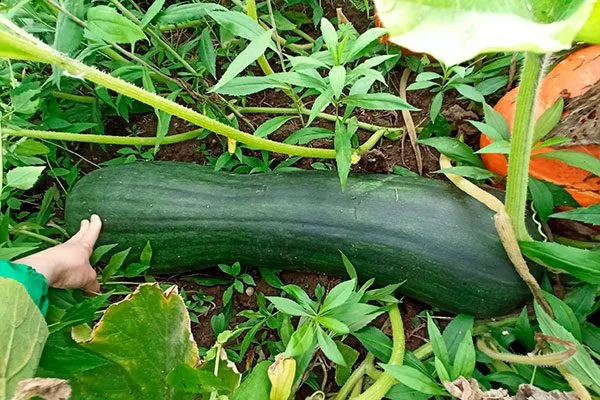
- The pumpkins are large and elongated, reaching up to 1 m in length. They are cylindrical, with a short neck and a slight curve.
- The weight of the fruits varies from 8.5 to 16 kg, and some specimens can reach 35 kg.
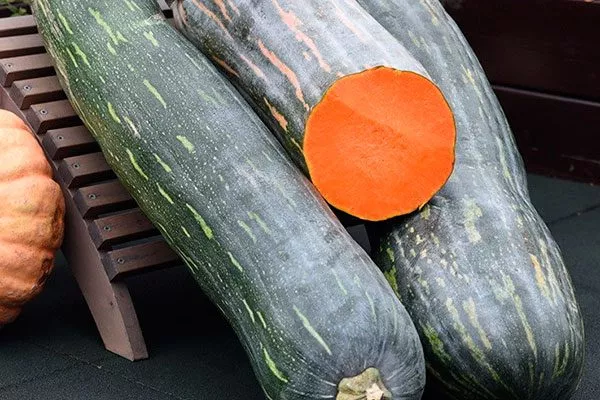
- The vegetables are large, with dark green, segmented skin and a firm texture. Inside lies juicy, bright orange flesh, dense and crisp. Within this flesh are small seed nests with loose placentas.
- The seeds are medium-sized, grey with a blue tint.
Main characteristics
It takes 130-140 days from germination to harvest, which is typical for late-ripening varieties. Harvest occurs between August and October. It's important to harvest the pumpkin only after it's fully ripe: the skin should be firm and shiny, and the stem should be dry.
On average, the Semeynaya variety yields 1.8-3.8 kg per square meter. The crop does not tolerate high humidity well, often suffering from fungal diseases and leaf mosaic. Root rot and leaf spot are also possible.
Culinary and medicinal uses
The Family Pumpkin is not only a tasty but also a healthy vegetable, widely used in both cooking and folk medicine. Its juicy, richly flavored flesh and high vitamin content make it popular among healthy eaters and traditional recipe enthusiasts.
Cooking
Ideal for a variety of culinary applications. Main uses:
- The sweet and juicy pulp is used to make purees, soups, casseroles, pies and porridges.
- It is often added to dietary dishes, as the vegetable is easily digestible and rich in fiber, which helps normalize intestinal function.
- It makes a great base for desserts, including pumpkin bread, pies, and preserves.
- The product is used to create delicious drinks and smoothies.
Pumpkin is also used to make salad fillings and added to casseroles with meat or poultry, which gives the dishes a special sweetness and aroma.
Medicine
The fruits have numerous beneficial properties and are widely used in folk medicine. Positive qualities:
- The pulp contains vitamins A, C, E and microelements (potassium, magnesium and iron), which have a beneficial effect on the cardiovascular system and strengthen the immune system.
- Juice and decoction from the seeds are useful for improving the functioning of the liver, kidneys and gastrointestinal tract.
- The seeds have antiparasitic properties and can be used to combat helminths.
- The vegetable helps normalize blood sugar levels, improve skin condition, and even reduce inflammation in the body.
Pumpkin masks and oils are widely used in cosmetology to moisturize and nourish the skin.
Growing fruit crops
Family is a highly productive variety that, with proper care, produces large, juicy vegetables. To ensure a good harvest, it's important to adhere to certain requirements. This crop requires attention at all stages of growth, from planting to care.
Soil preparation and planting
Choose a sunny location with fertile, well-drained soil. Follow these steps:
- Before planting, dig up the soil and add organic fertilizers – compost or humus.
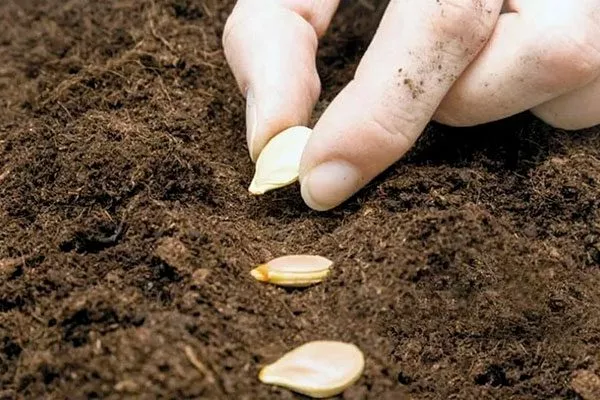
- Sow seeds in open ground when the soil temperature warms up to +15-18°C, to a depth of 3-4 cm. Planting pattern: 1.5-2 m between plants and 2.5-3 m between rows.
- ✓ The optimal soil temperature for planting Family pumpkin seeds should not be below +15°C, which is critical for their germination.
- ✓ The distance between plants should be at least 1.5 m to provide enough space for the growth of long vines.
Care and feeding
The Family Pumpkin requires regular watering, especially during active growth. Follow these recommendations:
- Moisten the bushes at the roots, avoiding water getting on the leaves.
- Maintain moderate soil moisture to prevent disease development.
- Fertilize several times per season. Use organic fertilizers two weeks after planting, then apply complex mineral fertilizers to improve fruiting.
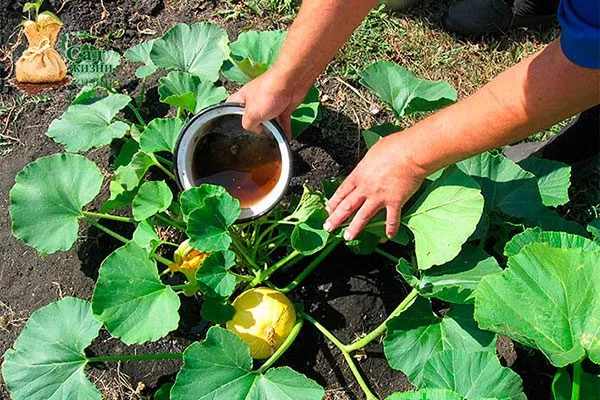
Remove excess shoots to direct the plant's energy toward the development of vegetables.
Diseases, pests
Like many other agricultural crops, heirloom tomatoes are susceptible to various diseases and insect attacks. To ensure a healthy and abundant harvest, it's important to promptly identify problems and take corrective action:
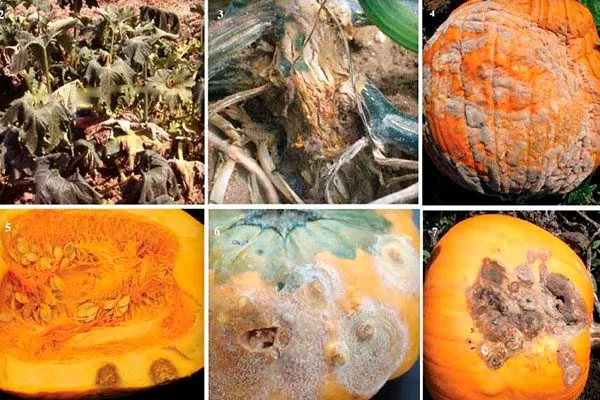
- Powdery mildew and late blight. Powdery mildew causes a white coating on leaves, which can later lead to their drying out and falling off. Late blight causes fruit and root rot, especially in high humidity conditions.
To control the disease, use fungicides such as Topaz or Previkur. Conduct preventative treatments at the beginning of the growing season and after rainfall. Remove affected parts and ventilate the greenhouse regularly. - Root rot. This fungal disease attacks the plant's roots, leading to stunted growth and wilting. The main cause is overwatering of the soil.
Ensure good drainage and moderate watering. Use biological treatments such as Trichodermin or Fitosporin. This will eliminate damaged areas. - Leaf mosaic. This viral disease manifests itself as yellow or green spots on the leaves. It weakens the plant and reduces yield.
Treat bushes to protect against pests that may carry the virus. Perform agricultural procedures promptly. - Pumpkin fly. The larvae damage the fruit by penetrating it and causing rot. The fly lays eggs on the underside of the fruit, and after the larvae hatch, they begin feeding on the internal tissues.
Set traps, treat plantings with insecticides - Fufanon or Karbofos. - Spider mite. The pest sucks the sap from the leaves, causing them to turn yellow and wilt prematurely. Mites are especially active in dry, hot weather.
Regularly spray the bushes with a soap solution or insecticides such as Actellic or Neoron. Apply during the early growing season to prevent damage. - Aphid. Insects feed on plant sap, weakening it and causing deformed leaves and shoots. These pests can also transmit various viral diseases.
To combat them, use insecticides such as Confidor or Aktara. Try folk remedies such as garlic infusion or tobacco powder.
- Apply preventative fungicide treatments at the beginning of the growing season.
- Provide good ventilation for plants, especially in greenhouses, to reduce humidity.
- Inspect plants regularly for signs of disease to ensure early detection and treatment.
To protect your family from diseases and pests, practice crop rotation, properly care for your plants, and take preventative measures such as pruning and timely watering.
Harvesting and storage
Don't delay harvesting the fruit, as there's a risk of not getting it before frost sets in. If they were picked before they were fully ripe, place them in a warm place to ripen. Store ripe pumpkins in a cool, dry place, away from frost, as this can cause rot.
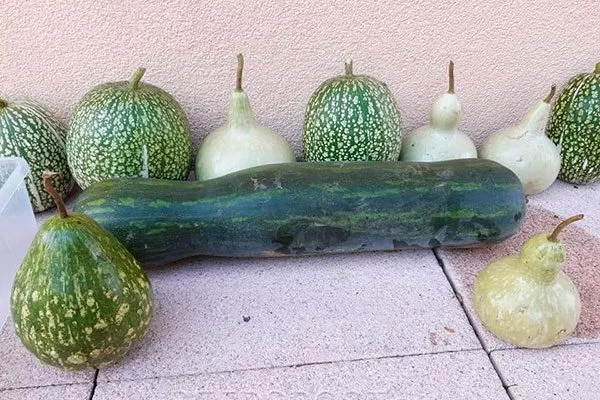
Harvest pumpkins only when they're fully ripe. This is crucial, as unripe specimens won't keep for long and may lose their flavor. Store the vegetables in a single layer on shelves or in boxes. If stored properly, they'll last up to 3 months.
Pros and cons
The Family variety is a Muscat variety and is distinguished by its small seed chamber, located at the top of the fruit. This cultivar offers many advantages:
This variety has no significant drawbacks, but it requires regular watering and ripens late. Furthermore, the plants are susceptible to fungal diseases and other infections, and seedlings need to be thinned to ensure normal growth and development.
Reviews
The Family Pumpkin is an ideal choice for those looking for a tasty and productive vegetable with versatile uses. Its large fruits boast a long shelf life and excellent flavor. With proper care, this crop will yield excellent results.