
The Pink Banana pumpkin is an ancient variety with American roots. It's said to be at least 100 years old, perhaps more. This pumpkin has unusually long, delicious fruits and a high yield, limited only by growing conditions and care.
History of creation
The Pink Banana variety was developed over a hundred years ago in America. It is believed to have been developed by American breeders. In Russia, the variety was relatively recently introduced but quickly gained popularity among gardeners. This American pumpkin is most productive in the Central Russian region.
Description of the Pink Banana Pumpkin
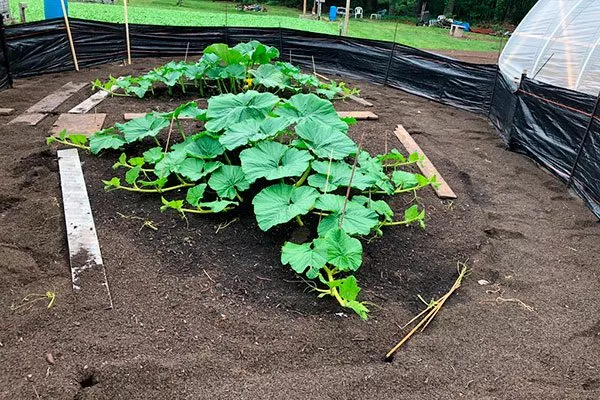
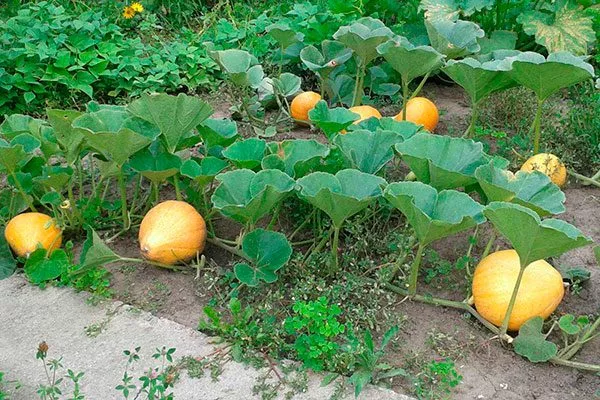
The plant is vigorous and long-vineed, reaching 2.5-3 meters in length. The leaves are large and dark green, and the root system is well developed. During flowering, the plant is very attractive, thanks to its large, bright yellow flowers with a pleasant aroma.
Under favorable growing conditions, a pumpkin bush occupies approximately 5 square meters. It climbs intensively along supports.
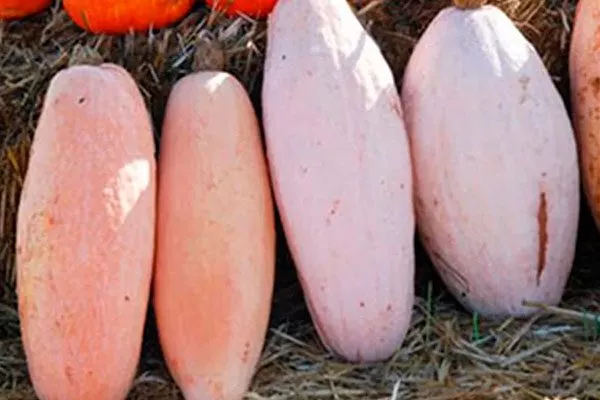
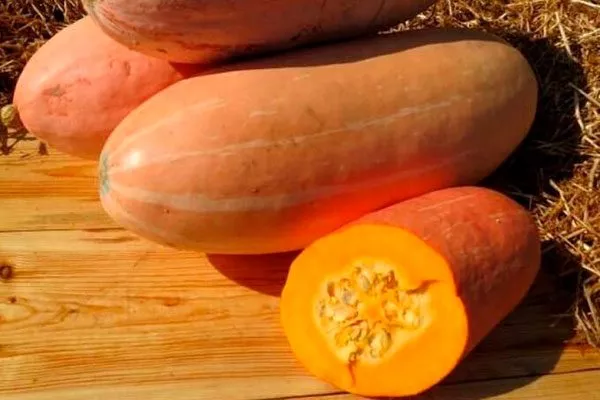
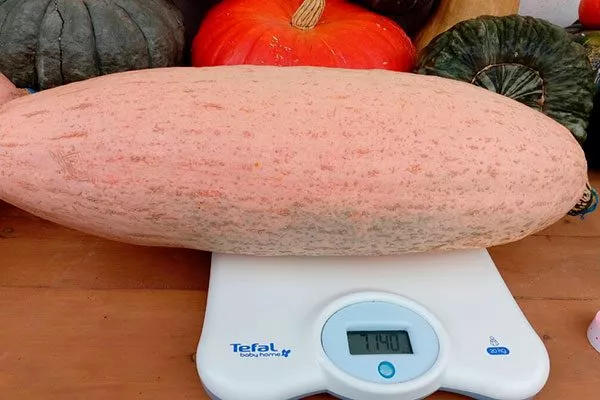
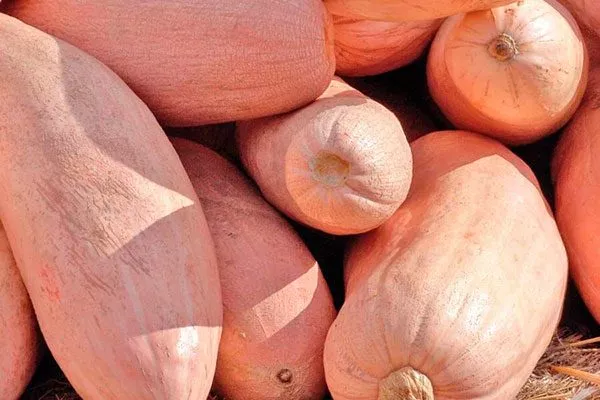
The Pink Banana variety produces gigantic fruits. They have a thin rind and thick flesh, which is certainly a favorite among pumpkin lovers.
Brief description of fruits:
- Crust color: pink with longitudinal light stripes.
- Form: spindle-shaped.
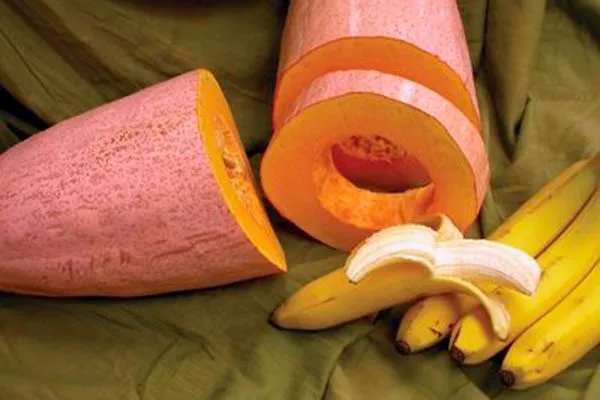
- Pulp: rich orange, dense.
- Pulp thickness: 6-7 cm.
- Weight: 5-10 kg.
Individual specimens can reach a weight of 16-18 kg.
Taste and purpose of fruits
The Pink Banana pumpkin's flesh is soft and free of tough fibers. Its flavor is sweet, with a slight nutty aftertaste. This variety is suitable for fresh consumption and all types of processing. It is widely used in home cooking, juices, and baby food.
Characteristics
The American Pink Banana pumpkin, despite its century-long history, has excellent agronomic characteristics that allow it to be grown in most regions of the country.
The characteristics of the variety include:
- Ripening periods. The Pink Banana pumpkin is a mid-season variety. From germination to harvest, the first fruits take 95-110 days.
- Productivity. This variety is highly productive. Gardeners harvest at least 15-40 kg of fruit from each plant. The maximum yield is 50-60 kg per bush.
- Immunity to diseases. American pumpkins are highly resistant to most common diseases. However, if cultivation practices are improper, plants can be susceptible to powdery mildew and various types of rot.
Pros and cons
Before planting the Pink Banana variety in your garden, it is recommended to carefully study all its characteristics and compare the advantages and disadvantages of this American pumpkin.
Landing
Pumpkins are planted directly in open ground or from seedlings. The former method is used in the south of the country, while in other regions, the seedling method is preferred.
- ✓ The optimal soil temperature for sowing Pink Banana pumpkin seeds should not be below +12°C.
- ✓ To prevent diseases, it is recommended to pre-sow seeds with a solution of potassium permanganate at a concentration of 0.5%.
Selecting a site
For planting, choose a sunny location protected from cold winds. Preferably, one with protection on the north side, such as a fence, building, or similar. The southern part of the garden is ideal.
The soil should be loose, fertile, well-drained, and moist. Non-acidic sandy loams and light loams are preferred. Optimal acidity is close to neutral, with a pH of 6.0-7.5.
Pumpkins are recommended to be planted in areas previously occupied by potatoes, onions, garlic, and peas. Zucchini, cucumbers, and all nightshade crops are considered poor predecessors for this crop. Pumpkins can also be planted in compost heaps, enriched with wood ash and superphosphate, as well as sawdust or sand for drainage.
Soil preparation
The planting site begins to be prepared in the fall. It is cleared of plant debris from the previous crop and dug to a depth of a spade. Manure or humus is added during digging, along with mineral fertilizers such as superphosphate, potassium sulfate, monopotassium phosphate, and other complex fertilizers.
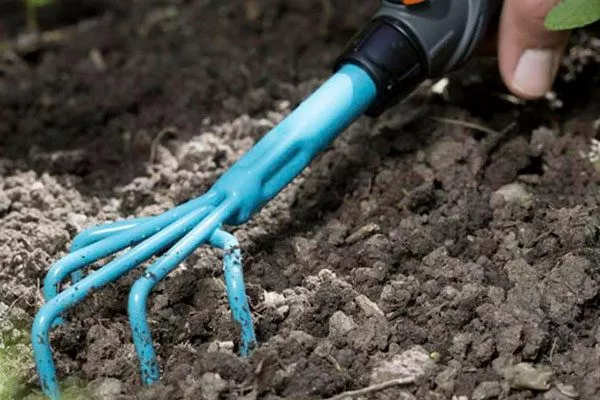
To loosen the soil, add peat or coarse sand. Wood ash is added to acidic soils. In the spring, the soil is loosened with a rake.
Sowing scheme
In the south, pumpkins are sown in the ground in mid- to late May, when stable warmth sets in and the threat of recurrent frosts has passed.
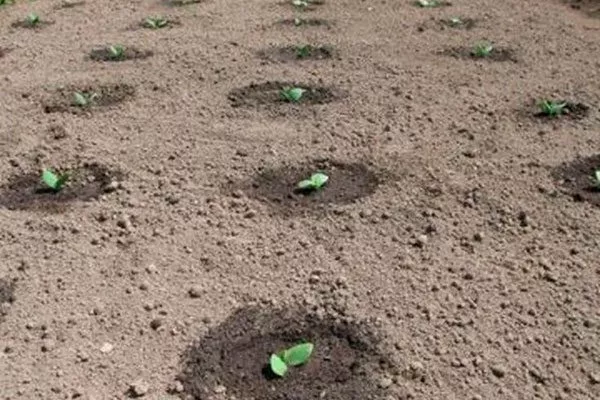
Features of sowing in the ground:
- For planting, use seeds aged 1-2 years. Two days before sowing, wrap the pumpkin seeds in a damp cloth and then in a plastic bag to allow them to swell.
- The soil at the planting site is doused with boiling water to disinfect and destroy harmful pathogens.
- The seeds are sown in pre-prepared holes. They are dug in a 100x150 cm pattern. A small amount of humus, wood ash, and mineral fertilizer is added to each hole. Then, warm, settled water is added.
- Seeds are planted to a depth of 4-6 cm. When sowing in light soils, the seeds are planted deeper. They are planted with the pointed ends down.
Even in the south, despite the established warmth, it is recommended to cover crops with film until the shoots appear, since the risk of sudden frosts here, although unlikely, is not excluded.
Growing using seedlings
Seeds for seedlings are sown in April. They are prepared for planting: sorted, disinfected, warmed and hardened, treated with growth stimulants, and then germinated for two days.
Features of growing seedlings:
- Sow seedlings in pots, cups, any plastic containers, special containers, cassettes, and peat pots. It's best to sow seeds directly into individual containers, as pumpkin seedlings don't transplant well.
- Fill the planting container with store-bought potting soil—available at agricultural supply stores—or with a homemade soil mix. For example, use 4 parts garden soil, 1 part each of humus, sawdust, and river sand. Mix all ingredients thoroughly and water with a potassium permanganate solution.
- If seedlings are grown in large containers, a layer of expanded clay should be placed on the bottom for drainage.
- Sow the seeds at a depth of 2-3 cm. Place two seeds in each pot. When seedlings emerge, select the strongest seedling.
It takes about 20 days for the seedlings to grow. During this time, they are provided with light for 12-16 hours a day and regularly watered, keeping the soil slightly moist. Water the seedlings frequently, but sparingly, to prevent the soil from becoming soggy. Fertilize the seedlings by adding a solution of ammonium phosphate or urea (15 g per 10 liters of water) when two true leaves form.
To help seedlings adapt to their new location more quickly and efficiently, they are hardened off a week before transplanting. They are taken outside daily and kept there, gradually increasing the time spent there—from half an hour to 6-8 hours.
Plant the seedlings when they have 4-5 true leaves. Transplanting should be done with extreme care, as pumpkins have very fragile roots. Even minor damage can cause the plants to take root poorly, become diseased, and produce little fruit.
Features of planting seedlings:
- Dig holes for seedlings using the same method as for sowing in the ground. However, they should be larger, allowing the roots and soil to fit comfortably within the hole.
- Planting is done on a cloudy day or in the evening to prevent the young plants from being damaged by the scorching sun. The seedlings are placed vertically in the holes, the empty space is filled with soil, compacted, and watered with warm, settled water.
- It's recommended to keep the plants under plastic film for the first two weeks. This protects the plants from the sun during the day and from cold and sudden temperature changes at night.
Care Features
The Pink Banana pumpkin is easy to grow and requires little care. Even without proper care, it can produce a harvest of some sort. And with proper care, you can be sure of the quantity and quality of the fruit you'll get.
Watering and loosening
The Pink Banana variety loves water. Its roots are extensive and strong, so it needs to be watered frequently. At least once every 4-6 days, depending on the weather and soil conditions. Watering is especially important for the American variety during the flowering and fruiting periods. The water used should not be colder than 20°C.
Top dressing
Pumpkin bushes are fed alternately with mineral and organic fertilizers. Manure, chicken manure, etc. can also be used. During flowering, apply a solution of potassium sulfate, superphosphate, and ammophoska (20 g each per 10 liters of water).
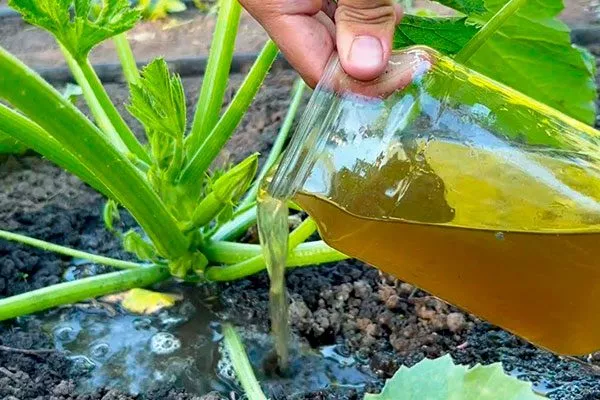
During fruiting, pumpkins are fed with superphosphate and potassium sulfate (15 g per 10 liters of water). Wood ash is considered a good fertilizer for pumpkins; it not only improves the quality of the harvest but also protects the plants from insect pests.
Formation
To ensure a good harvest, it's recommended to train the plants into 2 or 3 vines. Leave 1-2 ovaries on each vine, and pluck off the rest. Pinch off the tips of the vines, leaving 3-4 leaves on each.
Diseases and pests
The Pink Banana variety has fairly good immunity, but it is not immune to disease. If a powdery coating—a sign of powdery mildew—appears, spray the bushes with a solution of soda ash, copper sulfate, or colloidal sulfur. Plants can also be affected by root rot, which can be controlled with biological fungicides such as Alirin-B, Gamair, and Gliocladin.
If agricultural practices are improper or preventative measures are not taken, the variety can be susceptible to aphids and spider mites. It's important to promptly remove all weeds and spray the plants with an infusion of tobacco leaves or onion peels. Whiteflies, wireworms, and slugs can also attack the plants. In addition to folk remedies, effective biological products such as Fitoverm and Actofit can be used against pests.
Harvesting
Harvesting takes place in dry weather. The fruits are picked with the stems attached, leaving the 4-5 cm long "tails." If harvesting occurs in the rain, the pumpkins are dried in a warm room. To ensure long shelf life, the fruits should be picked when fully ripe.
- ✓ The relative humidity in the room where pumpkins are stored should be 75-80%.
- ✓ To prevent the development of fungal diseases, ensure good ventilation of the room.
Pumpkins must be harvested before frost, as frozen fruit will rot and will not keep. Store at temperatures between 5 and 15°C in dry, well-ventilated areas, such as balconies, garages, or sheds. For long-term storage, place pumpkins in wooden slatted trays, spacing them 15-20 cm apart.
Reviews
The Pink Banana pumpkin is a unique variety that combines remarkable flavor and a distinctive fruit appearance, making it a favorite among gardeners seeking unusual and exotic varieties. This American pumpkin boasts consistent yields and is easy to care for.