
Lantern is a variety with a vibrant flavor and excellent yield. It is characterized by good disease resistance and low maintenance. Large pumpkins have an attractive appearance and firm flesh, making them ideal for a variety of culinary uses, from juices to casseroles. This vegetable will delight even the most demanding gardeners with its consistent results.
Description of the bush and fruits
The variety was registered in 2011. It was developed by specialists from Agrofirma Poisk LLC and the Federal Scientific Center for Vegetable Growing: Nikolay Nikolaevich Klimenko, Sergey Vasilyevich Maksimov, and Lyubov Aleksandrovna Chistyakova.
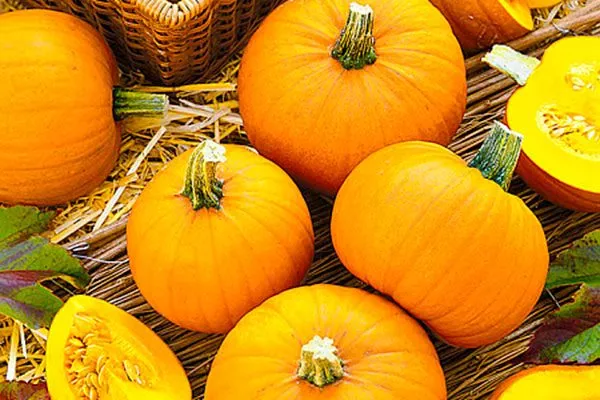
The long-vine variety has solid green leaves and other distinctive characteristics:
- The vegetables have a flat, round shape, a smooth, pattern-free surface, and weigh between 5.1 and 6.5 kg, making them suitable for both culinary and decorative use.
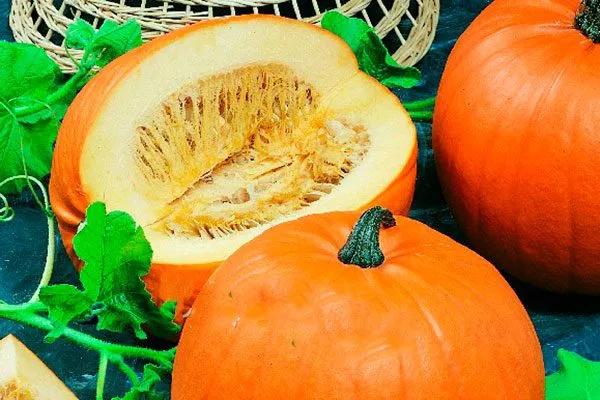
- Moderate segmentation and a medium-sized seed pit create a neat appearance.
- The large, white, elliptical seeds are easily removed and can be reused.
- The pulp is dense, juicy, bright yellow in color with a pleasant sweet taste.
- This variety is perfect for fresh consumption and for preparing a variety of dishes: creamy soups, casseroles, salads, and desserts. Thanks to its texture and flavor, this pumpkin is excellent for juice production.
Main characteristics
This mid-season variety has a growing season of 100-120 days. The fruits begin to ripen in mid-autumn, so it's important to harvest them before the first frost. The average yield of this variety ranges from 152 to 439 centners per hectare.

The vegetables are resistant to mechanical damage, making them suitable for long-distance transportation. The variety has high resistance to most common diseases, including powdery mildew and fusarium. It is rarely attacked by insect pests.
Landing
Lantern is an easy-to-grow variety, ideal for both open ground and greenhouse cultivation. To ensure a bountiful and high-quality harvest, it's important to follow all planting steps, from soil preparation to transplanting the seedlings.
- ✓ The optimal soil temperature for planting Lantern pumpkin seeds should not be below +12°C.
- ✓ The distance between plants when planting should be at least 150 cm to ensure sufficient space for growth.
Requirements and preparation
To successfully grow pumpkins, it's important to select the right site. Key requirements:
- The variety prefers sunny and well-ventilated places, protected from strong winds.
- The soil should be fertile, light and well-drained.
- The best predecessors are legumes, root crops or cabbage.
- Start preparing the site in the fall: dig up the soil, remove weeds and add organic matter (rotted manure or compost - 6-8 kg per 1 sq. m).
Sowing and growing seedlings
To speed up the growth process, Lantern pumpkins are grown from seedlings. Helpful tips:
- Pre-soak the seeds in warm water for 10-12 hours, then harden them by alternating between hot and cold water.
- Sow the seeds in April: deepen them 3-4 cm in peat pots filled with a light nutrient mixture of humus, peat and sand (2:1:1).
- Place the containers in a warm place with a temperature of +25°C.
- After the seedlings appear (on the 5th-7th day), reduce the temperature to +18-20°C to avoid stretching the sprouts.
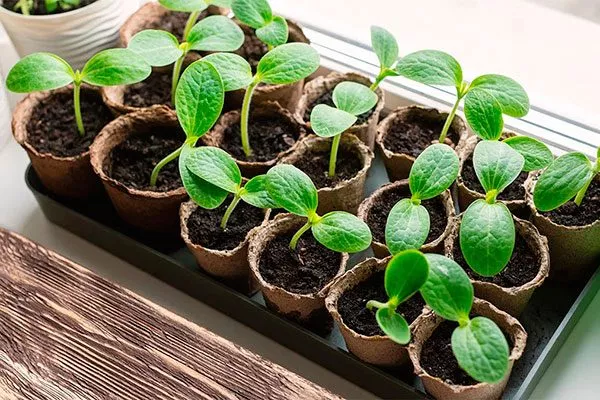
Seedlings need 12-14 hours of light, so it is recommended to use supplementary lighting lamps.
Soil preparation and replanting
Transplant seedlings to their permanent location 20-25 days after sowing, when the danger of frost has passed and the soil has warmed to 12-14°C. Follow these steps:
- Dig over and loosen the beds thoroughly.
- Dig holes, arranging them in a 150x100 cm pattern, adding a handful of humus or compost mixed with soil to each.
- Plant the seedlings together with the peat pot so as not to damage the roots, and cover with soil so that the cotyledon leaves remain above the surface.
- After replanting, water the plant with warm, settled water.
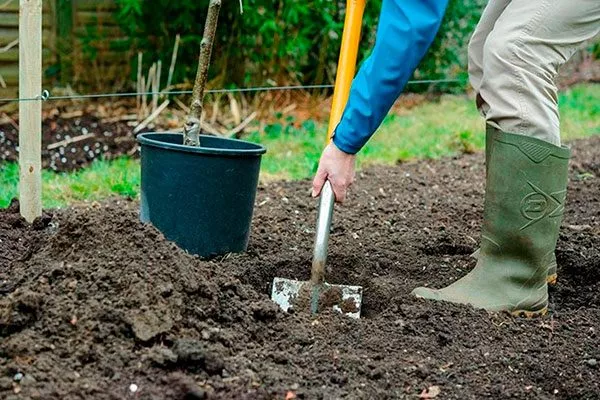
To protect against possible cold snaps, cover the plantings with agrofibre or film until they take root.
Care
Caring for pumpkins is key to achieving a bountiful and high-quality harvest. The plant requires regular watering, especially during the formation period, as a lack of moisture can lead to deformities. A number of other agricultural practices are also important.
Watering and shaping
Train the bush into one or two stems, removing all unnecessary side shoots. Once three ovaries appear on a vine, pinch it back. This training method allows the plant to focus all its resources on fruit growth and development, rather than on excess green mass. This promotes larger pumpkins.
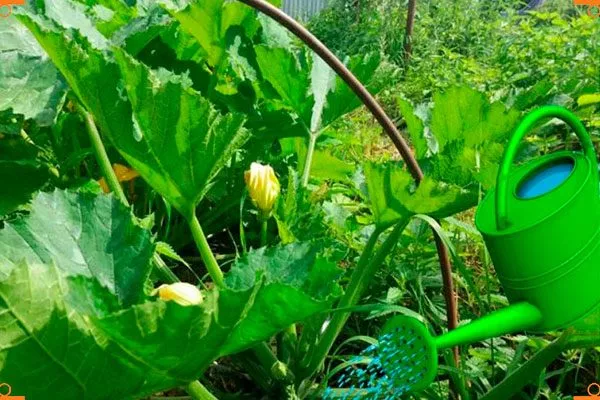
Water the crop around the perimeter of the bed. To do this, create a shallow trench along the edge of the plantings and pour water or nutrient solution into it. The plant's roots will be drawn toward the water source, actively growing and strengthening the bush.
Loosening the soil and removing weeds ensures oxygen reaches the roots. You can also use mulch to retain soil moisture and prevent weed growth.
Fertilizing, cleaning and storage
Combine watering and fertilizing. Repeat every 10 days. Apply the first fertilizer when the plant has 3-5 true leaves, and the second when shoots begin to form. Apply all subsequent fertilizers at 10-day intervals.
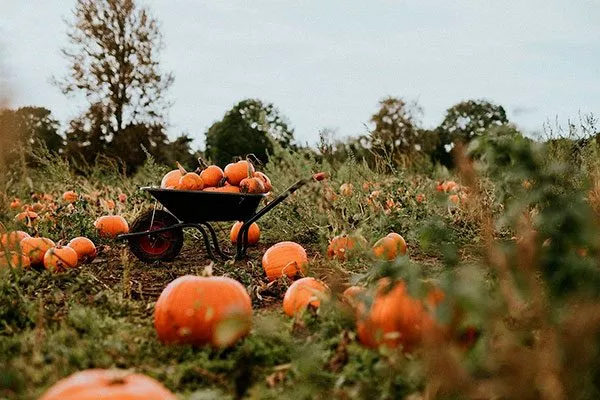
- The first feeding should be carried out in the phase of 3-5 true leaves, using organic fertilizers.
- The second feeding should be carried out at the beginning of the formation of shoots, using mineral fertilizers.
- Subsequent fertilizing should be carried out every 10 days, alternating organic and mineral fertilizers.
In June, apply organic fertilizer using mullein or slurry diluted with water at a ratio of 1:10. Starting in July, switch to mineral fertilizers. Apply four additional applications during this period:
- 40 g of ammonium sulfate per 10 l of water.
- 40 g of potassium sulfate per 10 liters of water.
- 20 g of potassium monophosphate per 10 liters of water.
- mineral complex, for example, Agricola, Zdraven Turbo according to the instructions.
After fertilizing, be sure to moisten the bush and rinse the leaves with water to avoid burning. Adequate potassium and phosphorus improve the taste and quality of the fruit.
Spray the plant with a urea solution (1 teaspoon per 10 liters of water) every two weeks. To improve the shelf life of the fruit, apply a foliar fertilizer of calcium nitrate (1 tablespoon per 10 liters of water) once a month.
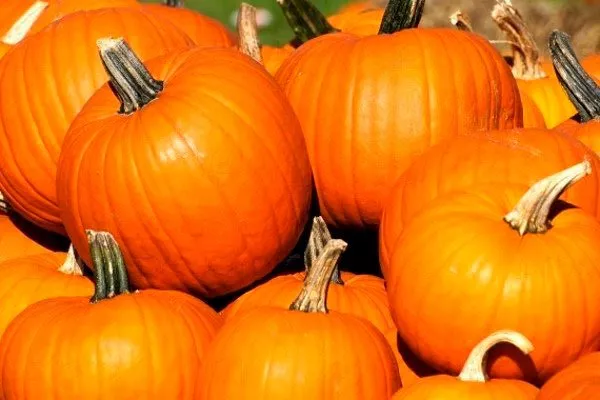
The vegetables ripen in 100-120 days. Harvest them by mid-September, before the first frost. They can be stored in basements or cellars until spring, looking as fresh as if they were just picked from the garden. At home, pumpkins can be stored until the New Year.
Pros and cons
Before you begin growing a plant, carefully study its characteristics, advantages, and disadvantages. The lantern variety has many positive qualities:
Among the disadvantages of the crop, some gardeners note a long ripening period, demanding nutritious soil, the need for regular watering, sensitivity to lack of light, a tendency to overgrow if not harvested in a timely manner, and the need for plant shaping.
Reviews
The Lantern pumpkin is perfect for gardeners who value high productivity and excellent taste. Its fruits delight not only with their appearance but also with a long shelf life. Proper care and adherence to agricultural practices guarantee excellent results. This variety is ideal for growing even in small plots.