
Watering is an important step in growing pumpkins. The plant requires adequate moisture. The amount and frequency of watering depend on the plant's growth and development stage and weather conditions. It's important to use the right water. There are several ways to water the plant.
General rules for watering
Watering affects the overall growth and development of the crop. A bountiful and high-quality harvest can be achieved by watering your pumpkin according to the following guidelines:
- Watering should be done after 18:00, when the sun's activity decreases.
- Do not use ice or cold water.
- Remove weeds weekly before watering, and remove any debris immediately. Weeds rob pumpkins of moisture and nutrients.
- Before watering, loosen the soil slightly, going about 10 cm deep. Loosening allows moisture to penetrate to the roots and prevents it from stagnating.
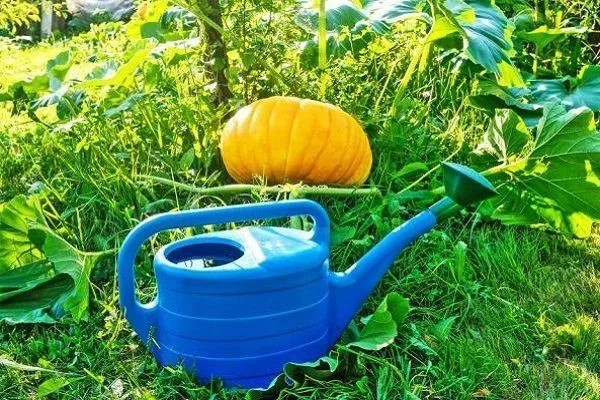
- To water young sprouts, use a watering can with a fine nozzle and water in small portions.
- Don't water the pumpkin at the roots. This will cause the soil to wash away.
- Water the grown crop infrequently, but in large portions.
Watering pumpkins at different stages of growth
Pumpkin's moisture requirements vary depending on the plant's growth and development phase, as well as weather conditions. It's important to consider these factors and adjust the intensity and frequency of watering appropriately.
Watering after planting
Immediately after planting pumpkins in the garden, water them 1-2 times a week. 8-10 liters of water per plant is sufficient.
When the first shoots appear, stop watering. No watering is needed for three weeks, except on hot days. This interruption in watering stimulates active root formation and growth.
The situation changes when the ovaries begin to form. During this period, the pumpkin is watered once every 1.5 weeks.
Watering during flowering
This phase is especially important for the crop, as the future harvest depends heavily on it. Pumpkins are particularly sensitive during this period, requiring extra attention. They need to be watered generously once every two weeks. Weeding and loosening the soil are essential, and excess fruit should be removed.
When watering pumpkins during flowering, consider the soil conditions. If the soil hasn't dried out yet, don't water it yet. Overwatering is dangerous.
If heavy rains begin while the pumpkin is blooming, watering may not be necessary. Additional watering is only necessary when the soil has time to dry out. It is recommended to add compost before watering.
Watering during fruit formation
As fruit forms and grows, the plant uses more water. During this period, watering should be increased, every 1.5 weeks. During drought conditions, watering should be more frequent.
During fruit formation, it is recommended to use 12 liters of water per bush. During drought, avoid increasing the amount of water, but water more frequently.
Watering on dry days
During drought, moisture is especially important for pumpkins. Without it, vital processes slow down, and the plant may die. Increase watering intensity, and regularly inspect the plantings.
Signs of lack of moisture are as follows:
- wilting of greenery;
- stems drooping to the ground, wilting and a dehydrated appearance;
- drying out of the top layer of soil, the appearance of cracks on the surface - the deeper they are, the greater the lack of moisture.
During dry periods, watering every other day is recommended. The sun is especially strong at this time, so it's important to water only in the evening.
Watering during rainy season
During rainy weather, consider the soil condition and the amount of precipitation. If rainfall is heavy, watering should be temporarily suspended. Resume watering when the soil dries out.
If rainfall is short and temperatures are high, water the pumpkin as the soil dries. It's important to water the top 20-30 cm of soil, not just the surface.
Watering pumpkins in August-September
Watering requirements during this period depend on the harvest time. Harvesting practices vary by region, but the general rule is to stop watering completely a month beforehand. Fertilizer use is also stopped at this time, and crop care is reduced to weeding and hoeing.
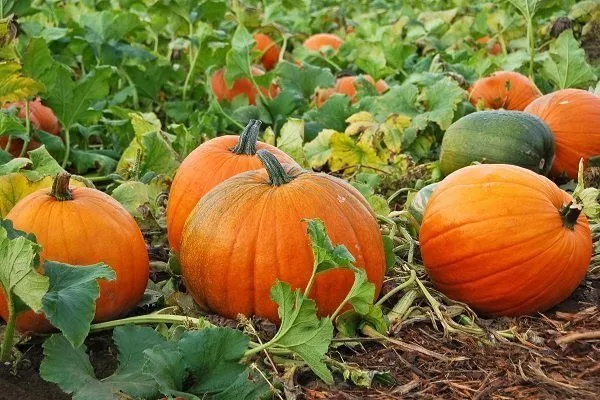
In early August, pumpkins should be watered as usual. Once the fruit has fully formed, the plant no longer requires much moisture. Watering should be infrequent, depending on soil conditions. Reducing watering during this period is necessary to allow the fruit to accumulate sugar and develop a strong crust for winter storage.
Water requirements
When watering pumpkins, it's important not only to water them correctly, but also to water them properly. The following options are available:
- RainwaterThis is the optimal option, in part due to its softness. Rainwater should be collected in clean containers using drains. Rainwater should not be used if the site is located near hazardous industries or other polluting factors.
- Water from the tapThis option is convenient, but the correct temperature is rarely maintained. It is recommended to fill large containers with tap water and let it warm up in the sun.
- Spring waterIts advantage lies in its good composition, but its disadvantage lies in its temperature. Spring water can only be used after warming it, which is achieved by leaving it in the sun.
- Water from natural reservoirsThe source must be sufficiently clean. It is recommended to first check the chemical composition of the water, as it may contain pathogenic bacteria and fungi.
- ✓ Check the pH of the water, the optimal range for pumpkin is 6.0-6.8.
- ✓ Avoid water with high salt content, as this can lead to the accumulation of toxins in the soil.
It is recommended to water pumpkins only with settled water. Foreign particles settle, and the presence of toxic substances can be detected by the film that forms on the surface.
Pumpkin water should be at the right temperature. 20 degrees Celsius is ideal. The water should be clean and free of debris. Don't let it sit for too long, as this can cause flowering and the development of pathogens.
Watering methods
There are different ways to water pumpkins. When choosing, consider the size of the planting area.
Manual watering
The most labor-intensive option involves using a watering can or hose and a special nozzle. You can't water young seedlings without one.
When watering with a hose, avoid using a strong pressure; use a sprayer. The water should be sprayed directly onto the plantings.
Hand watering is practical for small areas. For pumpkins, it's best to use a watering can, as direct watering with a hose can result in the water being at the wrong temperature.
Automatic watering
This option involves installing special sprinklers in the area. They turn on and off automatically at regular intervals. This is accomplished using a special timer that must be adjusted.
Automatic watering is very simple and saves significant time and effort. The downside of this option is that the water may be too cold. Depending on the crop's growth stage and the weather, the timer setting needs to be adjusted.
Modern automatic irrigation systems can be equipped with special sensors that sense humidity levels. In this case, irrigation intensity is regulated automatically. Such systems are expensive, but for large areas, the cost is well worth it.
An automatic irrigation system requires an electrical network. Frequent power surges pose a high risk of failure.
Drip irrigation
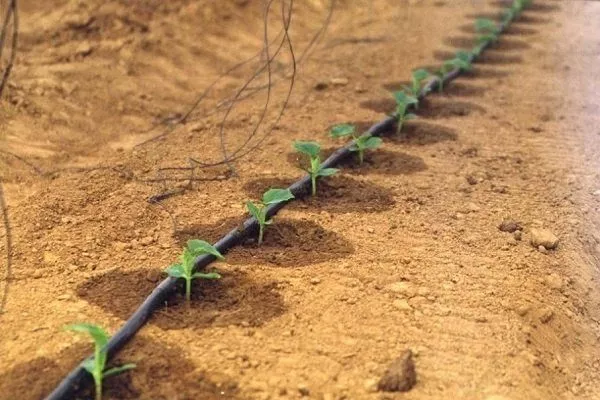
This method is also called semi-automatic. It's easy to set up such a system yourself. You can use tubes or a hose. The chosen system should be installed along the garden bed, with holes drilled through it to deliver pressurized water to the desired locations.
With semi-automatic irrigation, it's important to properly perforate the pipes or hose. Water must flow to the root system. Valves must be installed to regulate the flow of water.
A drip irrigation system can be used at any stage of pumpkin growing. The downside of this option is the risk of surface runoff. Buying a ready-made drip system will require significant investment and time-consuming installation.
Drip irrigation is recommended during the pumpkin flowering period. This ensures the soil is well-moistened, preventing crusting, and preventing erosion of the fertile soil layer.
- ✓ Make sure the holes in the hose are pointing directly to the root zone of each plant.
- ✓ Regularly check the system for blockages that may interfere with uniform watering.
Rain method
This option is impractical, as relying solely on precipitation is unfeasible. During prolonged drought, additional watering is necessary.
Rainwater irrigation is convenient for those whose plots are remote or lack nearby water sources. It is recommended to combine this method with manual watering. Water for manual watering can be obtained by installing several large containers and arranging for rainwater drainage.
Hole irrigation
This method is also called cup or ring irrigation. This method involves making a hole around each plant into which water is poured.
With hole irrigation, water consumption is reduced, while the crop's root system receives ample moisture. Each plant receives its own portion of water. The main drawback of this method is the time required.
The holes should be shallow and filled with loose soil. Mulch should be used.
It is recommended to resort to hole irrigation after the growing season, when the growth and development of the pumpkin ceases.
Furrow irrigation
Gravity-fed surface irrigation. It's best used on sloping plots. The advantage of this method is that it can be used at any stage of pumpkin cultivation. The disadvantage of furrow irrigation is its high water consumption, with plants receiving only a portion of the water.
Wick watering
This option is suitable for those who can't visit their gardens often. A wick irrigation system involves installing two containers at the ends of the garden bed, into which water is added. A wick is placed between them and driven into the ground. Thick fabric works well for this purpose.
Wick irrigation can be used at any stage of pumpkin growing. The advantage of this system is that water is delivered directly to the plant's roots. The disadvantage of wick irrigation is the inability to control soil moisture levels.
Common mistakes when watering pumpkins
When watering pumpkins, you can make the following mistakes:
- The water is too coldThis type of watering significantly increases the risk of developing fungal diseases.
- Watering in the morning or afternoonWater remains on the leaves, and the sun actively evaporates it, causing burns, which can lead to plant death. Watering early in the morning doesn't help, as the pumpkin is overwatered, not allowing all the moisture to be absorbed.
- Continue watering in the first weeks after germinationA break is needed to strengthen the root system and allow the bush to grow properly.
- Insufficient or excess moistureBoth options negatively affect the growth and development of the pumpkin and can lead to its death.
- Using dirty waterIn this case, the risk of fungal infections increases, which can result in the loss of the entire crop.
- Watering at the roots with strong pressureThis leads to soil leaching, which damages the root system. The roots become loosely anchored in the soil, and the plant may die. This type of watering can expose the roots, which can lead to disease.
- Lack of regular looseningIn this case, moisture will not reach the roots of the crop in the required volume, remaining in the surface layer of the soil.
Proper pumpkin watering ensures a bountiful and high-quality harvest. It's important to recognize common mistakes to avoid them in your garden. Watering methods should be chosen individually – each option has its advantages and disadvantages, and combining different methods is effective.