
The Plyushka pumpkin is an early-ripening variety with excellent characteristics. It delights gardeners with its high productivity, attractive fruits, and excellent taste. This variety is ideal for both fresh cooking and canning, and its compact plants fit easily into any garden.
Description of the bush and fruits
The crop was developed by agronomists S. F. Gavrish and M. I. Kirillov as part of the GAVRISH Breeding Firm LLC. It was included in the register in 2018 and quickly gained popularity due to its high yield and versatility.
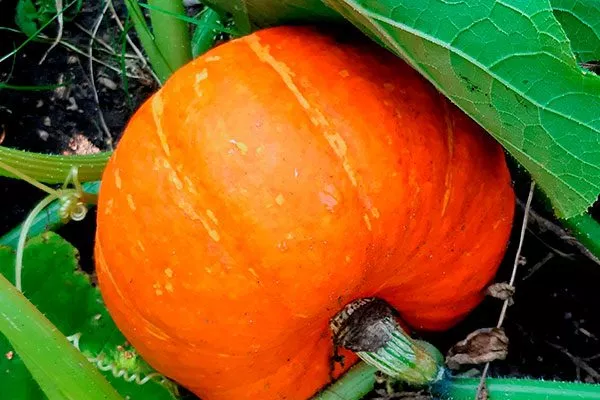
Distinctive features:
- Plant - climbing, with shoots up to 1 m long, which requires sufficient space in the garden bed.
- Leaves - The pods are solid and green, giving the bush a decorative appearance. It produces 2 to 3 fruits, making it a productive variety.
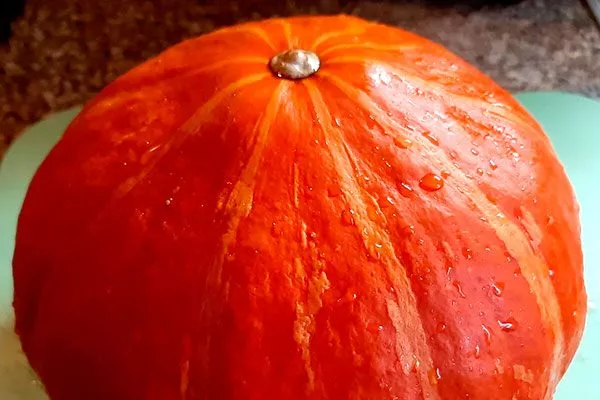
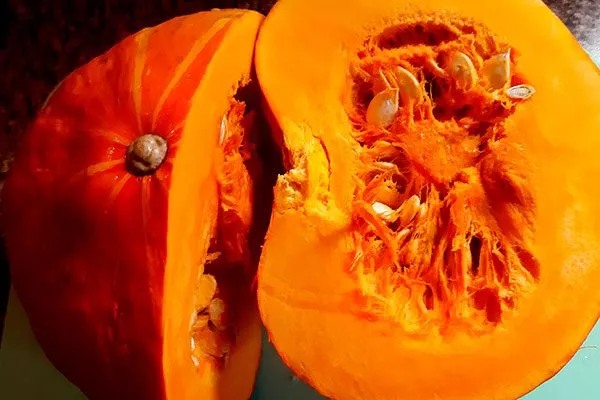
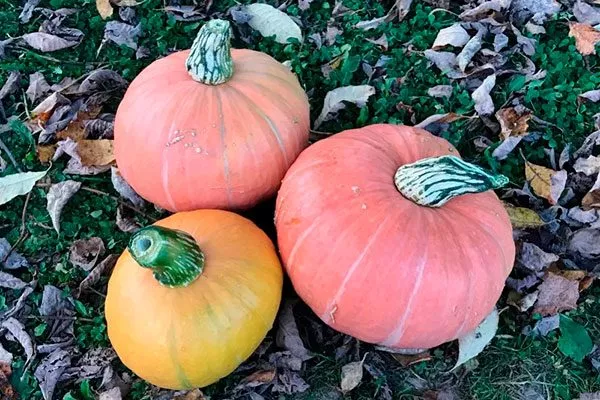
- Fruits – They have a flattened, round shape and weigh between 1 and 2 kg. Their smooth surface and thin skin make them easy to handle and prepare. Their orange color is adorned with creamy stripes and spots, making them attractive at market. The flesh is bright orange, dense, crisp, and juicy.
Main characteristics
The bun has excellent taste. Packed with vitamins and nutrients, it's ideal for culinary use. It's used in both fresh salads and processed dishes, including soups and casseroles.
Features of the culture:
- This versatile variety is suitable for both home use and commercial sales due to its high commercial qualities. Its attractive appearance with creamy stripes makes it popular among buyers.
- The vegetables are used for winter preparations – the dense flesh retains its crisp texture well after freezing or canning.
- It is an early-ripening variety – from germination to harvest it takes only 83-95 days.
- Pumpkin is highly productive – on average, 5-6 kg can be obtained from 1 square meter.

Growing and care
Growing this crop doesn't require any special skills or experience—even beginners can handle it. The key is to follow certain rules and heed the advice of gardeners who have been growing vegetables for a long time.
Requirements
Plyushka is a crop that requires careful attention to growing conditions to ensure a high, high-quality harvest. Monitor the following indicators:
- Illumination. Pumpkins are sun-loving plants, so insufficient light can reduce the sugar content of the fruit and reduce productivity. They perform best when planted in sunny areas, but in hot, arid regions, they can also grow in partial shade.
- Soil. For growing bushes, choose beds with fertile, well-aerated soil. Loose sandy loams, light loams, and chernozems rich in organic matter are preferred. It also grows well in compost heaps.
The ideal soil pH is neutral, ranging from 6 to 7.5. In areas with close groundwater levels, create raised beds. - Temperature conditions. This heat-loving plant is sensitive to cold, especially in the early stages. For normal root development, optimal soil conditions should be between 18 and 23°C. At lower temperatures, the roots become weak and shallow.
- ✓ Optimum soil temperature for seed germination: +18…+23°C.
- ✓ Required daylight hours for seedlings: at least 12-14 hours.
For good growth of the bush, the air temperature should be in the range of +20…+30°C.
Soil preparation, sowing seeds and hardening
Prepare the planting site in the fall. This includes:
- digging the beds to a depth of 25-30 cm;
- adding ingredients per 1 sq. m: humus or compost (5-6 kg), superphosphate (30 g) and wood ash (200 g);
- pre-planting loosening of the soil in spring with the addition of nitrogen fertilizers (10-15 g of urea per 1 sq. m) and abundant watering.
To make the plants cold-resistant, harden them off: soak them in warm water (25…30°C) for 6-8 hours, wrap them in a damp cloth, and refrigerate at 2…5°C for 23 days. The seeds are ready for planting when they swell and sprout.
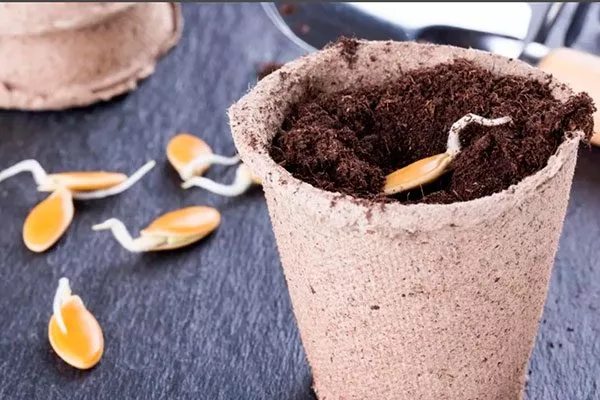
To grow seedlings, use individual containers with a minimum capacity of 500 ml (peat pots, plastic cups, or cassettes). Then follow these recommendations:
- Prepare a mixture of garden soil, humus and sand (2:1:1), add wood ash (20 g per 1 kg of soil).
- Place the seeds 3-4 cm deep, laying them sideways. Lightly moisten the beds with a spray bottle.
- Maintain a temperature of 25 to 27°C until germination, then 20 to 22°C during the day and 16 to 18°C at night. Lighting should be provided for at least 12 to 14 hours. Use phytolamps if necessary.
- 10 days after the seedlings emerge, feed the seedlings with an infusion of wood ash or a weak solution of complex fertilizer.
- 7-10 days before planting, harden the seedlings by gradually lowering the temperature and taking them out into the fresh air.
Water the seedlings moderately, avoiding stagnant water. After 3-4 weeks, when 2-3 true leaves appear, transplant the plants into open ground.
Transplanting
To successfully plant seedlings in your garden beds, carefully prepare them and follow the step-by-step planting process. Follow these recommendations:
- Avoid areas where pumpkins or other cucurbits (squash, cucumbers, watermelons) were previously grown. Plant after garlic, beans, peas, cabbage, potatoes, onions, beans, or green manure.
- Before planting, dig the soil to a depth of 20-30 cm, remove weeds, and enrich it with organic fertilizers such as humus or compost.
- Before planting, add complex minerals or ash to the soil. This will provide the plants with essential micronutrients.
- In the prepared area, dig holes 30-40 cm in diameter and 10-15 cm deep. The distance between them should be 80-100 cm, as pumpkin requires a lot of space to grow.
- Plant seedlings when the soil at a depth of 10 cm warms up to +18°C, and the danger of night frosts has passed.
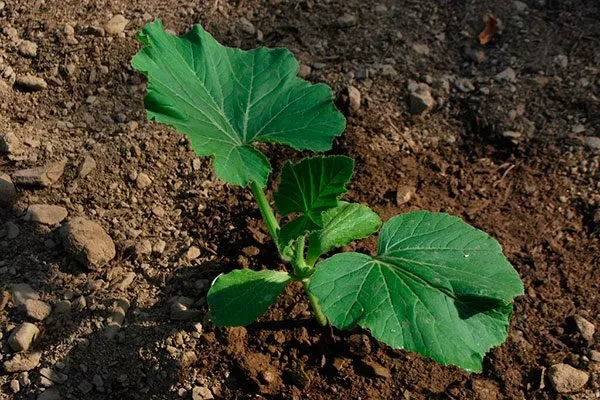
Place 1-2 seedlings in each hole, carefully spreading out the roots. Fill the holes with soil, tamp lightly, and water.
Care activities
Caring for pumpkins involves regularly following several important agricultural practices. Follow these simple procedures:
- Watering. Provide ample and frequent watering, especially during active growth and fruit formation. Avoid overwatering. Water once a week, or more frequently in hot and dry weather, up to 2-3 times every 7 days. Apply water to the roots, avoiding contact with the leaves and fruit.
Use warm, settled liquid (20-22°C). Reduce the frequency during the fruiting period to avoid causing the vegetables to rot.
- Top dressing. The plant requires adequate nutrition to develop and form large specimens. Fertilize in several stages:
- h2-3 weeks after planting the seedlings in the ground – a solution of an organic mixture, for example, an infusion of mullein, bird droppings, or a complex mineral substance;
- Towhen plants begin to grow actively and form vines – potassium-phosphorus compositions to improve fruit set;
- during flowering and fruiting – complex mineral fertilizer or dissolved wood ash (helps strengthen the root system).
- Mulching. This procedure helps maintain optimal soil moisture and temperature and reduces weeds. Cover the soil around the bushes with straw, hay, humus, or peat. The mulch layer should be 5-7 cm thick.
- Weeding. To ensure healthy pumpkin growth, regularly remove weeds that can shade the plants and compete for nutrients. Weed by hand or with a cultivator, carefully digging up the weeds.
- Loosening. Loosening the soil improves aeration and prevents crusting on the surface. After watering or rain, the top layer of soil can harden, impeding air access to the roots. Loosen the soil to a depth of 5-7 cm, especially during periods of active growth.
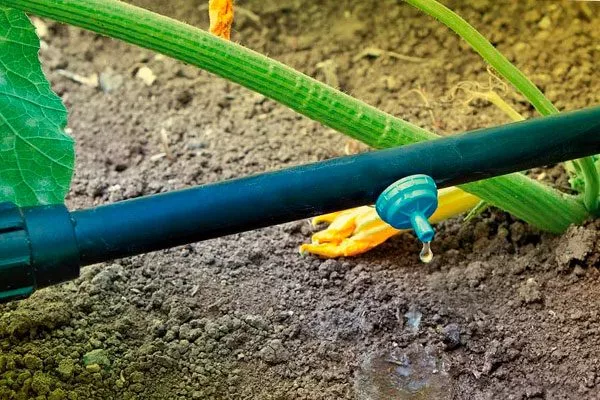
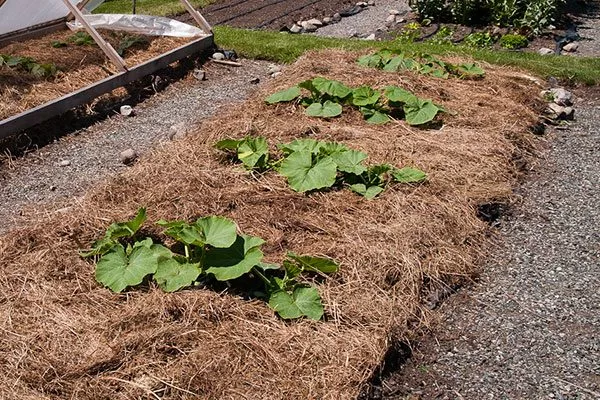
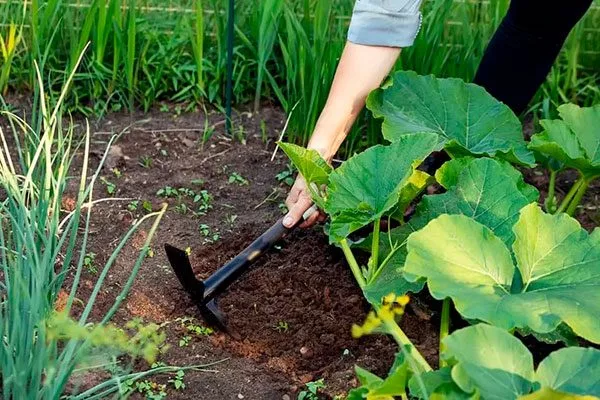
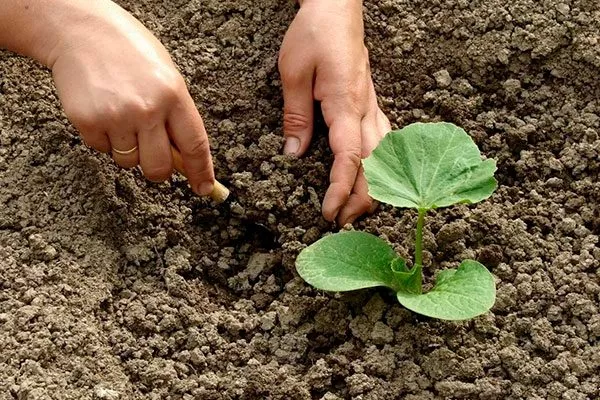
To obtain a high yield, follow all these agricultural practices, from proper watering and fertilizing to maintaining optimal growing conditions.
Formation
Structuring the Plyushka is an important process that impacts quality and productivity. A properly organized procedure will help ensure the maximum number of large, healthy fruits.
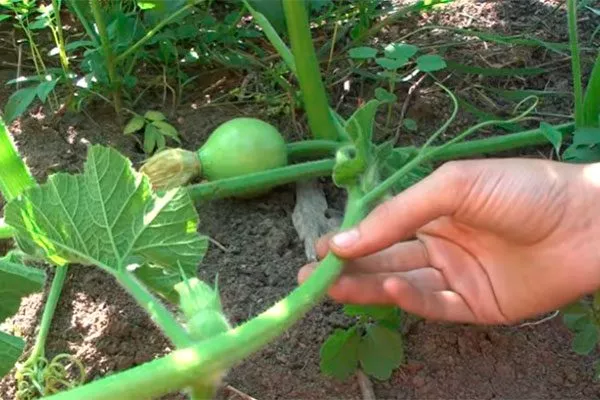
Helpful tips:
- Once the pumpkin begins to grow vigorously and form vines, monitor the side shoots. Remove excess branches that may shade the main plant and interfere with normal crop development.
- In the early stages, small buds often form. To prevent the plant from wasting energy on their development, remove the first ones, leaving only the strongest and healthiest ones.
- When the bushes reach a certain length, pinch the tips of the main shoots. This will stop their growth and stimulate the development of side shoots and ovaries. This technique improves fruiting and increases the number of pumpkins per plant.
Correct formation helps to obtain a high-quality and abundant harvest.
Pros and cons
The bun has received numerous positive reviews from gardeners. This is due to its numerous advantages:
Among the disadvantages, some vegetable growers note sensitivity to over-watering of the soil, poor adaptation to transplantation, the need for careful disease prevention, and intolerance to cold nights in the early stages of growth.
Reviews
The Plyushka pumpkin is a versatile, low-maintenance crop that delivers consistently high yields. This variety combines excellent flavor with excellent yields. It can be used for a wide variety of culinary purposes, from soups to winter preserves.