
The Oreshek pumpkin variety is a true multi-purpose giant, characterized by productivity and a pleasing appearance. It's versatile, easy to transport, and has a long shelf life, is relatively easy to care for, and is attractive in appearance. It's not a hybrid, so you can grow your own plants.
Features of the bush and fruits
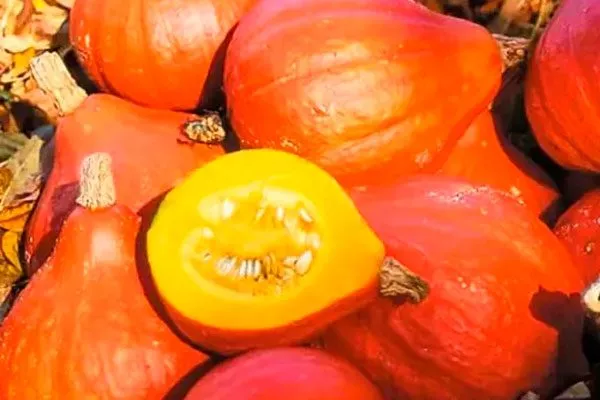
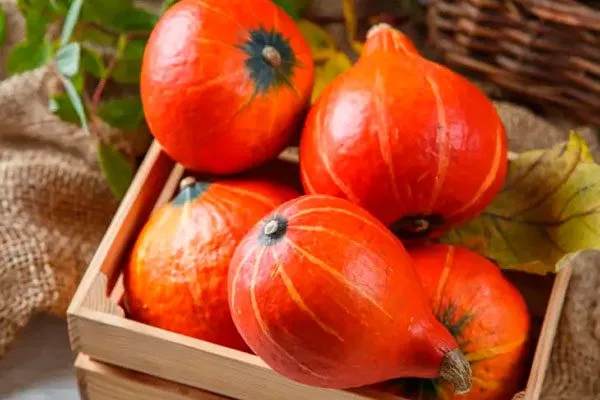
The Oreshek variety belongs to the group of multi-purpose pumpkins. It has a moderate vine habit and medium height, making it adaptable to a variety of climates. The fruits are round, richly orange, sometimes with slight yellowish markings.
Other varietal characteristics:
- the surface of the fruit is decorated with characteristic ribs;
- the pumpkin flesh is a rich orange color and quite dense, its thickness is approximately 4.5-5.5 cm;
- a plant with moderate climbing habit and medium height;
- the leaves are green in color and heart-shaped;
- weight varies from 1.9 to 3.8-4 kg.

Main characteristics
Pumpkins can be stored without loss of quality for up to 10 months if all recommended storage conditions are met. This is especially important for gardeners looking to extend the shelf life of their harvest.
Features of Oreshk:
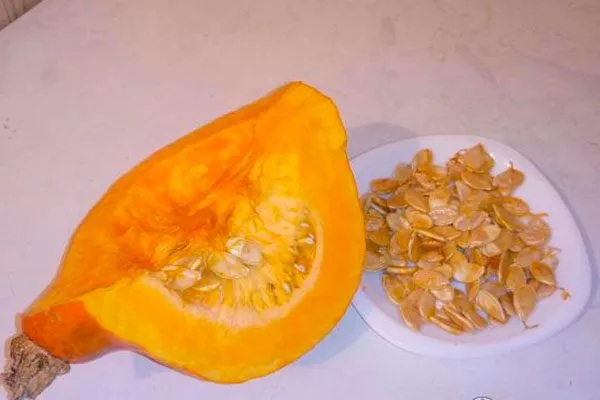
- Pumpkin is renowned for its excellent flavor, making it suitable for both raw and cooked consumption. Its dense flesh is ideal for baking, pureeing, making soups, or creating sweet desserts. These qualities make it a versatile ingredient, both as a side dish for meat dishes and as an addition to salads.
- The variety's yield is impressive: one bush can produce up to 4-5 fruits, each weighing from 2 to 4 kg.
- The variety is distinguished by its high commercial characteristics and resistance to transportation.
- The period from the emergence of the first sprouts from seeds to the moment of harvesting takes from 92 to 100 days; pumpkins are usually harvested from July to September.
Growing
It is recommended to plant seeds in the soil at the end of May or the first of June, or to grow seedlings from April and then transplant them into the open garden on the same dates.
The area should have adequate light, as the plants require sunlight. After seedlings emerge, thinning should be done, leaving 90-100 cm between plants.
Conditions
This crop requires a lot of light: if there's insufficient sunlight, the fruits will have less sugar content and productivity will decrease. It's best grown in open, sunny areas. In dry and hot regions, it can thrive in partial shade.
- ✓ Make sure that the area is not subject to stagnant water, even for a short time.
- ✓ Test soil pH with test strips or laboratory analysis before planting.
Other important requirements for Oreshk:
- Pumpkins require a high-quality soil mixture. Organically rich sandy loams, light loams, and black soils are ideal, but compost heaps are the best.
- The soil should be neutral in acidity, corresponding to a pH of 6.0 to 7.5. In areas with a shallow groundwater table, raised beds should be created.
- Pumpkin is one of the most heat-demanding vegetable crops. Young plants are particularly sensitive to cold temperatures. This variety exhibits greater cold tolerance than others.
However, for normal root development, the optimal soil temperature range is 18-20 degrees Celsius; otherwise, the pumpkin will develop underdeveloped surface roots. Air temperatures should range from 20 to 28 degrees Celsius for optimal growth.
Sowing
For planting material, you should use neutralized peat, to which you add garden soil (preferably from under fruit trees) and mature compost in a ratio of 1:2:1.
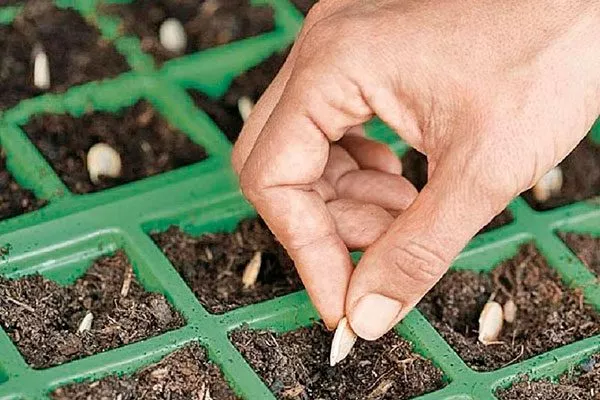
Seeds collected for seedlings should be planted 20-25 days before transplanting into the garden. It's not recommended to transplant pumpkins into seedlings, so use individual containers, such as cups, immediately.
The process of strengthening plants
To minimize risks, the air temperature should be above 18 degrees Celsius. The hardening process involves taking the containers outside for 30 minutes at first, gradually increasing the time.
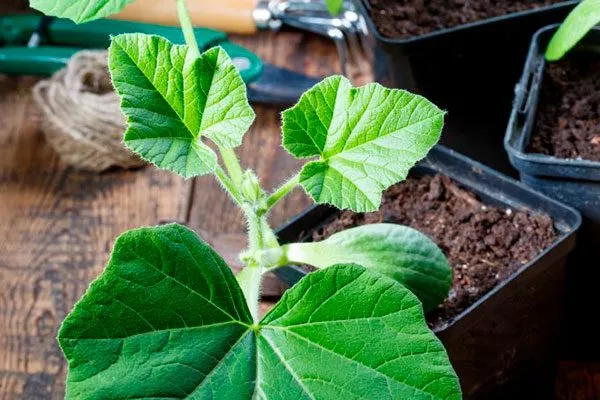
Planning a transplant
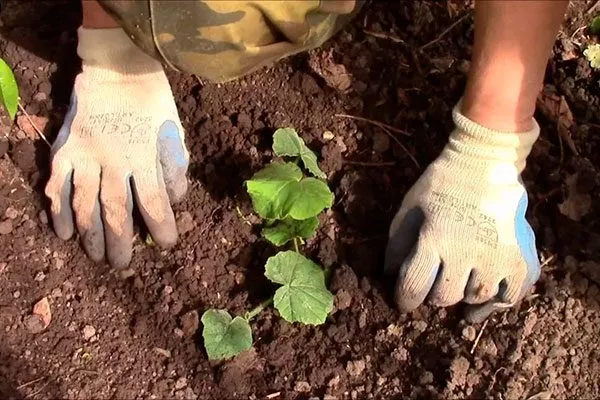
For the Oreshek variety, leave a 100-120 cm gap between seedlings. Planting guidelines:
- Add 2 tablespoons of wood ash, the required amount of superphosphate (indicated in the instructions) and 200-300 g of compost to each hole.
- Position the plant so that the root collar is slightly above the bed level. It's important not to damage the roots during transplanting.
- After planting, water with warm water and mulch the soil tightly with straw/hay.
Caring for pumpkin
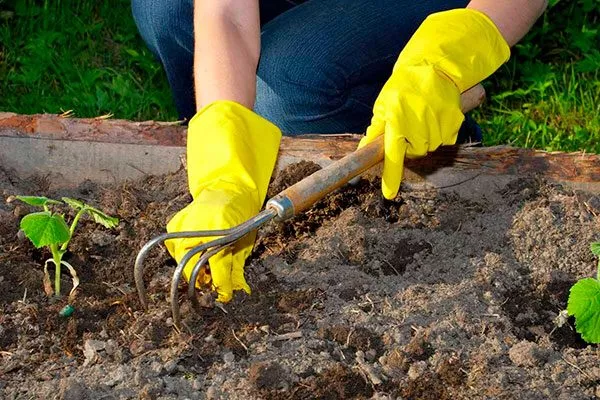
The care procedures are standard, but please keep in mind some subtleties:
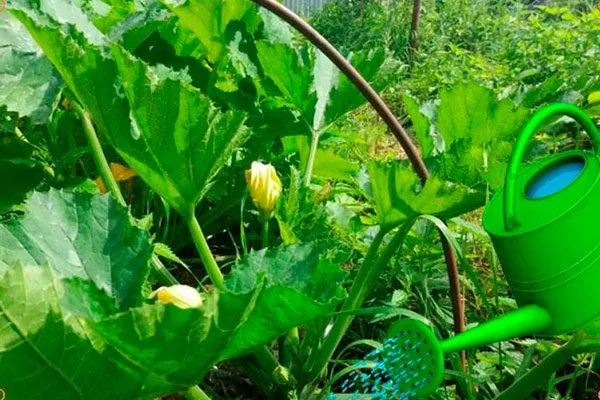
- Soil moistening. For watering, follow a specific technique: pour water directly around the roots in the morning or evening, on average once or twice a week, depending on current weather conditions. To prevent the vegetable flesh from becoming waterlogged, completely avoid watering it for a couple of weeks before harvesting.

- Fertilizing. Carry out these treatments 15 days after repotting, using slurry, chicken manure, or compost. Before budding begins, use herbal infusions once every 10-12 days. Then, introduce complex preparations containing a variety of substances.
Reviews
The Nut is a productive pumpkin variety, capable of yielding up to five fruits per plant. Harvesting should be done with the stems intact to improve shelf life. Another key requirement for long-term storage is dry air and a well-ventilated warehouse or cellar.