
Butternut squash, with its wide variety of cultivars, is widely distributed throughout the globe. Among the most well-known cultivars in this group is the Butternut Squash, also known as the Butternut Squash. When fully ripe, these fruits have a distinct nutty aroma, making them unique among other members of the butternut squash family.
Peculiarities of origin
Butternut squash is a variety of butternut squash imported from the United States. It began to rapidly gain popularity among consumers in the mid-20th century. It is a late-ripening variety and was developed relatively recently, but has already earned a good reputation. This variety was developed at the Massachusetts Agricultural Experiment Station.
Over time, the crop began to spread to Massachusetts and further across the northeastern United States. In southern Europe, walnut oil became a serious competitor to local varieties, a trend that has also been observed in Russia. There, it has found a following among gardeners and consumers.
Description of the bush and fruits
This variety is distinguished by its rapid growth and remarkable vegetative capacity. Under ideal growing conditions, a single plant can produce up to 25-30 fruits. Note other characteristics as well:
- The stems of this species have a rough texture with upward-curving tips, allowing them to easily and independently secure themselves to supports. This makes it a great garden ornamental when planted near a tree or fence.
- The fruits are the perfect size for individual cooking and storage, which is a noteworthy advantage. The weight of a single pumpkin ranges from 500 to 700 g.
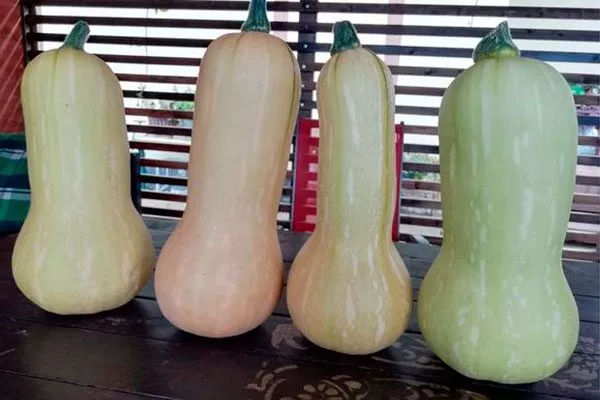
- Their shape resembles a pear.
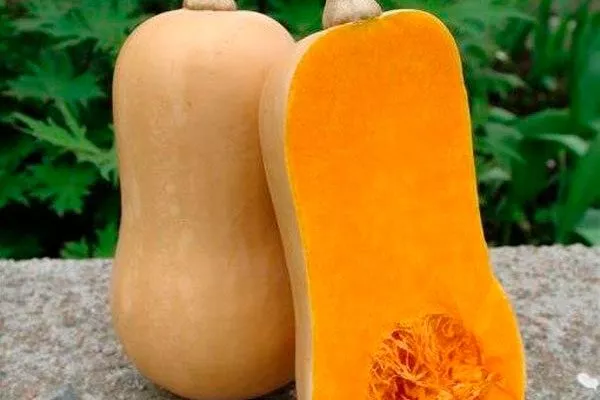
- The skin of the fruit is smooth, with a pleasant light brown hue. It cuts easily with a knife, making the pumpkin preparation process simple.
- The flesh is firm and slightly oily, with a rich orange hue.
- The taste is sweet with light nutty notes and a delicate aroma, which makes it especially pleasant to consume.
Main characteristics
This versatile pumpkin variety is suitable for a wide variety of dishes, from soups to desserts. It's often used in porridges, pies, sweets, and baked goods. Its thin, dense flesh acquires a delicate texture when steamed, baked, or stewed.
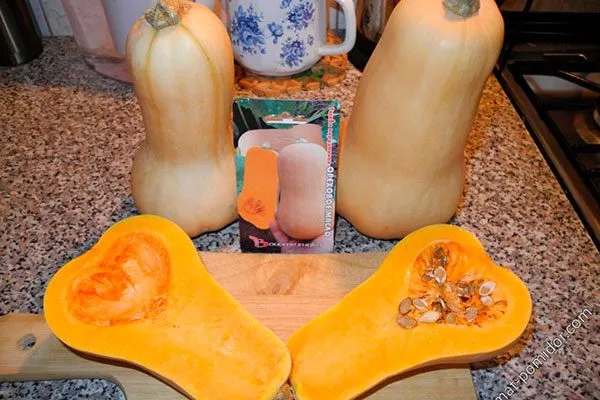
Nut butter is rich in beneficial elements, making it an ideal ingredient for dietary and children's dishes.
Other characteristic features:
- It reaches maturity in just 90 days, and the harvest period begins in September. If the pumpkin was grown in favorable warm climate conditions, its vegetative processes will accelerate, allowing for an even earlier harvest.
- The productivity of Walnut Oil is another advantage. A single plant can produce up to 15 kg of high-quality pumpkin.
Growing and care
As with other vegetable crops, there are a variety of methods for growing nut butter. These include:
- Direct sowing into soil.
- Growing using seedlings.
- Outdoor cultivation.
- Planting in hotbeds and greenhouses.
In any of these cases, the seeds must be pre-soaked in a growth accelerator solution or germinated. Seedlings are grown directly in individual containers to ensure fully developed root systems, as the plant does not tolerate transplanting or picking well.
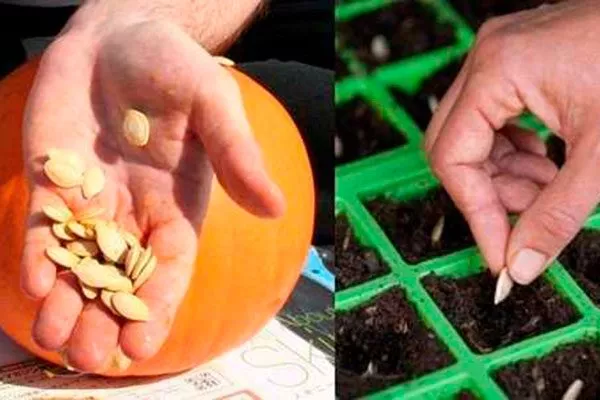
The seeds are buried 3-5 cm deep a month before transplanting to their permanent location. The seedlings are transplanted into open ground after the last possible frost.
- At the end of May or the beginning of June, the time comes for the north and center of the country, including the Urals and Trans-Urals, as well as for Siberia and Primorye.
- In more southern regions with tropical climates, sowing occurs as early as March or April. It's important to remember that in temperate climates, nuts are best grown in vegetable gardens.
When preparing the soil, you should follow the usual recommendations for this plant:
- soil acidity should be neutral;
- the soil layer should be light, breathable, saturated with organic matter and humus;
- the holes are fertilized with superphosphate, wood ash and coarse river sand;
- The interval between holes should be from 70 to 100 cm, and the depth of seed placement in the ground should be 5-6 cm.
- ✓ Check the soil acidity with a pH meter; the optimal level for butternut squash is 6.0-6.8.
- ✓ Ensure the soil contains sufficient organic matter by adding compost or humus one month before planting.
Further plant care includes standard procedures:
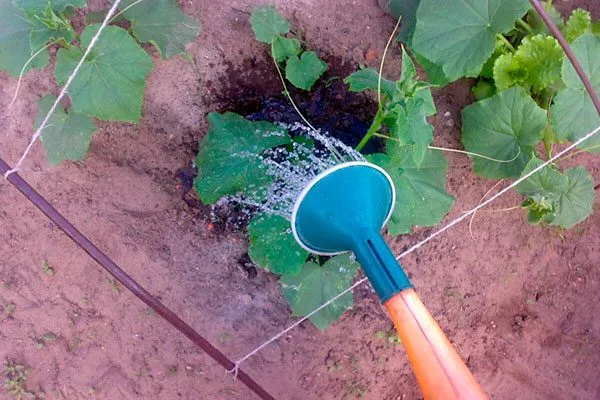
- Watering. During the active growth period, the plant requires frequent watering, while in midsummer, watering becomes less frequent. By autumn, watering is stopped completely, except in cases of prolonged drought. During prolonged rainfall, pumpkins grown outdoors do not require watering at all.

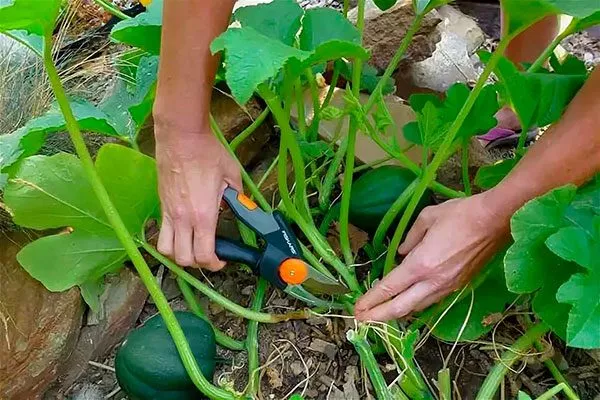
- Trimming. To ensure a high-quality harvest, it's necessary to control the number of ovaries, limiting their number. This will allow the fruits to receive more complete nutrition.
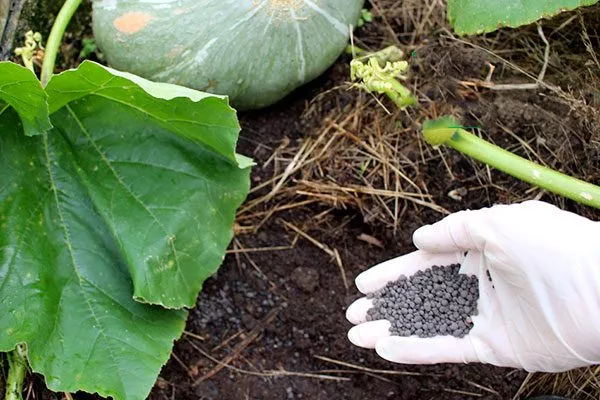
- Top dressing. They begin after flowering becomes stable. From the third week onward, a mullein infusion should be used. During fruit ripening, pumpkins require potassium-phosphorus mixtures, which are applied along with watering.
Pros and cons
The plant doesn't require complex growing conditions, making it popular among beginning gardeners. To achieve its distinctive, nutty flavor, certain conditions must be met.
These little details can be challenging even for experienced gardeners familiar with growing other pumpkin varieties. While the growing process isn't difficult, it does take some getting used to.
This variety stands out not only for its amazing taste but also for its rich nutritional value. This makes the pumpkin extremely beneficial, expanding its range of uses.
Reviews
The Nut Oil pumpkin variety is an early-ripening nutmeg variety. If all cultivation requirements are met, a single plant can produce up to 30 pumpkins weighing 500 to 700 g. It is recommended to limit the number of pumpkins per plant to ensure they receive maximum sunlight from all sides.