
The butternut squash is a mid-season variety of the Muscat variety, intended for table use. Its advantages include consistent yields, uniform fruit, retention of nutritional and flavor properties, and resistance to low temperatures and adverse growing conditions.
Description of the bush and fruits
The Nutty pumpkin is distinguished by its abundance of carotene and pleasant sweetness. This variety is considered one of the most popular for raw consumption and culinary use by home cooks.

Brief information:
- The pumpkin plant has a straight stem that can reach a height of 60 to 70 cm;
- the leaves are green in color, quite large, and heart-shaped;
- the flower inflorescences are yellow in color and also large;
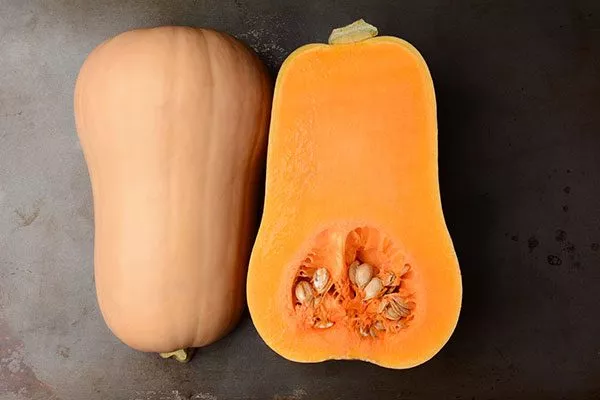
- pumpkins are characterized by a unique club-shaped form and a smooth surface;
- the weight of an individual fruit varies from –3 to 5-6 kg;
- the surface is free of thorns and tubercles and is painted bright orange;
- The pulp has orange-reddish notes.
Main characteristics
Pumpkin is a versatile ingredient that can be used both raw and as a base for a variety of culinary dishes. Its soft, sweet, and vibrantly colored flesh is perfect for creating a delicious dessert or pie.
Other characteristic features:
- This variety of pumpkin is resistant to low temperatures, making it ideal for cultivation in climates with cold winters.
- The harvest time falls in the months of August and September, when the fruits reach full ripeness.
- For long-term storage, pumpkin should be placed in a cool place with a temperature of 10-15 degrees Celsius.
Growing and care
The Nutty pumpkin prefers sunny locations for proper development. To sow, choose a site with maximum light and sufficiently fertile soil. This variety can be grown both from seedlings and directly from the ground.
- ✓ Optimum soil temperature for sowing seeds: not lower than +10°C.
- ✓ The distance between plants should be at least 90-100 cm to ensure sufficient space for growth.
Rules and requirements
The timing of the first harvest depends on the method chosen, but the quality and volume of the harvest will not be affected. The only requirement for the pumpkin to thrive is sufficient sunlight.
Subtleties of cultivation:
- Before sowing, seeds should be soaked overnight in a weak solution of potassium permanganate with the addition of wood ash to protect young shoots from diseases that may be present in the soil.
- It is best to plant the pumpkin in a low bed, at least 25-30 cm high, to protect it from the cold that occurs in some regions.
- Preparing the pumpkin plot begins in the fall: a layer of dry grass is laid on the ground, then leaves from fruit trees are carefully piled on top. A layer of soil is added on top.
If the soil is acidic, add wood ash, nitrogen, and potassium fertilizers to the mixture. If the soil is poor in nutrients, add humus and leave it for the winter. Thoroughly dig the soil in the spring.
- In autumn, add humus and ash to improve soil fertility.
- In spring, dig the soil deeply to ensure good aeration.
Pumpkin Growing Methods
In mild climates, you can immediately sow seeds directly into the garden. However, for northern regions, the seedling method is preferable.
Seedling technology
To obtain pumpkin seedlings, sow them so they can be transplanted into open ground a month after the sprouts emerge. To avoid stunting plant growth after transplanting, the soil temperature should be at least 15-17 degrees Celsius.
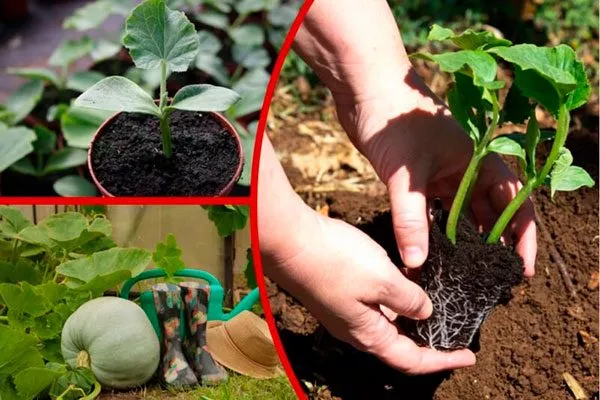
In May-June, the seedlings are planted in open ground, where they are planted 10 cm deep. To speed up adaptation, it is recommended to water the bed and cover it with special heat-retaining materials at night.
Rules:
- It's important to carefully prepare the soil and select suitable pots. Peat containers are recommended, as they are buried in the soil along with the plants, providing additional nutrition to the roots without disturbing their structure.
- Sow 1-2 seeds per pot. To speed up germination, cover the container with plastic wrap, removing it only after sprouts appear.
- The seedlings should be watered regularly, preventing the surface of the substrate from drying out, approximately every two days.
- Before sprouting, the container with seedlings must be placed in a warm and darkened room, and then moved to the sunniest place near the window.
The pumpkin is transplanted into the garden bed 30 days after the seedlings appear, which is the best time for the plant to adapt.
Seedless method
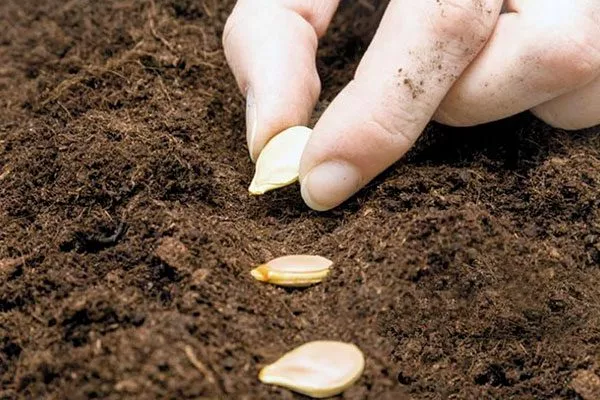
The optimal time for sowing outdoors is May. To grow pumpkins without seedlings, plant the seeds 3-5 cm deep, providing them with intensive watering and a protective layer of mulch to retain heat and moisture.
Care activities
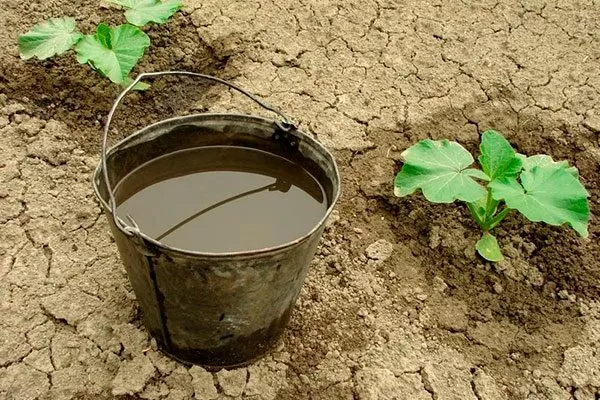
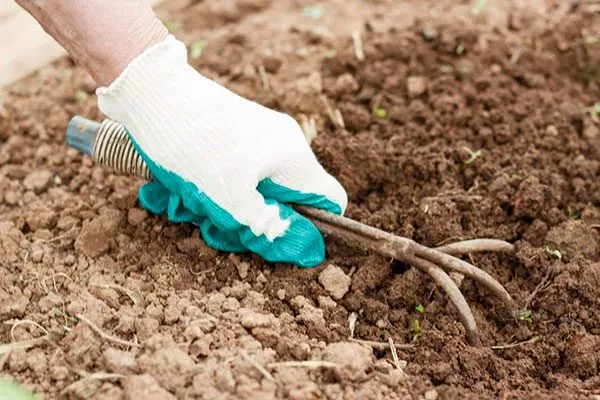
Caring for butternut squash outdoors requires little effort: regular watering, weeding, and loosening the soil. Avoid both under- and over-watering, which can lead to disease.
Nuances:
- During the flowering period, use 9-10 liters of water for each plant, two to three times a week, preferably in the morning or evening;
- in rainy seasons you can limit yourself to just loosening the soil;
- During dry months, increase the frequency of watering and the amount of liquid;
- When the pumpkin begins to form fruits, reduce the procedure to once or twice a week, which will help to obtain a sweeter and more aromatic vegetable.
Butternut squash has good disease resistance, but in high humidity, powdery mildew may appear on the leaves. To treat the squash and restore its health, treatment with a colloidal sulfur solution is recommended.
The crop may be attacked by aphids, which can be eliminated using chemicals or using infusions of wormwood and chamomile, or liquid soap for spraying.
Pros and cons
One of the key features of growing butternut squash is its excellent shelf life, allowing it to retain its flavor and nutritional properties for up to 6-8 months at home.
Benefits of using butternut squash:
No critical defects were noted.
Reviews
The Nutty pumpkin's fruits are club-shaped, with a red-orange interior. They are tender, sweet, buttery, and crunchy, with a nutty flavor. Growing this variety is easy due to its low maintenance and consistent yield.