
Orange Summer – this pumpkin variety is characterized by versatility, exquisite flavor, and high disease resistance. It is known for its abundant fruiting and early maturity. To achieve the maximum yield of this pumpkin, it is important to thoroughly familiarize yourself with its varietal characteristics and care requirements before planting.
Description of the bush and fruits
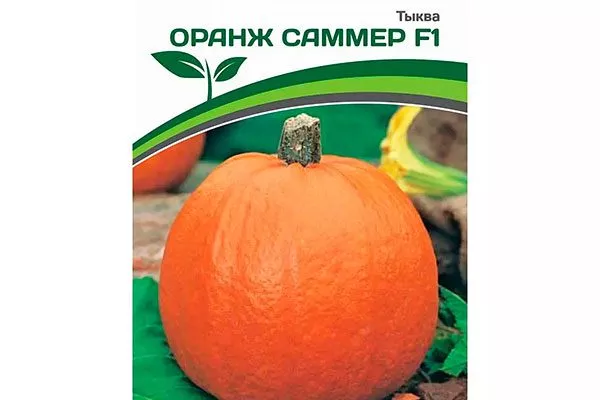
The Orange Summer f1 pumpkin is a first-generation hybrid, making its seeds unsuitable for further reproduction. Its original name, Orange Summer, refers to the distinctive color of its fruit.
External signs by which you can recognize the variety:
- The bushy stems are quite sturdy and spread along the ground. They can reach up to 90-100 cm in length, with a slightly ribbed structure.
- The leaves of these plants are large, with a rich green tone, the stalks are reinforced, and the root system is powerful and goes deep into the soil layer, with developed lateral shoots that spread superficially.
- If care rules are followed, up to four pumpkins can be formed on one plant.
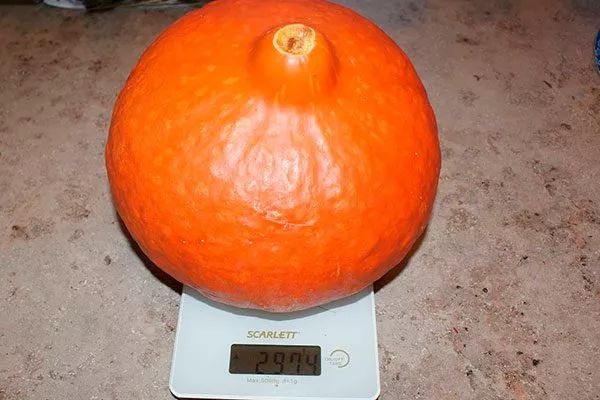
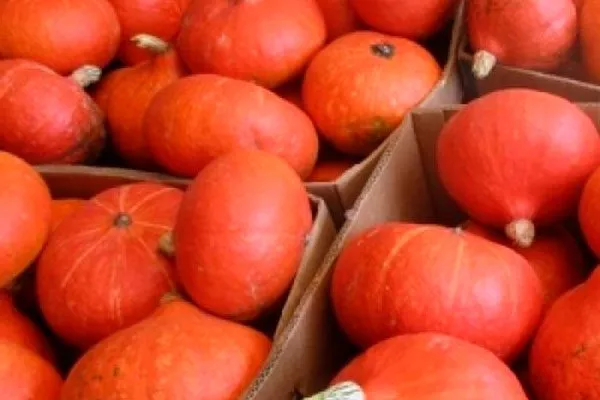
- Orange Summer fruits are perfectly portioned, flat-round in shape, but small in size – weighing on average from 1.2 to 1.6 kg.
- The skin is rough, colored in dark orange or orange tones with a pattern of light orange stripes.
- The pulp is crisp, medium juicy and dense, with a small seed kernel inside and a pleasant aroma.
Main characteristics and history
This pumpkin variety was created by talented breeders from the Netherlands. After conducting all the necessary tests, it was approved for mass production in 2015.
Ripening and fruiting, productivity
The Orange Summer pumpkin is characterized by early maturity. The time from sowing to fruit ripening takes approximately 80-90 days. Productivity is considered average: each plant can produce 3 to 4 pumpkins weighing up to 1.5 kg. With proper care, a yield of approximately 2.8-3 kg can be harvested from an area of 1 square meter.
Taste, purpose and use
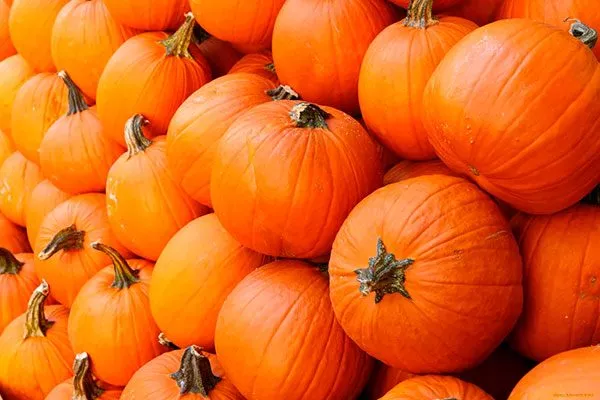
The flesh is slightly crunchy and yellow in color. The flavor is brightly sweet, and the aroma is typical of pumpkin: rich and pleasant.
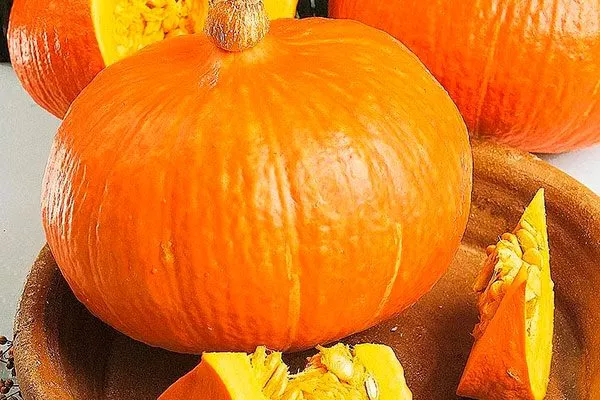
You can prepare a variety of dishes from these pumpkins:
- puree;
- soups;
- fried and baked dishes.
Growing techniques for Orange Summer pumpkin
The Orange Summer pumpkin will be an indispensable vegetable for both experienced and novice gardeners. This hybrid is disease-resistant, reducing the need for chemical protection.
Features of cultivation
Pumpkins need good light in a location where no other vegetables have been grown for a year. Best results are achieved by planting them after legumes, parsnips, and root vegetables.
To grow pumpkins, use moist, nutritious, and loose soil. Soil preparation begins in the fall and includes digging, weed removal, and fertilization. Add cow and horse manure to the soil at a rate of 8-10 kg per square meter.
- ✓ Soil pH should be between 6.0-6.8 for optimal nutrient absorption.
- ✓ The soil should have a high water-holding capacity, but at the same time be well-drained.
The following methods are used to correct the soil mixture:
- for sour - add wood ash or dry limestone;
- for dense – add river sand;
- for depleted – Place the pumpkin near a manure pile or fertilize the area with rotted compost.
In spring, it is not necessary to dig up the soil; it is enough to level it with a rake and clear it of weeds.
Seed preparation
Orange Summer can be grown in two ways: directly in beds in southern climates, and as seedlings in cooler climates. The first method yields an earlier harvest, while the second produces plants that are more resilient to adverse conditions.
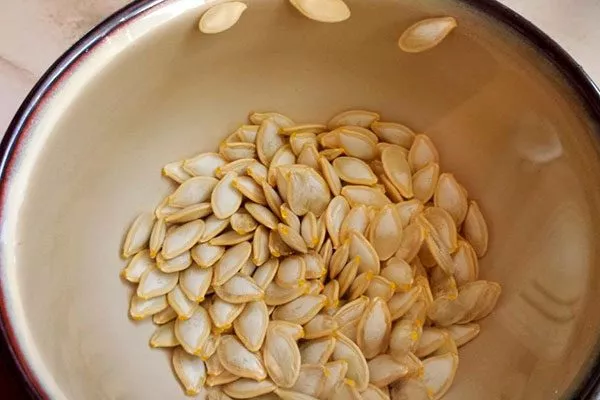
Before planting seeds in the ground using any technology, they are carefully selected, leaving only whole and dense grains without visible damage.
To increase germination, various processing methods are used:
- For disinfection, you can use one of the following methods:
- wrapping the seeds in a piece of cloth and drying them in the sun or on a heating radiator for several days;
- placing in an oven preheated to 20°C, with subsequent temperature increase by 10°C every hour for 5 hours;
- soak in a light pink solution of potassium permanganate for 20 minutes, then rinse thoroughly under running water.
- After this, the seeds are moistened in water at a temperature of 40 to 50°C for three hours, while it is important that the water does not cool down.
- To stimulate early germination, the seeds are germinated by moistening them and covering them with a damp cloth, placing them in a saucer, and covering them with transparent film. Water them daily with warm water to keep the seeds moist.
- After germination, the seeds are placed in the refrigerator for a day to acquire the ability to withstand lower temperatures.
Seedling method
Growing pumpkin seedlings begins in mid-April. After 20-22 days, the plants are ready for transplanting into open ground. Pricking out is not recommended due to the extremely sensitive root system of pumpkins.
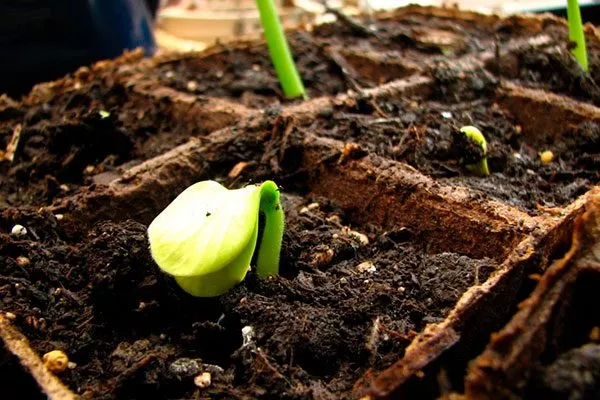
Therefore, give preference to sowing directly into individual pots or peat cups/tablets, from which plants can be transplanted without damage.
You can use a universal seedling substrate or make your own by mixing equal parts sand and peat. Add 200 g of ash and superphosphate (see instructions for dosage) to a 10-liter bucket of this mixture.
Before using the soil mixture, it is important to disinfect it:
- heat in the oven;
- spill with dark pink liquid potassium permanganate;
- treat with boiling water or a hot solution of any copper-based preparation.
The process of sowing and further growing of seedlings is as follows:
- 2.5-3 cm of sand is poured into the pot, the remaining space is filled with substrate and watered with warm water;
- 2 seeds are planted in each pot at a depth of 3.5-4 cm;
- Before the seedlings appear, the pots are covered with film, which is removed when the seeds hatch;
- seedlings that have begun to sprout are moved to the windowsill;
- in case of insufficient natural light, phytolamps are used;
- moisten when the soil substrate begins to dry out;
- When true leaves appear on the plants, weak shoots are removed, that is, they are thinned out;
- two weeks after the shoots appear, the bushes are fed with nitrophoska;
- 9-10 days before transplanting to a permanent location, the seedlings begin to adapt to the open air, taking them outside every day and gradually increasing the duration of this procedure.
To ensure strong and healthy seedlings, it's crucial to maintain proper temperature control. The following schedule is recommended:
- before seed germination – +25…+30°C;
- the first week after emergence – +15…+25°C;
- next week – +15…+18°C;
- the rest of the time – room temperature.
The plants are planted in their permanent location when they have three true leaves. They are placed in holes spaced 90-110 cm apart. Before planting, the holes are filled with ash and moistened.
Seeds
In areas with mild climates, direct seeding is often preferred for growing vegetables. Planting occurs when the soil temperature at a depth of 15-18 cm reaches 15°C, which usually occurs around May 10-20.
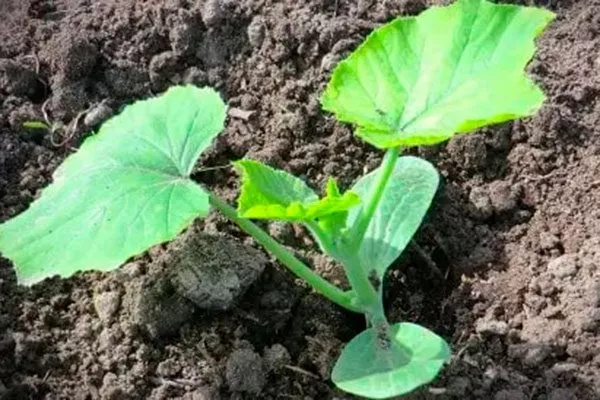
For sowing, dig holes 6 to 10 cm deep, but experienced vegetable growers recommend varying the depth of the holes to allow the seeds to germinate in different conditions. After planting, cover the seeds with a layer of soil and water with warm water, without compacting the surface.
The crops are protected from cold and wind with plastic film, which is occasionally opened for ventilation. Once the first true leaves appear, the film can be removed completely.
Care
Orange Summer is a plant that doesn't require any special growing conditions, but to strengthen the immune system and increase productivity, it's important to take some simple steps:
- To ensure healthy pumpkin development, water frequently and generously. At least 3-4 liters of room-temperature water per plant is recommended. Avoid allowing the soil to dry out too much to prevent the plant from dying. Stagnant water is also undesirable, as it will cause root rot.

- After each watering, gently loosen the soil to a depth of 6-8 cm and carefully remove weeds from the bed.
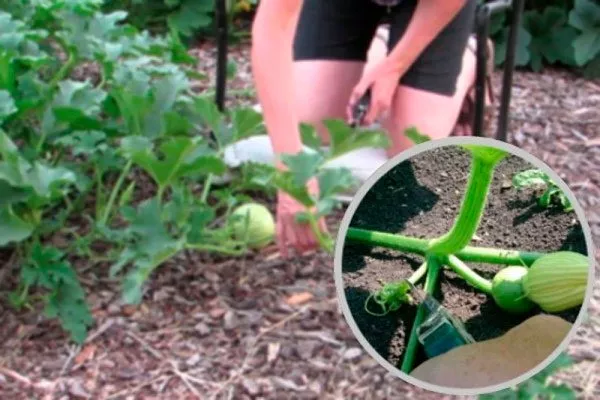
- If the pumpkin develops weak shoots after three leaves have formed, they should be cut off without tearing or twisting them to avoid damaging the healthy stems. Trim the shoots so they don't grow too long.
When the shoot reaches 100 cm in length, press it into the ground in one or two places to encourage new root development. Other stems can be secured to special support structures or run along wires attached to a roof or fence. - Pumpkins are fed with fertilizer after five leaves emerge, spraying them every two weeks. It is recommended to alternate between mullein and complex mineral fertilizers.
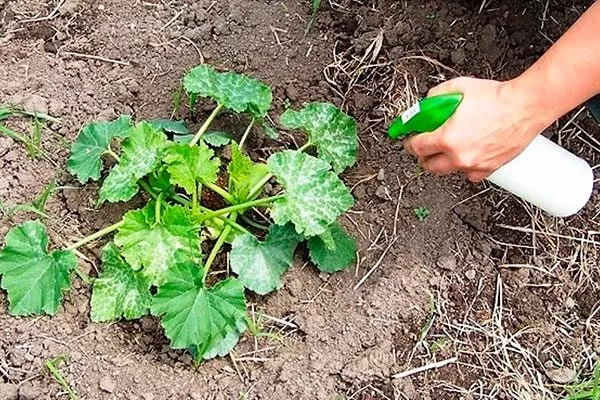
- Two weeks after planting the seedlings, apply a complex mineral fertilizer with a predominance of nitrogen.
- During the flowering period, use fertilizers with high phosphorus and potassium content to support fruit formation.
- Stop applying nitrogen fertilizers one month before harvest to improve fruit quality.
Possible difficulties
When cultivating pumpkin crops, gardeners often have to face various difficulties:
- Problems with seed germination can occur when seeds are planted too deep, in overly compacted (heavy) soil, or when the soil is not warm enough.
- After watering, plants may appear drained. It's possible the water was too cold.
- If plants are growing poorly and developing slowly, this may be due to an improperly structured soil mixture or a lack of nutrients. To improve the condition, it is recommended to add humus or compost, as well as other necessary components.
- Root rot is caused by infrequent weeding or uprooting weaker plants from the soil within the same shelter. Overwatering during irrigation also contributes to this.
- If the pumpkin weakens after applying fertilizer, it is recommended to moisten the beds before planting.
- The lack of ovaries is corrected by hand pollination. To do this, remove the male flowers and apply their stamens to the stigmas of the female flowers.
- If the pumpkins do not turn yellow due to a large number of leaves on the bush, remove the green mass around the fruits.
- If a vegetable does not produce fruit, but develops a large amount of foliage, this may be due to an excess of nitrogen fertilizers that are applied too frequently.
Tips from experienced gardeners
To harvest a high-quality and tasty crop, gardeners use several secrets:
- During the flowering period, increase irrigation intensity. Avoid getting water on the leaves to prevent pollen from sticking together and ensure successful pollination.
- To minimize the risk of fruit rotting, wooden mats are placed underneath them.
- At the end of pumpkin ripening, watering is stopped to enhance their aroma.
- When vines grow on strings attached to a fence, roof or other structure, they are secured with netting to prevent the fruit from falling.
Pest and disease control
The Orange Summer pumpkin has significant resistance to various diseases affecting plants in the Cucurbitaceae family. However, preventative measures should not be ignored:
- It is necessary to disinfect garden tools to prevent the possibility of infection transmission;
- It's important to prune bushes at sunset or early in the morning. It's best to avoid watering on days when this procedure is performed.
- To protect pumpkin from harmful insects, it is recommended to use a soap solution or wormwood tincture.
Harvesting
Around mid-August, it's time to sample the first pumpkins. Criteria indicating that the vegetables are ready for harvest include:
- dryness and hardening of the stalks;
- yellowing and falling of leaves;
- transforming pumpkins into bright orange colors;
- strengthening the crust, which becomes denser and harder.
Pros and cons
This hybrid has numerous advantages and few drawbacks, which is important to know before purchasing planting material. Advantages of the Orange Summer variety:
The hybrid nature of the crop is cited as a potential drawback, making its seeds unsuitable for further seed production. Not everyone is satisfied with the average productivity figures either.
Reviews
The Orange Summer pumpkin is a hybrid that produces small, yet very aromatic and delicious fruits. Their size is perfect for a single serving. Growing this pumpkin is straightforward, easy to care for, and resistant to diseases common to these plants.