
Today, there are many varieties of pumpkin. They differ in size, flavor, ripening time, and suitability for growing in different climates. Read this article to learn about the main varieties and what factors to consider when choosing.
Large-fruited
Vegetables in this category of melons are characterized by good durability and high sugar content in the pulp. The largest specimens can weigh over 100 kg.
| Name | Ripening period, days | Fruit weight, kg | Fruit shape |
|---|---|---|---|
| Azure | 105-115 | 5-8 | Round flattened |
| Flashlight | 95-110 | 4-7 | Round |
| Russian porridge | 110-120 | 5-8 | Round |
| Crocus | 105-115 | 4-7 | Round |
Azure
Basic information:
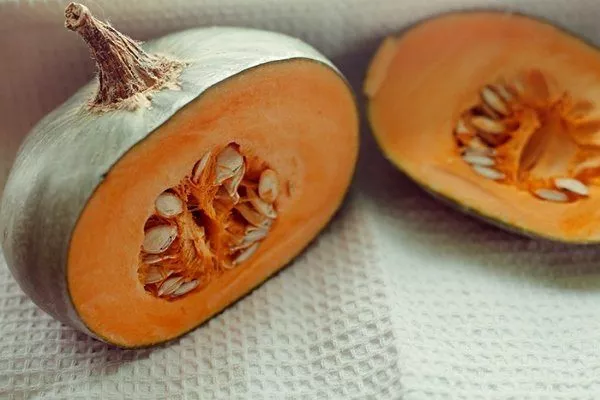
- Form. Rounded, flattened in the center, with clear divisions into segments. The surface is slightly wrinkled.
- Weight. It can be 6 kg or more.
- Color. The skin is gray-green, with golden hues in places. The inside of the pumpkins is a rich orange.
- Pulp. Dense, very juicy, sweetish.
- Resistance to parasites and diseases. Good.
- Growing season. It takes at least 110 days to harvest pumpkins.
Flashlight
Main parameters:
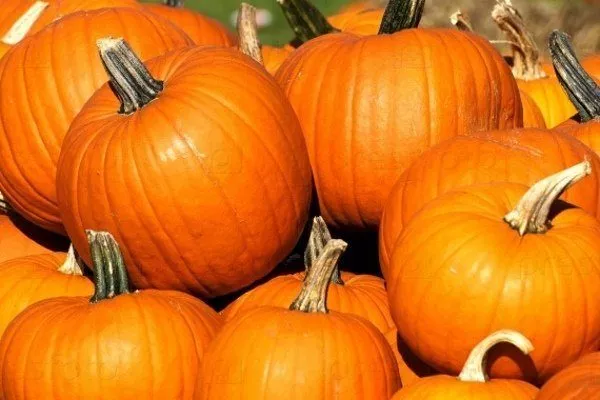
- Form. The pumpkins have an almost perfect, round shape with slight ribbing.
- Weight. Reaches 6 kg.
- Color. The rind is soft orange, the inside of the fruit is yellowish.
- Pulp. Juicy and crispy. Suitable for making mashed potatoes and porridge.
- Resistance to parasites and diseases. Average.
- Growing season. The ripening period of the variety is about 100 days.
Russian porridge
What you need to know:
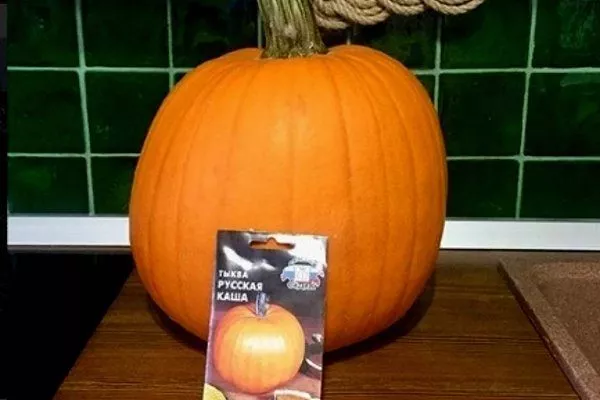
- Form. The best representatives have an almost perfect, round shape.
- Weight. You can grow vegetables weighing about 7 kg.
- Color. Soft orange. Lighter inside.
- Pulp. It has a good taste and can be eaten raw or cooked.
- Resistance to parasites and diseases. High.
- Growing season. The harvest should be collected within 120 days after planting.
Crocus
What characterizes the variety:
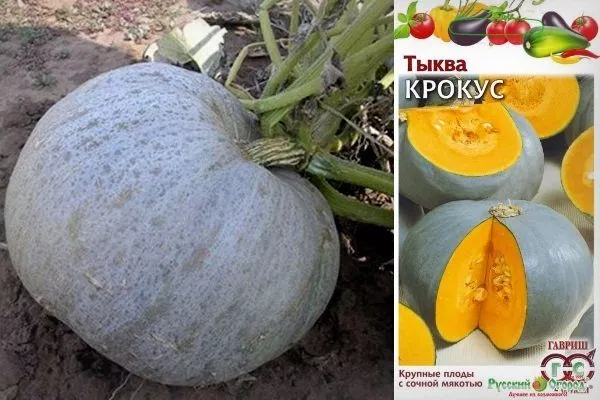
- Form. Round, neat, with almost imperceptible segmentation.
- Weight. Not very large. Fruits rarely grow that weigh more than 5 kg.
- Color. The skin is gray-green. Inside is a yellow-orange filling.
- Pulp. The vegetables are dense in structure and sweetish.
- Resistance to parasites and diseases. Good.
- Growing season. Reaches full maturity in 110 days.
With small fruits
Representatives of this category ripen in the form of small, neat pumpkins weighing from 1 to 3 kg.
| Name | Ripening period, days | Fruit weight, kg | Fruit shape |
|---|---|---|---|
| Baby | 90-100 | 2-4 | Round flattened |
| Candy | 110-115 | 1.5-2.5 | Round flattened |
| Chit | 110-115 | 2-4 | Round |
| Russian woman | 100-110 | 1.5-2.5 | Round, elongated towards the top |
Baby
Specifications:
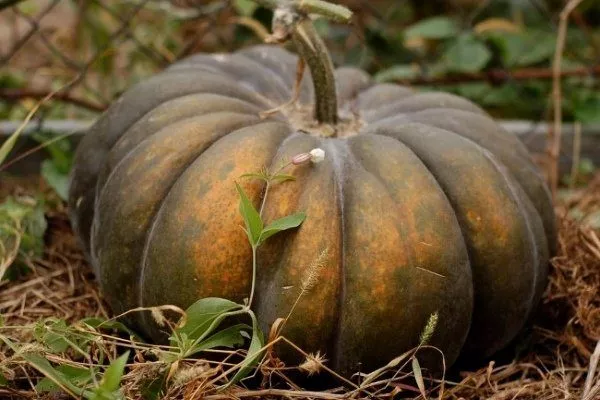
- Form. Rounded, with clearly defined segmentation. Flattened at the top and bottom.
- Weight. Reaches only 3 kg.
- Color. The skin is gray, with shades of yellow and green. The inside is orange.
- Pulp. Crispy, sweet, high in carotene.
- Resistance to parasites and diseases. Good.
- Growing season. Ripens quickly, in just 80 days.
Candy
Distinguishing features:
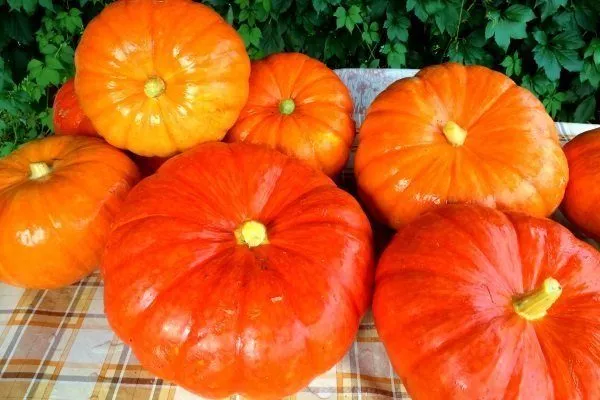
- Form. Round, slightly flattened at the bottom and top, with almost imperceptible segmentation.
- Weight. The largest representatives weigh 2.5 kg.
- Color. Orange, with a more delicate shade inside.
- Pulp. Full of juice, dense structure, crispy.
- Resistance to parasites and diseases. Increased.
- Growing season. Ripens in 110-115 days.
Chit
Known for the following features:
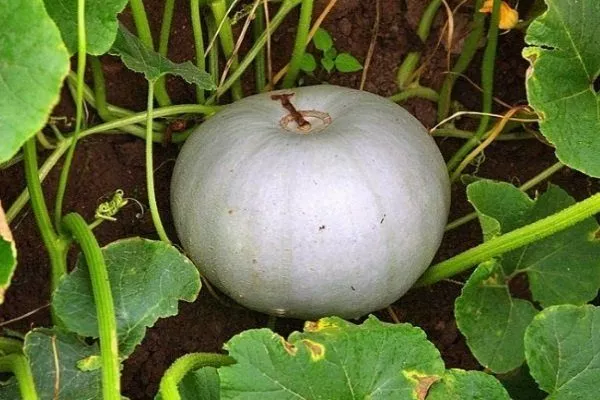
- Form. Round, neat, with smooth skin.
- Weight. It weighs only 3 kg.
- Color. Grayish on the outside, with green hues. Yellowish-orange on the inside.
- Pulp. Tasty, sweetish.
- Resistance to parasites and diseases. High.
- Growing season. 115 days are enough for ripening.
Russian woman
What is known:
- Form. Widened at the bottom, it has a small elongated “tail” at the top.
- Weight. On average, it grows no more than 2 kg.
- Color. Orange skin with thin yellowish stripes, more delicate shade when cut.
- Pulp. Tasty, can be eaten raw.
- Resistance to parasites and diseases. Average, susceptible to fungal diseases.
- Growing season. The harvest can be collected 100 days after emergence.
You can see the fruits of the Rossiyanka variety and learn about its main characteristics by watching the video below:
With a hard crust
As the name suggests, the vegetables have a thicker skin, making them resistant to damage and suitable for long-distance transportation.
| Name | Ripening period, days | Fruit weight, kg | Fruit shape |
|---|---|---|---|
| Olga | 110-120 | 4-7 | Oval |
| Bun | 90-100 | 1-2 | Round |
| Lady's nail | 95-105 | 3-5 | Oval |
Olga
What's interesting about this variety:
- Form. Oval, elongated.
- Weight. They reach only 4-7 kg.
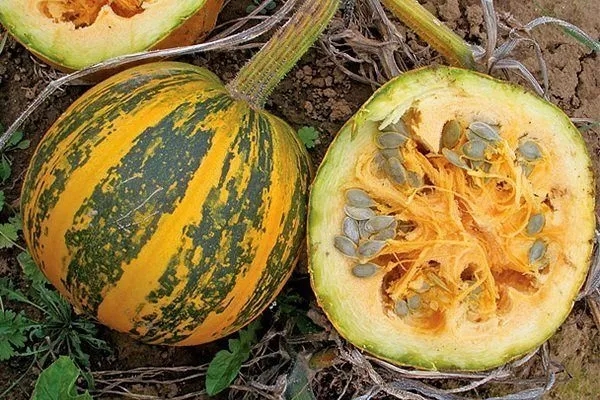
- Color. The skin has an interesting green-yellow coloration, resembling stripes on the outside. The inside is creamy. Remarkably, the pumpkin's seeds are dark green, almost black.
- Pulp. The flavor becomes more pronounced a few days after harvest.
- Resistance to parasites and diseases. Increased.
- Growing season. Can be harvested after 120 days.
Pumpkin seeds have no shell, so the variety is classified as a gymnosperm.
Bun
Main parameters:
- Form. Rounded, with weakly expressed segmentation.
- Weight. Very small, only 1.5 kg.
- Color. The outside of the pumpkin is bright orange, sometimes with small white stripes.
- Pulp. Useful for baby and dietary nutrition.
- Resistance to parasites and diseases. Average.
- Growing season. Harvesting time begins 90 days after planting.
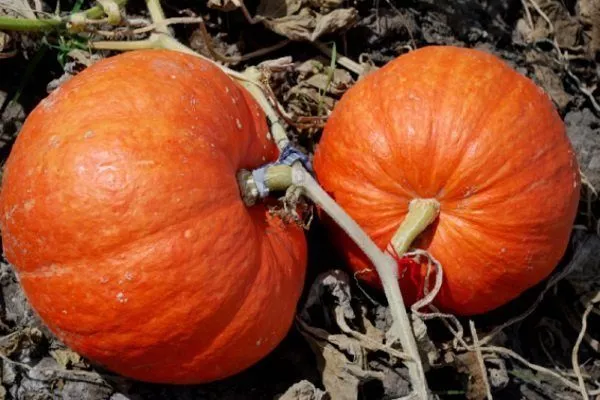
Lady's nail
Characteristic features:
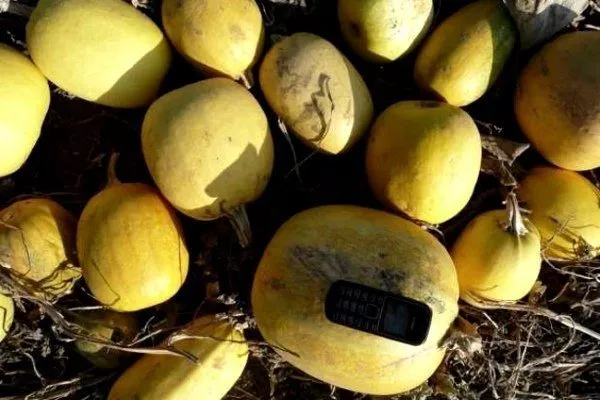
- Form. Oval, round, externally reminiscent of a melon, but without the characteristic mesh.
- Weight. Does not exceed 5 kg.
- Color. The skin is greyish or yellow, the flesh is a shade more tender.
- Pulp. Quite tasty, but more often grown for seed.
- Resistance to parasites and diseases. Average.
- Growing season. Ripens in 95-105 days.
Sweet
Below are the pumpkin varieties that have the most pleasant, sugary taste.
| Name | Ripening period, days | Fruit weight, kg | Fruit shape |
|---|---|---|---|
| Honey dessert | 100-110 | 5-10 | Round flattened |
| Winter sweet | 130-140 | 8-12 | Round flattened |
| Parisian gold | 110-115 | 10-14 | Round flattened |
| Volga gray | 115-125 | 8-10 | Round |
Honey dessert
What characteristics are inherent to the variety:
- Form. Flattened, with well-defined segments.
- Weight. The average weight is 6 kg, but under good conditions it can exceed 11 kg.
- Color. The skin is orange or orange-red, and deep orange when cut.
- Pulp. Honey flavor with hints of nutmeg.
- Resistance to parasites and diseases. Increased.
- Growing season. It ripens in 100 days on average.
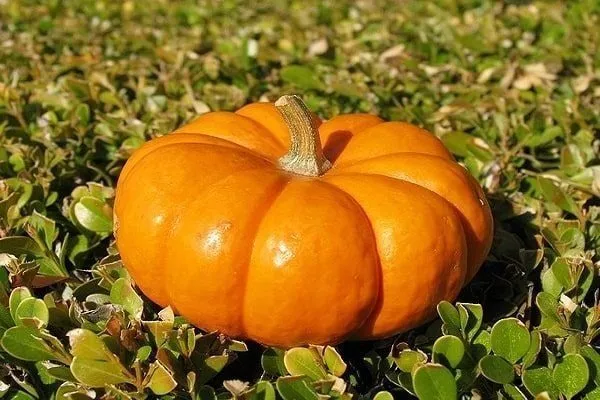
Winter sweet
Things to remember:
- Form. Round, flattened, segmented.
- Weight. Can grow to a weight of up to 12 kg.
- Color. Gray with a green tint. The surface is covered with small, light spots. When cut, it has a rich yellow color.
- Pulp. The fruits are very sweet, aromatic, and juicy. Rich in vitamins and beneficial elements.
- Resistance to parasites and diseases. Slightly above average.
- Growing season. It takes a long time to fully mature, about 140 days.
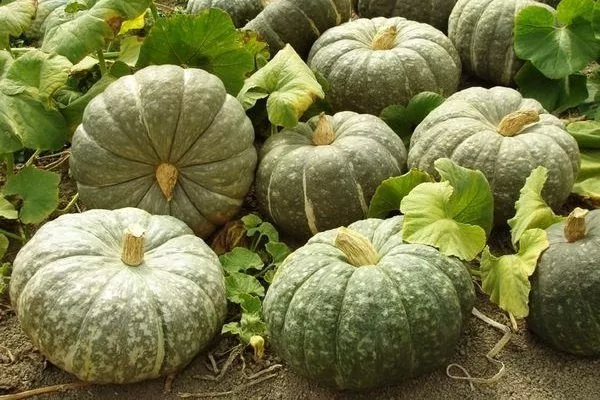
Parisian gold
Peculiarities:
- Form. The middle is flattened, the sides are rounded, and have clearly defined segmentation.
- Weight. The largest pumpkins grow up to 20 kg, but the average weight fluctuates around 12 kg.
- Color. Inside and outside orange with a hint of yellow.
- Pulp. Excellent, sweet. The flavor only improves with storage. Used in many desserts.
- Resistance to parasites and diseases. Increased.
- Growing season. After the seedlings appear, you need to wait 115 days.
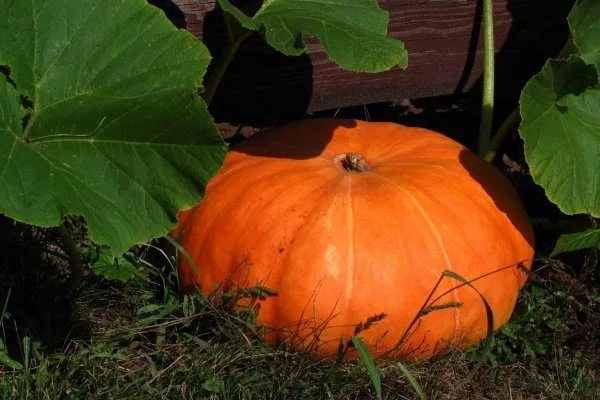
Volga gray
What is remarkable about this variety:
- Form. Rounded, smooth.
- Weight. Does not exceed 10 kg.
- Color. Gray-green, bright orange inside.
- Pulp. The fruits are sweet, juicy and dense.
- Resistance to parasites and diseases. Average.
- Growing season. It takes 120 days to mature.
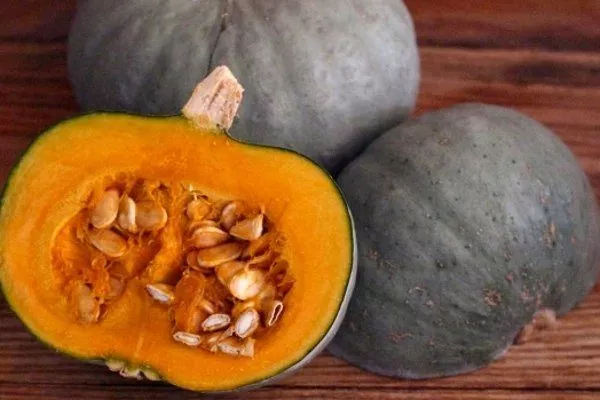
For porridges
It's believed that the most delicious porridge comes from starchy, not overly juicy varieties. The flesh of these pumpkins is crisp, slightly dry, but not very fibrous.
| Name | Ripening period, days | Fruit weight, kg | Fruit shape |
|---|---|---|---|
| Dawn | 110-115 | 5-8 | Round |
| Granddaughter | 105-110 | 2-3 | Round flattened |
| Smile | 80-90 | 0.5-1.0 | Round |
Dawn
What is the difference:
- Form. Rounded, slightly elongated, with poorly defined segments.
- Weight. It weighs about 7 kg.
- Color. Greenish-gray, with orange spots. Inside, a bright orange hue.
- Pulp. Dense, not very juicy, but pleasant to the taste. Contains many vitamins.
- Resistance to parasites and diseases. Average.
- Growing season. The harvest can be collected in as little as 110 days.
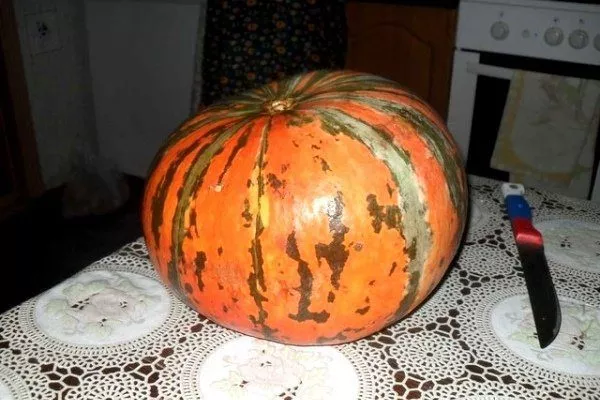
Granddaughter
Peculiarities:
- Form. Round, slightly flattened, with a rough surface.
- Weight. About 2-3 kg.
- Color. Greenish or orange, sometimes mixed. Yellowish inside.
- Pulp. Dense, starchy, with a nutty flavor.
- Resistance to parasites and diseases. Increased.
- Growing season. It takes 105-110 days to ripen.
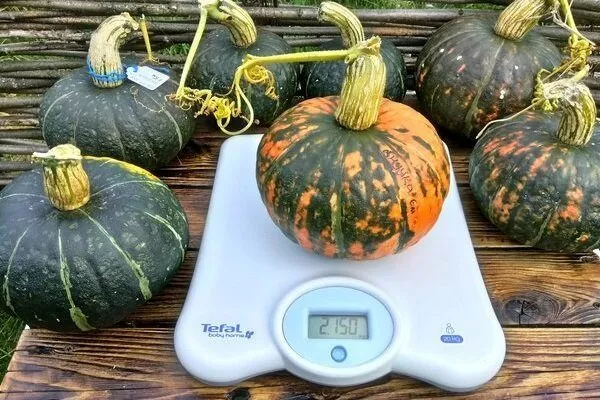
Smile
About the variety:
- Form. Spherical, slightly flattened at the top and bottom, neat.
- Weight. A very small variety, pumpkins grow to about 700 g, sometimes up to 1 kg.
- Color. The peel is orange, with thin light stripes. The inside of the pumpkin is orange.
- Pulp. The fruits are sweet, aromatic, but not very juicy.
- Resistance to parasites and diseases. High. Susceptible only to rot.
- Growing season. Ripens quickly, in just 80 days.
Decorative
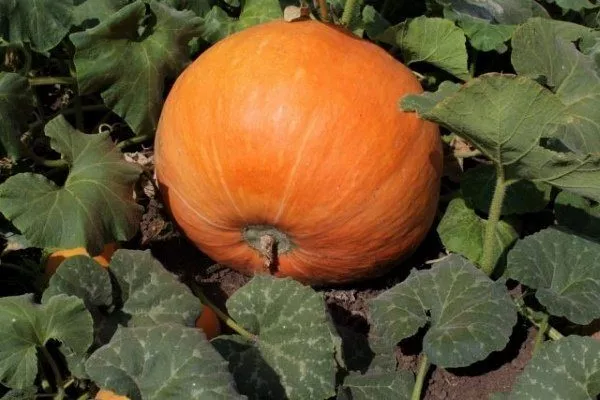
The popularity of this category lies in their unusual appearance. You can find neat little balls, small mushrooms, and even stars. These pumpkins look beautiful in a garden, especially if you install a trellis for the plants to climb.
| Name | Ripening period, days | Fruit weight, kg | Fruit shape |
|---|---|---|---|
| Pear | 90-95 | 0.1-0.3 | Like a pear |
| Crown | 110-120 | 0.1-0.3 | Rounded with "rays" |
| Warty | 95-100 | 0.1-0.3 | Rounded with growths |
| Little Red Riding Hood | 95-100 | 0.2-4 | Light below, red above |
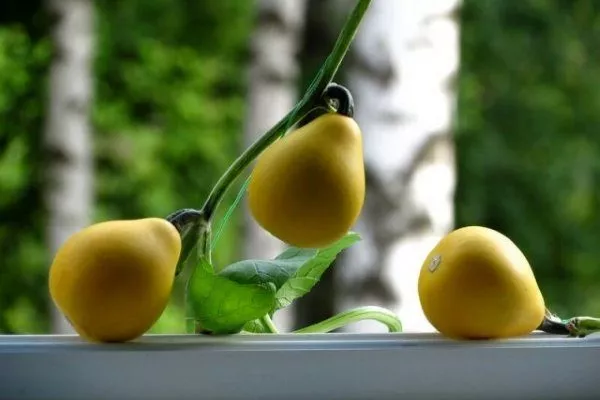
Pear
What's interesting:
- Form. Pear-shaped. From a distance, the fruits resemble small pears, wider at the bottom and elongated at the top.
- Weight. Very small, about 100-300 g.
- Color. It can be yellow or greenish. Some species have a lighter upper part and a grayish underparts, decorated with white stripes.
- Pulp. Not fit for consumption.
- Resistance to parasites and diseases. Average.
Crown
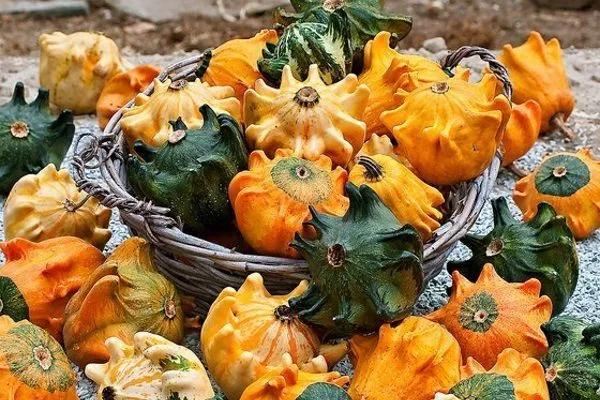
What is known:
- Form. They have an unusual appearance, resembling a star or crown. Several ray-like growths extend from a rounded center.
- Weight. Small, up to 200 g.
- Color. Diverse. There are yellow-white, greenish-gray, and mixed varieties.
- Pulp. Rarely suitable for cooking.
- Resistance to parasites and diseases. Average.
Warty
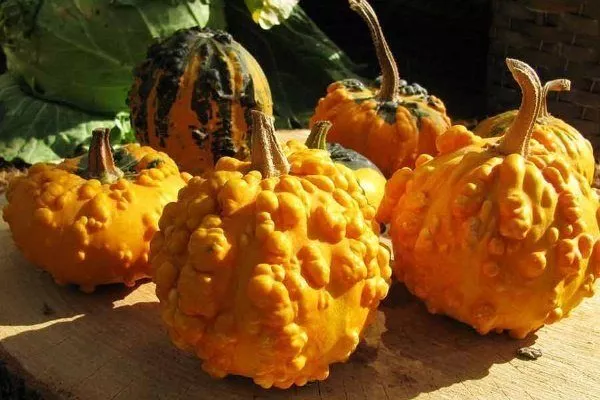
What's unusual about them:
- Form. The pumpkins are round, covered with small growths that resemble warts in appearance.
- Weight. Within 300 g.
- Color. Multicolored. A mix of black, dark and light green, orange, and yellow.
- Pulp. They don't eat.
- Resistance to parasites and diseases. Average.
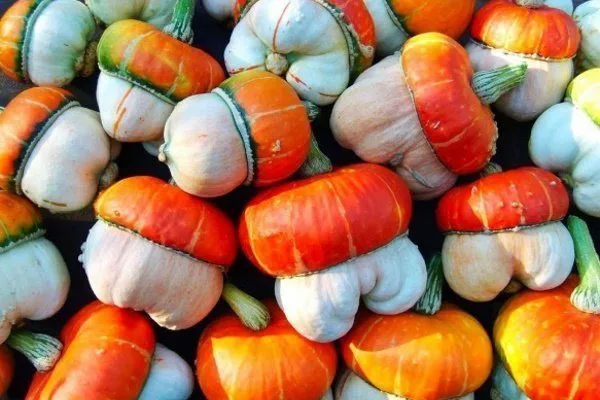
Little Red Riding Hood
How to distinguish:
- Form. It resembles a mushroom or a head with a “cap” on it.
- Weight. They reach 5 kg.
- Color. Orange on top, lighter underneath. Orange-tinted inside.
- Pulp. Pleasant, sweet, can be eaten raw.
- Resistance to parasites and diseases. Good.
- Growing season. Requires 100 days to maturity.
Forage
They are grown as livestock feed. Pumpkins are used to make silage or are fed raw.
| Name | Ripening period, days | Fruit weight, kg | Fruit shape |
|---|---|---|---|
| Hundred-pound | 110-120 | 15-20 | Round |
| Basal | 110-115 | 8-10 | Round |
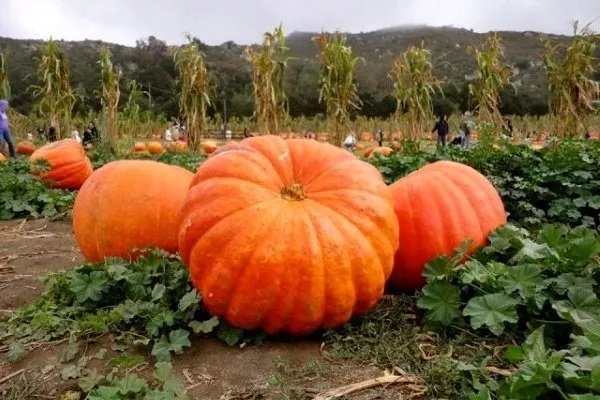
Hundred-pound
Among the parameters:
- Form. Rounded, with clearly defined segments.
- Weight. Reaches 20 kg.
- Color. Bright orange, creamy yellow inside.
- Pulp. The pumpkin is sweetish and has a loose texture.
- Resistance to parasites and diseases. Good.
- Growing season. It takes about 120 days to mature.
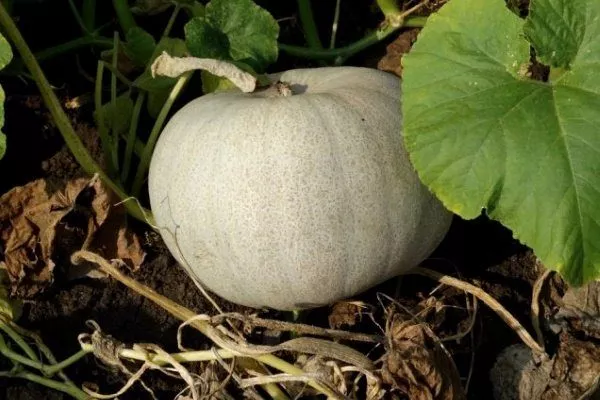
Basal
Peculiarities:
- Form. Rounded, smooth surface.
- Weight. Within 10 kg.
- Color. Gray on the outside, with a mesh pattern. Bright orange on the inside.
- Pulp. Dense, with a high juice content.
- Resistance to parasites and diseases. Average.
- Growing season. The fruits reach maturity in 110 days.
Hybrids
Varieties in this category were bred in a laboratory by crossing two or more varieties. They have a more pronounced flavor and good resistance.
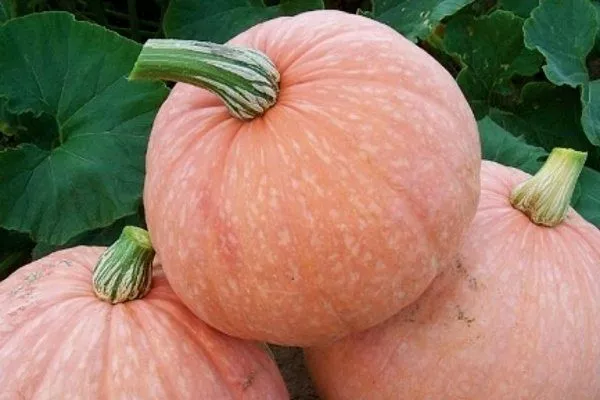
Ruddy donut F1
What is it valued for:
- Form. Rounded, with clearly distinguishable segments.
- Weight. Reaches 8 kg.
- Color. The pumpkin is orange with a pink tint on the outside and brighter on the inside.
- Pulp. Full of juice, sweetness.
- Resistance to parasites and diseases. Average.
- Growing season. It will take up to 100 days for the fruits to ripen.
Matilda F1
What to look out for:
- Form. Oblong at the top and widened towards the bottom.
- Weight. Small, up to 3 kg.
- Color. The skin is light orange, yellowish or almost white, with an orange color inside.
- Pulp. The fruits are juicy, aromatic, sweet.
- Resistance to parasites and diseases. Average.
- Growing season. You need to wait 115 days after emergence before harvesting.
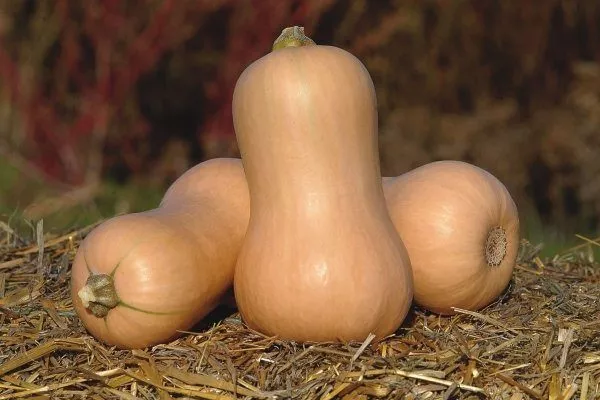
Hazelnut F1
How to distinguish:
- Form. Rounded, with a smooth surface.
- Weight. Does not exceed 2 kg.
- Color. Bright orange, with barely noticeable greenish stripes. The inside of the pumpkin is yellowish.
- Pulp. It is considered not sweet and juicy enough.
- Resistance to parasites and diseases. The plant needs good additional protection.
- Growing season. It takes about 90 days to mature.
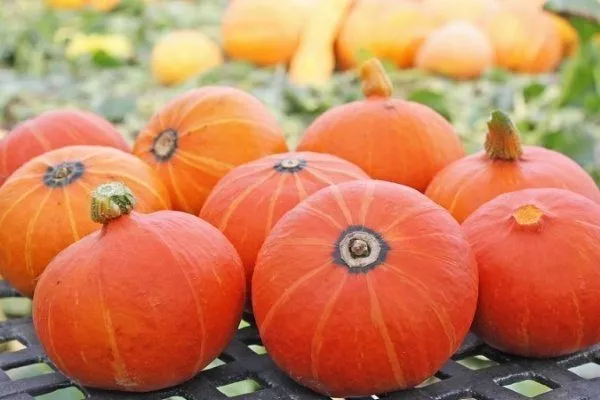
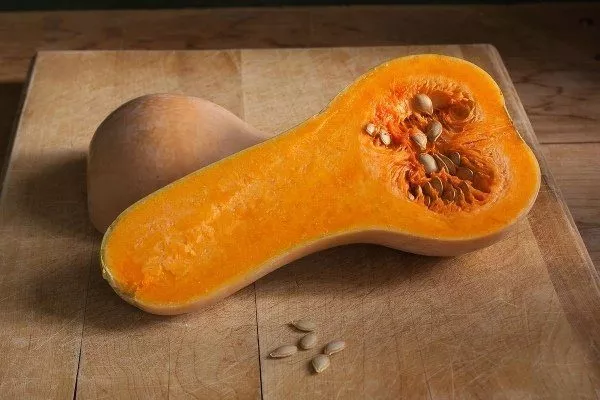
Nutmeg
Varieties of this type were first developed in the south, in Mexico. It is considered one of the most popular pumpkin varieties due to its pleasant nutmeg aroma and long shelf life.
Spanish guitar
What to look out for:
- Form. Reminiscent of the musical instrument of the same name, it's elongated at the top and slightly thicker at the bottom.
- Weight. Usually no more than 8 kg.
- Color. Outside it is a soft orange with shades of grey, inside it is brighter.
- Pulp. The taste is unusual, with notes of apricot.
- Resistance to parasites and diseases. Requires additional protective measures.
- Growing season. The ripening period varies within 100 days.
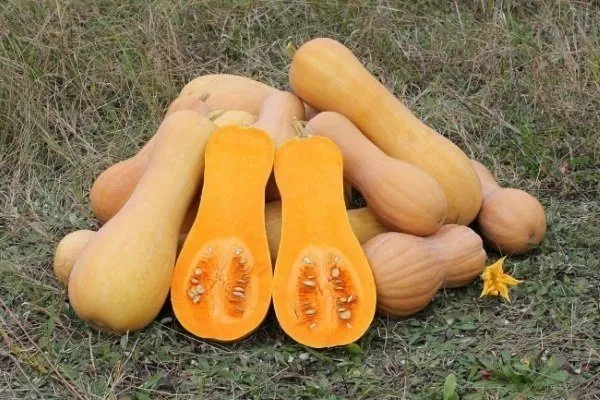
Muscat de Provence
What are the characteristics:
- Form. Flattened inside, with rounded edges and clearly defined segments.
- Weight. Not very large, up to 4 kg.
- Color. Brown with a slight almond tint. Orange inside.
- Pulp. Full of juice, sweetness.
- Resistance to parasites and diseases. Average.
- Growing season. Ripening can take up to 110 days.
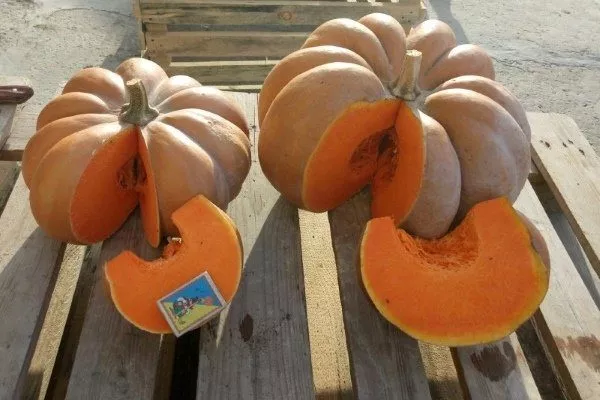
Nutty
How to distinguish:
- Form. It resembles a pear. Elongated at the top and thicker at the bottom.
- Weight. The fruits are small, up to 2 kg.
- Color. The skin is light orange, with thin green stripes near the stem. Inside, the hue is more intense, with a yellowish tint.
- Pulp. It has a pleasant taste with hints of nuttiness.
- Resistance to parasites and diseases. Low.
- Growing season. It takes 90-110 days to harvest.
With an unusual taste
The varieties presented below have unusual taste characteristics.
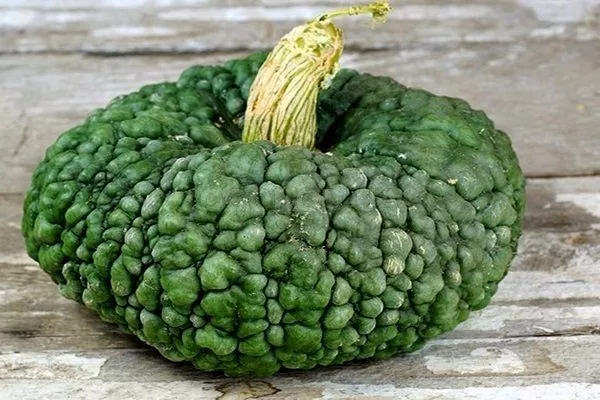
Marina from Kioja
What's special about it:
- Form. Slightly flattened, covered on the outside with growths resembling warts.
- Weight. Possible within 12 kg.
- Color. Rich, poisonous green. Inside, bright yellow.
- Pulp. It has a very interesting taste of hazelnuts and sweet exotic fruits.
- Resistance to parasites and diseases. High.
- Growing season. The harvest is collected 130 days after germination.
Other names for the variety are "Sea Monster" and "Frog Princess".
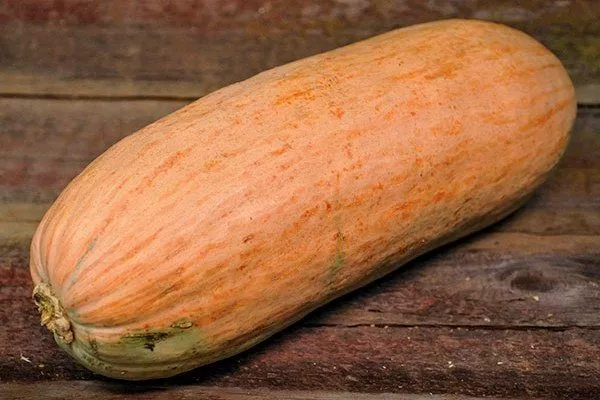
Pastila-champagne
What's unusual:
- Form. It resembles a zucchini. Oval, oblong, with unclear segment lines.
- Weight. Fluctuates between 2.5-3.5 kg.
- Color. The skin is orange-pink, with a green tint. The inside of the pumpkin is yellowish.
- Pulp. It has a vanilla aroma and a slight melon flavor.
- Resistance to parasites and diseases. Average.
- Growing season. It takes 90 days for pumpkins to fully ripen.
Early maturing
Fruits in this category take about 90 days to ripen. They are typically small, neat, and cold-hardy.
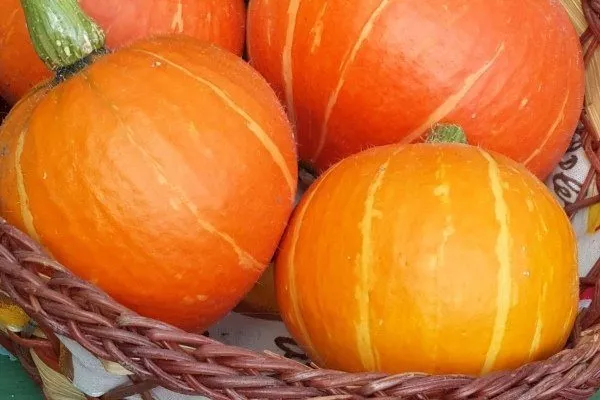
Amazon
Main characteristics:
- Form. Rounded, smooth.
- Weight. It weighs from 500 g to 1 kg.
- Color. Bright orange with white stripes. Yellowish inside.
- Pulp. The pumpkin is juicy, sweet, and suitable for baby food.
- Resistance to parasites and diseases. Average.
- Growing season. It takes up to 90 days to produce a harvest.
Medicinal
What are the features:
- Form. With a smooth surface, slightly flattened in the center.
- Weight. Fluctuates in the range of 3-6 kg.
- Color. The outside is a gray-green skin with light stripes. The inside is a rich orange color.
- Pulp. Delicate in taste, contains many useful substances.
- Resistance to parasites and diseases. Good.
- Growing season. It takes about 90 days from germination to harvest.
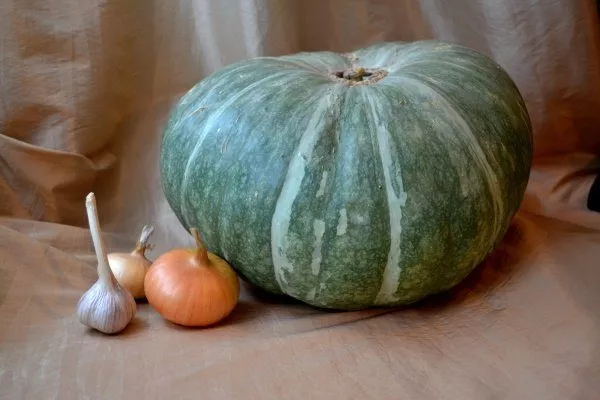
Gribovskaya bush 189
How to distinguish:
- Form. It looks like a watermelon, oval, smooth.
- Weight. Rarely gains weight more than 7 kg.
- Color. A rich green with lighter stripes. The inside of the pumpkin is a vibrant orange.
- Pulp. Full of juice, sweet, crumbly.
- Resistance to parasites and diseases. High.
- Growing season. You can get a harvest as early as 80 days after emergence.
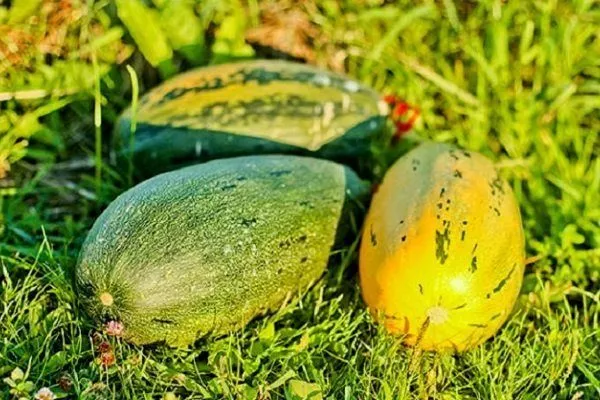
Mid-season
This variety of pumpkin takes 91 days or more to mature. They have excellent shelf life and can be stored for quite a long time.
Hylea
What are the characteristics of plants:
- Form. Round, smooth, segments are distinguished by barely noticeable furrows.
- Weight. It weighs from 6 to 9 kg.
- Color. The rind is a pleasant orange color. The inside is a vibrant orange.
- Pulp. Sweet, juicy, with hints of nutmeg.
- Resistance to parasites and diseases. Good.
- Growing season. Ripens within 110 days.
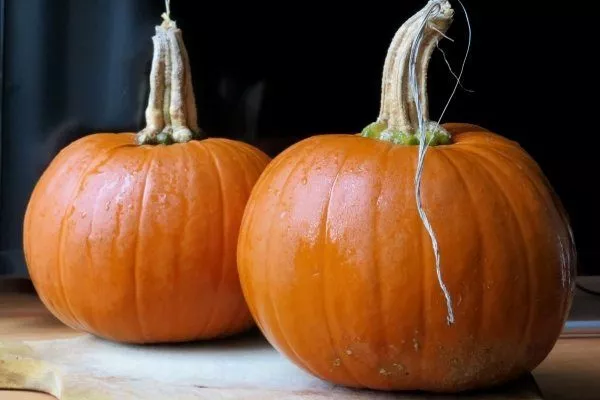
Almond
A little about the parameters:
- Form. Round, smooth, slightly flattened in the center.
- Weight. Pumpkins grow to about 5 kg.
- Color. Red-orange with rich green stripes outlining the segments. Inside, a vibrant orange.
- Pulp. It is distinguished by its high juice content.
- Resistance to parasites and diseases. Average.
- Growing season. Ripens in 110 days.
Pumpkin can be stored for up to 9 months.
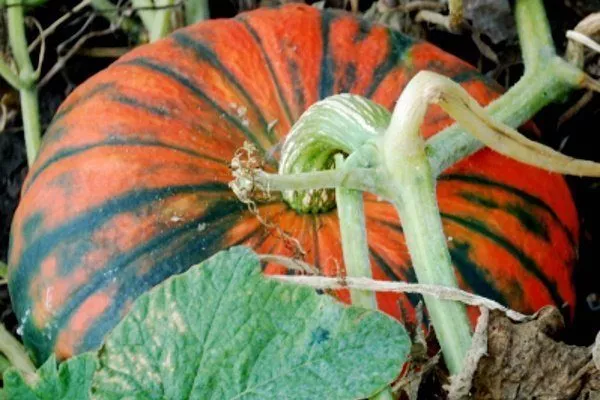
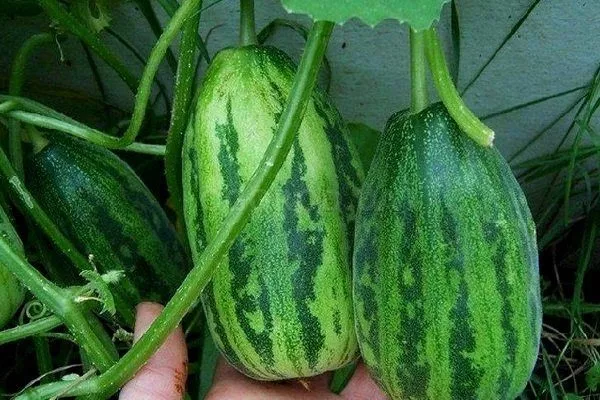
Cucumber melon
What interesting things are known about the variety:
- Form. Elongated, reminiscent of a zucchini or cucumber.
- Weight. Usually small, about 1 kg, the largest representatives reach a weight of 5 kg.
- Color. Rich, with alternating stripes of poisonous and light green. Yellowish inside.
- Pulp. The taste is similar to cucumber, full of juice.
- Resistance to parasites and diseases. Average.
- Growing season. On average, it takes 105 days to mature.
Late-ripening
The ripening period is 120 days or more. They typically produce large pumpkins with thick skin and a long shelf life.
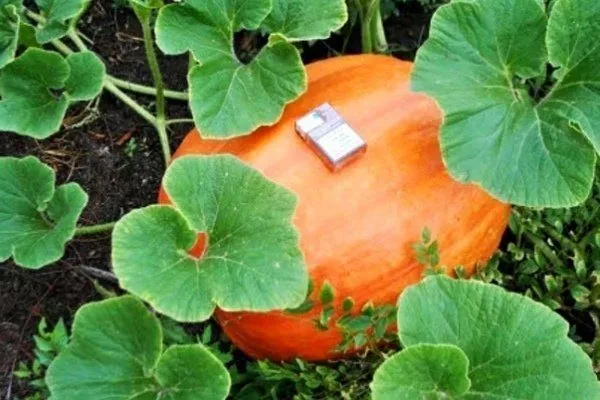
Atlas
Peculiarities:
- Form. Round-oval.
- Weight. The average weight is about 20-30 kg, but under good conditions you can get fruits weighing up to 70 kg.
- Color. The skin is smooth, orange in color, and the cut pumpkin is golden-orange.
- Pulp. Slightly oily texture, slightly sweet.
- Resistance to parasites and diseases. Good.
- Growing season. Harvested 140 days after planting.
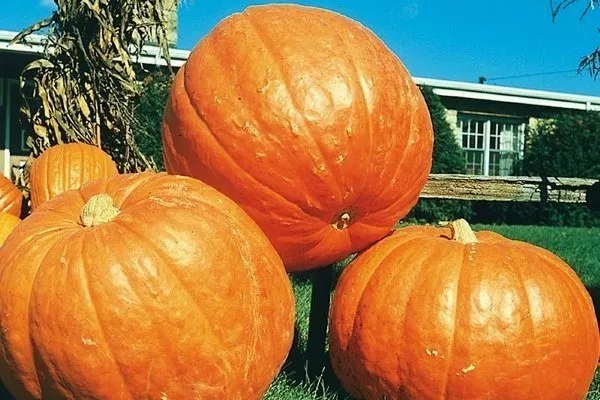
Big Max
How to distinguish:
- Form. Rounded, without signs of segmentation. The surface is marked with small convex grooves.
- Weight. On average, it is 15 kg.
- Color. The skin is bright orange, sometimes interspersed with cream-colored spots. The skin is orange in cross-section.
- Pulp. The pumpkins are dense and sweet.
- Resistance to parasites and diseases. High.
- Growing season. It takes 130 days from germination to harvest.
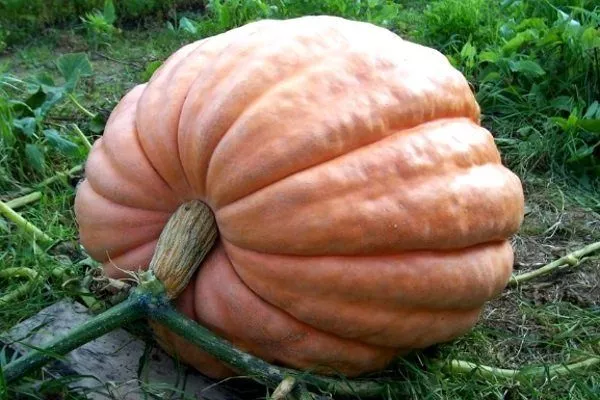
Titanium
Information:
- Form. It has a rounded, clearly segmented shape.
- Weight. Considered the largest member of its species, it can produce fruits weighing over 100 kg.
- Color. The skin is orange, the contents are slightly darker.
- Pulp. Slightly bland. Usually grown for large fruit.
- Resistance to parasites and diseases. Good enough.
- Growing season. Ripens in 120-140 days.
For the South
This category includes heat-loving plants that may die if the temperature drops below 15 degrees.
Pearl
What to look out for:
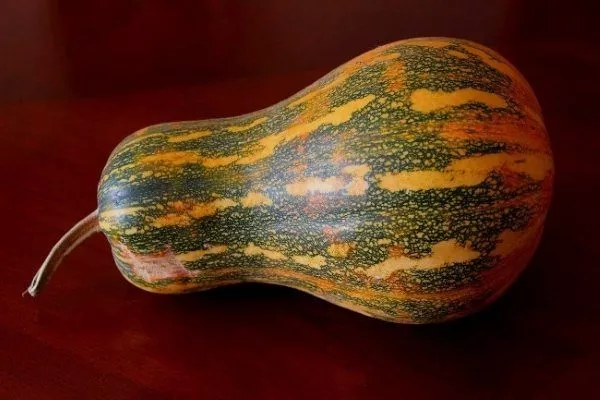
- Form. It resembles a pear. It is slightly narrowed at the top and widens towards the bottom.
- Weight. It is possible to grow fruits weighing up to 8 kg.
- Color. Striped – green alternates with gold. Inside, it's a soft yellow.
- Pulp. Sweet, juicy, and crispy. It has a very distinctive aroma.
- Resistance to parasites and diseases. Low. Requires special protection.
- Growing season. It takes no more than 105 days for a pumpkin to fully mature.
Vitamin
Some information to remember:
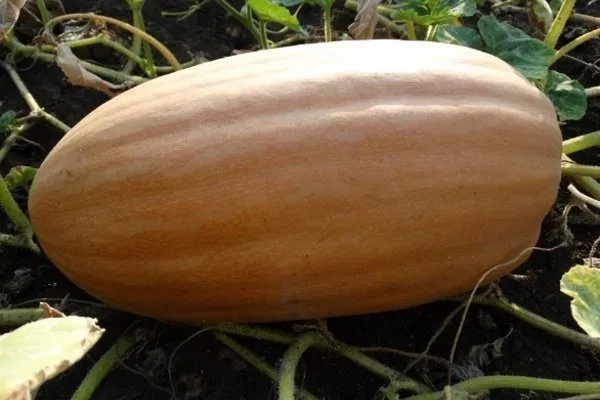
- Form. Oval, slightly elongated at the end. Surface with weak segmentation.
- Weight. Fluctuates within 7 kg.
- Color. The skin is a delicate orange with a creamy tint. When cut, it is bright yellow.
- Pulp. Contains a large amount of vitamins, very sweet.
- Resistance to parasites and diseases. Good.
- Growing season. A long-term crop – 125 days.
Prikubanskaya
About pumpkin:
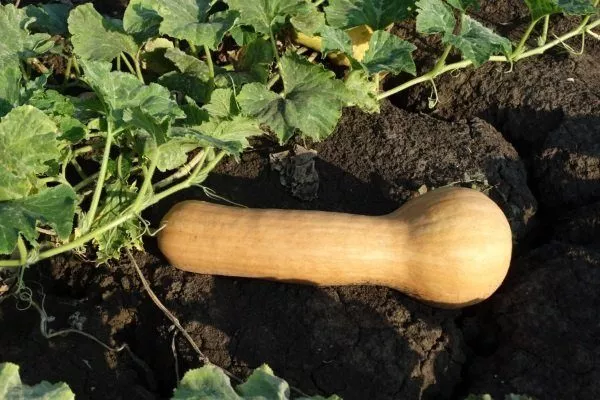
- Form. Oblong at the top, thickening towards the bottom. The surface is smooth, with barely noticeable segmental grooves.
- Weight. Small, within 4 kg.
- Color. Orange on top, with a brownish tint. Inside, a rich orange hue.
- Pulp. The fruits are very healthy and sweet.
- Resistance to parasites and diseases. Average.
- Growing season. You need to wait 100 days after the seedlings appear and only then harvest.
For the Middle Belt
Vegetables that grow well in a temperate climate are valued.
Sweet pie
What parameters determine the grade:
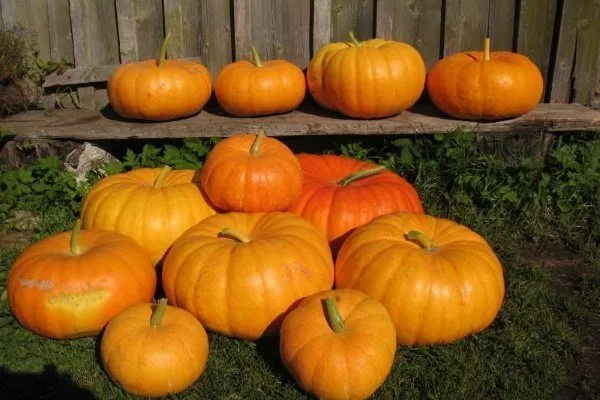
- Form. Neat, rounded, with barely noticeable furrows on the surface.
- Weight. It weighs only about 3 kg.
- Color. The rind is reddish-orange, with a greenish tint in places. When cut, it appears golden-yellow.
- Pulp. Crispy, juicy, has a pleasant taste.
- Resistance to parasites and diseases. Average.
- Growing season. Harvesting occurs 90 days after emergence.
Candied fruit
It is necessary to take into account the following features:
- Form. Rounded at the edges, slightly flattened in the middle. The surface is divided by vaguely defined furrows.
- Weight. With good care, you can grow fruits up to 5 kg.
- Color. The skin is bright or soft orange, the inside is golden-yellow.
- Pulp. The fruits are juicy, crispy, with a pleasant aroma.
- Resistance to parasites and diseases. Average.
- Growing season. It can take up to 120 days for a pumpkin to mature.
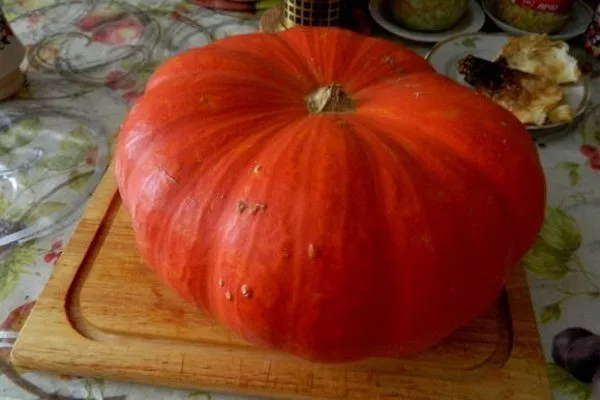
Premiere
Attention is drawn to:
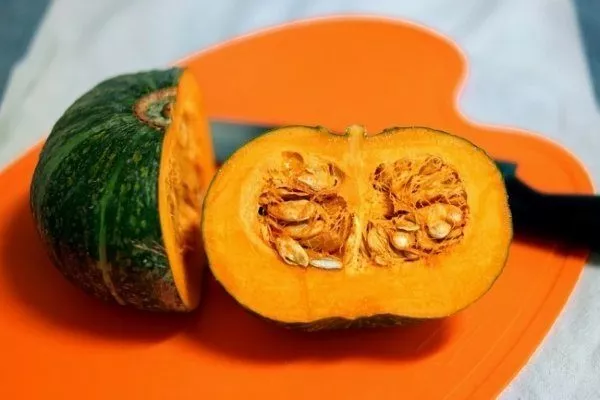
- Form. The pumpkins are round, slightly flattened towards the center.
- Weight. They grow to a weight of around 6 kg.
- Color. Dark green, with gray spots. When cut, the fruits have a golden-orange color.
- Pulp. Pleasant to taste, very sweet.
- Resistance to parasites and diseases. Good.
- Growing season. It may take up to 115 days to ripen.
For the Moscow region
Below are the varieties that are suitable for growing in the conditions of central Russia.
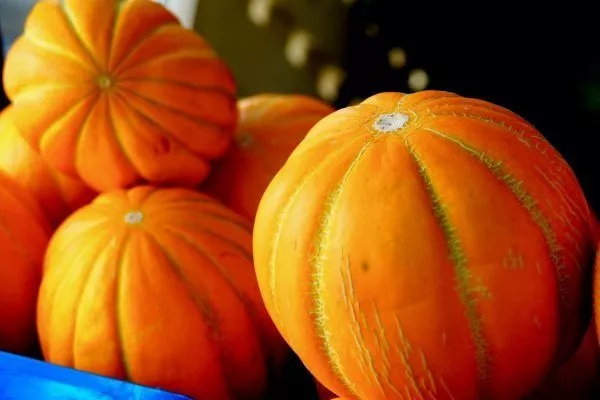
Melon
What is interesting is the following:
- Form. Round or slightly oval, with barely noticeable ribbing.
- Weight. Large, pumpkins grow to a weight of up to 30 kg.
- Color. The skin is a soft orange color, and when cut, the fruits have a pleasant yellow-gold hue.
- Pulp. Quite sweet, with a slight melon aroma.
- Resistance to parasites and diseases. High.
- Growing season. It will take up to 120 days to fully mature.
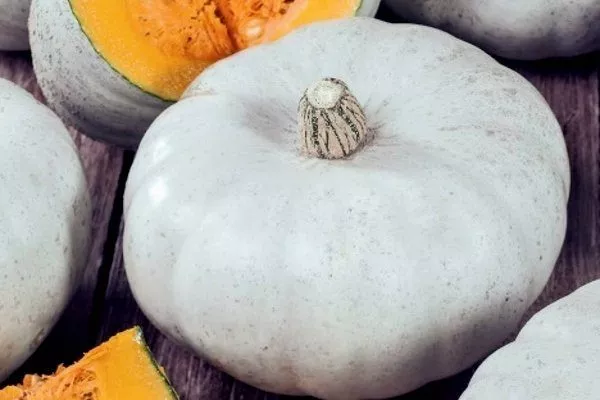
Gribovskaya winter
Variety traits:
- Form. Neat, rounded, smooth. The surface barely shows any furrows.
- Weight. No more than 7 kg.
- Color. Light gray-green. Inside, it has a red-orange or rich yellow color.
- Pulp. Pleasant tasting, juicy. Suitable for baby food.
- Resistance to parasites and diseases. High.
- Growing season. It is distinguished by its long ripening period – about 140 days.
Summer cottage
What is inherent:
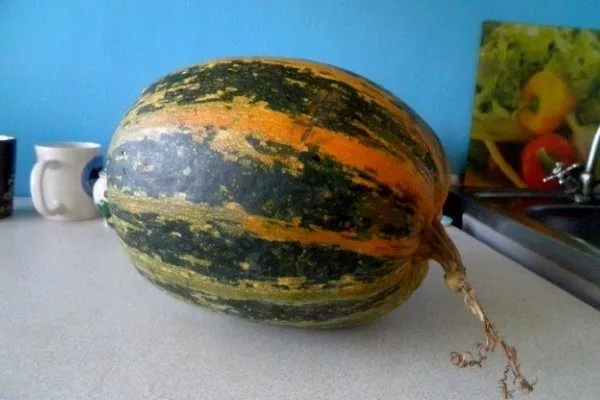
- Form. Oval or oval. With a smooth surface.
- Weight. The fruits are very small, about 2-3 kg.
- Color. The surface is striped with alternating dark green and yellowish stripes. The inside of the pumpkin is orange.
- Pulp. Sweet, juicy, with a pleasant vanilla aroma.
- Resistance to parasites and diseases. Increased.
- Growing season. Considered one of the earliest maturing varieties, it takes only 70 days.
For the Urals
This part of the country has harsher climatic conditions, so it is necessary to choose varieties that are resistant to cold.
Altai 47
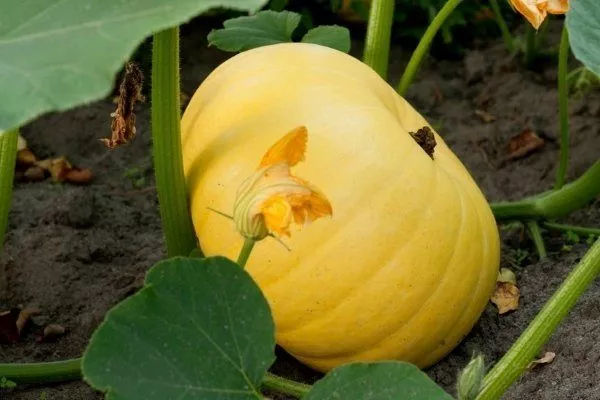
What you should know about the culture:
- Form. Rounded, smooth, with barely distinguishable division into segments.
- Weight. The pumpkins are not very big, only 3 kg.
- Color. The outside is a bright yellow skin, while the inside contains a lighter shade of the contents.
- Pulp. The fruits are fibrous in structure and not very sweet.
- Resistance to bad weather conditions. Good.
- Growing season. It takes about 80 days to fully mature.
Ufa
The significant features are as follows:
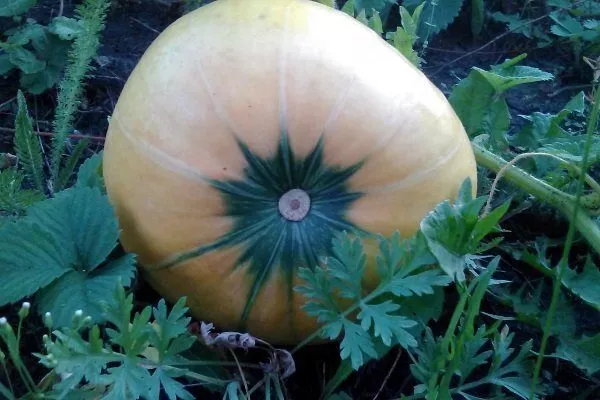
- Form. Round, slightly flattened in the middle, with slight furrows.
- Weight. No more than 7 kg.
- Color. Orange-yellow, with greenish spots. Inside is a slightly lighter color.
- Pulp. Not very sweet, but juicy and pleasant.
- Resistance to bad weather conditions. High.
- Growing season. The fruits take up to 90 days to reach maturity.
For Siberia
Growing this crop in this region requires special skill. The varieties presented are highly resilient and can withstand the cold Siberian climate. Fast-ripening pumpkins are highly prized.
Adagio
What is significant:
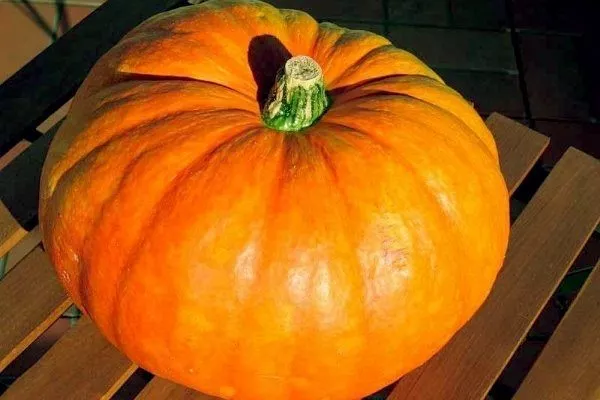
- Form. Very neat, rounded, smooth, with uniform segmentation.
- Weight. Not very big, only 3 kg.
- Color. The skin is a uniform orange color. The contents inside are slightly lighter.
- Pulp. The fruits are pleasant to taste, sweet, full of juice, rich in vitamins.
- Resistance to bad weather conditions. High.
- Growing season. It will take 100 days from germination to harvest.
Freckle
What's special about this variety:
- Form. The pumpkins are round, smooth, slightly flattened at the top and bottom.
- Weight. Quite small, rarely exceeding 3 kg.
- Color. The skin is gray-green, with a fine mesh pattern. A cut reveals a rich orange hue.
- Pulp. It tastes like a pear, juicy and sweet.
- Resistance to bad weather conditions. High.
- Growing season. The Freckles harvest is obtained within 90 days after planting.
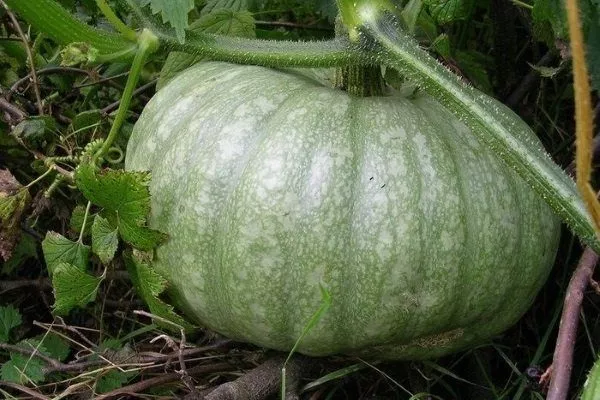
Table of the main characteristics of popular pumpkin varieties:
| Name | Peculiarity | Growing season, months | Fruit weight, kg | Fruit shape |
| Azure | Large-fruited | 105-115 | 5-8 | Round flattened |
| Flashlight | 95-110 | 4-7 | Round | |
| Russian porridge | 110-120 | 5-8 | Round | |
| Crocus | 105-115 | 4-7 | Round | |
| Baby | With small fruits | 90-100 | 2-4 | Round flattened |
| Candy | 110-115 | 1.5-2.5 | Round flattened | |
| Chit | 110-115 | 2-4 | Round | |
| Russian woman | 100-110 | 1.5-2.5 | Round, elongated towards the top | |
| Olga | With a hard crust | 110-120 | 4-7 | Oval |
| Bun | 90-100 | 1-2 | Round | |
| Lady's nail | 95-105 | 3-5 | Oval | |
| Honey dessert | Sweet | 100-110 | 5-10 | Round flattened |
| Winter sweet | 130-140 | 8-12 | Round flattened | |
| Parisian gold | 110-115 | 10-14 | Round flattened | |
| Volga gray | 115-125 | 8-10 | Round | |
| Dawn | For porridges | 110-115 | 5-8 | Round |
| Granddaughter | 105-110 | 2-3 | Round flattened | |
| Smile | 80-90 | 0.5-1.0 | Round | |
| Pear | Decorative | 90-95 | 0.1-0.3 | Like a pear |
| Crown | 110-120 | 0.1-0.3 | Rounded with "rays" | |
| Warty | 95-100 | 0.1-0.3 | Rounded with growths | |
| Little Red Riding Hood | 95-100 | 0.2-4 | Light below, red above | |
| Hundred-pound | Stern | 110-120 | 15-20 | Round |
| Basal | 110-115 | 8-10 | Round | |
| Ruddy donut F1 | Hybrids | 100-110 | 6-8 | Round |
| Matilda F1 | 110-115 | 2-3 | Elongated at the top, rounded at the bottom | |
| Hazelnut F1 | 90-100 | 1-2 | Round | |
| Spanish guitar | Nutmeg | 100-110 | 6-8 | Elongated at the top, rounded at the bottom |
| Muscat de Provence | 110-115 | 3-4 | Round flattened | |
| Nutty | 100-105 | 1-2 | Elongated at the top, rounded at the bottom | |
| Marina from Kioja | With an unusual taste | 120-130 | 8-12 | Round flattened |
| Pastila-champagne | 90-95 | 2.5-3.5 | Oval | |
| Amazon | Early maturing | 90-95 | 0.5-1 | Round |
| Medicinal | 90-95 | 3-6 | Round flattened | |
| Gribovskaya bush 189 | 80-90 | 5-7 | Oval | |
| Hylea | Mid-season | 110-115 | 6-9 | Round |
| Almond | 110-115 | 3-5 | Round flattened | |
| Cucumber melon | 105-110 | 1-5 | Oval | |
| Atlas | Late-ripening | 140-145 | 20-30 | Oval |
| Big Max | 130-140 | 10-20 | Round | |
| Titanium | 120-140 | 20-30 | Round | |
| Pearl | For the South | 105-110 | 5-8 | Pear-shaped |
| Vitamin | 120-125 | 5-7 | Oval | |
| Prikubanskaya | 100-110 | 3-5 | Elongated at the top, rounded at the bottom | |
| Sweet pie | For the Middle Belt | 90-95 | 2-3 | Round, slightly flattened |
| Candied fruit | 110-120 | 3-5 | Round flattened | |
| Premiere | 110-115 | 3-6 | Round flattened | |
| Melon | For the Moscow region | 110-120 | 10:30 | Rounded |
| Gribovskaya winter | 120-140 | 5-7 | Round | |
| Summer cottage | 70-80 | 2-3 | Oval | |
| Altai 47 | For the Urals | 80-85 | 2-3 | Rounded |
| Ufa | 85-90 | 5-7 | Round flattened | |
| Adagio | For Siberia | 90-100 | 2-3 | Round flattened |
| Freckle | 85-90 | 2-3 | Round flattened |
You can learn about the key qualities and growing characteristics of certain pumpkin varieties by watching the video below:
Each variety has its own advantages and disadvantages. Important characteristics include good resistance to pests and diseases, climatic conditions, and a pleasant taste. These qualities are what determine the best melon varieties.