
The Nectar pumpkin is a nutmeg variety renowned for its abundant yields and exquisite flavor. This versatile variety is ideal for a variety of processing methods, including fresh juice production. It exhibits good weather resistance, making it indispensable for gardeners living in areas with unstable climates.
Description of the variety and plant
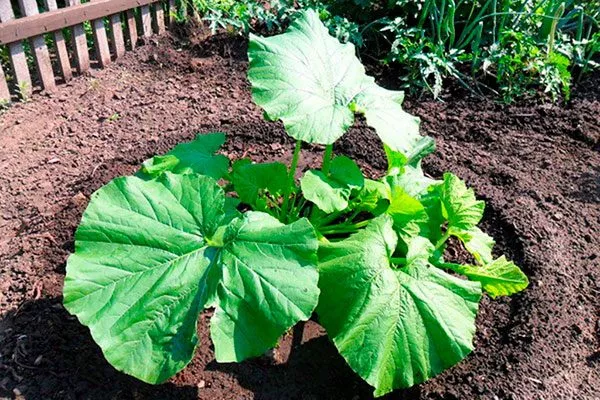
Nectar has a moderate potency, making it suitable for a variety of growing conditions. The plant's vines can reach three meters in length, so it needs sufficient space to thrive in garden beds or greenhouses.
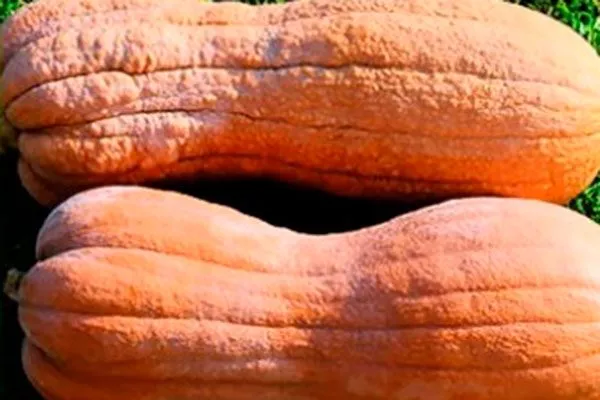
Features of the vegetable:
- the fruits are short-cylindrical in shape and painted in bright orange tones, which gives them a particularly attractive appearance;
- the weight of one pumpkin ranges from 4.5 to 6.5 kg, which indicates its significant size;
- the bark is thin enough to facilitate processing and culinary preparation;
- the pulp of the vegetable is dark orange in color, the density is average;
- The taste is distinguished by its sweetness and high content of carotene, which makes pumpkin not only tasty, but also very healthy.
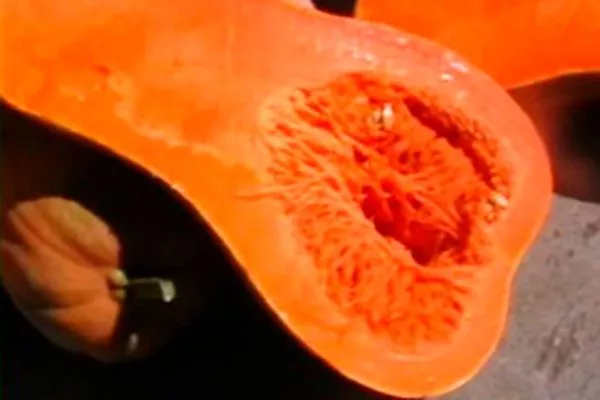
Nectar fruits are equally delicious fresh or processed in various ways, including canning, freezing, and using in desserts and baked goods. They are also excellent for making fresh juices.
Key Features
Butternut squash is an annual plant in the Cucurbitaceae family, native to Mexico. This species is distinguished by its particularly sweet flesh and vitamin-rich composition. Due to its low calorie content, butternut squash is often used for weight loss.

Important varietal characteristics:
- the variety is resistant to adverse climatic conditions, diseases and insects;
- ripening occurs later than other varieties, and the time from planting to harvesting takes from 125 to 135 days;
- The productivity of butternut squash varies from 9.5 to 11 kg per plant, which is a competitive indicator (this level of yield allows you to get numerous fruits even in a small area).
Butternut squash has a special nutritional value that significantly exceeds similar indicators of other pumpkin crops:
- the pulp of ripe fruits is rich in carotene - its quantity even exceeds that of carrots;
- The variety is rich in vitamins K, C, E, contains microelements and fiber.
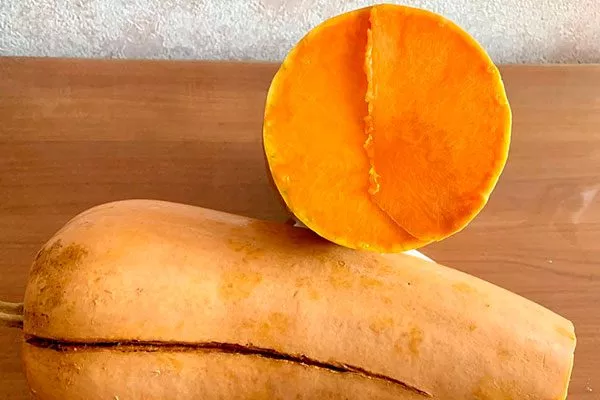
Thanks to this vitamin content, Nectar has a number of beneficial properties:
- helps maintain healthy vision;
- slows down aging;
- strengthens blood vessels;
- has a positive effect on blood composition;
- activates the elimination of toxins from the body;
- maintains immunity at the proper level.
Butternut squash has its own dietary restrictions. It should not be included in the diet of people suffering from the following conditions:
- diabetes mellitus;
- gastric ulcer, duodenal ulcer;
- problems with the pancreas;
- diseases associated with elevated bilirubin levels;
- gallbladder pathologies.
The main reason for such restrictions is the high sugar content of the fruits.
Growing
Caring for this variety is generally straightforward, although it prefers maximum warmth. Pumpkins can be grown from either seeds or seedlings. In southern regions, direct sowing is preferred, while in other parts of the country, protected conditions or seedlings will be necessary.
Selecting and preparing a landing site
It's best to choose a location with adequate light and sheltered from strong winds. Other priorities:
- pumpkin especially appreciates light loamy soils, but can also grow in other types of soil;
- you need to prepare the place in the fall by digging up the soil and fertilizing it with superphosphate and rotted manure;
- It is worth planting pumpkin in an area where corn, beans, potatoes, cabbage or onions were previously grown.
- ✓ Make sure the area has good drainage to avoid standing water.
- ✓ Check the soil pH; the optimal level for Nectar pumpkin is 6.0-6.8.
Preparing for sowing
First, soak the seeds in warm water (around 50°C) for 2 hours. Then cover them with a damp cloth until the sprouts appear.
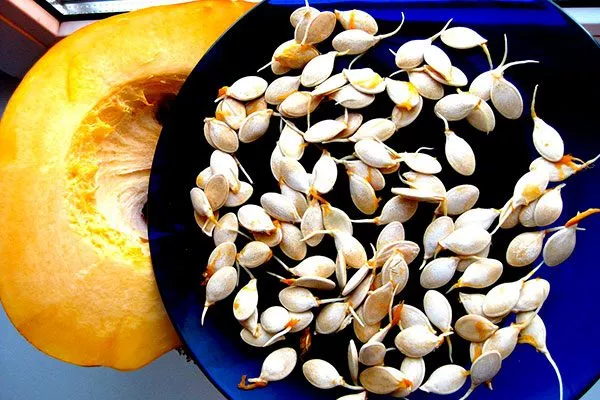
The use of a potassium permanganate solution for seed treatment is not required, since the prepared planting material has already been treated by the planting material manufacturer.
Features of cultivation
Seeds for seedlings are sown and grown using the traditional method. Seedlings should be placed in a room with a temperature of at least 22°C. Care for young plants includes regular watering, two applications of complex fertilizer, and hardening off.
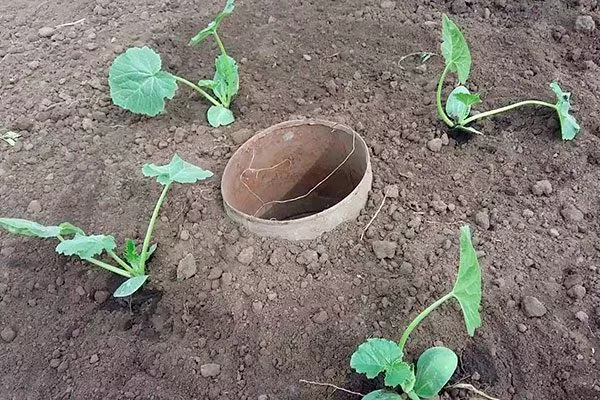
It's recommended to transplant seedlings into open ground when they have 2-4 leaves. The soil should be sufficiently warm, at least 10-12°C, which usually occurs by the end of May.
The optimal layout for planting Nectar butternut squash in beds is 60 x 60 cm. Each hole should be at least 10-11 cm deep. Before placing the plants in the holes, be sure to moisten them with water. The final step is to carefully cover them with soil, water, and lightly compact them.
Aftercare
Caring for Nectar includes the following steps:
- It is necessary to regularly cultivate the soil around the plants and monitor its aeration, for which you should carry out shallow loosening and weeding;
- Monitor the moisture level to prevent the soil from becoming too dry and cracking;
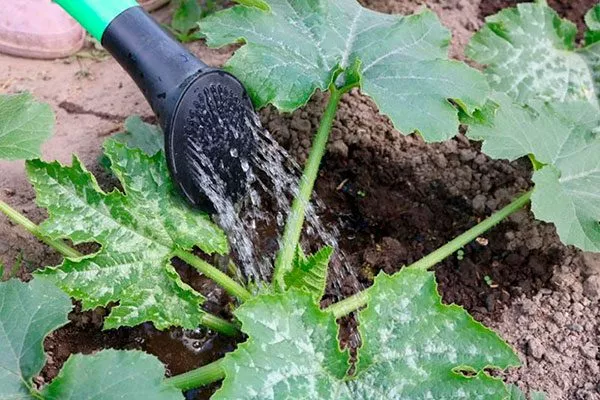
- At the beginning of the pumpkin growing season, water once a week, and after the ovaries have formed, increase the frequency of watering to twice a week;
- Nectar can develop without adding fertilizers, but to achieve high yields, fertilize the plantings at least two or three times;
- Butternut squash is capable of producing many ovaries, but if you do not remove excess shoots, the bush will produce many small fruits, so limit it to 4 fruits per plant;
- Two weeks before harvesting, you should stop watering.
To harvest mature vegetables, you should follow certain recommendations:
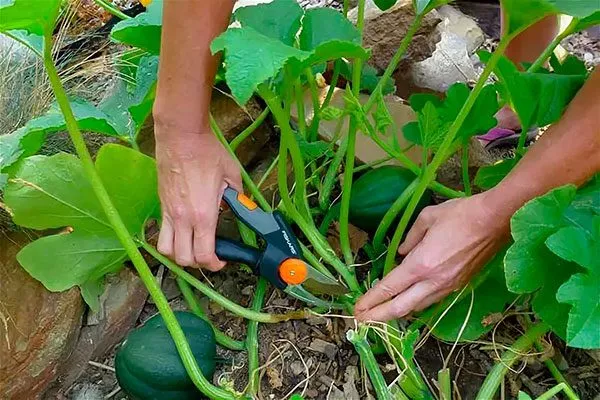
- You can’t tear off the pumpkin with your hands, it’s better to use a knife or pruning shears for this;
- It is preferable to harvest fruits in clear and dry weather;
- When cutting pumpkins, it is necessary to avoid damaging the skin to prevent infections from penetrating the vegetable and spreading to the remaining fruits.
After harvesting, it is recommended to store the fruit in a room with a comfortable temperature or in a dark, cool cellar. The ideal temperature for long-term storage is 12°C.
- ✓ Maintain air humidity at 70-75% to prevent fruit drying out.
- ✓ Ensure good ventilation in the storage area to prevent mold growth.
Reviews
The Nectar butternut squash has earned praise from gardeners for its versatile characteristics, but it is especially prized for its flavor and health benefits. This variety is ideal for making juices, porridges, casseroles, and more. Nectar is easy to grow, making it a popular choice for beginning gardeners.