
The Provencal Butternut squash is a popular variety of pumpkin. This vegetable boasts excellent qualities and a sweet, rich flavor. It's used in a variety of dishes, and its rich nutritional profile offers health benefits. Gardeners choose this variety for its long shelf life and high disease resistance.
History and regions of cultivation
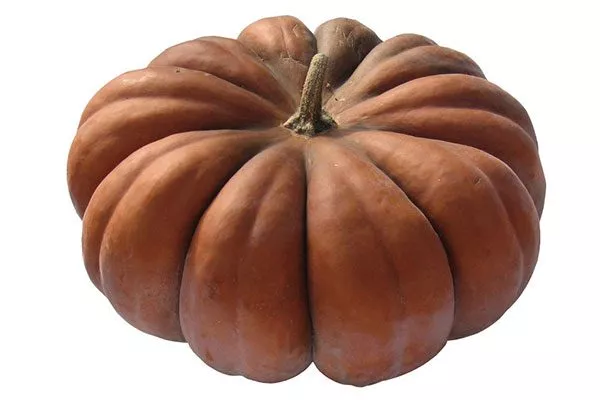
Muscat de Provence is an alternative name for a pumpkin developed by French breeders. The variety was officially registered and approved for use in 2013. It belongs to the nutmeg group and is considered a versatile pumpkin.
It has successfully adapted to the climatic conditions of most Russian regions. It is grown in the following areas of our country:
- Northern;
- Northwestern;
- Central;
- Volga-Vyatka;
- Central Black Earth;
- North Caucasian;
- Ural;
- West Siberian;
- East Siberian;
- Far Eastern.
In addition, the plants take root well in the Middle Volga and Lower Volga regions.
Description of the bush and fruits
This medium-vine variety has moderate growth vigor, and the length of its rough and slightly curved shoots reaches 3-4 m. Distinguishing characteristics:
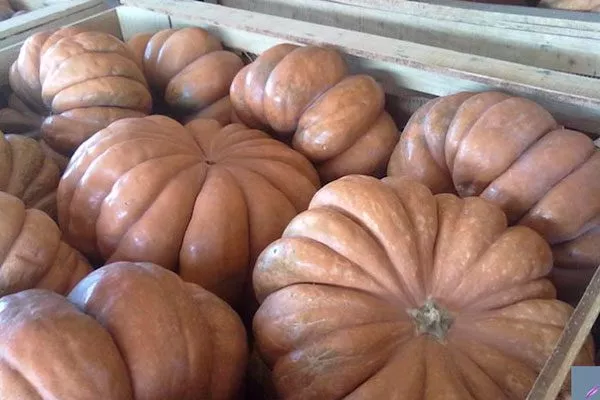
- The vegetables have a flat, round shape, they are segmented, with an impressive weight of 3 to 8 kg.
- The bark is thin, slightly ribbed, and brownish-orange with a grayish tint. The flesh is similarly colored but more intense. It is dense, moderately juicy, and 8-10 cm thick.
- The loose plantlets contain medium-sized seed pods filled with numerous cream-colored seeds.
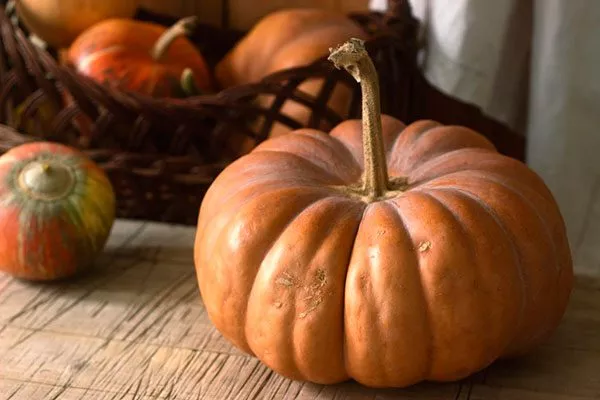
The fruits contain more than 6% dry matter and have a high content of carotene.
Main characteristics
Sweet and delicious pumpkin varieties are available in a wide variety today, with many successful options. The Muscat de Provence is one of the most popular subspecies, boasting excellent qualities. This variety demonstrates excellent adaptation and good productivity in temperate climates.
Ripening time and yield
It belongs to the mid-late category. The period from germination to harvest is 110-115 days. Harvesting typically begins in September.
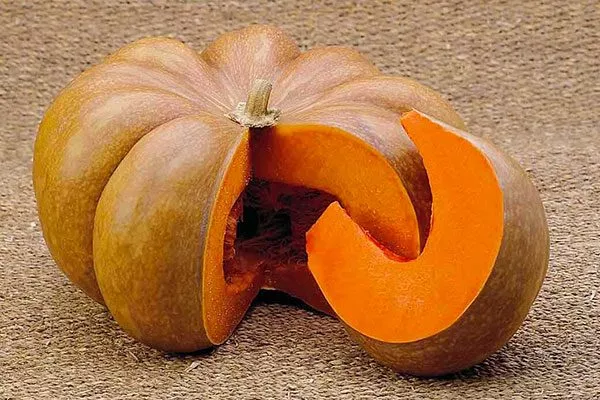
The butternut squash boasts a good yield—on average, 2.8 to 4.3 kg can be harvested per square meter. However, under ideal growing conditions, this figure can be significantly higher.
Application of fruits
These versatile vegetables are widely used in cooking. Juicy, aromatic, and delicious, pumpkins are used to make desserts, candied fruits, first and second courses, and are also used to make juices, preserves, jellies, and marmalades.
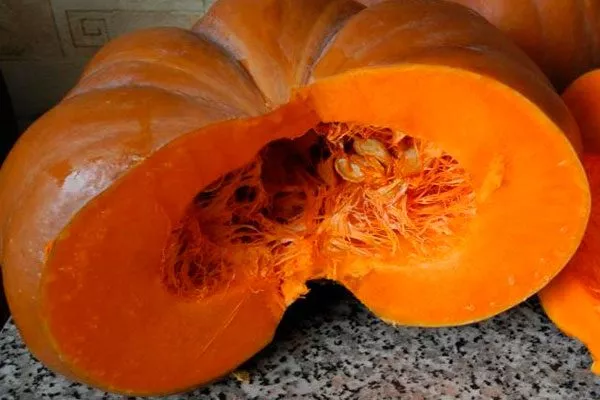
Muscat de Provence is suitable for baby food and dietary recipes. It is distinguished by its distinct sweetness and excellent flavor.
Beneficial properties
Butternut squash is prized for its low calorie content and minimal sucrose content, making it an excellent choice for those on a diet. The flesh is characterized by a delicate, sweet flavor and a firm texture reminiscent of young almonds.
This versatile vegetable is beneficial both raw and cooked. Regular consumption of this product helps:
- removing excess water from the body;
- elimination of swelling caused by excess fluid;
- positive impact on the nervous system;
- normalization of metabolism;
- improving digestion;
- enriching the skin with useful microelements;
Resistance to adverse weather conditions
The Muscat Provencal pumpkin demonstrates good tolerance to climate fluctuations. This variety is suitable for cultivation in various regions, as it grows easily in plots throughout the country.
The crop is quite resilient to temperature fluctuations and can withstand short-term droughts. However, to obtain a high-quality harvest, it is recommended to provide the plants with regular watering, especially during periods of intensive growth, and protect them from frost during late cold spells.
How to grow?
Planting and cultivating Muscat de Provence is a fascinating process. By following all the recommendations, you can reap a bountiful and delicious harvest. Gardeners use several methods to cultivate this vegetable.
Planting by seeds
This method involves sowing seeds directly into open ground. It's suitable for gardeners in southern regions with warm climates and fertile soil. The process involves several stages of planting material preparation:
- Disinfection. Buy from reputable stores and ensure the packaging is intact. Inspect the seeds for damage (spots or scratches) and discard any damaged ones.
Disinfect high-quality seeds by wrapping them in a cloth bag and soaking them in a hydrogen peroxide solution for 5 minutes. Then remove the seeds, spread them on cheesecloth, and dry them. - Hardening. Place the seeds in the freezer for 20 hours, then remove them and leave them at room temperature for 5 hours, then return them to the freezer. Repeat this process for 5 days. This helps strengthen the plants' immune system and improve their frost resistance.
Pre-dig the soil and perform a few agricultural procedures. Practice crop rotation and use green manure—plants that improve soil quality. Immediately before planting, lime the soil to reduce acidity and pour boiling water over it to kill harmful bacteria.
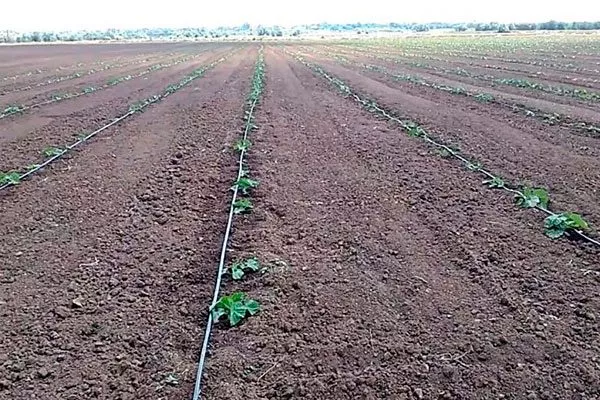
Sow Muscat de Provence seeds when the soil temperature reaches 10-12°C. Place three seeds in each hole, cover them with soil, and water thoroughly. Space the seedlings at least 1 m apart. The first shoots appear one week after sowing.
Planting with seedlings
This method is ideal for cold climates, including the Urals and Siberia. Follow these recommendations:
- Start the process by disinfecting the seeds, then move on to the germination stage. Place the seedlings in damp cheesecloth and leave them in a warm place for one week. This will increase germination and accelerate growth.
- Soak the seeds in Phytospirin+ or Epin. These products protect against diseases and pests. Follow the dosage instructions on the packaging, as too much of these stimulants can harm the plants.
- Plant seedlings in flower pots or wooden boxes using prepared soil or pre-disinfected potting soil. Place the containers in a warm, sunny location, and if there's insufficient light, provide supplemental lighting with fluorescent lamps.
- Water with settled and filtered water. Apply liquid organic fertilizer 10 days after planting, and mineral fertilizers, such as urea or ammonium nitrate, two weeks later.
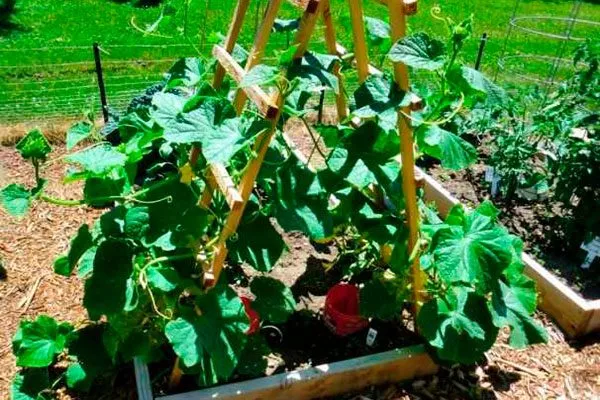
Transplant the seedlings into the ground in early May. Pumpkins thrive in beds after legumes or onions. Plant no more than 1-2 plants per square meter. To improve growing conditions, amend the soil with compost or peat.
Care
After the seedlings have been planted in the garden, it's important to give them some attention. The crop requires several standard agricultural practices. The yield and quality of the vegetables depend on these practices.
Weeding
Bindweed is a common plant in garden beds. Pull it out by the roots. This will help prevent further growth and competition with the pumpkin. Loosen the soil weekly, especially after rain or fog. This will improve oxygen access to the roots, prevent surface crusting, and ensure rapid absorption of water and nutrients.
Without regular weeding and loosening of the soil, it is impossible to obtain a high-quality harvest, as weeds take water and nutrients from plants, and a lack of oxygen in the soil can lead to root rot.
Watering
The first watering should be generous, and the next one should be done no sooner than 10 days later. Use rainwater, as it is softer than tap water and does not contain chlorine, which can harm plants.
To collect water, install containers and drainpipes in the area, choosing the size of the reservoir based on the size of the garden. Water after weeding or simultaneously with fertilizing to provide the best growing conditions for the plants.
Fertilizers
To get an excellent Muscat de Provence pumpkin harvest, alternate mineral and organic fertilizers. The variety responds well to Zdraven fertilizer, which you can find in gardening stores. It enriches the plant with calcium and nitrogen and helps protect against diseases.
Pumpkins respond well to liquid bird droppings – apply it 2-3 times per season, using about 100-150 g of fertilizer per 1 square meter. Effective fertilizers include ash, yeast, whey, and nettle infusion.
Stem support
When growing this plant, pay special attention to providing additional supports for the vines. The plant can produce 4 to 7 shoots, reaching up to 8 meters in length, requiring ample space. To compactly accommodate the entire green mass, use supports in the form of taut nets between the posts.
Large-mesh nets allow the stems to cling to them and support the bush. The supports shouldn't be too high, as the fruit is quite heavy—structures no higher than 50 cm are suitable.
Features of cultivation and possible difficulties
Beginners in vegetable gardening often face the challenge of properly shaping their plants. To ensure normal plant development, follow these recommendations:
- Leave only 2-3 pumpkins on each vine, remove other fruits and pinch off the top.
- There should be about 5 leaves on the bush, cut off the rest.
- If the shoots have reached 2 meters in length, carefully untangle them and lay them on the ground, covering them with soil. Water this area regularly – new roots will begin to form here, strengthening the plant.
- If the fruits become too heavy, create additional support from available materials.
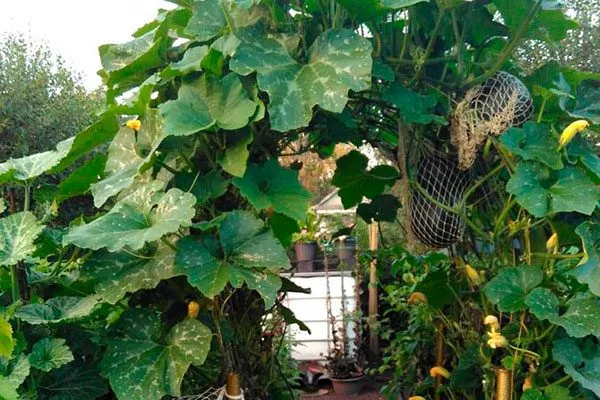
Without these measures, pumpkins won't have enough space and nutrients to fully develop. Pinching the tops helps stop excess growth when it's no longer needed.
Growing tips from experienced gardeners
To ensure a bountiful harvest, it's important to pay special attention to foliar feeding. One effective method is spraying with Bordeaux mixture, which protects Muscat grapes from harmful factors.
Gardeners recommend the following actions:
- When sowing, select the largest seeds;
- use liquid manure as fertilizer;
- Apply potassium salt and superphosphate twice;
- Avoid over-watering the soil.
Diseases and pests
Even with proper care, the crop can be susceptible to insect and disease threats. The most common are:
- Bacteriosis. It appears as small brown spots on the leaves. At the first sign of the disease, treat with a solution of copper sulfate and lime. If the fruit is infected, remove it and bury it.
- Root rot. A fungal infection that causes brown spots on stems and roots. It's caused by improper watering. It can be treated by spraying the soil with a copper sulfate solution.
- Powdery mildew. A fungal disease that causes a white coating on leaves. Fungal spores can be found in the soil or on weeds. Use colloidal sulfur to control it.
- WirewormsPests and worms that damage plant roots can be controlled with Bazudin, but be careful, as it is toxic.
- Sprout fly. Affects stems and leaves. To prevent this, thoroughly dig the soil and apply fertilizer before planting. In case of an attack, use a copper sulfate solution.
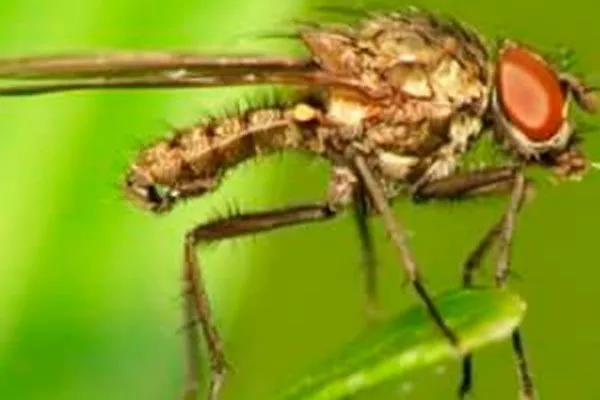
Carefully inspect the plantings for diseases and pests to ensure timely treatment and prevent the death of the bushes.
Harvesting and storage
The vegetable will need at least 120 days to fully develop its nutrients. Even if the fruit appears ripe, don't harvest it prematurely. Harvest only in warm, sunny weather, and the optimal time is September.
Helpful tips:
- A ripe pumpkin is characterized by a dried-out stem, which helps determine the right time for harvesting. The fruit's skin hardens and becomes covered with a thin, barely noticeable coating.
- Use pruning shears to cut, leaving part of the stalk - this prolongs the life of the fruit's appearance and taste.
- After harvesting, do not wash or peel the fruits. Store them in a dry, dark place, after drying them for 2-3 days in direct sunlight.
Until the first frosts of winter, store vegetables on a balcony, loggia, basement, or cellar. As soon as the temperature drops to -5°C, move them to a warm, dry room (around 15°C), and after two weeks, place them in a cooler location with temperatures no higher than 7-8°C and humidity of at least 60%.
Pros and cons
The butternut squash has several unique growing characteristics. It blooms for only a couple of days and is pollinated by bees. If pollination is insufficient, artificial pollination will be required. One or two fruits typically form on a single stem.
The crop has few negative properties. It is not suitable for growing in cold climates and has low resistance to fungal diseases, especially in excessively humid conditions.
Reviews
The Muscat Provencal pumpkin is an ideal choice for gardeners who appreciate a tasty, large-fruited pumpkin. With proper care and growing conditions, this variety will yield a bountiful harvest that can be stored until winter. However, for successful cultivation, it's important to consider the region's climate and ensure disease prevention.