
Muscade Agro is a striking example of the butternut squash variety. This popular mid-season variety from the Poisk agrofirm boasts good drought tolerance and is ideal for growing in open gardens. Its hallmark is the stunning dessert flavor of its fruit. Gardeners also appreciate the long shelf life of its harvest.
Description of the bush and fruits
Plants of this variety are well-developed, climbing, and vigorous. Like other butternut squash varieties, they are distinguished by their appearance:
- spreading;
- liana-like structure;
- strong stems with numerous tendrils, well suited for attachment to a support (the vertical growing method allows gardeners to save space in the garden bed);
- broad, lobed green foliage;
- flowers: orange-yellow, up to 6 cm in diameter.
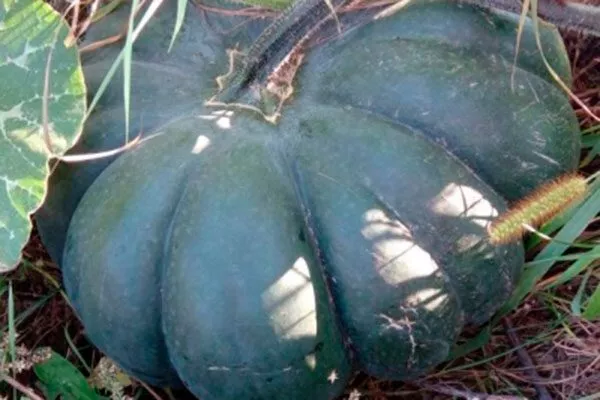
Muscade Agro's fruits are not very large, but they are quite attractive. They have high consumer qualities.
Pumpkins are characterized by the following indicators:
- flat-round shape;
- weight - from 2.6 kg to 4 kg;
- convex-segmented surface (due to the peculiarity of their structure, they are conveniently cut into large portions, each of which can weigh up to 1 kg);
- reddish-orange skin color, hard and smooth;
- pulp: rich orange in color, dense with a crunch, non-fibrous, with an oily consistency, juicy and aromatic, distinguished by a high content of sugars (up to 11.5%) and carotene (up to 30 mg per 100 g of pulp);
- small seed bottom;
- cream-colored seeds.
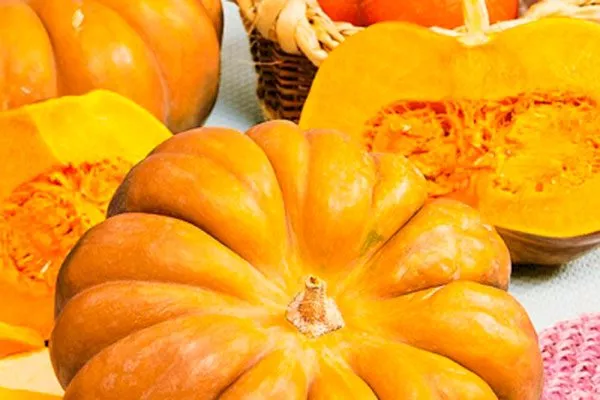
The tasting qualities of butternut squash are superb. Its flesh is very sweet and juicy. According to gardeners, the vegetable tastes like papaya. It has a rich aroma with hints of melon. Muscadet Agro is one of the most sugary varieties of the crop. It makes a healthy summer-fall dessert.

The nutmeg pumpkin variety has versatile uses. The flesh is so sweet, juicy, and aromatic that it can be eaten raw, sliced, or grated and seasoned with sour cream. It is widely used in home cooking:
- Housewives use the vegetable to prepare various dishes (cream soups, side dishes, sweet porridges, pancakes), various desserts, jam, marmalade, compote, bake slices with honey and nuts in the oven, fry in batter;
- processed into juice and puree suitable for baby food;
- canned in pieces "like pineapple" or "like mango";
- freeze;
- subjected to drying and withering.
The greatest health benefits come from eating Muscadet Agro pumpkin uncooked. This vegetable is rich in vitamins (A, C, E), minerals (potassium, calcium, phosphorus), and pectin. Including it fresh in your diet will cleanse your body, strengthen your immune system, and improve your vision and skin.
For fresh consumption, use pumpkins that have not yet reached full technical ripeness. They are more tender and juicy inside, and their skin has not yet had time to become too hard.
Main characteristics
The variety was developed by domestic breeders representing the Poisk agricultural firm. It was approved for use in 2015. It possesses the following characteristics:
- mid-season (the crop ripens in 125-130 days after germination, it is harvested from the garden from August to mid-September);
- high marketability of fruits;
- their good transportability;
- long shelf life of pumpkins (they remain fresh throughout the winter).
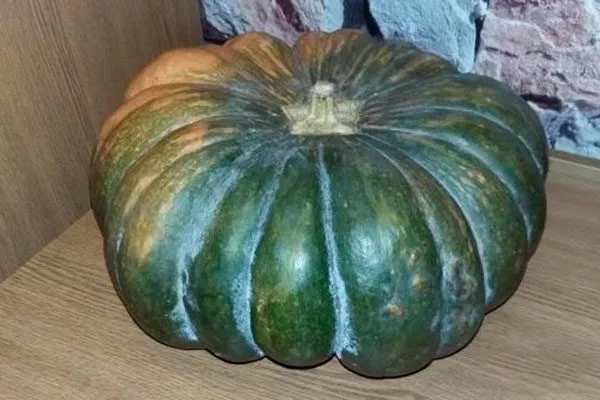
Growing and care
Experienced gardeners grow butternut squash using seedlings. They sow the seeds beginning in the second half of April. Planting is completed on May 10th. Then, when the seedlings are 15 days old, they are transplanted to the garden bed.
Requirements
To obtain a bountiful and high-quality harvest of the Muscadet Agro variety, maintain the most favorable conditions for plant growth and development:
- IlluminationThis vegetable crop is a sun-loving garden plant. A lack of sun will adversely affect the flavor of the pumpkin flesh, as its sugar content will be low. The plant's yield will also suffer.
To ensure the nutmeg variety performs at its best, plant it in an open, sunny area of your garden. It should receive at least 6-8 hours of direct light per day.
In areas with very hot and dry climates, it is preferable to place it in partial shade. - SoilThis variety of pumpkin thrives in fertile soil. Its bushes produce a bountiful harvest only if grown in loose, organically rich soils: dark sandy loam, light loam, or chernozem. The soil's acidity should be close to neutral (pH 6.0 to 7.5).
If your site is characterized by a close occurrence of groundwater, arrange raised beds for growing red vegetables. - Temperature conditionsButternut squash is quite a heat-loving plant. The younger the plant, the more sensitive it is to cold snaps. Grow it in soils warmed to 18-23°C. This will promote good root development. In cooler soil, the roots will be weak and shallow.
The most favorable temperature ranges for good development and fruiting of Muscade Agro are from +20°C to +30°C.
- ✓ The soil pH level should be strictly within 6.0-7.5 for optimal nutrient absorption.
- ✓ Drainage is mandatory to prevent water stagnation, especially in areas with close groundwater levels.
Soil for sowing
To grow pumpkin seedlings, use a general-purpose potting mix purchased at a flower shop. It's based on neutralized peat with a pH of 5.5-6.5. Before sowing the seeds, enrich the substrate with disinfected leaf mold and mature compost, maintaining a 1:2:1 ratio.
You can also sow in a homemade soil mixture. To make it, combine garden or horticultural soil with compost and sand (1:1:1). Disinfect it: pour boiling water or a potassium permanganate solution over it, steam it, and bake it in a frying pan or oven. Enrich the soil with a complex fertilizer.
Sowing seeds and hardening
Plant your pumpkin seedlings 20 days before you plan to transplant them to your garden. Use fresh seeds purchased from a reputable seller. If you're unsure of the quality of your seeds, treat them before planting using one of the following methods:
- soaking in a solution of brilliant green (5 ml of the preparation per 100 ml of water) or potassium permanganate (1-2%) for half an hour;
- treatment with any fungicide.
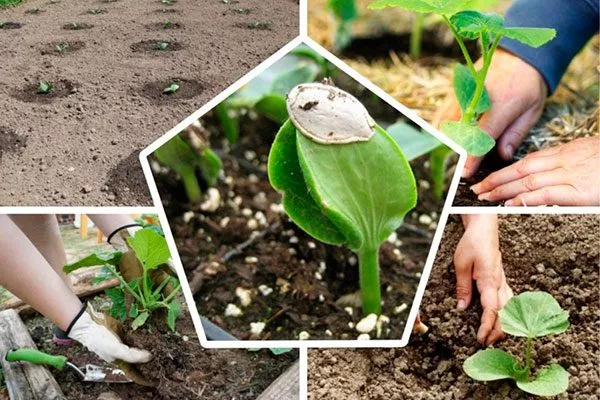
Fill clean and disinfected containers with nutrient-rich substrate. Sow 1-2 seeds in each. Cover with plastic wrap or glass. Leave in a warm place. Once the sprouts emerge, remove the covering material. Move the seedlings to a sunny windowsill. Water them moderately.
Before moving plants to the garden bed, harden them off. Follow these instructions:
- start manipulation when the seedlings reach 3-5 days of age;
- leave them by the open window or take them out onto the balcony every day;
- the outside air temperature is not less than +18°C;
- the first time, leave the seedlings in the fresh air for 1 hour;
- increase the duration of the procedure by 60 minutes every day;
- Let the seedlings spend the last night before transplanting outside the house under film.
Transplanting
Select a sunny, wind-free area for planting the Muscadet Agro variety, protected from drafts and not prone to groundwater flooding. The crop will grow especially well in a location that was used last season to grow good pumpkin precursors:
- garlic;
- beans;
- peas;
- cabbage;
- potatoes;
- Luke;
- beans;
- green manure plants.
Avoid growing vegetables in the same spot for several years in a row. Avoid using soil that was previously used for tomatoes, eggplants, peppers, watermelons, melons, carrots, zucchini, cucumbers, or turnips.
When planting pumpkin seedlings, follow the recommended growing pattern for climbing varieties. This will provide the plants with the necessary nutritional space for proper development. Maintain the following distance between seedlings:
- not less than 1 m - in a row;
- 2.5-3 m — between rows.
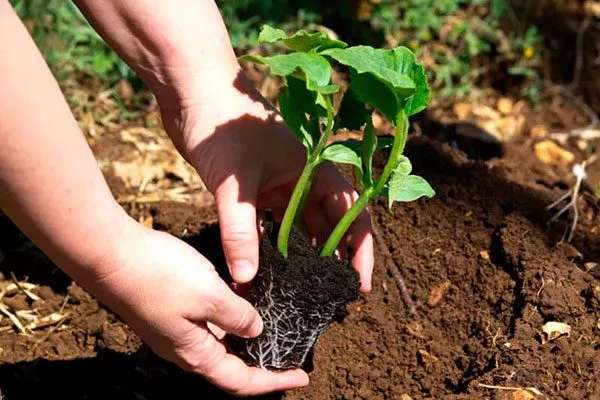
Add a small amount of wood ash (10-12 g per hole) and 200 g of compost to the prepared holes. Transplant the seedlings to avoid damaging the roots. Do not bury the crown of the plants too deep. Water them with warm water and mulch with straw. Initially, cover them with plastic at night.
Plant care and formation
Muscadet Agro pumpkin plants are relatively easy to grow. They require standard care to ensure proper development, healthy growth, and abundant fruiting. Care for your pumpkin plants by following these steps:
- WateringWater the bed twice every 7 days. Use 10-20 liters of warm, settled water per bush. In hot weather, water more often. Do not allow the soil in the bed to dry out for long periods. Pay particular attention to watering during flowering and fruiting. Stop watering the plant a few weeks before harvest to ensure good fruit flavor.
- WeedingRemove weeds from the garden bed carefully to avoid damaging the pumpkin roots. Prevent them from growing too large to protect the plant from pests and infections and to avoid depriving it of nutrients.
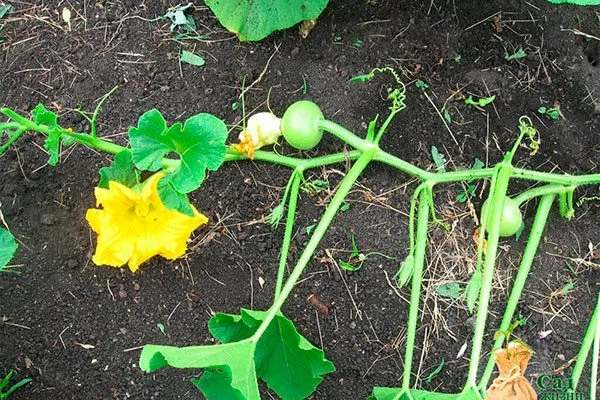
- Bush formationPlants of this cultivar require constant monitoring of their shoot growth. Train them into a single stem, removing all side shoots. Leave 2-4 ovaries on the central shoot, and pinch off its tip.
Forming three-stemmed plantings is also acceptable. Leave three ovaries on the central stem and one or two on the side stems. Then pinch them back. Place dry mulch or boards under the pumpkins as they fill out to prevent them from coming into contact with the ground.
Fertilizers and dressings
To ensure a large quantity of high-quality fruit, don't neglect fertilizing your butternut squash. It responds well to organic and mineral fertilizers. Fertilize according to the following schedule:
- a few weeks after “relocating” the pumpkin seedlings to the garden bed, water them with a solution of cow manure;
- 2 weeks after the first application of fertilizer, use Muscadet Agro herbal infusion to feed the plantings (water the bed with it every 14 days until the ovaries form);
- When the bushes begin to bear fruit, switch to using mineral compounds, for example, potassium monophosphate (water the pumpkin planting with its solution twice at intervals of 15-20 days).
- Two weeks before planting, add rotted manure to the soil at a rate of 5 kg per 1 m².
- Three weeks after planting the seedlings, feed the plants with a solution of chicken manure (1:15).
- During the flowering period, apply potassium-phosphorus fertilizers (20 g superphosphate and 15 g potassium sulfate per 1 m²).
Pros and cons
This pumpkin variety has become popular with domestic gardeners due to its many advantages, which make it stand out among other varieties:
The Muscadet Agro pumpkin isn't without its drawbacks. Its bushes take up a lot of space in the garden. They are very light- and heat-loving. The taste of the fruit depends on the weather and the gardener's adherence to agricultural practices. It spoils and becomes bitter due to heat and lack of moisture. A lack of sun makes it less sweet.
Reviews
Muscade Agro is a popular butternut squash variety characterized by its mid-season ripening, drought resistance, shelf life, and transportability. Domestic gardeners love it for its dessert-like flesh with hints of exotic fruits and a wonderful melon aroma.