
The Honey Pie pumpkin is one of the most popular varieties, boasting excellent flavor and low maintenance. This variety boasts excellent characteristics, including good presentation, excellent shelf life, and resistance to cracking during transportation. With proper care and maintenance, it can yield generous harvests and high-quality fruit.
Breeding history
A group of Russian breeders led by S. F. Gavrish worked on the selection. Testing was conducted in collaboration with M. I. Kirillov and S. A. Korotkov. Work on creating the variety was completed in 2019.
Features of the variety
Pumpkin is a popular vegetable, often grown in gardens and allotments. Honey varieties are particularly prized for their rich flavor, beneficial properties, and versatility. Honey Pie is one such variety, suitable even for novice gardeners.
Characteristics of the appearance of the plant and fruits
The climbing variety grows over 1 m in length. The vines are covered with medium-sized, entire leaves, which are a uniform green color.
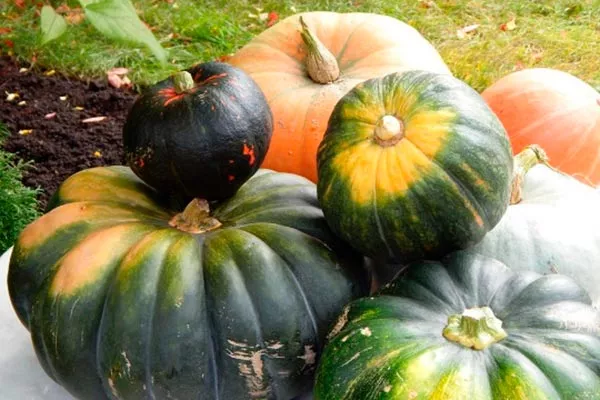
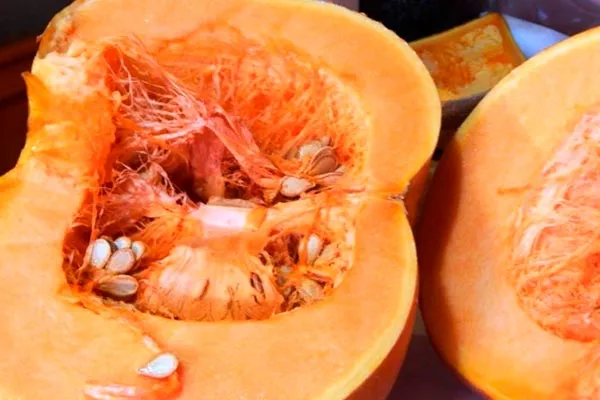
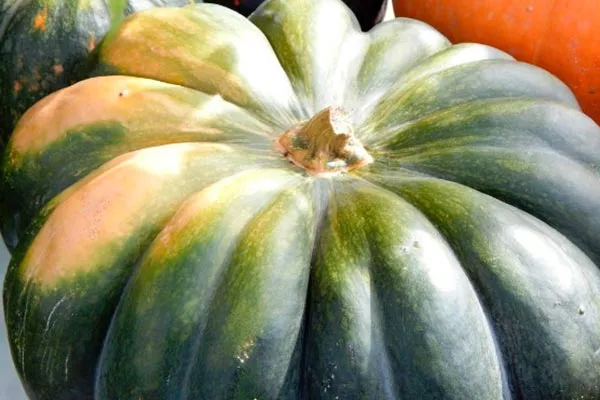
The fruits are flattened and round, weighing between 6 and 9 kg. The creamy, milky surface is marked with distinct grooves. The seed chambers are small, containing small, cream-colored seeds, and the placentas have a loose structure.
Application and taste
The main advantage of this variety is its sweet flavor. The flesh is orange, medium-firm, with pronounced honey notes that are highly prized. The aroma is rich and pleasant. The fruits retain their quality for 90 to 120 days.
The versatility of Honey Pie is one of the reasons for its popularity. Pumpkin is ideal for various processing methods: canning, jam, juice, and even dishes and desserts.
Beneficial properties
This vegetable is a rich source of vitamins and minerals and has many beneficial properties:
- High content of vitamins, especially vitamins A (beta-carotene), C and E, which support the immune system, improve skin condition and slow down the aging process.
- Suitable for people watching their weight or on a diet due to its low calorie content and high water content.
- Helps normalize bowel function, improving digestion and preventing constipation.
- Thanks to vitamins and microelements, pumpkin has an antioxidant effect, protecting cells from damage and maintaining health.
- Eating this vegetable helps normalize blood cholesterol levels, which reduces the risk of cardiovascular disease.
- High vitamin A content improves vision, especially in low light conditions.
Pumpkin seeds help fight parasites and support urinary tract health.
Ripening time
Unlike most honey pumpkin varieties, which are mid-season, Honey Pie is a late-season variety. It takes an average of 110-115 days from germination to harvest. Because of this, seedling cultivation is recommended in regions with unfavorable climates.
Productivity
The variety's yield is rated very high, averaging 3.8-4.2 kg per square meter. The final yield depends on the growing region and the quality of plant care. Generally, environmental conditions have little impact on productivity. The fruits are easy to transport and have an attractive marketable appearance.
Subtleties of cultivating the variety
Honey gourds are successfully grown in a variety of climates. It's important to follow certain guidelines to ensure bountiful harvests.
Suitable conditions
The plant prefers sunny locations, but not in direct sunlight. The site should be protected from wind. In colder regions, raise the bed 20-25 cm to allow the soil to warm up faster. For optimal growth and development, pumpkins require temperatures between 14°C and 25°C.
Preparing soil and seeds
Honey pumpkin seeds remain viable for several years, but it's best to use the freshest ones for planting. Before sowing, warm them at 40°C for 9 hours, then soak them in an ash solution (2 tablespoons per 1 liter of boiling water) for 12 hours. This treatment accelerates germination.
When sowing seeds in a garden bed, prepare the soil properly. Choose light, non-clay soil. To enrich the soil with nutrients, add compost. To do this, dig holes measuring 40 x 40 x 40 cm, mix the excavated soil with compost in equal parts, and return the mixture to the soil.
Planting seeds
In southern regions, seedlings are planted directly in open ground, while in other regions, it is recommended to first grow seedlings in cups. Follow these important recommendations.
Into open ground
Plant the warmed and soaked seeds in the soil when it warms up to +12…+14°C. Follow the instructions:
- For planting, select beds and dig 30x30 cm holes 3-4 cm deep in clay soil and 5-6 cm deep in sandy soil. The distance between holes should be 60-100 cm.
- Moisten each hole and place three seeds in it, distributing them in different corners. Cover with soil and cover with plastic wrap until seedlings emerge.
- Once a crust forms on the soil surface, gently loosen it. When seedlings emerge, remove the plastic wrap and leave 1-2 of the strongest seedlings in the hole; pinch out the rest.
- ✓ Optimum soil temperature for planting seeds: +12…+14°C.
- ✓ Seed planting depth: 3-4 cm in clay soil, 5-6 cm in sandy soil.
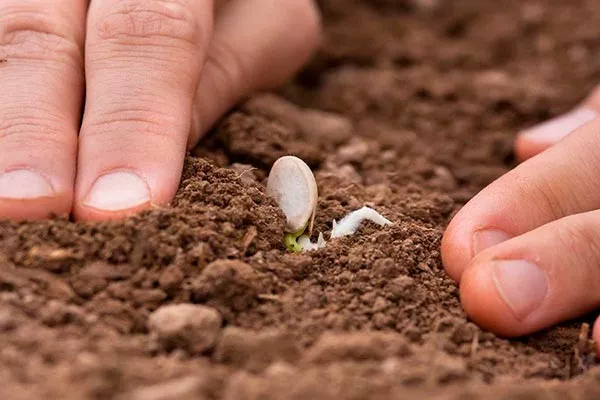
If there are two seedlings left in the hole, direct the shoots in opposite directions.
In pots for seedlings
Sow seeds for seedlings in late April or early May, when the soil warms to 12°C. Use 500 ml containers. Fill them with fertile soil and plant the seeds 5-6 cm deep. Sprinkle with soil, cover with plastic wrap, and place in a warm place until germination occurs.
During the growth process, feed the seedlings several times with mineral fertilizers and water them regularly.
Transplanting seedlings
Plant seedlings outdoors in the first half of May, following a similar pattern to sowing seeds in a garden bed. Transplanting requires careful preparation to minimize stress on the plant.
Step-by-step instructions:
- 5-7 days before the event, begin hardening off the seedlings by bringing them outdoors and gradually increasing the time spent outdoors. This will help the plants adapt to the outdoor conditions.
- Carefully remove the seedlings from the container, being careful not to damage the roots. It's best to transplant the pumpkin with the root ball still attached.
- Place the plant in the hole and cover with soil. Water with warm water.
At first, cover with film or agrofibre to protect from cold nights and frosts.
Caring for pumpkin
Caring for your crop involves several important steps that promote good growth and a high yield. Follow these simple agricultural practices:
- Watering. Pumpkins require regular watering, especially during periods of active growth and fruit formation. Pour water at the roots, avoiding drips on the foliage to prevent disease. Use warm, settled water, as cold water can stress the plants.
In hot weather, water the pumpkin 1-2 times a week, depending on weather conditions. During flowering and development, water more frequently. Afterward, loosen the soil slightly to allow water to penetrate better to the roots. - Top dressing. The plant requires regular fertilization for optimal growth. Use different fertilizers at different stages of growth.
- Two weeks after planting the seedlings in the soil, add organic matter, such as a solution of mullein, bird droppings, or mineral compounds with a predominance of nitrogen, to stimulate growth.
- After 3-4 weeks, use complex mineral fertilizers with phosphorus and potassium to stimulate flowering and fruit formation.
- During vegetable development, add high-potassium fertilizers to speed up ripening.
- Mulching. Maintains a stable soil temperature, reduces the need for watering, and prevents weed growth. After planting seedlings or when shoots emerge, cover the soil around the bushes with a layer of mulch (compost, straw, hay, or shredded sawdust). This retains moisture in the soil and protects the roots from overheating.
- Loosening. This procedure is necessary to ensure good root aeration. It helps prevent waterlogging in the soil, improves oxygen penetration to the roots, and stimulates their development. Loosen the soil carefully to avoid damaging the pumpkin roots. Do this after each watering.
- Weeding. This is an important step in crop care, as weeds can suppress plant growth by taking up water and nutrients. Do this regularly, especially in the first few weeks after planting, before the plants have established themselves in the soil.
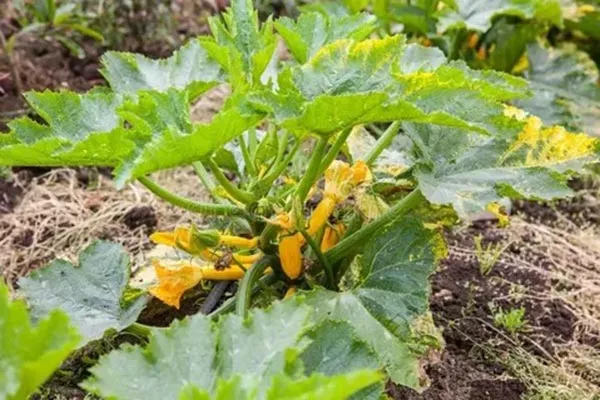
Remove weeds manually or with a hoe or cultivator. Use agrotextile to control weeds and maintain soil moisture.
Pests and diseases
The Honey Pie variety is highly resistant to the main diseases common to pumpkin crops. However, regular inspections of the plantings for signs of disease and pests are still necessary.
The most common pests include spider mites, aphids, and caterpillars. Folk remedies, such as garlic or hot pepper infusions and soap and ash solutions, are effective in controlling them.
Pros and cons
Before planting a pumpkin, carefully consider its advantages and disadvantages. The Honey Pie variety has many advantages:
This variety has no significant drawbacks.
Reviews
The Honey Pie pumpkin is an ideal choice for those looking for a high-yield variety with minimal maintenance. Its versatility and long shelf life make it an excellent choice for both home consumption and retail. By following proper cultivation practices, you can increase productivity and harvest high-quality vegetables.