
The Honey Dessert pumpkin is characterized by good productivity and large fruits, and is considered one of the honey varieties of this plant. It is easy to care for and tolerates weather changes, making it popular in a wide range of climates for gardeners, small farmers, and large agricultural enterprises.
Peculiarities of origin
The "Honey Dessert" variety was developed by the Russian agrofirm "AELITA," which has long been a respected name among gardeners. The development of this pumpkin variety is credited to breeders N.V. Nastenko, V.G. Kachainik, and M.N. Gulkina, whose scientific achievements include numerous innovative projects.
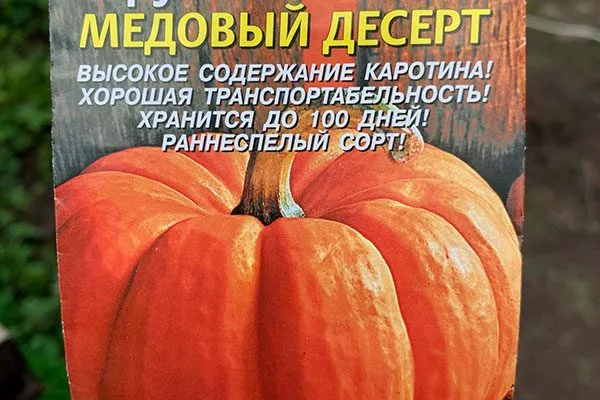
The development of Honey Dessert began in the early 2010s. Scientists spent years achieving maximum versatility and competitive quality in this variety.
Thanks to advanced technology and breeding methods, significant changes were made to the plant's structure. The honey dessert underwent extensive testing and was perfected.
It has been registered in the State Register since 2013, and over the past ten years, it has found its audience among domestic gardeners who actively cultivate it throughout Russia.
Appearance of the bush
The Honey Dessert variety is a large-fruited, early-ripening, and versatile pumpkin. Key varietal characteristics:
- the plant can grow up to 300-400 cm in height;
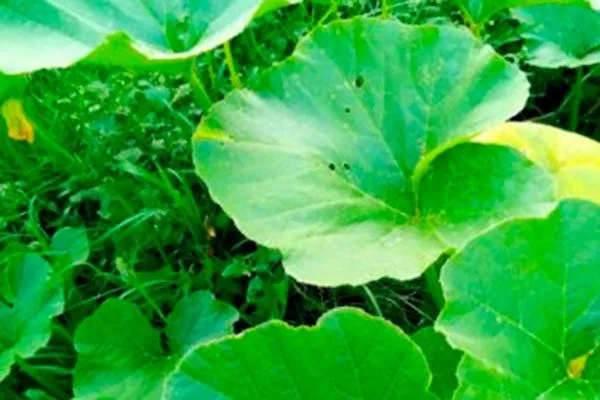
- the leaves are rich green in color and large in size, characterized by an uneven relief;
- The stems and leaves have a rough texture, which gives them a distinctive appearance;
- the spreading roots go deep into the ground, providing the plant with all the necessary nutrients even in unfavorable weather conditions;
- During the budding period, massive inflorescences of a bright yellow hue appear on the plant.
Fruit characteristics
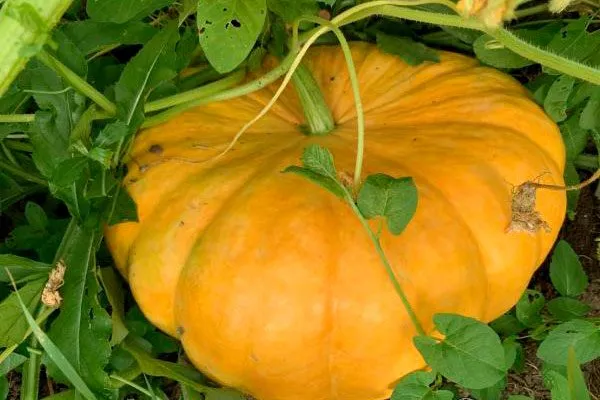
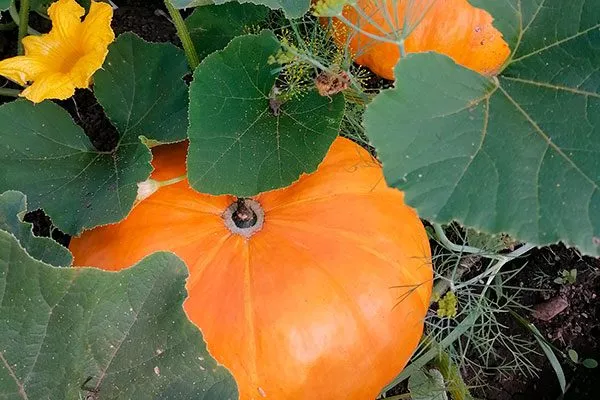
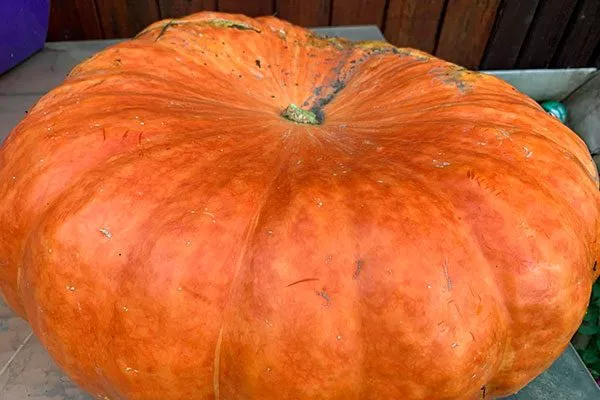
A healthy, mature plant can produce two to five large, slightly flattened pumpkins. Ripe pumpkins are divided into even sections and have a slight indentation near the point where they attach to the stem.
Other features:
- the weight of a pumpkin can vary from 4 to 15 kg, depending on growing conditions and agricultural technology;
- the skin of the fruit has a fine-grained structure and a uniform tone, which can range from red-orange to dark pink;
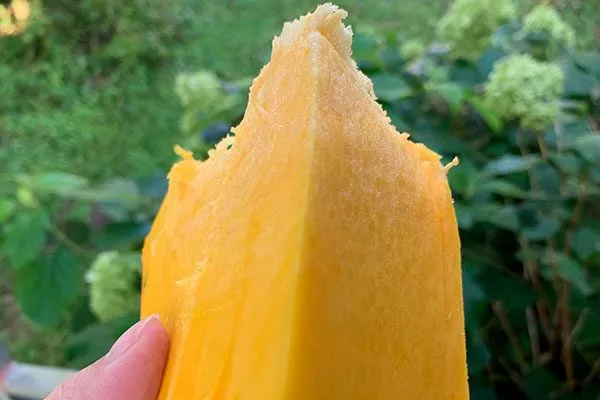
- the flesh is orange in color, has a juicy texture and a crisp sound when cut;
- The seed chambers are small, containing seeds of medium size, white in colour and ellipsoid in shape.
Main characteristics
This variety is ideal for commercial farming due to its good resistance to mechanical damage and transportation. However, it also has other characteristic traits.
Ripening and fruiting, productivity
Honey Dessert ripens early, allowing harvesting to begin as early as 95-100 days after the first green shoots emerge, which corresponds to the period from August 20 to September 15. This variety is characterized by large fruits and undemanding growing conditions, making it highly productive.
- the average yield from 1 square meter is from 2.3 to 8.7 kg of tasty and aromatic vegetables;
- The official specification states that 1 square meter of plantation can yield from 3.5 to 6 kg of ripe fruit;
- Seed producers report a variety of yield estimates, ranging from 3 to 11 kg per square meter, but these estimates largely correlate with specific growing conditions in a given region.
Taste, purpose and use
The aroma of honey pumpkin captivates with its sweetness and unique nutmeg-honey notes. This variety contains the perfect combination of vitamins and minerals, particularly its high levels of carotene.
Thanks to its nutritional value and moderate calorie content, Honey Dessert pumpkin has become indispensable in cooking, dietary, and therapeutic nutrition. Dishes made with this vegetable have medicinal properties and can help with gastrointestinal disorders and vitamin deficiencies.
It is used to prepare:
- purees, juices and pie fillings;
- it is an excellent addition to vegetable side dishes, salads, desserts and porridges;
- also suitable for baking;
- used for both frying in batter and stuffing.
This variety allows for a variety of preservation methods: from freezing to drying and canning.
Resistance to pests and diseases
A distinctive feature of the Honey Dessert pumpkin variety is its resistance to common diseases that affect plants of this genus. However, it's important to periodically inspect the beds for possible infections.
Among pests, spider mites, aphids, and caterpillars are particularly dangerous. Effective and safe methods for controlling them include a solution of hot pepper or garlic, as well as a soap-ash extract.
Despite the Honey Dessert variety's resistance to disease, it is not recommended to plant it in areas previously grown with other members of the squash family, including pattypan squash and cucumbers.
Other indicators
It's fair to say that many people associate pumpkin with strength and durability. The developers of the breeding varieties recognized this fact and made efforts to make the Honey Dessert variety as resistant to mechanical damage as possible.
This property not only makes caring for the plants easier, but also significantly simplifies the process of transporting pumpkins over long distances.
Other characteristics:
- This variety's frost resistance allows it to easily withstand sudden temperature changes, making it suitable for cultivation throughout Russia.
- This variety has excellent drought resistance, but requires a fairly humid climate for successful foliage development and fruit formation.
- The variety demonstrates excellent results both in the south and central regions, and in the north, but subject to strict adherence to agricultural requirements, especially in relatively cool and short summers.
- Pumpkins have a good shelf life – producers recommend at least 100-120 days to maintain quality, but under ideal storage conditions, the shelf life can be significantly increased.
Preparing and planting pumpkins in open ground
Experienced gardeners note some difficulties in growing Honey Dessert. It requires special attention to soil and growing conditions, making it far from the easiest crop. Furthermore, when planting, it's important to consider the spacing between plants, as Honey Dessert requires sufficient space to thrive.
Pre-sowing seed treatment
To successfully grow pumpkin outdoors, it is important to properly prepare the seeds:
- They need to be soaked for 24 hours in water, but preferably in a solution of sodium or potassium humate.
- The seeds are then removed from the liquid and covered with a damp cloth, placed in the shade at a temperature no higher than 23 degrees Celsius. The cloth should be regularly moistened with water from a spray bottle.
- Next, they should be treated to protect them from diseases. To do this, they are dipped in a solution of 30% table salt (2 tablespoons of salt per 200 ml of water). Healthy seeds sink to the bottom, while weaker ones float to the surface and are destroyed.
- ✓ The optimal soil temperature for planting Honey Dessert pumpkin seeds should not be below +10°C.
- ✓ To prevent diseases, it is recommended to use only healthy seeds, pre-treated with a solution of potassium permanganate.
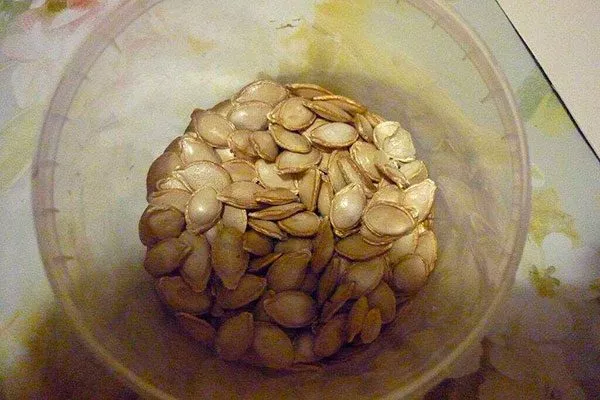
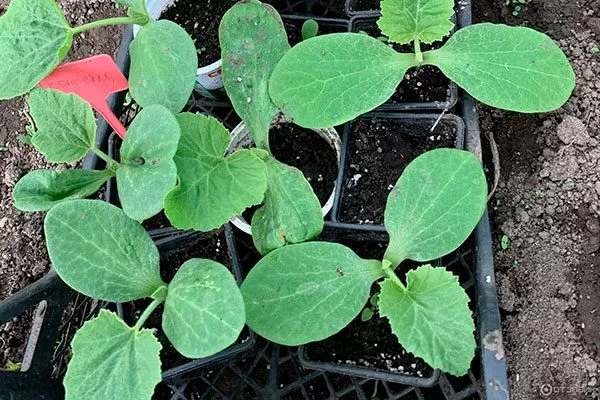
After the seeds have sprouted, they are planted in plastic cups or small pots up to 10-12 cm in diameter, filled with a special substrate consisting of peat, sand and garden soil in a ratio of 1:1:1.
Selecting a location and preparing the soil
For pumpkins, it's important to select a site that's away from other crops, flat, and receives maximum sunlight. Before planting, enrich the soil with organic matter: 20 kg of compost, 1 kg of wood ash, and 200 g of nitrophoska per square meter. Then, thoroughly dig the soil to a depth of 30-50 cm, creating beds 65-75 cm wide.
Nuances:
- Avoid growing pumpkins in areas previously occupied by potatoes, melons, sunflowers, or watermelons, as this can lead to pathogen infestation. It is recommended to rotate the area every five years.
- Sandy, light and medium loamy soils with a neutral pH of 4.5-5 are best suited for this crop.
- The soil substrate must have good drainage properties to prevent water retention and the development of rotting processes in the root shoots. The soil must be enriched with essential nutrients to ensure optimal plant growth.
- To successfully sow sweet pumpkin seeds, you should follow a number of important steps:
- Clearing the area: Remove all weeds, rocks, and any other objects that may interfere with the root system.
- Preparing the soil: Dig the soil using a shovel or hoe.
- Fertilizer: Add organic matter, such as humus or compost, to improve soil fertility.
- Mixing: Thoroughly combine the fertilizer with the top layer of soil to ensure the nutrients are evenly distributed.
- Leveling: Level the ground to create a level planting bed.
Pumpkin planting technology
Pumpkin seeds or seedlings should be planted in warm soil starting on May 15th, when the air temperature is consistently above the average daily temperature of 10-15 degrees Celsius. If the seeds are planted earlier, they will not germinate properly and will rot. Seedlings should be about one month old.
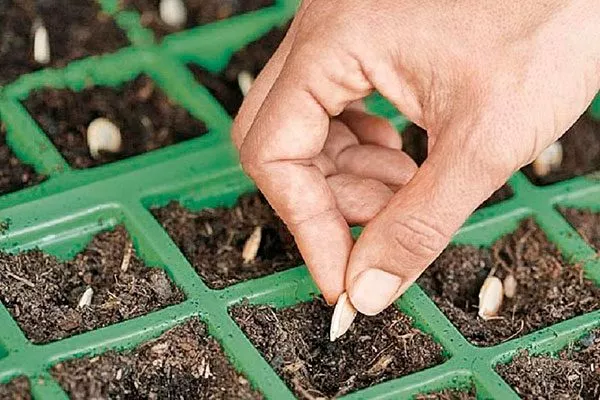
Sowing algorithm:
- Dig holes along the row at intervals of 80-100 cm. The distance between rows should be about 150-200 cm. The depth depends on the type of planting material – 2-3 cm is enough for seeds, 5-7 cm for seedlings.
- Pour at least 2 liters of water with a temperature of at least +50 degrees into each hole.
- Place compost or humus on the bottom to increase fertility.
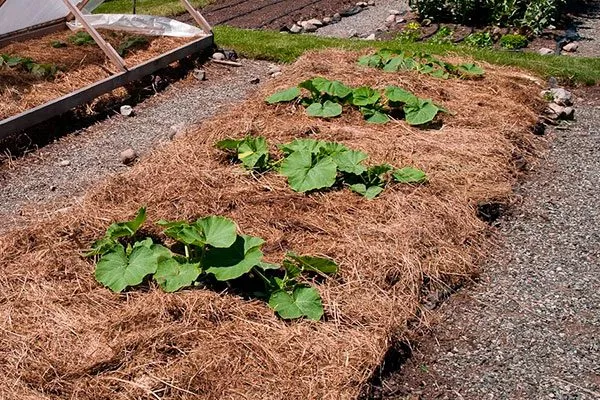
After planting, provide support to prevent damage to the fruit and make care easier. To protect young pumpkins from frost, apply a layer of sawdust, straw, or peat to the soil surface. In Siberia, where the climate is harsher, it is recommended to plant two seeds per hole. After they germinate, select the stronger of the two and remove the other.
In agricultural technology for growing pumpkins in Siberia, additional measures are used:
- After sowing or transplanting seedlings, cover the soil with plastic film, securing it firmly around the bed. This creates greenhouse-like conditions and protects the young seedlings from frost.
- When the plants reach 50-55 cm in height, the film is raised for the entire day, attaching it to a special wire frame.
- From June 15-20, remove the cover completely.
Frameless plastic film left on the bed can replace mulch, making it easier to care for the pumpkin as it grows. To do this, make cross-shaped holes in the covering material to allow for the sprouting seedlings to emerge. It's best if it's dark in color.
Further care
When caring for your Honey Dessert, it's important to follow key rules and take the necessary steps:
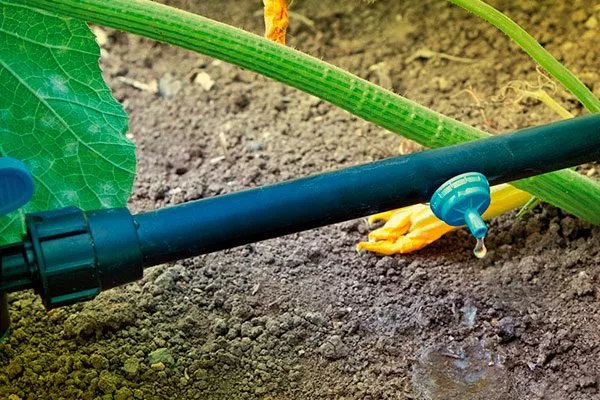
- Pumpkins require constant moisture, especially when flowering and fruiting. A drip irrigation system prevents the soil from drying out and provides the plant with the necessary moisture.

It's important to understand that primary watering is needed during the period of active growth, while during the fruit ripening phase, its intensity should be reduced, as the plant no longer requires large amounts of water at this point. Watering should be stopped immediately before harvesting. - It has been established that mulching the soil around pumpkins helps prevent crust formation, retains moisture, and inhibits weed growth. Sawdust, straw, and compost are used for this purpose.
- Proper plant nutrition is also essential. Both organic and mineral fertilizers are used for this purpose. The first feeding is done two weeks before budding begins, and then repeated every two to three weeks until the end of the growing season. This promotes more vigorous plant growth and the formation of large, sweet fruits.
- To ensure optimal development of the Honey Dessert, it is necessary to prune it periodically. This process is important for shaping the plant, removing excess branches and leaves, and improving light and ventilation for the fruit, which prevents disease.
- Monitor the formation of ovaries, as no more than four fruits should be left on one plant, as the remaining pumpkins may not form due to a lack of nutrients and light.
To stimulate the growth of lateral roots, pumpkins are often hilled, which should be done after abundant watering.
- The first feeding should be carried out 2 weeks after the emergence of seedlings, using a solution of mullein (1:10).
- The second feeding should be carried out at the beginning of flowering, using a complex mineral fertilizer.
- The third feeding should be carried out during the period of fruit formation, using potassium fertilizers.
Pros and cons
Like any other variety, Honey Dessert has a number of advantages and some disadvantages. Advantages:
Flaws:
Reviews
Honey Dessert belongs to the category of honey pumpkin varieties, which are distinguished by their distinct honey aroma. This plant can be found in both home gardens and large plantations of large farms. Despite the importance of proper agricultural practices, this variety produces generous harvests.