
Honey Crumb is a compact and productive pumpkin with excellent flavor. It is characterized by good cold tolerance and resilience to adverse conditions. Its small size makes this variety convenient for cooking, and its sweet flavor and aroma are ideal for casseroles and mashed potatoes. These vegetables store and transport well.
Description of the bush and fruits
This cultivar was developed by specialists from the All-Russian Research Institute of Irrigated Vegetable and Melon Growing in the Astrakhan Region back in the 1980s. It was only added to the State Register of Russia in 1996. It is recommended for cultivation in the Lower Volga Region and the Far Eastern Federal District.
Thanks to its undemanding nature, it has adapted well to a variety of climates, including the southern and central regions of Russia. Today, it is very popular among gardeners.
Distinguishing characteristics:
- This pumpkin is a vining variety, although its growth is not particularly vigorous. The main stem reaches over 3 meters in length, while the side shoots are significantly shorter. The compact planting allows for cultivation in a small space.
- Large, kidney-shaped, rich green leaves are virtually undissected, forming a dense green canopy that covers the ground. To ensure better ripening of the fruit, experienced gardeners partially thin the leaves to allow access to sunlight and warmth.
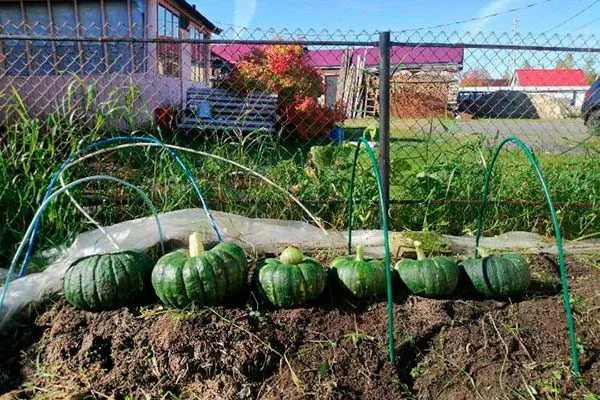
- These vegetables belong to the large-fruited group, although they appear relatively compact compared to other varieties. Their diameter ranges from 20 to 40 cm, and a single pumpkin weighs between 2.5 and 3.5 kg, making them suitable for portioning and preparing meals for a small family of 3-4 people.
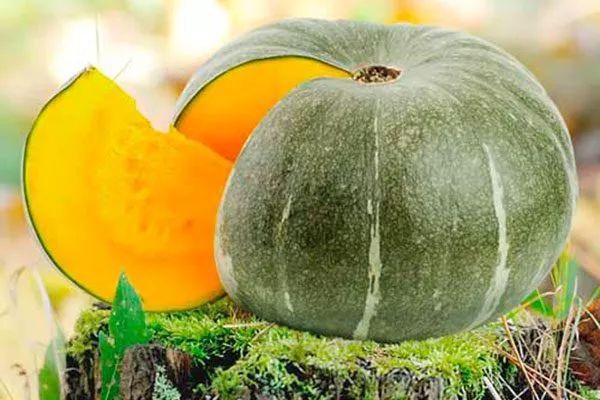
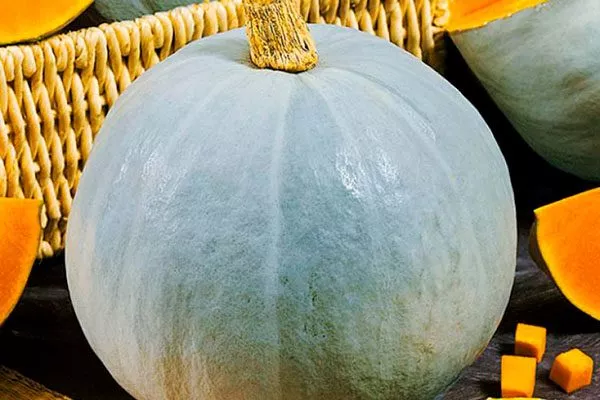
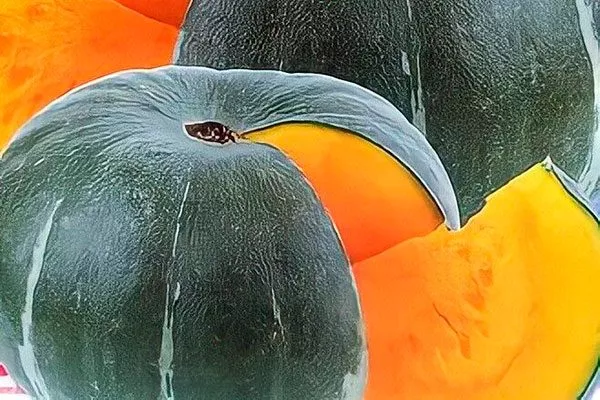
- The fruits are flat-round, with distinct segments and smooth skin. They are light gray or almost white in color, sometimes with thin greenish stripes along the segments. Some specimens may have faint pinkish spots.
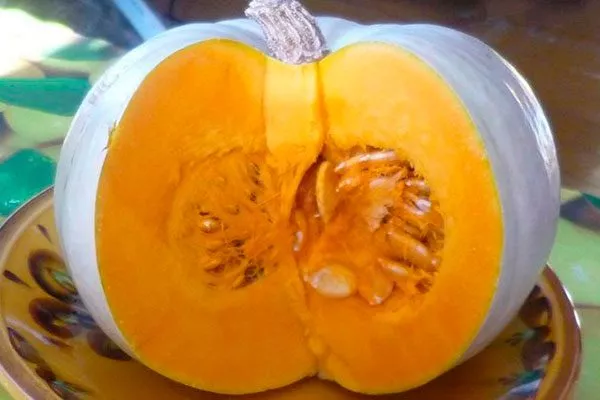
The flesh is a bright, rich orange, although a slightly yellowish tint is sometimes present. Its juiciness and rich color make the vegetable attractive both visually and flavorfully.
Main characteristics
When growing pumpkins in their gardens, vegetable growers most often choose varieties and hybrids with single-piece fruits. These are very convenient to use: they can be completely processed or eaten in one go, whereas larger pumpkins must be cut up. That's why the Honey Crumb variety is particularly popular.
Purpose and taste
Pumpkin's flavor is noteworthy: it has a pleasant sweetness thanks to its high sugar and solid content. These qualities make it an excellent choice for fresh consumption. Salads made with this vegetable can impress even the most discerning gourmets.
The variety is universal in processing:
- Pumpkin is ideal for making natural juices that are beneficial for both children and adults: it can be boiled, baked, dried, or cured.
- Thanks to its sweetness and nutritional value, Honey Crumb is recommended for baby food and is ideal for dietary and therapeutic diets, as it combines low calorie content with a high content of vitamins and minerals.
Pumpkin seeds are a valuable food. They are eaten as a standalone snack or incorporated into various dishes, adding nutrition and flavor.
Productivity and ripening time
It belongs to the mid-season variety, although it is sometimes classified as mid-late. Regardless of the category, the fruits ripen fully even in the climate of central Russia when grown from seedlings. Full maturity occurs within 120-130 days after emergence.
The variety's yield is stable and unaffected by weather conditions. 1 square meter yields between 5 and 8 kg, with a single bush producing an average of 3-4 pumpkins, each weighing approximately 3 kg.
Honey crumb is characterized by cold resistance and the ability to ripen even in open ground in regions with a cool climate, including the Leningrad Region.
Planting Honey Crumb pumpkin seedlings
This is a popular agricultural crop, readily grown by both farmers and gardeners. With simple agricultural guidelines, its cultivation is straightforward.
Soil selection and crop rotation requirements
Light loamy or sandy loam soil in a sunny, wind-protected area is best for growing pumpkins. Experienced gardeners recommend avoiding planting pumpkins in beds where sunflowers, potatoes, cucumbers, squash, or other melons, such as watermelons and cantaloupes, were grown the previous year.
It's not recommended to grow it near potatoes or tomatoes, as these crops don't mix well. However, planting it with corn or legumes will benefit all plants in the garden.
Optimal conditions
The Honey Crumb variety thrives in cool climates, but a lack of moisture can negatively impact yield, especially during flowering and fruit set. Regular watering is essential for successful cultivation. Each plant requires approximately 2 liters of warm (not cold) water.
Recommended growing parameters:
- air humidity – 40-50%;
- soil moisture – 70-80%;
- temperature – +18…+25°C.
Preparing soil and seeds for planting
Honey pumpkin seeds can remain viable for several years, but it's best to use the freshest seeds for planting. Pre-treat the seeds:
- Heat them at a temperature of +40°C for 9 hours.
- Soak for 12 hours in an ash solution (2 tablespoons of ash per 1 liter of boiling water).
This preparation speeds up the emergence of seedlings, especially if the seeds are planted directly in open ground.
When sowing in beds, prepare the soil properly. It should be light and nutritious, without excess clay. To enrich the soil with compost, dig holes measuring 40 x 40 x 40 cm, then mix the excavated soil with compost in equal parts and return the mixture to the soil. You can also use prepared fertile soil.
Sowing seeds for seedlings
Begin this process at the end of April, but the exact timing depends on climate conditions. By the time you transplant the seedlings to the site, the soil should warm up to 12°C to a depth of 10 cm, and the seedlings should be no more than 25-30 days old.
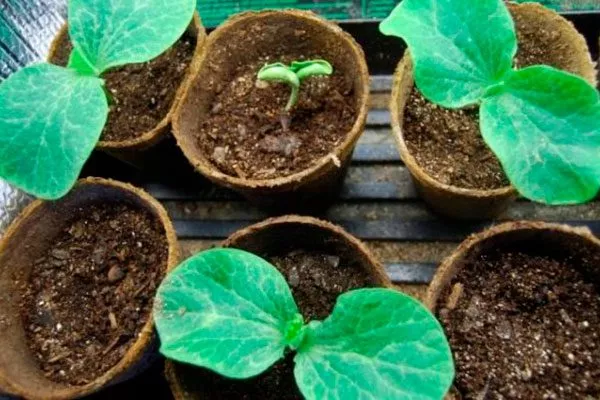
Follow these steps:
- For sowing, use 500 ml containers filled with fertile soil.
- Plant the seeds 5-6 cm deep and cover with soil.
- Cover the containers with film and place in a warm place until the first shoots appear.
As the seedlings grow, regularly feed them with mineral fertilizers and ensure they receive timely watering. Transplant them into open ground in the first half of May, following the same procedure as for sowing seeds.
Transplanting seedlings
This is an important stage, determining the future growth of your plants. Follow these guidelines:
- Seven to ten days before transplanting the seedlings into the ground, begin hardening them off. To do this, expose the containers to fresh air for 1-2 hours a day, gradually increasing the time to a full day.
- Water the seedlings the day before the event to make it easier to remove the plants from the container and to preserve the root system.
- Choose a sunny, wind-protected location. Dig the soil, remove weeds, and add organic fertilizer (humus, compost). Prepare holes measuring 40 x 40 x 40 cm, spaced 80-100 cm apart.
- Add a small amount of wood ash or a complete fertilizer to each hole, mix it thoroughly with the soil, and water with warm water. Carefully remove the seedlings from the container, being careful not to disturb the root ball. Plant the plant in the hole so that the root collar is slightly above ground level.
- Cover the roots with soil and compact it lightly. Water each plant with 1-2 liters of warm water. If necessary, cover the seedlings with agrofibre or plastic bottles to protect them from possible frost.
After a few days, when the plants have taken root, lightly loosen the soil around them.
Planting seeds in open ground
The soil should warm up to 12…14°C. You can cover the bed with plastic a few days before planting to speed up the warming process.
Please adhere to certain requirements:
- In the prepared area, dig 30x30 cm holes, spaced 60-100 cm apart. Place the seeds at a depth of 3-4 cm for clay soil and 5-6 cm for sandy soil. Place three seeds in each hole, placing them in different corners of the hole. This will increase the chances of successful germination.
- After planting, water the holes with warm water. Cover the bed with plastic to create a greenhouse effect and speed up germination.
- When the soil begins to crust over on the surface, gently loosen it so as not to interfere with the seedlings' growth. As soon as the shoots emerge, remove the plastic wrap.
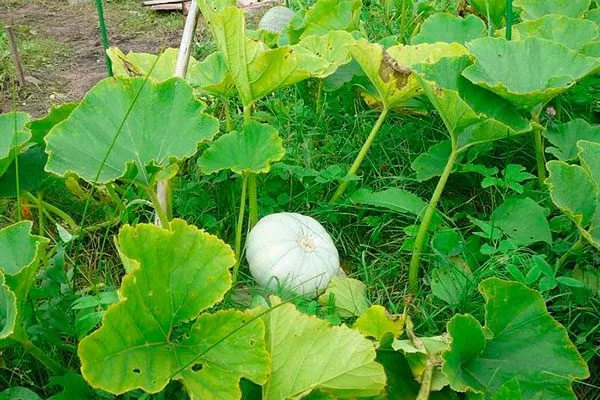
Leave 1-2 strong plants in each hole, and trim or pinch off any excess. If you're leaving two seedlings, train them in different directions for optimal growth.
How to care for Honey Crumb pumpkin?
Growing this crop is relatively straightforward. It requires standard agricultural practices, which can help increase yields.
Watering the plant
Provide the Honey Crumb pumpkin with regular watering – every 4-6 days. Consider the weather conditions – on rainy days, reduce watering to once a week.
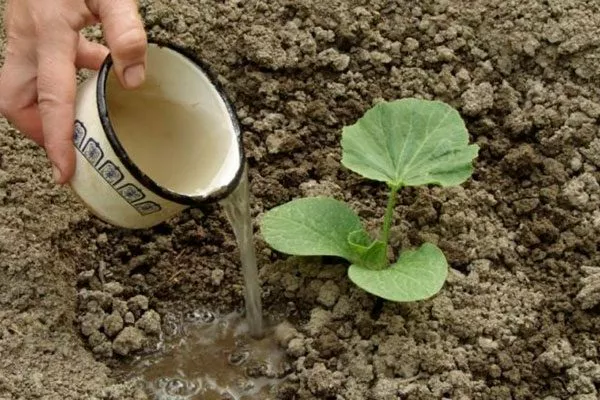
Helpful tips:
- Replace the water with an onion peel infusion solution from time to time – this will not only help moisturize the plant but also prevent pests.
- Pour the liquid under the roots, avoiding moisture getting on the stems and leaves to prevent the development of fungal and viral diseases.
- The water should be warm, at least 20°C. The consumption per bush is 5-6 liters.
Hold the event in the evening, avoiding hot weather.
Fertilizing
Fertilize the seedlings for the first time a week after planting, and then apply additional fertilizers every 15-20 days. Apply mineral fertilizers during flowering. Fertilize the plants after watering or rain to avoid burning the roots.
What and when to feed pumpkin:
- After landing: Take a break between mineral and organic fertilizers. Mineral fertilizers include 10 g of urea per 10 liters of water. You can also use superphosphate, ammophoska, and potassium sulfate (20 g each per 9-10 liters of water). Apply the solution at the roots.
Organic fertilizer: a solution of manure (1:10) with 2 tablespoons of wood ash. Shake the mixture thoroughly and water the plant at the roots. - Before flowering: Use a single-component fertilizer to speed up budding.
- During flowering: organic fertilizers (4-5 kg per 1 sq. m) and potassium fertilizers (20 g per 8-10 l of water) are suitable.
During fruit formation, use complex solutions with the following composition: 20 g potassium chloride, 15 g superphosphate per 10 liters of water.
Loosening and weeding
Carry out the work carefully, not digging deeper than 10 cm to avoid damaging the root system. Remove weeds around the young plant by hand. Plan to loosen the soil after the first application of fertilizer, and weed when the rows of bushes begin to form.
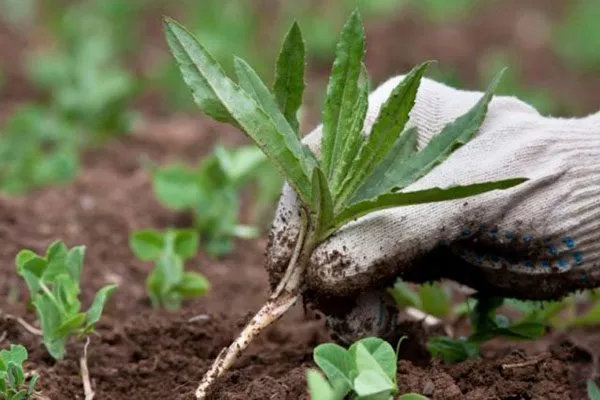
When weeding, it's helpful to arrange the plants in a specific order to prevent them from getting tangled, and to add soil to the leaf nodes to stimulate additional root growth. These techniques will improve the nutrition of the fruit.
Bush formation
To get large fruits from the Honey Crumb pumpkin, it's important to train the plant correctly. This variety has long vines, so once the main vine reaches 1.5 m, pinch off the side shoots with excess buds, leaving only 2-3 strong buds and 3-4 leaves.
Fruit yield depends on high-quality insect pollination, but prolonged rainfall can cause problems: unpollinated ovaries can rot. In this case, artificial pollination is required:
- Pick off the male flowers (empty flowers).
- Remove petals and attach anthers to the pistils of female flowers for successful pollination.
Carry out this procedure in the morning, as the male flowers of the pumpkin open at this time and quickly fade.
Protection from diseases and pests
Diseases and insect pests can significantly reduce pumpkin yields, affecting both the plants and their fruits. The main factors that contribute to these problems include:
- poor, non-disinfected soil;
- improper care;
- unfavorable weather conditions.
It is important to begin fighting diseases and parasites in a timely manner:
| Disease/Pest | Description | Treatment |
| Spider mite | A small insect that attacks the green parts of the plant and fruits. | Crop rotation, moderate application of mineral fertilizers, spraying with Bordeaux mixture, and using wood ash. |
| Whitefly | White moths that congregate on the undersides of leaves, causing them to curl and turn yellow. | Application of aloe juice solution, milk whey. |
| Slugs | They appear in hot and humid weather, sucking nutrients from stems and green mass. | Treatment with copper sulfate and soap solution. |
| Tobacco mosaic | Yellow spots on the leaves that gradually spread throughout the bush. | The drug Maxim or potassium permanganate is effective. |
| Late blight | Brown spots on leaves and vegetables can lead to the death of the plant. | Preventive spraying with Bordeaux mixture and Oxychom. |
| Powdery mildew | White coating on leaves. | Autumn soil digging, using Topaz, Bayleton, and potassium permanganate. Plant treatment with Topsin, sodium phosphate, and colloidal sulfur. |
Harvesting and storage
Don't harvest vegetables until late August, but before frost. If the fruit isn't ripe, it will ripen in the cellar. Sort the pumpkins. Use any damaged ones immediately, and store any whole or unripe ones.
It's important not to tear off the stem, otherwise the vegetable will rot. Store pumpkins for no more than 50-70 days. Unripe fruits ripen, forming seeds for the next planting. The storage area should have moderate temperature and humidity—cold and damp conditions can cause rot.
Pros and cons
The Honey Crumb variety has many advantages that have made it a favorite among gardeners. The cultivar's key benefits include:
Among the negative qualities, vegetable growers note susceptibility to powdery mildew and small size, which makes it difficult to use the fruits for holiday decorations.
Reviews
The Honey Crumb pumpkin is an excellent choice for gardeners looking for a resilient and high-yielding variety. It requires little care, and the fruits are ideal for a variety of dishes. Its robust growth habit, excellent shelf life, and consistent yield make this variety popular and sought after.