
Honey Guitar is the name of a mid-season pumpkin variety belonging to the Muscat family. It is characterized by excellent bush productivity, a marketable harvest, and a wonderful sweet flavor. Its signature feature is the interesting shape of its fruit, reminiscent of the musical instrument for which it is named.
Description of the bush and fruits
Muscat plants are long-vineed (liana-like) and well-developed. They are characterized by vigorous growth. They have a branched root system capable of extracting moisture from deep within the soil, ensuring good drought resistance. A description of their appearance includes the following characteristics:
- length of shoots - 3-5 m;
- powerful creeping stems with a rough surface covered with prickly hairs;
- the presence of tendrils on the vines, with the help of which the plant is fixed to the supports;
- foliage: large, green with a pattern of whitish spots, five-lobed, wide;
- Flowers: large (up to 10 cm in diameter), yellow-orange, funnel-shaped.
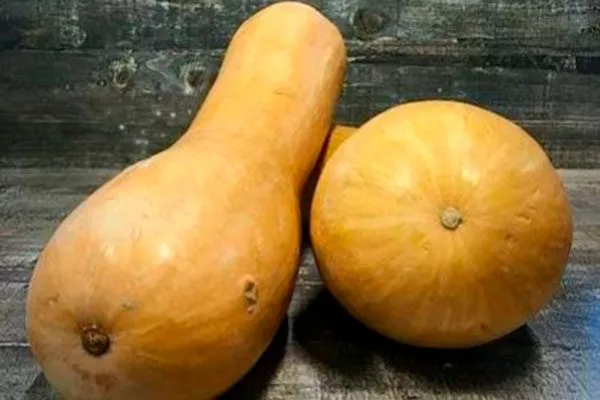
The Honey Guitar harvest is renowned for its excellent consumer qualities. Its fruits are quite large and attractive.
They have the following external data:
- weight - 3-6 kg (some specimens gain up to 8 kg in weight);
- elongated pear-shaped form, reminiscent of a guitar in its outline;
- length - up to 80 cm;
- diameter - 15-17 cm (narrowed part), 19-26 cm (swellings with seeds);
- orange or greenish-orange color;
- peel: thin, smooth, soft enough (easy to cut with a knife);
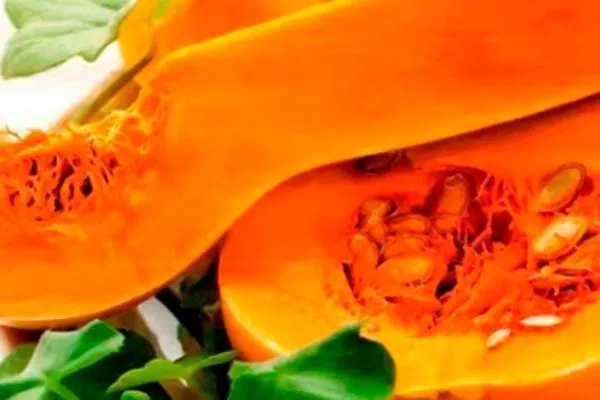
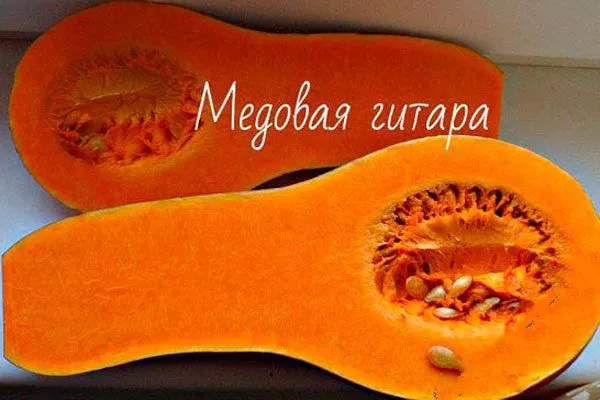
- pulp: intensely orange, hard, dense with a crunch, making up 85-90% of the entire fruit;
- a small seed chamber located in the rounded (swollen) part of the pumpkin;
- seeds: few in number, small, flat, cream-colored.
In addition to its rich pulp content, the Muscat pumpkin boasts excellent shelf life. Its harvest can be stored for 3 to 6 months indoors without losing its marketable appearance. According to gardeners, the longer this pumpkin is stored, the tastier it becomes.
Main characteristics
Before growing Honey Guitar in your garden, learn its basic characteristics. This variety will delight you with its high yields, undemanding soil conditions, low maintenance, excellent drought tolerance, and robust immunity.
Ripening and fruiting, productivity
This variety of the crop belongs to the category of high-yielding mid-season varieties. Its technical characteristics are as follows:
- the crop ripening period is 110-120 days after germination;
- Productivity: 2.7-3.6 kg per 1 sq. m of pumpkin bed.
Taste characteristics and purpose
The guitar-shaped fruits boast an excellent flavor, characteristic of all Muscat varieties. It boasts a honeyed sweetness, with fruity and spicy notes. The crisp and juicy flesh has an interesting carrot-apricot flavor, accentuated by a rich aroma. The variety's tasting score is 4.9 out of 5.
A remarkable feature of the Honey Guitar is that the flesh becomes even sweeter and more fragrant after cooking. Unlike other pumpkins, it can even be eaten raw. Pumpkins that have not reached full technical ripeness are best for fresh consumption.
The variety's harvest is versatile. Sweet butternut squash is widely used in home cooking:
- it is applicable in the preparation of various dishes (cream soups, side dishes, sweet porridges, pancakes, casseroles);
- It can be used to make excellent desserts and sweet treats: jam, marmalade, preserves, candied fruits (especially delicious is baked pumpkin pulp in slices with the addition of honey and nuts);
- It is used as a filling for pies and other pastry products;
- it is processed into juice and puree intended for baby or dietary nutrition;
- canned in pieces in the form of pineapple compote or exotic jam “like mango”;
- subjected to freezing, drying, and curing.
Beneficial properties
These guitar-shaped fruits are not only delicious but also healthy. They're a valuable food, low in calories and rich in nutrients. One serving provides enough vitamin A and half the recommended daily intake of vitamin C.
The calorie content of 200 grams of baked butternut squash pulp does not exceed 80 kcal. This amount of product contains the following nutrients:
- 21.5 g - carbohydrates;
- 1.8 g - protein;
- 0.2 g - fats;
- 6.7 g - fiber;
- 22.869 IU - carotene (provitamin A);
- 41 mg - ascorbic acid (vitamin C);
- 38.9 mcg - folic acid (vitamin B9);
- 2 mg - niacin (vitamin B3);
- 0.3 mg - pyridoxine (vitamin B6);
- 0.1 mg - thiamine (vitamin B1);
- 2.6 mg - tocopherol (vitamin E);
- 2.2 mcg - phylloquinone (vitamin K);
- 582 mg - potassium;
- 59.4 mg - magnesium;
- 84 mg - calcium;
- 1.2 mg - iron;
- 55.4 mg - phosphorus.
This red vegetable is rich in sugars, carotene, fiber, and various vitamins and minerals. Eating it will provide you with numerous health benefits and even improve your appearance:
- strengthen your immune system;
- improve the condition of your skin, hair, nails, and bone tissue;
- improve your visual acuity;
- stimulate hematopoiesis;
- support the health of the cardiovascular system, reproductive organs, and liver;
- cleanse your body of toxins;
- improve the functioning of the gastrointestinal tract, get rid of constipation;
- relieve inflammatory processes occurring in the body;
- get rid of extra pounds (the product contains few calories, but is very filling);
- improve your mood and productivity, overcome stress.
Landing
Grow pumpkins by direct sowing of seeds in the garden soil or by using seedlings, then transplanting the seedlings to an open bed or greenhouse. Consider the following characteristics of this nutmeg vegetable crop if you want to achieve a rich and high-quality harvest:
- The bushes of this variety grow best in areas with a hot climate; in the northern regions, their cultivation outside of shelter is impossible;
- For proper development and abundant fruiting, Honey Guitar plants require a lot of sunlight and warmth (optimal air temperature from - +20°C);
- Frosts are destructive for the heat-loving nutmeg crop (the vines and leaves damaged by them die, and the fruits spoil and rot);
- In cloudy and cool weather, the growth of pumpkin plants slows down and they become more susceptible to diseases;
- The variety is drought-resistant; its plantings can withstand periods without precipitation thanks to well-developed roots that extract moisture from the depths of the earth.
In the south of the country, it's acceptable to grow this red vegetable without seedlings. In the central part of the country, it's preferable to grow it from seedlings grown at home.
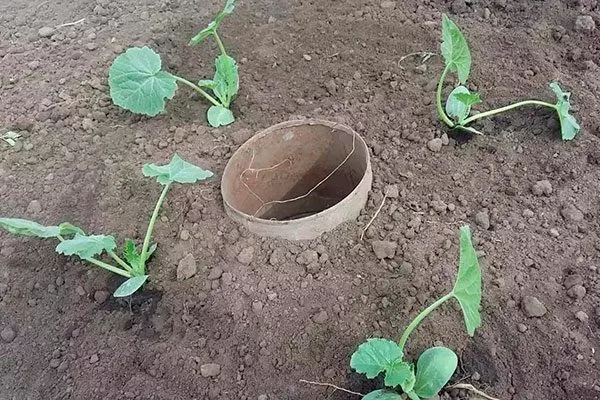
Begin sowing nutmeg seeds for seedlings in April or the first week of May, 21-30 days before transplanting them to their permanent location. By the time the seedlings are transplanted, the threat of frost should have completely passed and the temperature should be stable at 18-20°C.
Use peat pots or plastic cups (8 x 8 x 10 cm) to grow pumpkin seedlings. Sow the seeds in a potting mix purchased from a flower shop. The mix is neutralized peat with a pH of 5.5 to 6.5. Mix it in a 1:2:1 ratio with the following ingredients:
- leaf soil, disinfected by baking it in the oven or watering it with a solution of potassium permanganate;
- mature compost.
You can also use a homemade potting mix for growing pumpkin seedlings. To make it, combine the following ingredients in equal parts:
- garden or horticultural soil;
- compost;
- coarse-grained sand.
To grow high-quality Honey Guitar seedlings, use fresh seeds purchased from a reputable seller. It's a good idea to treat them before planting. Use a 1-2% potassium permanganate solution or a fungicide. Germinate the seeds.
Fill the cups with the prepared substrate. Sow a few seeds in each (weaker seedlings will need to be removed later). Cover with plastic wrap and leave in a warm place. When sprouts appear, remove the covering material. Move the seedlings to a sunny window. Care for them properly:
- water it moderately with lukewarm, settled water;
- If necessary, provide additional illumination with a phytolamp;
- carefully loosen the soil under the plants;
- Harden off the seedlings by taking them out into the fresh air for several hours a day.
Once the pumpkin seedlings are 21-30 days old, move them to their permanent location: a greenhouse or a garden bed. If you plan to grow the variety outdoors, select a sunny, wind-free area protected from drafts and not prone to groundwater flooding.
Follow crop rotation rules to prevent diseases in Honey Guitar butternut squash plantings and ensure good productivity:
- set up a bed where last year you grew good predecessors of the red vegetable: garlic, beans, peas, cabbage, potatoes, onions, beans, green manure crops;
- do not cultivate the nutmeg variety in the same place for several years in a row;
- Do not grow it where you had a planting of tomatoes, eggplants, peppers, zucchini, carrots, cucumbers, turnips, or a bed of melons (watermelons, melons) last season.
Plant Honey Guitar seedlings in the garden using a 90-95 x 130 cm spacing. Avoid dense plantings to prevent the crop from suffering from nutrient deficiencies. It's best to allow the plants more space to develop properly, increasing the distance between plants to 1 m and between rows to 2-2.5 m.
Transplant the pumpkin seedlings, along with the root ball, into spacious holes, after adding a little fertilizer to each one:
- wood ash - 10-12 g;
- humus - 200 g each.
After planting, water them with warm water and mulch with chopped straw. Cover them with plastic at night for the first few days to protect them from the cold. If you've moved the seedlings to a greenhouse, immediately install supports near them to which you'll later tie the vines.
Care instructions
To ensure a bountiful and high-quality harvest of the Honey Guitar pumpkin variety, strictly adhere to proper vegetable cultivation practices. Pay particular attention to watering, fertilizing, plant training, and soil care.
Watering
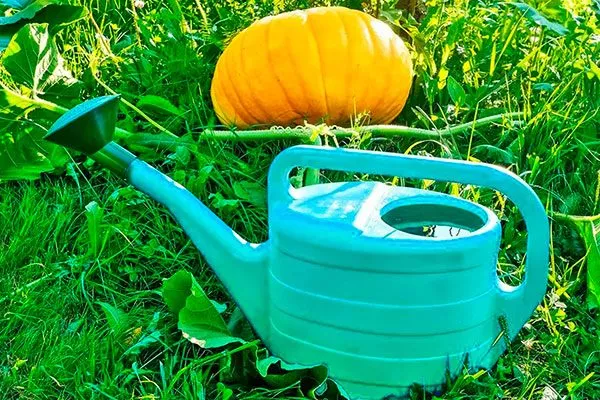
Water your pumpkin patch regularly and moderately. Avoid allowing the soil to dry out or become overwatered for long periods of time (waterlogging can lead to plant diseases, root rot, and even death). Follow these watering guidelines:
- Pour water only under the roots of the bush, avoiding moisture getting on the leaves, to avoid the development of fungal infections;
- perform the procedure 2-3 times a week, taking into account weather conditions;
- use up to 20 liters of water per plant;
- pumpkins grown in open ground often have enough natural precipitation;
- settle and heat the water in barrels in the sun or in a greenhouse;
- Water the Honey Guitar bushes in the evening hours;
- the planting of red vegetables needs watering most of all before flowering and during the period of growth of fruit ovaries;
- A few weeks before harvesting, stop irrigating the garden bed (this method allows you to achieve a richer taste of the fruit).
Top dressing
Butternut squash will benefit from just a few applications of fertilizer per season. Fertilize the seedlings 16-20 days after transplanting them to the garden and when the berries begin to form. To apply the fertilizer, dig shallow furrows around the plants, 30 cm from the root zone.
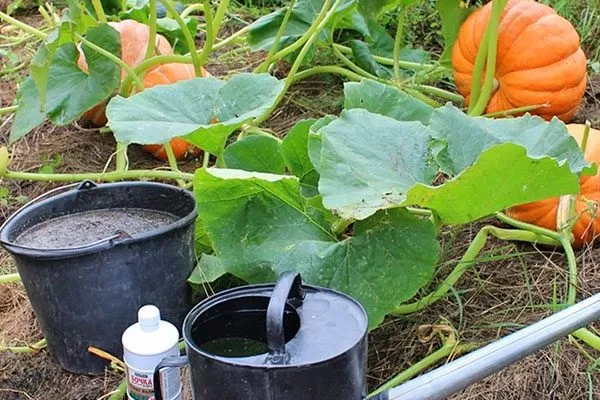
Use liquid mineral complexes or organic fertilizers to fertilize vegetable crops. They respond particularly well to natural nutrient solutions:
- mullein;
- poultry droppings;
- green manure.
Weeding and loosening the soil
The next day after each watering or rain, carry out soil care in the pumpkin bed, which includes the following mandatory procedures:
- LooseningBreak up the dense soil crust that forms under the bushes after the soil dries out. This crust prevents air from reaching the roots. Perform this procedure carefully, being careful not to damage the stems and roots.
- WeedingWhile loosening the soil in the garden bed, remove any weeds. Not only do they rob the vegetables of water and nutrients, but they also provide a breeding ground for pathogenic microflora and harmful insects like aphids and whiteflies.
Bush formation, pruning
The spreading, long-vineed bushes of the Honey Guitar variety require shaping treatments to increase their productivity and produce large, tasty fruits. Follow these steps:
- after several ovaries have formed, pinch off the top;
- Trim off excess lateral shoots from plants.
These steps will also help ensure the pumpkins have time to fully ripen before the cold weather sets in. Perform these steps in sunny, dry weather, in the morning.
How to get your own seeds?
If you want to harvest the Honey Guitar variety yourself, leave 2-3 large, attractive fruits on each plant. Once fully ripe, harvest them before frost. Then, follow these step-by-step instructions:
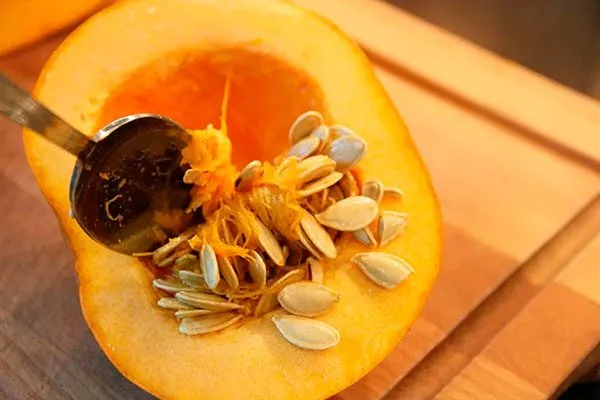
- Carefully cut the pumpkins, being careful not to damage the seed chamber.
- Remove the seeds. Peel and rinse them. Dry them in a warm place on a sheet of paper or a paper towel.
- Sort the seeds. Select fully ripe, large, and plump specimens that show no signs of disease or mechanical damage for sowing.
- Place the selected seed material in a cardboard box or cloth bag. It will retain good germination for 5–6 years.
Harvesting and storage
Honey Guitar pumpkins ripen 110-120 days after germination. This variety's harvest time is in late August. It's permissible to pick the fruits from the bushes earlier if the vines have dried out.
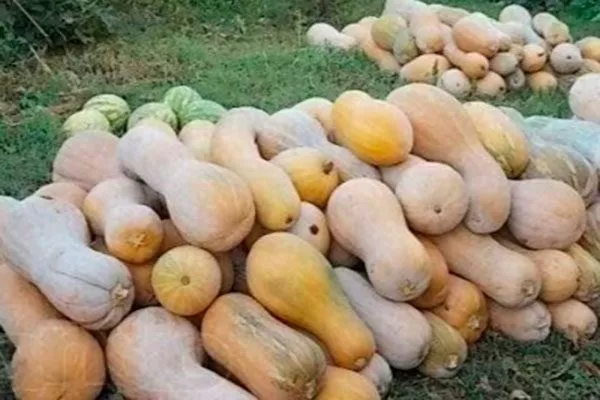
Since this red vegetable loves warmth, don't delay harvesting until the cold weather sets in. Get your harvest in before frost sets in. If necessary, you can pick slightly unripe pumpkins. They can be ripened further at home.
To ensure that the Muscat variety delights you with excellent shelf life and attractive fruit, harvest the fruit from the garden according to these rules:
- do not try to pick the pumpkin by hand, use a sharp knife or pruning shears;
- Carefully cut the fruits from the vines, trying not to scratch or damage their skin (if the integrity of the pumpkin's outer shell is damaged, bacteria will penetrate inside, and it will begin to spoil quickly);
- Harvest on a dry, cloudless day.
Once picked, store pumpkins in a cellar for long-term storage. They keep best in a cool, dark place. The optimal temperature for them is 12°C.
Pest and disease control, prevention
Honey Guitar bushes typically become diseased during unfavorable summer weather, characterized by prolonged cold spells and frequent precipitation. Sudden temperature fluctuations between night and day also contribute to the plant's weakened immunity and its susceptibility to fungal and bacterial infections.
Due to the lack of good disease resistance in the butternut squash variety, gardeners should pay special attention to problem prevention. This includes the following measures:
- regular thinning of overgrown vines, preventing thickening of the planting;
- weeding;
- destruction of plant residues;
- carrying out deep autumn plowing;
- compliance with watering and fertilization standards;
- seed treatment;
- compliance with crop rotation rules;
- watering the pumpkin bed with ash solution;
- immunization of plants by spraying them with a solution of potassium permanganate (3 g per 10 l of water) or copper sulfate (2 g per 10 l of water);
- preventing contact of pumpkins with the ground in the garden bed;
- destruction of diseased bushes;
- removing rotten spots on fruits and treating wounds on them with aloe juice;
- control of insects that carry infections;
- preventive treatment of pumpkin plantings with biopreparations based on Trichoderma.
Poor care puts Honey Guitar plants at high risk of being affected by powdery and downy mildew, anthracnose, fusarium, viral mosaic, and rot. If the plants show signs of disease, treat them with fungicides such as Planzir, Previkur, Fundazol, Topsin-M, Skor, or Kvardis.
If your pumpkin patch has been attacked by the mosaic virus, you won't be able to save it. You'll have to destroy the affected plants, roots included, and burn them outside your garden.
Due to unfavorable growing conditions and mistakes made by gardeners in caring for their pumpkin patch, there is a risk of Honey Guitar bushes being attacked by harmful insects:
- melon aphid;
- spider mite;
- slugs.
To prevent pest proliferation and widespread infestations, regularly inspect your red vegetable plantings for early detection of problems. To combat these pests, use insecticides containing active ingredients such as imidacloprid and lambda-cyhalothrin.
To protect plants from spider mites, spray them with onion peel infusion and use Malathion or Kelthane. Weeding and using Actellic or Trifos will help control melon aphids. If slugs are a problem, loosen the soil under the bushes, sprinkle it with ash, and use Mega or Groza.
It makes sense to use folk remedies to repel pests from butternut squash plants. They are also effective if only a few insects are found on the plants. Spray the bushes with the following solutions:
- wormwood decoction;
- infusion of onion peel or garlic;
- soapy water (100-200 g of laundry soap shavings per 10 l);
- lye (composition of the product: 200 g of wood ash, 50 g of soap, 10 l of water).
Pros and cons
The Honey Guitar pumpkin is prized for its unique, beautiful shape and wonderful flavor. This nutmeg variety of this red vegetable also has other qualities that make it attractive to domestic gardeners:
The variety also has its drawbacks. It lacks a strong immune system to effectively resist infections. Its bushes are susceptible to disease in damp and insufficiently warm summers. They are not adapted to cultivation in cold climates. Fruit grown in unfavorable conditions does not offer a rich, sweet flavor.
Reviews
Honey Guitar is a pumpkin variety popular with Russian gardeners, characterized by its mid-season ripening, good yield, drought resistance, and excellent shelf life. It is loved for its wonderfully sweet flesh with honey-apricot notes, the wonderful aroma of spices, and the beautiful shape of its pumpkins.