
The Mandarinka pumpkin is a compact, high-yielding variety with firm, juicy flesh and a vibrant, sweet flavor. Its small fruits are renowned not only for their visual appeal but also for their versatility—from fresh salads to homemade desserts. This variety is characterized by disease resistance and excellent transportability.
Description of the Mandarin pumpkin
The Mandarin pumpkin is a variety of hard-skinned pumpkin that stands out for its original appearance and excellent taste.
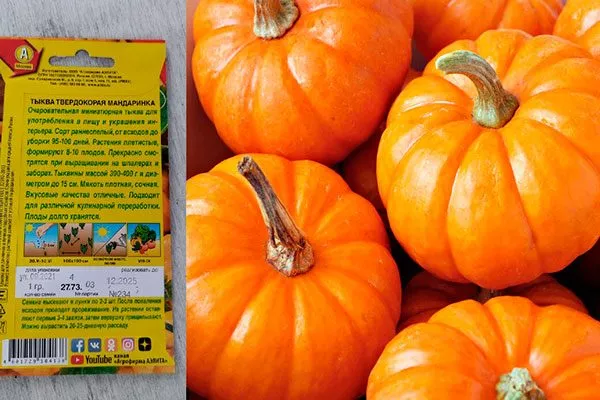
Distinguishing characteristics:
- The plant is a climbing type, takes up little space and fits organically into the design of the site.
- The fruits have a flattened round shape, the diameter is 7-10 cm, the height is 3-4 cm, the weight varies from 300 to 500 g. The pulp is dense, juicy, with pronounced segmentation.
Main characteristics
The Mandarinka variety was bred specifically for temperate climates, but it thrives in other regions as well. It's grown successfully in open ground, greenhouses, and large containers on balconies.
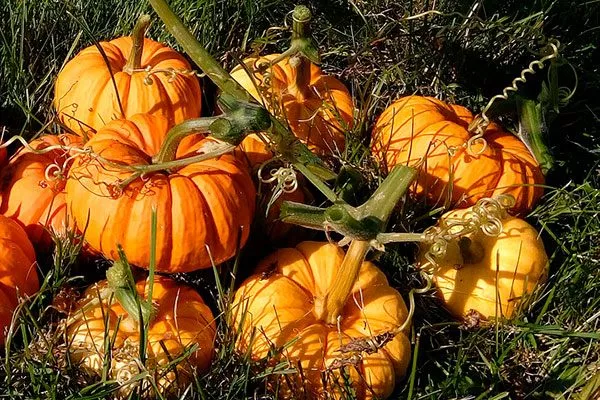
Features of pumpkin:
- With proper care, the plant is resistant to powdery mildew and most fungal diseases. Natural remedies, such as garlic or tobacco dust infusions, are effective for protection against pests such as aphids and spider mites.
- The pumpkin's vines and bright, miniature fruits are highly decorative, making this variety often used in landscaping. It is planted along fences, arbors, or to create living arrangements.
- The growing season is about 95-100 days, and the harvest occurs in August-September.
- Long-term storage allows the harvest to be used throughout the winter—whether for personal use or for subsequent sale. The variety is highly transportable: the fruits retain their marketable appearance even when shipped over long distances.
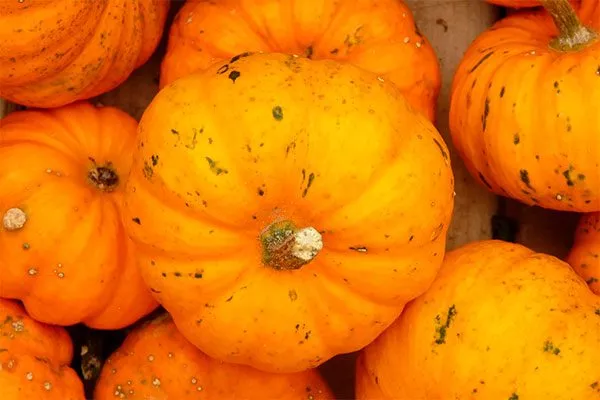
Harvest and its use
Pumpkins are harvested from August to September, when the stems begin to dry out and the skin becomes firm and durable. The vegetables store well without losing their flavor or marketability. A single bush can yield up to 10 fruits, making this a fairly productive variety.
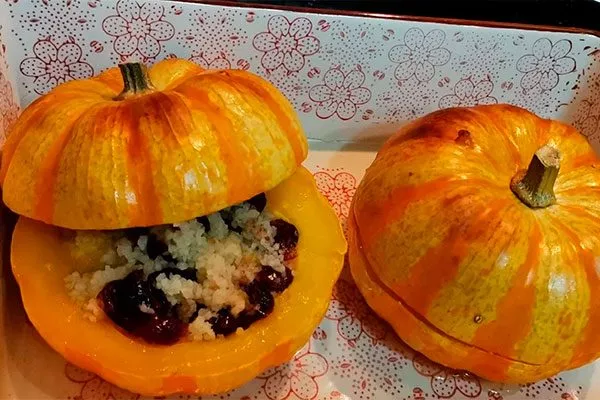
Its excellent flavor makes pumpkin ideal for both fresh consumption and cooking. It's great in salads and baked goods, and it handles cooking well.
Mandarin oranges do not lose their taste and appearance for 4-6 months at a temperature of +10…+15°C and a relative humidity of 70-75%.
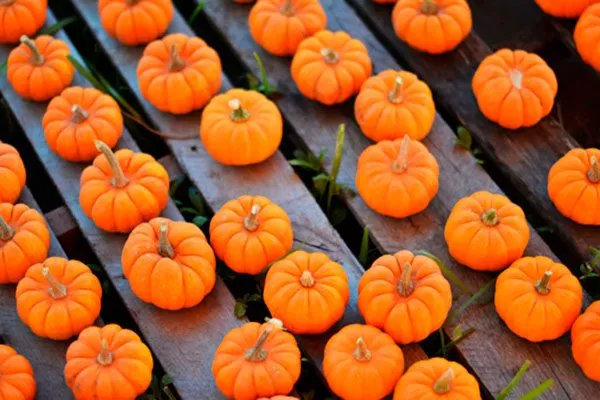
Place the pumpkins in well-ventilated boxes, avoiding them from touching. Before storing, dry them in the sun for 2-3 days to extend their shelf life and preserve their flavor.
Growing and care
It is recommended to grow mandarin oranges using seedlings, especially in regions with short summers. This allows for an earlier and more consistent harvest. To improve development and accelerate fruiting, it is important to adhere to certain requirements.
Conditions
The crop is highly sensitive to environmental conditions, so to obtain a stable harvest, take into account its basic needs.
Suitable conditions for Mandarin:
- Illumination. Doesn't tolerate shade well. Insufficient light reduces fruit sugar content and overall yield. Best results are achieved when grown in open, sunny areas, but light partial shade is acceptable in hot and arid regions.
- Soil. Pumpkins are demanding when it comes to soil fertility. They prefer loose, organically rich sandy loams, light loams, and black soils. They grow well in compost heaps. The ideal pH is between 6 and 7.5. Raised beds are recommended if the groundwater table is high.
- Temperature conditions. The plant thrives on warmth, especially during its early development. Young plants are sensitive to cold temperatures. Hard-barked varieties, including Mandarinka, are more cold-tolerant than nutmeg varieties. For normal root growth, soil temperatures between 18 and 23°C are required.
Soil for sowing and seeding
Enrich the prepared peat soil mixture with neutral acidity by adding leaf soil and rotted compost in a ratio of 1:2:1.
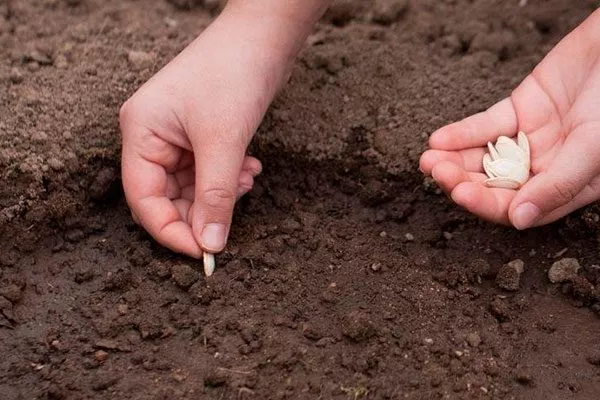
Follow these recommendations:
- Sowing for seedlings should be carried out 20 days before the expected planting in open ground.
- If the seeds have not been treated with thiram, it is advisable to pre-disinfect them by keeping them in a brilliant green solution (5 g per 100 ml of water) for 30 minutes.
- Since pumpkin is sensitive to transplanting, sow the seeds directly into individual containers.
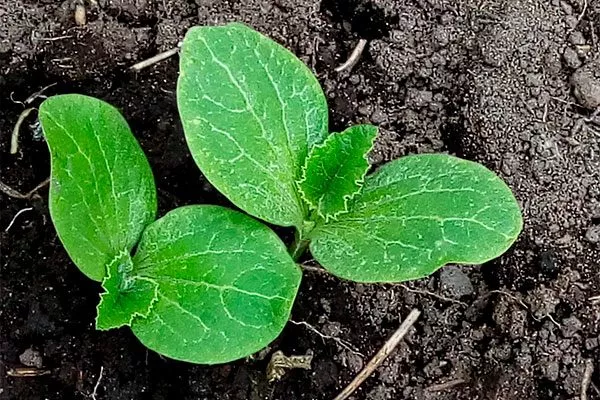
Hardening
Begin hardening immediately after seedlings emerge, provided the outside temperature does not drop below 18°C. On the first day, take the seedlings outdoors for 1 hour, then increase the hardening time by an hour each day.
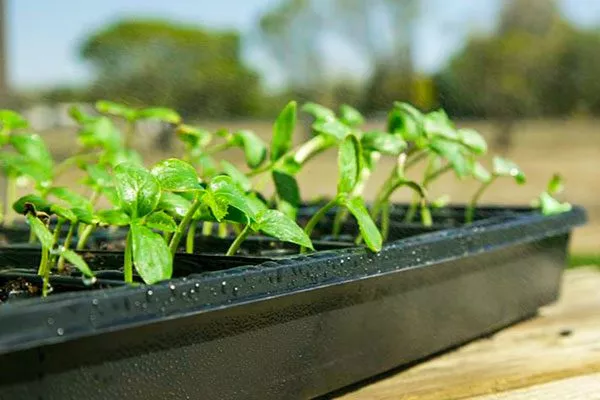
Transplanting
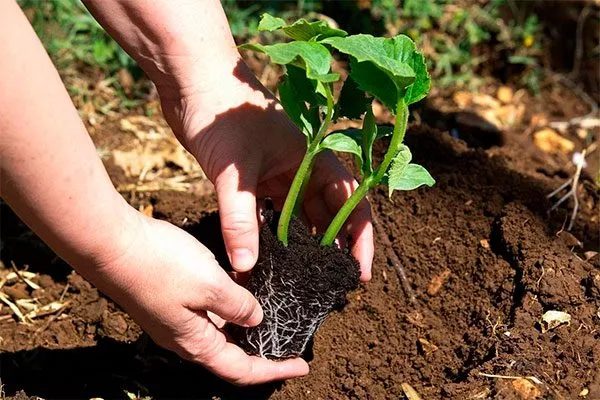
Add 40 g of wood ash and 200 g of humus to each hole. Basic requirements:
- Transplant by transshipment, being careful not to damage the roots. Deepening the root collar is not recommended.
- After planting, moisten the plant with warm water and mulch the surface with dry straw.
- If night temperatures drop below +15°C, temporarily cover the seedlings with cut-off five-liter bottles or covering material stretched over arches.
Plant care and formation
The Mandarin pumpkin requires regular and ample watering, especially during the period of active growth and fruiting. Keep the soil moist, but avoid overwatering to prevent root rot.
Perform this procedure approximately 1-2 times a week, depending on weather conditions and soil conditions. Water more frequently in dry, hot weather. Use warm, settled water to avoid stressing the plant.
Water should be applied directly to the roots, avoiding the leaves and fruit, which reduces the risk of fungal diseases. Reduce the frequency of watering during the ripening period – this will prevent the pumpkins from cracking and will store better.
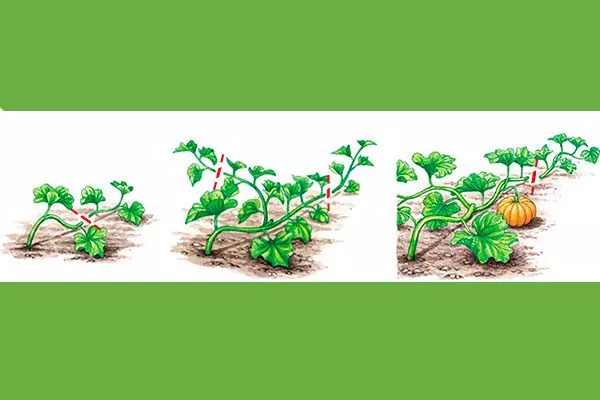
Plant structuring:
- form into 1-2 trunks, leaving the main stem and 1-2 strong side shoots;
- remove all unnecessary shoots so that the plant does not waste energy on extra foliage and directs its energy towards fruiting;
- If possible, tie the stems to a trellis or net for ease of care and harvesting;
- To improve ventilation and light, remove old or damaged leaves mid-season.
Fertilizers
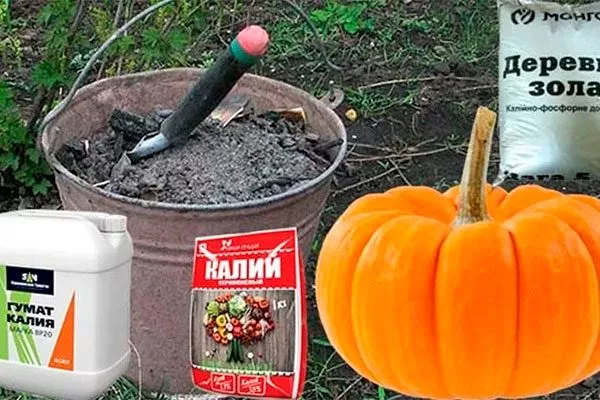
The first one top dressing Apply manure infusion 10-14 days after planting. Then, water the plants with herbal infusion every two weeks to stimulate growth.
Pros and cons
Reviews
The Mandarinka pumpkin combines excellent flavor, high yield, and a long shelf life. Its compact size and resistance to fungal diseases allow it to be grown in a variety of conditions, from open ground to balcony containers. This crop will enhance any garden and deliver excellent results.