
The "Malyshka" pumpkin lives up to its name—small, round, and attractive. This vegetable is prized for its undemanding nature and adaptability to a variety of climates. This variety requires little care and is versatile—the fruits are used for baking, desserts, porridge, jam, and other homemade preserves.
Description of the bush and fruits
The crop was approved for use in 2009. Malyshka has many positive qualities. The variety's main characteristics are:
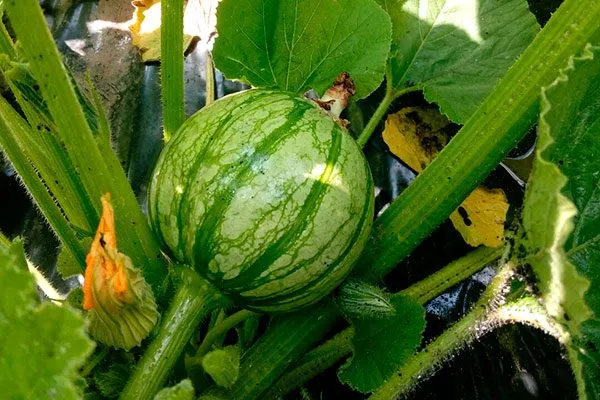
- Plant - bush type, with short shoots and green leaves, the shape of which resembles a star.
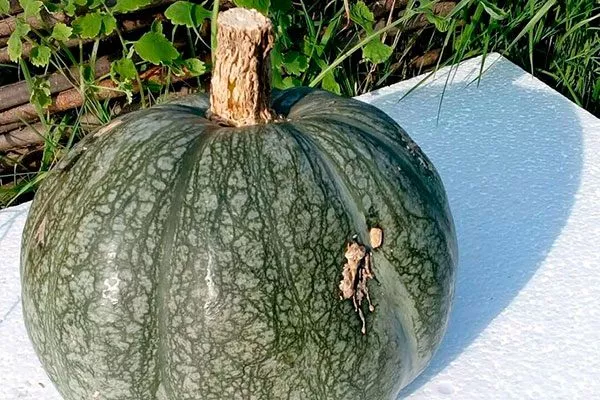
- Fruits – Medium-sized, weighing between 1.4 and 4 kg. They are round, with dark gray skin tinted with brown and covered with light gray spots. The surface is rough, with distinct segmentation.
- Pulp – slightly thickened, rich orange in color, crispy, moderately juicy and dense.
- Seed nest – medium, small seeds, narrowly elliptical, white in color, with a high content of carotene.
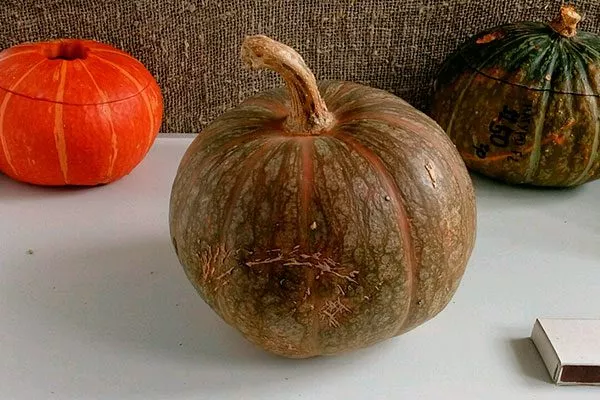
This vegetable is used in a variety of dishes, from creamy soups and purees to casseroles and pies. Malyshka pumpkin is ideal for baby food and dietary nutrition, as it has a soft texture and is free of coarse fiber.
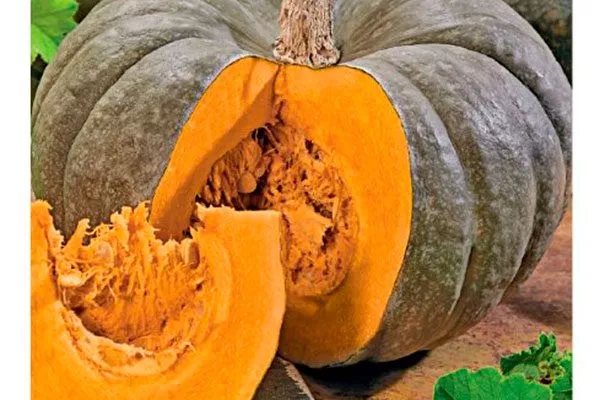
Main characteristics
This mid-early variety takes 80-90 days from germination to harvest. Yields reach 3.5 kg per square meter.
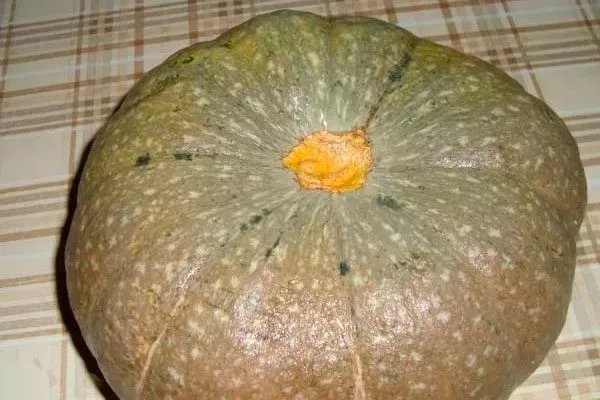
Features of the variety:
- The vegetable is widely used in cosmetology for its moisturizing and nourishing properties. The pulp is used to make face and hair masks, which help maintain healthy and beautiful skin.
- The plant prefers fertile, loamy soil with a slightly alkaline reaction. The soil should be light and well-drained to ensure adequate air and moisture. In heavy and depleted soils, the soil composition can be improved by adding sand, peat, humus, compost, or well-rotted manure.
The bushes grow well in warm and temperate climates. The Malyshka pumpkin is easy to grow and requires little care, but with proper cultivation practices, it produces a high yield.
Optimal conditions for growth
Successful plant development depends on creating a comfortable environment that promotes vigorous growth and good productivity. Key factors:
- The optimal temperature range is +20…+30°C.
- The soil should remain moderately moist - both excess and lack of moisture negatively affect the condition of the root system.
- Light, nutritious and drained soil with a pH of 6-7 promotes adequate nutrition of plants and their resistance to adverse factors.
- ✓ The soil pH level should be strictly within 6-7.5 for optimal nutrient absorption.
- ✓ The soil must contain at least 3% organic matter to ensure the required level of fertility.
Compliance with these conditions allows to increase productivity and improve the quality of fruits.
Soil preparation and planting
Successful bush development depends largely on soil cultivation and proper planting. Follow these steps:
- Provide adequate sunlight and protection from strong winds.
- Carry out deep plowing of the area (20-25 cm).
- Add organic fertilizers (compost, humus). Add minerals (phosphorus, potassium).
- Form beds 1.2-1.5 m wide. Place holes at a distance of 70-100 cm.
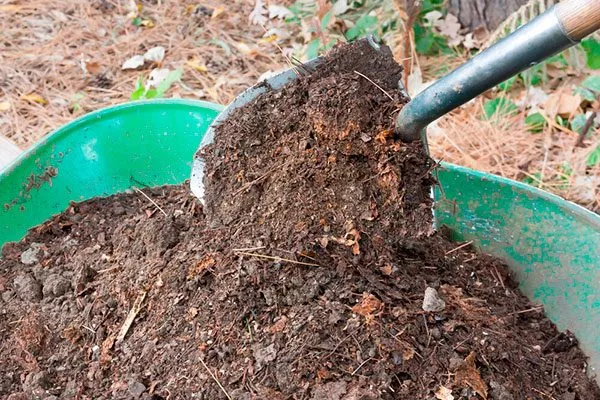
The optimal soil temperature for planting is 15-18°C. Maintaining these conditions ensures better plant establishment and increased productivity.
Caring for the plant during growth
Caring for your crop is crucial for producing strong, healthy fruit. Follow standard agricultural practices:
- Watering. Regular watering is especially important on hot days. The soil should remain evenly moist, but avoid excess moisture, as this can lead to root rot.

- Fertilizers. During the early stages of growth, plants require complex fertilizers containing nitrogen, phosphorus, and potassium. Later, use fertilizers with a higher potassium content to promote fruit formation.
- Weeding. Helps eliminate weeds that can compete with crops for nutrients and moisture. Pull weeds regularly to avoid wasting energy on unwanted vegetation.
- Loosening. Loosen the soil to ensure roots have access to oxygen and water. This helps prevent soil crust formation.
- Mulching. Helps retain moisture in the soil, reducing the need for frequent watering. Mulch maintains a stable temperature in the root zone and prevents weed growth. Use straw, leaves, grass, or organic materials that decompose over time and enrich the soil with nutrients.
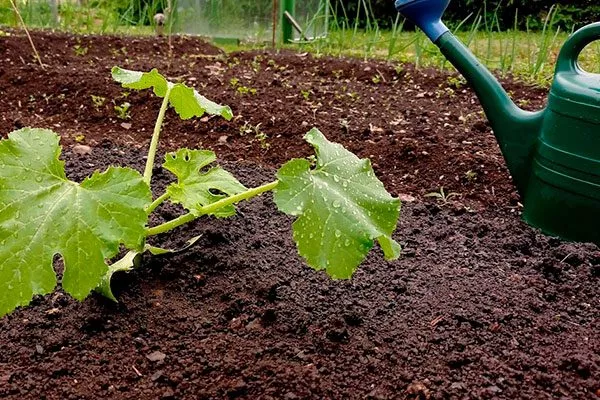
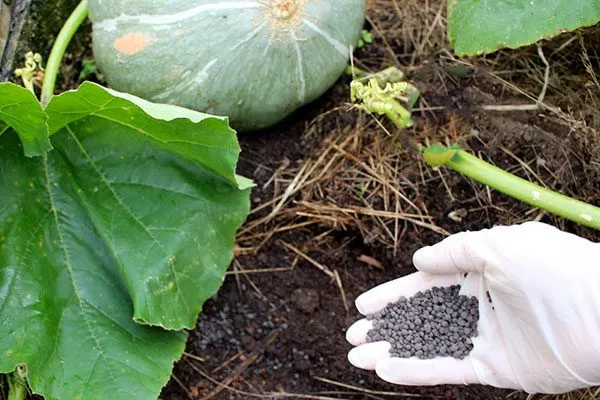
The Baby pumpkin is susceptible to various diseases. For prevention and treatment, use fungicides and insecticides:
- powdery mildew – Topaz, Quadris and Skor;
- fusarium – Previkur, Topsin-M and Fundazol;
- ascariasis – Bordeaux mixture, copper sulfate and Hom.
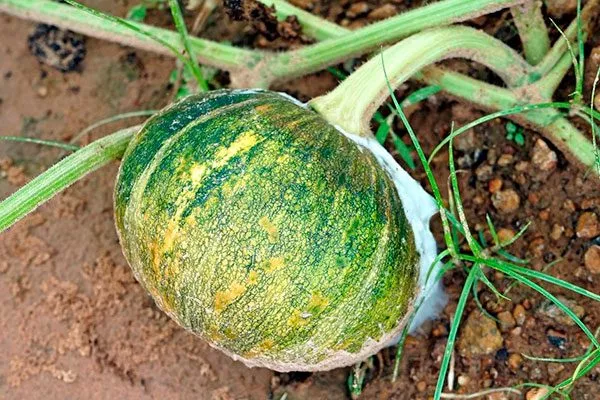
Pumpkin pests include aphids, spider mites, and whiteflies. Use the following insecticides: Aktara, Confidor, Actellic, Neoron, Fitoverm, and Mospilan.
Harvesting and storing fruits
Harvest vegetables at the optimal time, when they reach maturity, as this directly impacts their flavor and shelf life. Harvest from July to September. The exact timing depends on your climate zone.
Helpful tips:
- In the southern regions, harvesting ends in early September, in temperate regions – in October.
- The ripeness of the pumpkin is indicated by a dried stalk and a changed pattern on the skin.
- Harvest vegetables in dry weather to minimize the risk of damage and rot. Use a sharp knife to cut the fruit to avoid mechanical damage.
- Pay special attention to the appearance of pumpkins – select only healthy specimens without defects.
- ✓ The stalk should be completely dry and easily separated from the fruit.
- ✓ The peel acquires a matte shade and does not bend when pressed with a finger.
The right conditions help preserve the flavor and nutritional qualities. Good ventilation and maintaining optimal temperatures prevent rotting and disease, ensuring the vegetables are fit for further culinary and other uses.
Pros and cons
The Malyshka variety's distinctive features include its neatly shaped fruit, short stems, and dark skin with a distinctive pattern. Other advantages of the variety include:
Gardeners consider the thin layer of pulp and the average size of the vegetables to be the disadvantages of the crop.
Reviews
The Malyshka pumpkin is an excellent choice for those who value ease of growing and excellent taste. Its compact growth habit, high yield, and early ripening make this variety popular. The fruits store well and are suitable for long-distance transportation. These versatile vegetables can be used in a wide variety of dishes.