
The Lunga di Napoli pumpkin is unlike the rounded vegetable many are accustomed to. It has an elongated shape, large size, and a sweet flavor. Suitable for growing in a variety of climates, it adapts easily and thrives in Russia. With proper care and attention, it can significantly increase the fruit's weight.
History of selection, appearance of the plant and fruits
This cultivar was developed in Italy in the early 20th century. It got its name from its impressive size: the word "lunga" translates from Italian as "long," and "Napoli" refers to the city where it was created.
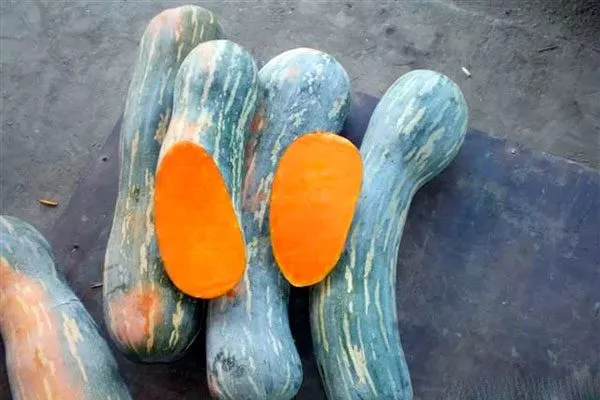
Distinctive characteristics of the cultivar:
- The bushes are vigorous, indeterminate, with thick, creeping stems. They are moderately foliated. The vines are covered with large, richly green, finely toothed leaves. They are attached to the stems by strong petioles, and the plant has a well-developed root system.
- During flowering, the bushes are adorned with unisexual buds of a bright saffron-yellow hue. Fruit develops on female flowers, and pollination occurs through insects. Several large fruits form on a single bush.
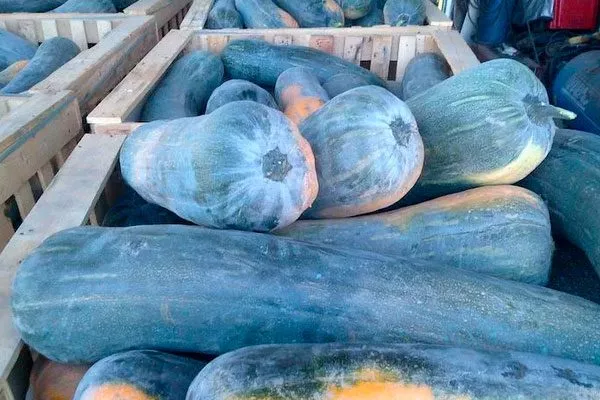
- This variety stands out among other cultivars for its unusual shape and massive size. Weight ranges from 17-22 to 32-35 kg, and length can reach 100 cm.
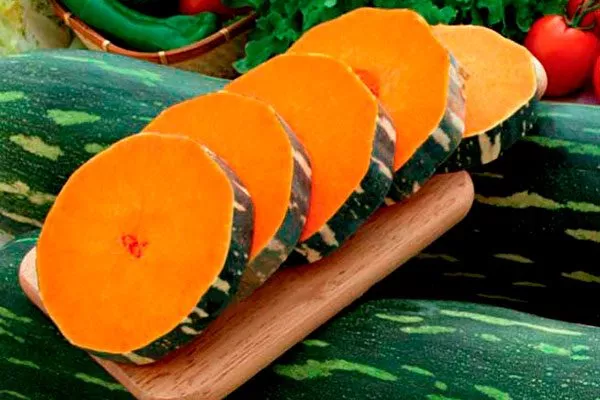
- The pumpkin is cylindrical or pear-shaped, with a smooth, matte skin of a grey-green colour with yellow-orange veins and blotches.
- ✓ Adaptability to various climatic conditions, including regions with cool summers.
- ✓ High yield provided the bush is formed (2-3 shoots with 2-3 fruits on each).
Main characteristics
Pumpkin is one of the most sought-after and valuable vegetables in global cuisine. It's renowned for its rich vitamin and mineral content, and its low calorie content makes it an essential ingredient for a healthy diet. The Lunga di Napoli variety boasts numerous beneficial qualities.
Purpose and taste
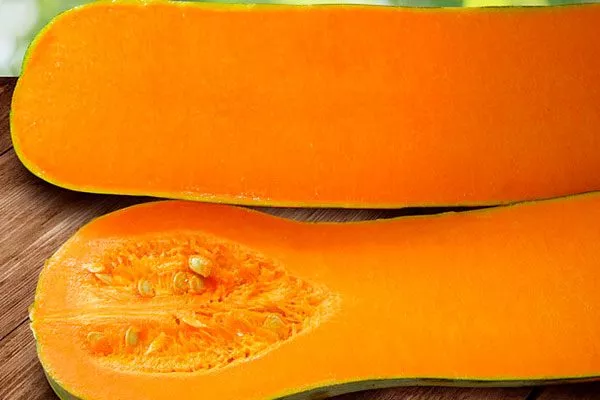
This sweet vegetable has a versatile use. It's ideal for a wide variety of dishes. The tender flesh is used in soups, purees, casseroles, and desserts, and also serves as the base for aromatic sunflower seeds, which are especially popular in Italy.
Productivity, ripening time
This variety is considered a mid-season variety. The period from mass germination to full fruit ripening is approximately 120 days, but in some climates this period can extend to 130 days. The harvest is usually in September.
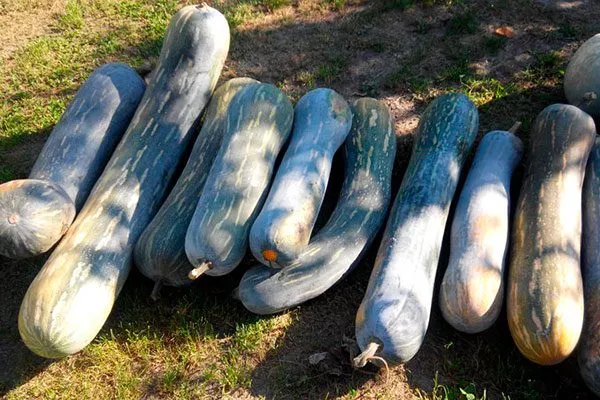
One of the variety's key advantages is its high yield. A single plant produces 2-3 fruits, weighing between 15 and 35 kg.
Climate requirements and growing regions
The crop is characterized by high stress tolerance, so it easily tolerates temperature fluctuations, heat, and light shade. However, the plant is sensitive to prolonged drought, so regular watering remains essential for successful cultivation.
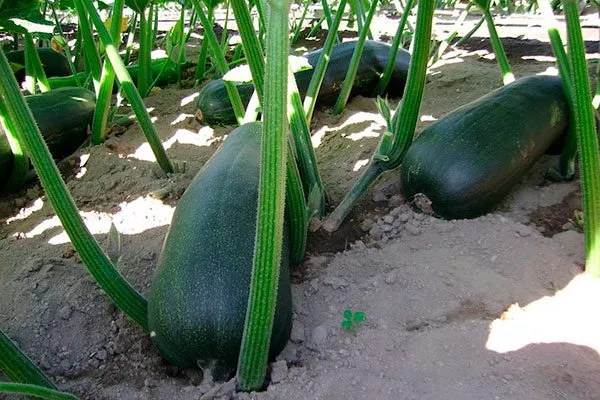
The variety achieves its maximum productivity in the Central and Southern regions, but thanks to its unpretentiousness and adaptability, its cultivation has become possible throughout almost the entire territory of the country.
Landing
Lunga di Napoli pumpkin is most often grown using seedlings. Follow these recommendations:
- Prepare suitable containers, such as peat cups no more than 8 cm in diameter. Prepare a soil mixture consisting of one part peat, one part turf, and two parts compost. Fill the containers halfway with this mixture, making holes 3-5 cm deep.
- Sow at the end of April. Place the seeds pointed end down, then cover with soil, compacting it well. Afterward, thoroughly moisten the substrate. If planted correctly, the first shoots will appear within a few days. After a week, carefully arrange the stems in a spiral or ring and cover with soil.
- Seedlings require regular care, including adequate watering and fertilization 2-3 times during the growing season. Use mineral fertilizers for supplemental feeding.
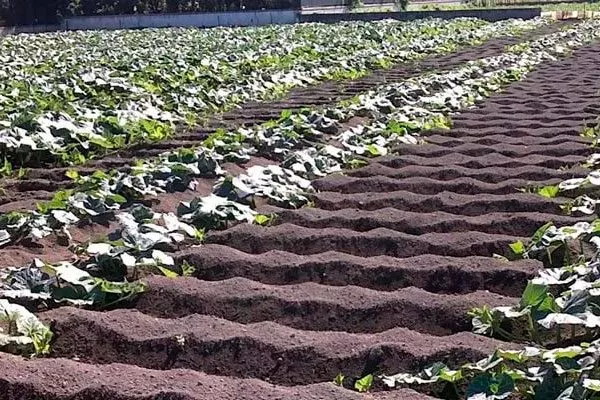
Once the threat of spring frost has passed, choose a well-lit site—it should be well-lit throughout the day and protected from drafts. The soil should be light, loose, fertile, and well-drained. Acidic and heavy soils are unsuitable.
Dig holes measuring 100x100 cm. Transplant the seedlings carefully: remove the plants from their containers, root ball included, and place them in the center of the holes. Fill with soil and moisten generously.
Further cultivation
The Lunga di Napoli pumpkin is a heat-loving plant with large, elongated fruits and firm, sweet flesh. Proper care is essential for a bountiful harvest.
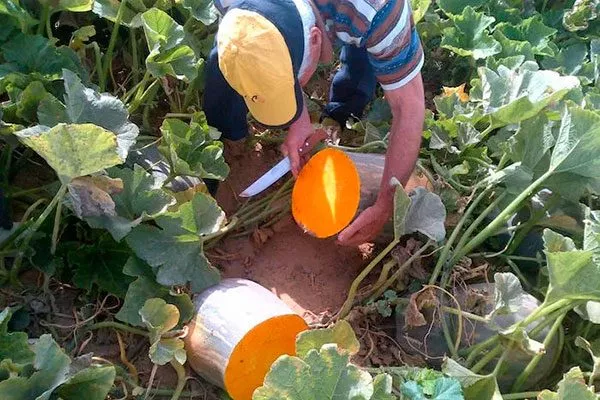
Carry out timely agricultural practices:
- Watering. Provide the plant with regular watering, especially during flowering and fruit formation. Avoid getting water on the leaves to prevent fungal diseases. Use warm, settled water. Water 1-2 times a week, more frequently during drought.
- Fertilizers. Two weeks after germination or after replanting, apply an infusion of mullein or bird droppings (1:10 with water). During flowering, add potassium fertilizer (wood ash or grass infusion).
During the fruit ripening period, use phosphorus-rich fertilizers, such as Superphosphate, to improve fruit quality. Apply 3-4 times per season. - Soil care. After each watering, loosen the soil in the holes to ensure the roots have access to oxygen. To retain moisture and suppress weeds, mulch the soil with straw, humus, or grass clippings.
- Formation. To increase yield, leave 2-3 shoots on the plant and remove the rest. Each shoot should bear 2-3 fruits. Pinch out the growing point after the last fruit. This will allow the plant to focus on filling and ripening.
- To prevent fungal diseases, such as powdery mildew, spray plants with garlic infusion or a potassium permanganate solution (1 g per 10 liters of water). For pests, use onion peel infusion or insecticides for severe infestations.
Pros and cons
The Lunga di Napoli pumpkin variety boasts numerous advantages, making it a favorite choice for both experienced and novice gardeners. Key benefits of this pumpkin include:
Among the disadvantages, poor drought tolerance is noted: with insufficient watering, the flesh becomes tough and dry. Furthermore, the plants require significant space to fully develop.
Reviews
Lunga di Napoli is the ideal variety for gardeners seeking high-quality vegetables. Under favorable growing conditions, it produces large pumpkins that store well and retain their flavor. The fruits are used in a variety of dishes, and daily consumption ensures maximum health benefits.