
The Medicinal Pumpkin is one of the healthiest and most delicious melon varieties. Its healing properties help cleanse and rejuvenate the body. Even a novice gardener can grow the Medicinal Pumpkin; it doesn't require any special conditions and, with proper care, yields a bountiful harvest.
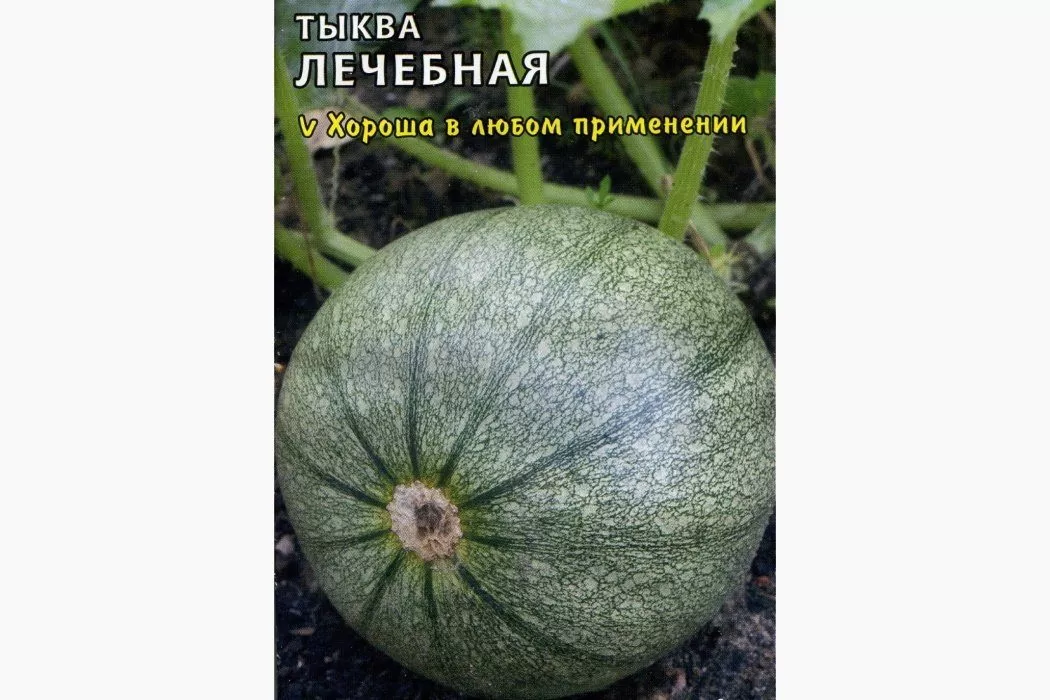
Medicinal Pumpkin
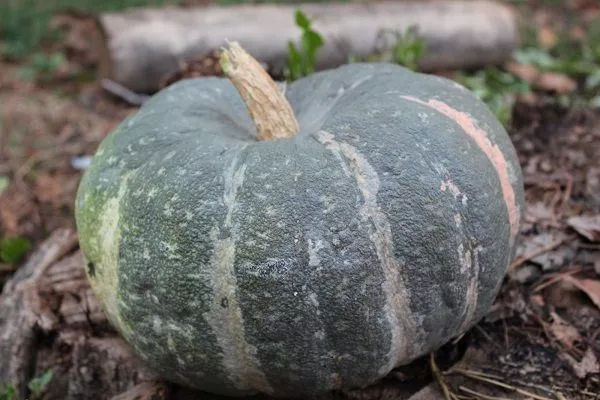
The Medicinal Pumpkin is undemanding in care.
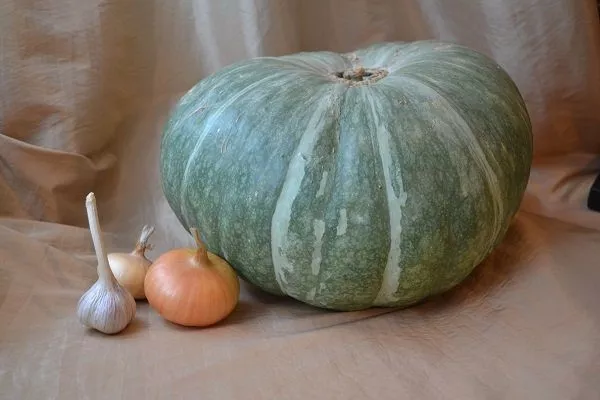
Medicinal pumpkin has a good taste
Medicinal Pumpkin: Description and Characteristics
Pumpkin got its name from its high content of vitamins E, B1, and B2. It also contains carotene, fiber, and sugars.
Main characteristics of the Medicinal pumpkin:
- The plant's vines are not very long but thick. The bushes are short, with round, unribbed stems. The leaves are green, large, and undissected. The peduncle is cylindrical.
- Pumpkin flowers are yellow with five petals. Ovaries form only on the female inflorescences. The plant's fruits are large, weighing approximately 5 kg each, sometimes reaching 8 kg.
- The fruits are slightly flattened on both sides. They are light green or light gray in color, with a distinct dark mesh pattern.
- The flesh is bright orange, tender and juicy. The aroma is distinctively pumpkin-like. Each fruit contains three cavities containing white seeds, which are used for planting.
- The "Healing" pumpkin is an early-ripening variety. The first fruits can be harvested as early as 100 days after sowing.
- This variety is distinguished by its high yield – one plant can yield approximately 18 kg of fruit. Approximately 3-4 pumpkins ripen on one bush.
Distinctive features
The main characteristic of this pumpkin variety is its fruit. It's renowned for its rich green rind, covered with a thick white coating. This makes the fruit appear slippery. Another distinctive feature is its resistance to sudden temperature changes, making it suitable for grow in open ground even in the northern regions of the country.
Resistance to pests and diseases
The plant's immunity is average, and it's not resistant to fungal diseases. Many gardeners report that the "Lachebnaya" pumpkin variety suffers from rot. Powdery mildew and anthracnose are also common enemies.
Advantages and disadvantages
The Medicinal Pumpkin, like other varieties, has its pros and cons, which must be taken into account when growing this plant.
Benefits of pumpkin:
- frost resistance;
- resistance to sudden temperature changes;
- undemanding in care;
- high yield;
- excellent taste and maximum usefulness of the pulp;
- the bush is medium-sized, so more plants can be grown on the plot;
- long term storage.
Disadvantages of the Medicinal Pumpkin:
- average immunity;
- demanding soil composition.
Features of growing Medicinal pumpkin
The main features of growing this variety:
- Despite its frost resistance, pumpkins prefer sun and warmth, so plant them in sunny areas. In the fall, dig the soil and clear it of debris, including weed and plant roots.
- Add 5-7 kg of rotted manure per square meter. If the soil is highly acidic, add dry lime or ash. Heavy soil requires sand.
- In spring, level the soil with a rake and clear away grass. Apply 30 g of superphosphate and 25 g of urea per square meter, and water the beds with a hot solution of copper sulfate (0.5 tbsp per 5 liters of water).
- The minimum soil temperature for growing pumpkins is 12 degrees Celsius. At this temperature, the Medicinal pumpkin can be planted, but it's best to have the air temperature reach 24 degrees Celsius, which will allow the soil to warm up sufficiently.
- When cold weather sets in, the pumpkin stops growing and resumes growing on the first sunny and warm day.
- To speed up plant growth, you should make a small greenhouse.
- You can use the seedling method of growing, then the sowing dates are shifted by 3 weeks (around the beginning of April).
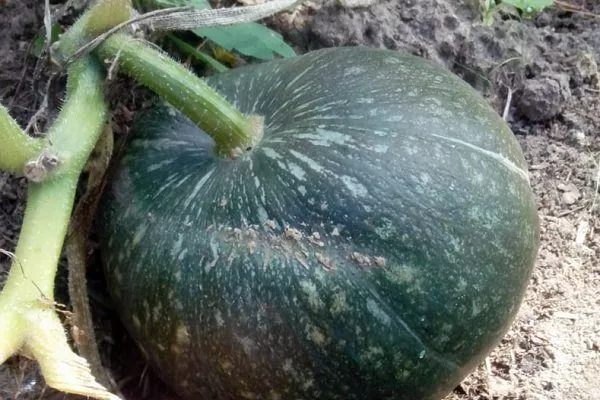
Germination of seeds
You can't plant the seed directly into the soil; it needs to be cultivated and hardened first. Germination takes about 2-3 days, but after all these procedures, the plant will emerge much faster.
Algorithm for preparing seeds for planting:
- Soak the seeds in warm water for 2 hours.
- Place the seeds in damp gauze and place it in a warm place.
- Store the grains in this state until they begin to sprout.
- Make sure the gauze does not dry out.
Sowing seeds in open ground
Be sure to plant the seeds in soil at a temperature of at least +12…+15 degrees, otherwise the seeds will not begin to germinate.
Seed sowing algorithm:
- Dig holes 0.3 m deep. Place 10 cm of humus or rotted manure at the bottom. Fill the remaining space with soil.
- Planting pattern: 60*80 cm.
- Sow three seeds per hole, but space them far apart. Place the first seed 5 cm deep, the second 7 cm, and the third 9 cm.
- Water the holes.
- Cover the beds with film, remove it a week after the seeds have sprouted.
- Pinch out weak shoots, leaving one plant in each hole.
Growing seedlings
Pumpkin seeds should be sown for seedlings between April 20th and 30th, or even earlier. This depends on the climate in your region. The seedlings are transplanted into the open ground after two weeks.
Melons don't tolerate transplanting, so they should be sown directly into individual pots. You can use various containers, such as juice bottles, plastic cups, or peat pellets.
Algorithm for growing seedlings:
- The Medicinal Pumpkin is very demanding when it comes to soil composition; it prefers fertile but loose soil. A store-bought melon mix can be used.
- If you have the means, prepare the soil yourself: 1 part garden soil + 1 part humus + 0.5 parts sand. Add a cup of ash and a little superphosphate (1 tablespoon) to 1 bucket of this mixture.
- The pots must have drainage, using coarse sand; the rest is filled with prepared soil. Treat the seedling pots, soil, and drainage with a saturated solution of potassium permanganate. Plant the seeds 3-5 cm deep.
- To help the seeds germinate better and faster, spray them with warm water 2-3 times a week.
- Avoid over-ventilating the seedlings.
- As soon as the seeds in the pot sprout, pinch off the weak ones and leave one strong plant.
- To ensure rapid germination, the air temperature should not drop below 27 degrees Celsius. A week after the sprouts emerge, the temperature is lowered to 18 degrees Celsius.
Seedlings are fed only once. Use nitrophoska or chicken manure diluted with water at a ratio of 1:10.
Transplanting seedlings into open ground
By the time of transplanting, the seedlings should have three true leaves. Small internodes indicate a plant's quality. Seven days before transplanting the seedlings into open ground, harden them off by taking them outside every day.
- ✓ The presence of 3-4 true leaves of a rich green color.
- ✓ Short internodes, indicating good lighting.
- ✓ No signs of wilting or yellowing of leaves.
For transplanting seedlings:
- Dig holes in a checkerboard pattern (60 x 80 cm). Place 1 liter of bird droppings solution in each hole.
- Plant 1 plant per hole.
- Do not bury the root collar.
- Water with warm water using the rain method.
- Cover the sprouts with film for a week after transplanting.
How to care for pumpkin?
The Medicinal Pumpkin is an easy-to-care-for plant. To ensure a bountiful harvest, follow these basic yet important growing guidelines for this melon.
Watering and fertilizing
The main activity in caring for pumpkin is regular and proper wateringPumpkins, like a pump, draw all the moisture out of the soil and wait for the next "portion." Water evaporates through the leaves, so the roots and stems receive insufficient amounts.
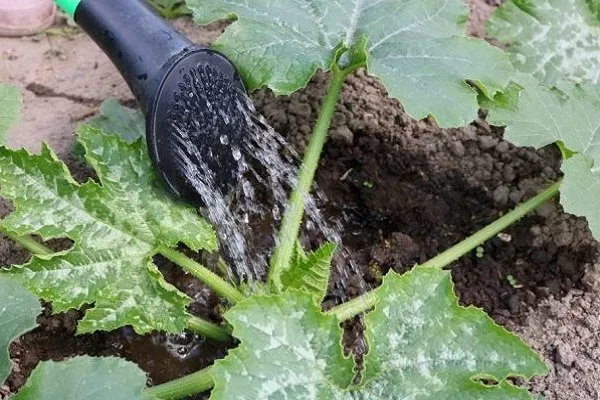
Place the water in the sun beforehand, ensuring its temperature is at least 20 degrees Celsius. Watering with cold water will kill the pumpkin. After watering, loosen the soil and remove weeds as they appear.
If the summer season is too dry, the plant should be watered more often before flowering.
Melon crops cannot do without fertilizers, otherwise you will not get large fruits. First pumpkin feeding – after the appearance of the 5th leaf, the second – after the formation of wattle, then add useful microelements to the soil every 2 weeks.
Nitrophoska is used as a fertilizer (10 g per plant), increasing the amount by 5 g with each subsequent feeding. You can use dry granules or dilute the product. During the fruiting period, add an additional 1 cup of ash. Throughout the growing season, use a mullein solution.
Weeding and loosening
Until lateral shoots appear, regularly loosen the soil and remove all weeds. Once the plants begin to spread along the ground, do not disturb them, otherwise the stems will quickly break. Weeding should be done simultaneously with watering. Loosening the soil helps oxygen flow freely to the root system.
Harvesting
The harvest is in late August or early September, depending on the regional climate. Harvesting is done by hand. Use a knife or pruning shears to cut the fruit close to the stem, leaving about 10 cm of stalk.
Diseases and pests
The Medicinal Pumpkin has a weak immunity to fungal diseases. To reduce the risk of their occurrence, it is necessary to spray the plants once a week with a weak solution of potassium permanganate.
The most dangerous diseases are root rot, white mold, and powdery mildew. If your pumpkin is infected, use Bordeaux mixture or specialized chemicals to combat the disease. If the plant is in an unhealthy state, dig it up and burn it immediately, and treat nearby plants accordingly.
Potential difficulties when growing
Growing pumpkins isn't easy, and some inexperienced gardeners make a number of mistakes that are difficult to correct later.
The main problems that arise when growing the Medicinal pumpkin:
- Seeds did not germinate and seedlings were weakThe reason is watering with cold water or placing pots with seedlings (seeds) in a draft.
- Delayed growth and development. The cause is poor, infertile soil. The solution is to fertilize the soil.
- A small number of ovaries are formed. The cause is poor pollination or a complete lack of it. The solution is to spray the bushes with sugar water or to pollinate the female flowers with male flowers.
- Fruit ripening takes too long. The reason is that the fruits are located in the shade of their own leaves. The solution is to remove the greenery from the pumpkins.
- The plant produces a lot of greenery and little fruit. The cause is excessive amounts of fertilizer. The solution is to stop applying fertilizer.
Tips from experienced gardeners
Key recommendations for growing the Medicinal pumpkin from experienced gardeners:
- Use compost or straw as mulch. A layer of these materials protects the plant's root system from adverse weather conditions and prevents weeds from growing. Another benefit of mulch is that it attracts earthworms to the nutrient-rich substrate, naturally loosening the soil.
- Water the plants using a sprinkler until the flowers form, then apply water only at the roots. Stop watering once the fruits appear.
- Wooden substrates help prevent fruit from rotting.
- The main stem is covered with soil in one spot. This helps new roots emerge more quickly and gain a foothold.
For a video review of the Medicinal Pumpkin, watch the following video:
Farmers' reviews
The Medicinal Pumpkin is resistant to severe frosts and many viral diseases. All a gardener needs to do is apply fertilizer on time and take preventative measures against fungal diseases.