
The Orange Bush pumpkin is an early-ripening variety of hard-rind pumpkin, ideal for outdoor gardening. Its popularity among domestic gardeners stems from its high yield, drought resistance, and excellent marketable quality.
Origin and growing regions
The variety was developed by Kuban breeders and employees of an experimental station in 1989. After successfully passing tests, it was added to the Russian Federation State Register and approved for cultivation in several regions of the country:
- Central;
- West Siberian;
- Volga-Vyatka;
- North-West.
Description of the bush and fruits
Plants of this cultivar are compact and suitable for growing in small garden plots. They have a bush-like appearance with a short main stem and fragile roots. A description of their appearance includes the following characteristics:
- short but well-developed stems with a surface that has pronounced pubescence;
- medium degree of thickening;
- foliage: light green, pentagonal, dissected;
- flowers: large, rich yellow.
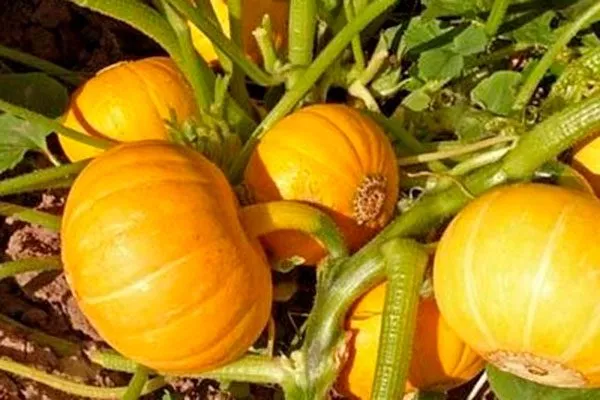
Each Orange Bush plant produces several small fruits of approximately the same size and shape. They have the following characteristics:
- weight - from 4.7 to 6.5 kg (the average weight of a vegetable is 5 kg);
- neat spherical or short oval shape;
- weakly segmented surface;
- rich orange color without patterns, slightly glossy;
- thin leathery bark, quite fragile, slightly rougher than that of large-fruited vegetable species;
- yellow flesh, 5-6 cm thick, juicy, crispy, tough, looser and more fibrous than that of large-fruited pumpkin;
- small seed nest;
- bright orange seeds (there aren't many of them inside the pumpkin).
Main characteristics
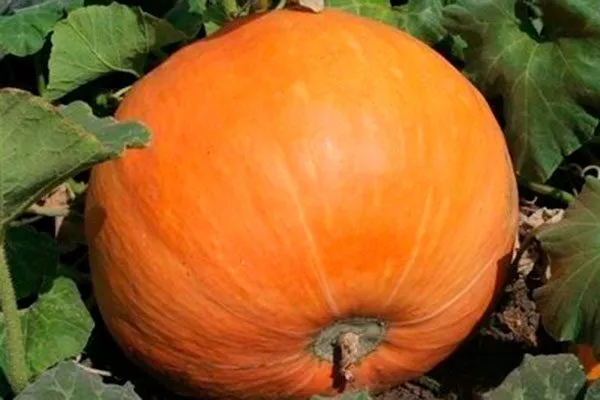
Bush Orange is a mid-season variety with many excellent characteristics. It boasts high bush productivity, stress resistance, and the ability to withstand temperature fluctuations, short periods of cold snaps, and drought.
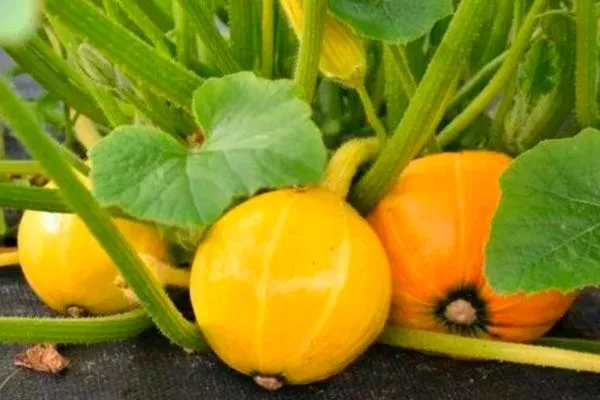
Ripening and fruiting, productivity
This vegetable variety belongs to the category of early-ripening cultivars and hybrids. Its harvest ripens within the following timeframes:
- 92-104 days after germination;
- the second half of summer (from July to September).
The Orange Bush pumpkin is highly productive. It's unaffected by weather conditions. Gardeners can easily harvest over 4 kg of fruit from a single square meter of planting. With enhanced cultivation techniques, the variety's yield increases significantly:
- 13.4-15 kg/sq.m – for private cultivation;
- 19,000-54,000 kg per 1 ha - for industrial cultivation of vegetable crops.
Taste characteristics and purpose
The hard-rind pumpkin, bred by Kuban breeders, has a good tasting quality. The fruit has a harmonious flavor, with light honey notes. The flesh is juicy, aromatic, meaty, and moderately sweet. It contains a fair amount of sugars, plenty of carotene, vitamins, minerals, and fiber.
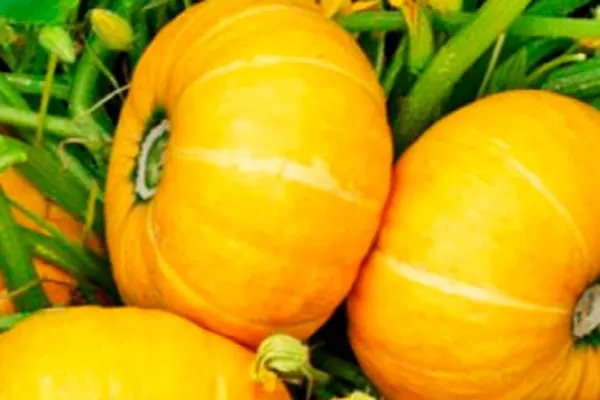
The harvest of this variety is suitable for processing, home cooking, and canning. It makes excellent side dishes, main courses, soups, casseroles, and porridges. The fruits are not eaten fresh. They have a long shelf life and withstand long-distance transportation well.
How to grow?
Gardeners grow Bush Orange pumpkins in open beds using seedlings or by direct sowing of seeds into the garden soil. They plant the pumpkins in their permanent location in late May or the first week of June, once the weather has become consistently warm.
Seeds
Before you begin sowing, choose a suitable location in your garden for growing vegetables. Choose a site with the following characteristics:
- sunny;
- windless;
- having protection from drafts;
- located at an elevated location (in the lowlands it can be cold and damp, and in such conditions pumpkin bushes grow poorly and often get sick);
- with good drainage system;
- with light, loose and fertile soil, loamy or sandy loam, not acidic;
- used last season for growing legumes, garden greens or cabbage.
The soil in the selected area will need to be prepared for planting pumpkins: dug up, cleared of weeds and their roots, enriched with fertilizers (compost or cow manure, wood ash, mineral compositions with a high content of potassium and phosphorus).
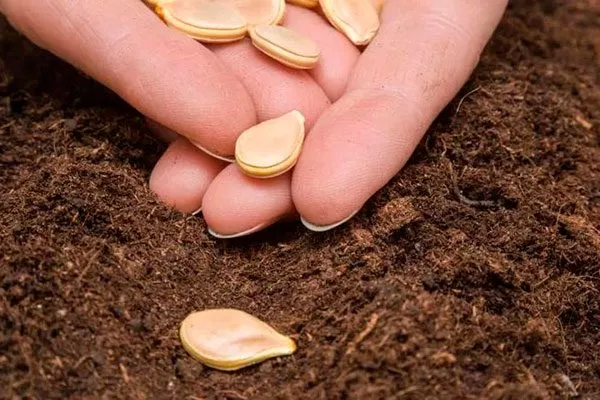
Sow hard-skinned vegetable seeds directly into open ground only if you live in a warm climate. This growing method is only suitable for southern regions. Sow in early summer. Pre-treat the seeds. Work them into the soil, observing the following guidelines:
- sowing step - 0.6 m;
- row spacing - 0.6 m;
- planting depth: 5-6 cm.
Water the seedlings and cover them with plastic to speed up germination. This technique creates a greenhouse effect, helping the soil retain moisture and heat. Use the covering material to protect the emerging seedlings from cold spells at night. Thin the seedlings 7-8 days after germination.
Seedlings
Sow orange bush seeds to obtain seedlings in April. You can transplant them to the garden in May (after 25-30 days). By this time, the plants should already have true leaves. Plant 1-2 seeds in store-bought nutrient-rich substrate filled with plastic cups or peat pots.
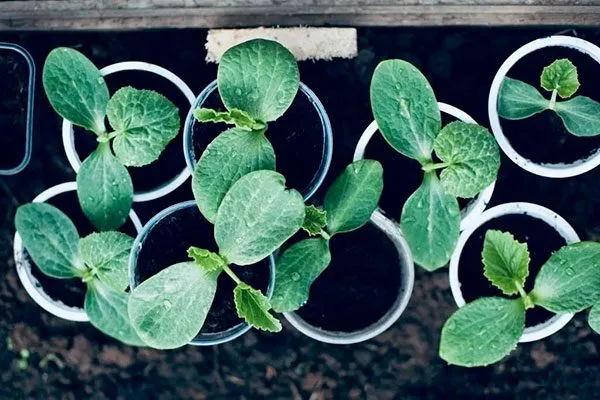
Place the seedlings on a sunny windowsill in a room with a temperature of 25°C. There should be no drafts. Care for the emerging seedlings using the following procedures:
- water them moderately, not allowing the soil to dry out or become waterlogged;
- If necessary, provide additional lighting for the seedlings;
- fertilize them with mineral complexes (you will need to fertilize them twice);
- Harden off before transplanting to the garden by taking it out into the fresh air for several hours a day.
Plant the pumpkin seedlings in their permanent location once the soil warms to 12°C and the temperature has stabilized. In a sunny, windless area with fertile soil, form raised beds (raise them 10 cm above ground level). Dig holes in the beds using a 1 x 1.5-2 m pattern. Water them.
Transfer the seedlings to the bed by transshipment. Do not disturb the root ball. Try not to damage the roots when removing the plant from the cup. After planting, cover each seedling with a cut-off plastic bottle or cardboard cap to ensure proper establishment.
Care
To grow a healthy, strong, and productive Bush Orange pumpkin, strictly follow the proper growing practices. Carry out the following care for your pumpkin plant:
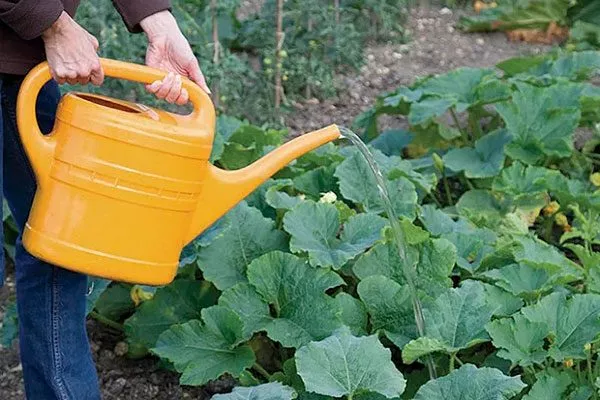
- WateringWater the pumpkin bed regularly, twice a week (more frequently in hot weather, less frequently in rainy weather). Avoid allowing the soil under the pumpkin plants to dry out for extended periods or allowing it to become waterlogged.
Use warm, settled water. Pour it into a trench dug around the bush. Avoid splashing the leaves and stems.
Maintain proper watering: use 3 liters for young plants, 5-6 liters for flowering plants, and 8-10 liters for bushes with ripening fruit. A couple of weeks before harvest, avoid watering to ensure the pumpkin flesh has a richer flavor and isn't too watery.

- LooseningAfter moistening the soil in the garden bed, loosen it. This will prevent the formation of an air-tight crust on the soil surface and improve oxygen access to the roots. Combine this with weeding.
Avoid exposing the bush's root system. Hill up its main stem periodically. - FertilizationDuring the growing season, fertilize the Bush Orange plantings twice: at the beginning of intensive growth and during flowering.
The first time, use a nitrogen composition (urea or saltpeter solution, mullein), the second time, use a phosphorus-potassium composition (monopotassium phosphate, superphosphate). - Pinching the main stemDo this above the 4th leaf. Leave 1-2 ovaries on the side leaves. This technique helps increase the productivity of the vegetable crop.
Features of cultivation and possible difficulties
Caring for bush hard-rind pumpkin is not much different from the cultivation techniques for other varieties of orange vegetables, but it does have some special features:
- Plants of this variety require no shaping. They are compact and produce good yields. They only require pinching of the main stem and removal of excess buds.
- For garden plots in southern regions, planting the Orange Bush variety directly from seedlings is recommended. In warm climates, sowing the seeds directly into the garden soil is acceptable. For the Moscow region, colder regions, and Siberia, cultivation is only possible through seedlings. It is very heat-loving and does not respond well to cold (especially during the early stages of bush development).
When growing a varietal variety of the crop, some gardeners encounter difficulties due to improper agricultural practices or unfavorable weather conditions. Such complications include the following:
- Poor seed germinationThe problem is caused by gardeners using old (expired) seeds. Pre-sprouting can solve the problem. It's also a good idea to treat seeds of questionable quality before planting.
- Long absence of seedlingsThis complication occurs when seeds are sown in insufficiently warmed soil. Begin planting only after the garden soil has warmed to 12°C. This rule also applies to planting pumpkin seedlings in their permanent location.
- Low number of ovariesThe complication is caused by excessive nitrogen fertilizer application. This promotes the growth of foliage rather than fruit formation.
- Root rotThe problem is caused by overwatering pumpkin plants or growing the orange vegetable in areas with shallow groundwater.
- Fruit spoilageThis complication occurs when large pumpkins come into contact with the soil in the garden bed. Special supports and boards can help solve this problem.
Growing tips from experienced gardeners
To successfully cultivate hard-rind pumpkins bred by Kuban breeders, heed the advice of seasoned gardeners:
- plant vegetable crops in an area where you previously grew legumes;
- Select the warmest and brightest area in your garden, equipped with a good drainage system, for planting Bush Orange;
- cover the seedlings with film to protect them from the cold at night;
- remove female inflorescences after a sufficient number of ovaries have formed on the bush (this technique helps to obtain larger pumpkins);
- pinch the central stem after the first fruit has formed to speed up its ripening;
- remove some of the leaves that are shading the fruit (they will ripen faster if they are evenly exposed to sunlight from all sides);
- When fertilizing pumpkin plants, alternate mineral fertilizers with organic ones;
- Place plywood or planks under ripening fruits to prevent them from spoiling.
Harvesting and storage
Begin harvesting once the pumpkins are fully ripe. You can tell if the orange vegetable is ready to be picked by its appearance. Look for the following signs:
- the pumpkins will reach the required weight;
- will be covered with a thick crust;
- will acquire a rich orange color;
- their stem will become dry and cork-like.
Before storing the fruit in the cellar, dry it in the sun. Provide favorable conditions to ensure it stays fresh and tasty for as long as possible:
- temperature indicator - +4-9℃;
- air humidity - 60-70%.
If you don't have a cellar, you can store your orange bush pumpkin harvest indoors: in a cool pantry or on a glassed-in balcony. Make sure to protect it from sunlight. Wrap each pumpkin in paper or a clean, thick cloth.
Pest and disease control, prevention
Orange bush pumpkins have a moderate immunity. Strictly adhere to crop rotation rules, proper agricultural practices, and carry out preventative spraying of plants to prevent diseases and pests.
Pumpkin cultivars lack strong immune defenses against some viral and bacterial diseases. The most dangerous infections for them are:
- bacteriosis;
- powdery mildew;
- white rot.
If your plants show the first signs of disease, begin treatment immediately. To protect pumpkin bushes from bacterial blight, treat them with Bordeaux mixture or copper oxychloride. To combat powdery mildew, use colloidal sulfur. Zinc sulfate and copper sulfate will help combat rot.
To combat disease in your Orange Bush plantings, use commercially available fungicides, including those with systemic action. If symptoms of disease appear, treat with the following products:
- Planzir;
- Previkur;
- Fundazol;
- Topsin-M;
- Maxim;
- Fundazol;
- Coming soon;
- Quardis.
If your pumpkin bushes have been damaged by viral infections, such as mosaic, you won't be able to save them with fungicides. Remove the diseased plants from the garden bed by pulling them up by the roots. Destroy them outside the garden plot by burning.
Pay special attention to preventing infection in your red vegetable bed. The best preventative measures are:
- competent and moderate application of mineral fertilizers and organic fertilizers;
- irrigating pumpkin plantings with ash solution;
- moderate watering, preventing waterlogging of the soil under the bushes of Orange Bush;
- loosening the soil after rain and watering;
- regular weeding of the garden bed;
- removing plant debris from the garden that may be infected;
- compliance with crop rotation rules;
- preventing the pumpkin planting from becoming too dense;
- preventing contact of fruits with the ground in the garden bed;
- seed treatment;
- treating pumpkin seeds with zinc sulfate to prevent plant damage by bacterial disease;
- removal of bushes infected with viral disease;
- control of pests that carry infections;
- Preventive spraying of pumpkin plantings with a biopreparation based on Trichoderma.
Due to unfavorable growing conditions and care errors by gardeners, Orange Bush can suffer from pest attacks. The most common pests that plague its plantings are:
- melon aphid;
- spider mite;
- slugs.
To prevent problems, regularly inspect your vegetable crops for pests. To combat their infestation and damage to your crop, take the following measures:
- To protect pumpkin bushes from spider mites, which is most active on hot days, spray them in the evenings with a decoction of onion peels or garlic infusion. For severe infestations, use Karbofos or Kelthane.
- Protect pumpkins from aphid attacks, which feeds on its juice and is a carrier of infections, will be helped by regularly removing weeds from the garden bed and using insecticides such as Actellic and Triphos.
- Fight slugs, To prevent damage to young leaves and ovaries, you can loosen the soil in the garden bed, sprinkle it with a mixture of ash and tobacco dust, use Mega and Groza preparations, and add granulated superphosphate.
Pros and cons
Domestic vegetable growers have come to love the Bush Orange variety for its many advantages, making it a worthy competitor to more modern varieties:
The pumpkin bred by Kuban scientists also has its drawbacks. It lacks a strong immune system and is susceptible to diseases and pests. Its flavor depends on growing conditions and proper care. If it lacks water, sun, warmth, and nutrients, the flesh becomes bland and lacks juiciness.
Reviews
Bush orange is one of the Kuban hard-rind pumpkin varieties popular with gardeners. It's prized for its high yields, low-maintenance care, marketable appearance, rich carotene and vitamin content, and excellent shelf life and transportability. It's ideal for winter storage, home cooking, and canning.