
The "Krasavitsa" pumpkin, distinguished by its large fruits, was developed by specialists G. A. Tekhanovitch and A. G. Yelatskova at the Federal Research Center of the N. I. Vavilov All-Russian Institute of Genetic Resources and officially approved for cultivation in 2007. This variety is an ideal addition to the decor of themed holidays (Halloween, etc.).
Description of the bush and fruits
The plant is a true honeycomb, not a hybrid, allowing gardeners to harvest their own planting material. The variety's characteristic features are as follows:
- The bush has climbing shoots, its leaves are large, pentagonal, whole, with a delicate greenish tint.
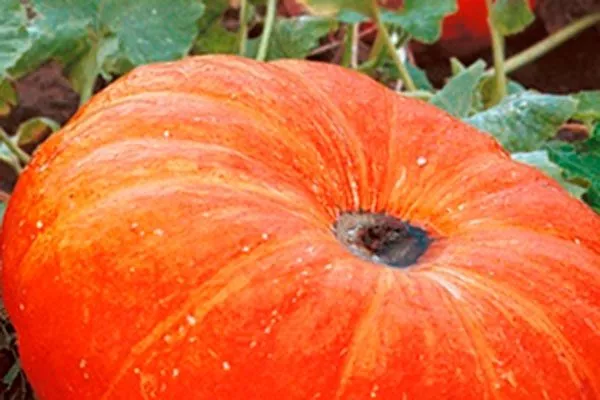
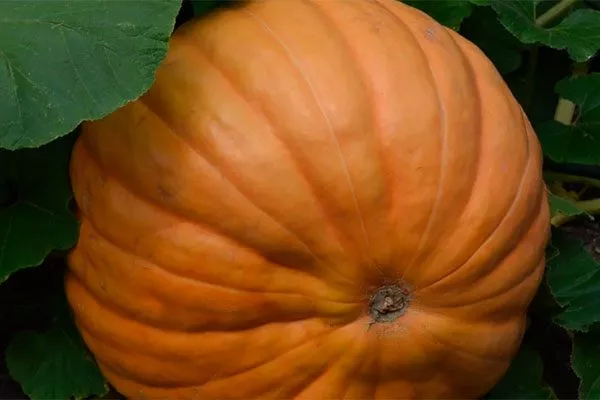
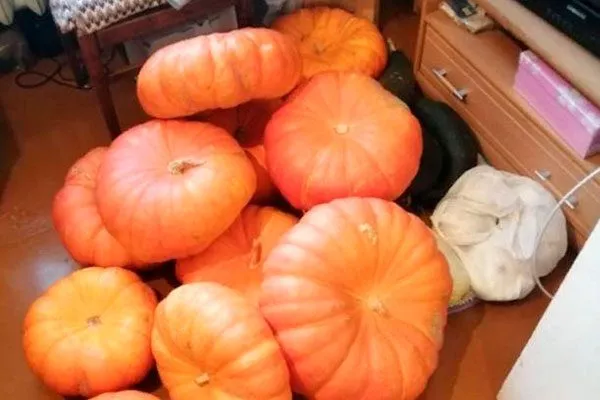
- The pumpkin is a flat-round fruit, colored deep orange with a unique spotted pattern on the surface.
- Its weight ranges from 3.6 to 10 kg, the diameter can be from 30 to 60 cm, and the height is from 20 to 40 cm.
- The flesh is characterized by a crisp, potato-like texture, medium firmness, and moisture. It is orange in color and averages 6 cm in thickness.
- The skin is quite thin, but at the same time elastic and strong, which improves the preservation of juices and the quality of transportability.
- The seeds are narrowly elliptical in shape and medium in size, and are whitish in color.
- ✓ The fruits have a unique spotted pattern on the surface, which distinguishes them from other varieties.
- ✓ The flesh has a crisp, potato-like texture, which is rare in pumpkins.
Main characteristics
Achieving colossal pumpkin sizes is only possible with suitable growing conditions and careful care. However, large fruits are already formed during the initial stages of plant growth.
Key characteristics of the variety:
- Beauty belongs to the category of mid-early varieties, with a period from the emergence of the first shoots to harvest of 95-110 days, which falls in the August-September period.
- It is versatile and suitable for a variety of processing and culinary uses, including juicing, drying, freezing and freezing, as well as preparing baby food.
The pulp can be baked, boiled, stewed, and even fried. It is used to make jams, sauces, and casseroles. This pumpkin has a distinctive sweet flavor. - The beauty is enriched with important nutrients, including vitamins A, C, E and B group, as well as minerals in high concentrations (potassium, iron and zinc).
- The pulp has a beneficial effect on health, strengthening the immune system, improving digestion, having a positive effect on the skin, hair and nails, and also helping to reduce excess weight and blood cholesterol levels.
- It is relatively drought-resistant and produces a decent harvest if the growing and care rules are followed.
- The average productivity is 308-500 c/ha, which is equivalent to 4-5 kg/m2, and the shelf life of the fruits reaches at least 80 days.
Landing
Beauty requires a location that receives at least 6-9 hours of sun per day. This variety is sensitive to temperature fluctuations and prefers temperatures between 22 and 30 degrees Celsius. The soil should be rich in nutrients and provide good drainage.
Requirements
This plant is a warm-loving plant—it prefers a temperate climate with mild summers and moderate winters. It grows best in areas with a long growing season. The younger the plant, the more vulnerable it is to cool weather.
The Beauty pumpkin produces particularly well in organically rich sandy loams, loams, black soils, and composts. It thrives in neutral soil, and in areas with high groundwater levels, raised beds are necessary.
Land selection criteria:
- loose structure;
- high fertility;
- soil acidity within the neutral or slightly acidic range (pH 6.0-7.5);
- good air and water holding capacity.
Key climate characteristics:
- with warm summers and mild winters;
- long growing season (at least 100-150 days);
- adequate lighting;
- moderately humid air.
Sowing
To grow Beauty, sow the seeds when the danger of frost has passed and the soil temperature reaches 10 degrees Celsius. Plant the seeds 2-3 cm deep, leaving 100-150 cm between plants.
- ✓ Check the seeds for germination by placing them in water: good seeds will sink to the bottom.
- ✓ Pay attention to the expiration date of the seeds: the optimal storage period without loss of germination is 2-3 years.
Rules for soil preparation and sowing:
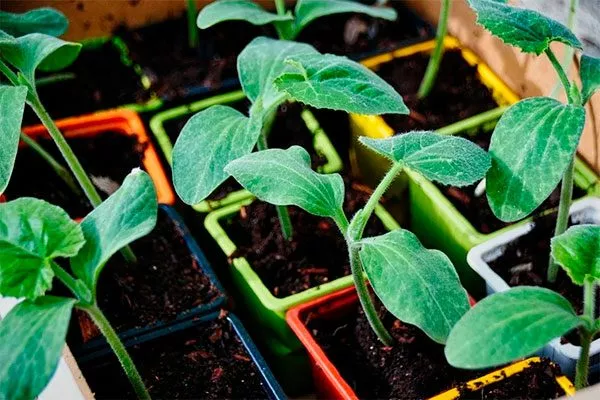
- Use a soil mixture of neutralized peat with a pH of 5.5-6.5, turf soil, and well-rotted compost in a ratio of 1:2:1. If the soil is loose, add the required amount of river sand.
- Begin sowing seeds 18-20 days before transplanting. If using your own seedlings, soak them in a potassium permanganate solution for 30 minutes.
- It is not customary to transplant pumpkins due to the increased sensitivity of the root system, so it is better to immediately take individual cups for seedlings.
- Sowing is done in the standard way, and the seedlings are transferred to a permanent location when they have 2-3 true leaves.
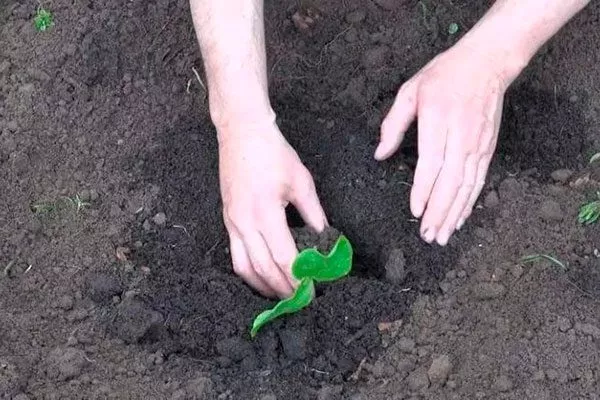
- When transplanting seedlings, add compost, wood ash, and superphosphate to each hole. Transplant by transshipping and with the root ball intact to avoid damaging the roots. Avoid burying the root collar.
- After work, be sure to water the seedlings with warm water and sprinkle dry straw chips around the trunk.
If night temperatures drop below +13-15°C, cover plants with non-woven material, plastic bottles, etc.
Growing, care
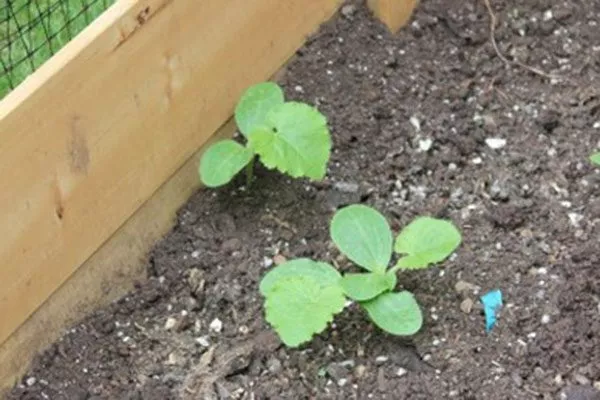
At the beginning of the growing season, when the first green shoots are just beginning to emerge from the ground, carefully monitor the grass growth and weed promptly. If you planted 2-3 seeds in each hole, thin them out, leaving no more than 3-4 plants per square meter. This will ensure each plant receives sufficient sunlight, oxygen, and nutrients.
Basic care activities:
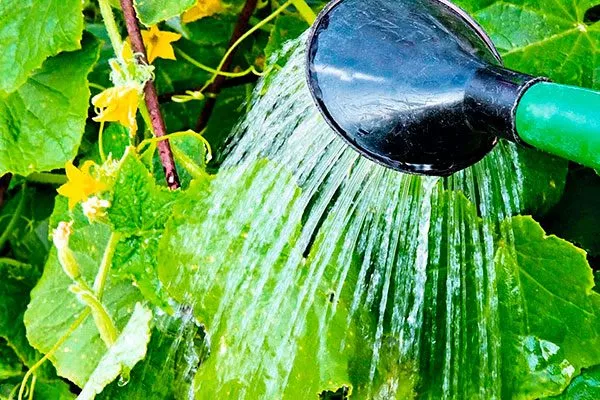
- During its active growth and development, the Beauty requires regular watering. This is especially important during the dry summer months. The plant should be watered a maximum of twice a week, using enough water to soak the soil to a depth of 25-30 cm.

A month before harvesting, watering should be completely stopped to avoid waterlogging and rotting during storage. - Regularly feed the bushes and soil. The choice of fertilizer depends on your preference: you can use general-purpose mineral fertilizers, adding them every 2-3 weeks, or resort to organic mixtures, such as humus, compost, and similar materials.
- Don't forget about pest and disease protection. If affected leaves are found, they should be removed, and if necessary, insecticides or fungicides should be used to control pathogens.
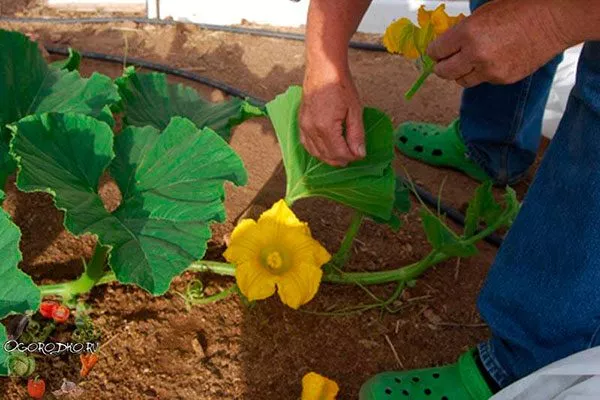
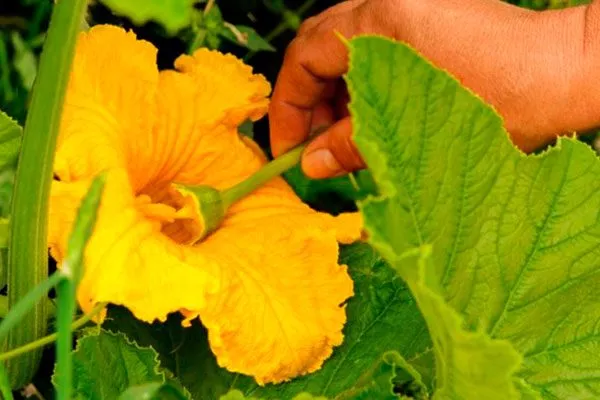
- To ensure high-quality pumpkins, leave only a few fruits on the plant and remove any excess so that the plant's efforts are focused on producing large, flavorful specimens.
- For varieties with large fruits, it's best to leave only one shoot, removing all suckers. Two to four ovaries are retained on the main branch.
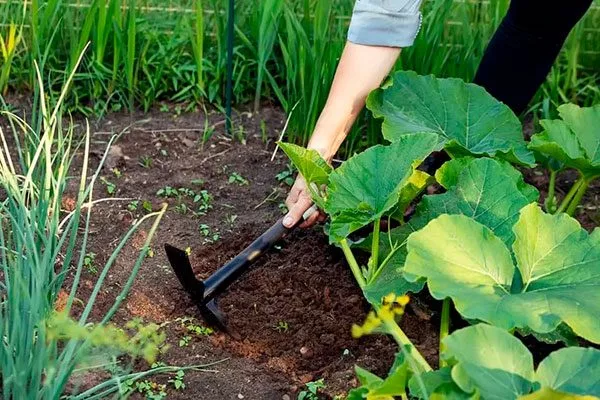
- An important part of pumpkin care is periodic weeding and loosening the soil around the plants. This helps maintain the soil in ideal condition and improves oxygen availability to the roots.
Reviews
The Beauty pumpkin is a true gem among pumpkins, boasting exceptionally large fruits, a sweet flavor, and numerous health benefits. This variety isn't particularly demanding to grow, but to achieve desired productivity, it's best to adhere to certain requirements.