
The Kolobok pumpkin was named after a fairytale character for a reason. This is due to its perfectly round shape and the color of its peel. This vegetable is rich in vitamins, which provide undeniable health benefits. It is used in cooking for a variety of dishes. The fruits store well, and the crop easily adapts to a variety of growing conditions.
History and regions of cultivation
The variety was developed by breeders S. F. Gavrish, V. V. Morev, E. V. Amcheslavskaya, and O. A. Volok. An application for approval was submitted in 2011, and in 2014 it was added to the State Register of Breeding Achievements. Since then, the Kolobok pumpkin has gained popularity not only in Russia but also in other countries.
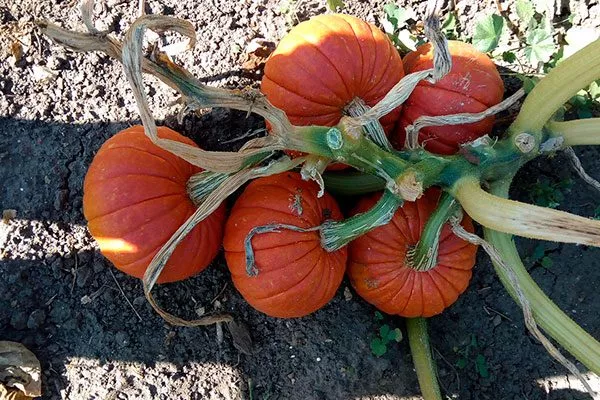
The cultivar's originator is the Moscow-based breeding firm "Gavrish." It is recommended for cultivation primarily in the Central Region of our country.
Description of the bush and fruits
Kolobok is a compact, bushy herbaceous plant with very short stems. The leaves are small, dark green, and undissected.
Other distinctive characteristics:
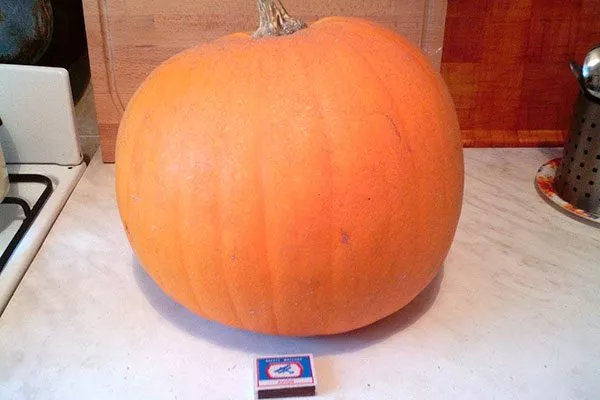
- The fruits are large, weighing from 3.5 to 5 kg. They are round or round-oval in shape.
- The vegetables are segmented and bright orange. The surface is smooth and patternless.
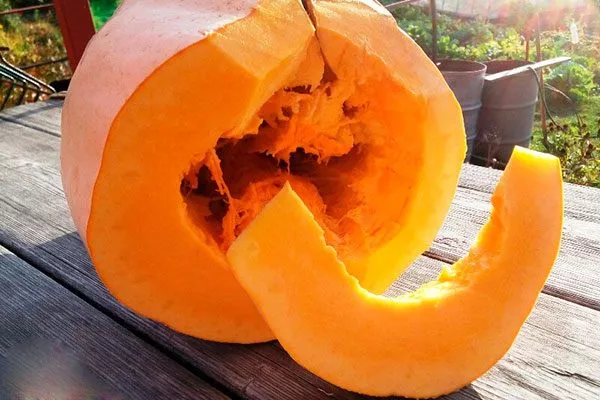
- The bark is thin and leathery. The flesh is bright orange.
- The vegetable has excellent flavor: the flesh is starchy, juicy, crisp, and medium-dense. It contains a high content of carotene and sugars.
This pumpkin is suitable for fresh consumption and processing. This variety is ideal for juicing, drying, curing, and freezing, all while retaining all its beneficial properties. The fruits can be stored for 90-120 days without losing flavor or appearance.
Main characteristics
Kolobok stands out from other varieties not only for its unique shape but also for a number of important characteristics. The cultivar's key features are:
- High yield. One bush can produce up to 10 kg of fruit, which makes the variety very productive and profitable for cultivation.
- Disease resistance. It is characterized by high resistance to diseases and pests, which simplifies plant care.
- Good storage. The fruits do not lose their appearance and taste for a long time – up to 6 months.
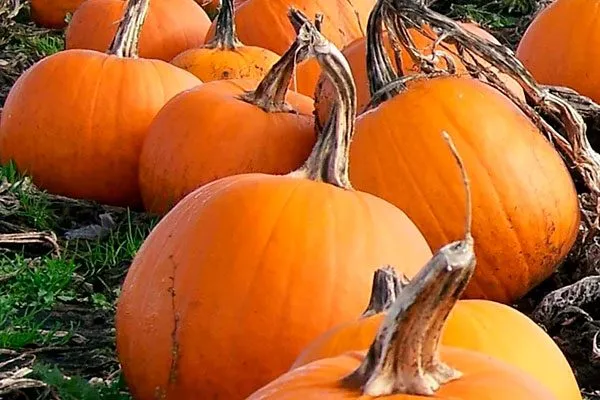
The crop grows well both in open beds and in greenhouses, without requiring any special conditions for growth.
Beneficial properties
The Kolobok pumpkin has a rich nutritional profile, which is why it has a positive effect on the body. Key characteristics of the vegetable:
- Contains a lot of beta-carotene, which is converted into vitamin A in the body. It is important for the health of the eyes, skin, and immune system, helps improve vision, maintains healthy skin and mucous membranes, and helps strengthen the immune system.
- Dietary fiber lowers blood cholesterol levels, which reduces the risk of cardiovascular diseases such as atherosclerosis and hypertension.
- Antioxidants, including vitamin C, protect cells from free radical damage and help prevent inflammation in blood vessels.
- This vegetable contains both soluble and insoluble dietary fiber, which normalize digestive function. Soluble fiber improves intestinal motility, prevents constipation, and helps lower blood sugar and control appetite.
To maintain heart health and overall well-being, it is recommended to regularly consume pumpkin by adding it to salads, soups, purees, and other dishes.
Landing
Sow seeds for seedlings in April. Follow these recommendations:
- Place the seeds in separate cups or peat pots, deepening them by 1.5-2 cm.
- Water the seedlings regularly, and a few days before planting, fertilize them with a weak solution of mineral fertilizer at half the concentration. A week before transplanting outdoors, harden off the seedlings by gradually increasing the time they spend outdoors.
- Transplant seedlings to their permanent location from late May to June, when they are 3-4 weeks old. Direct sowing is acceptable if the soil temperature has reached 12-15°C. The recommended sowing pattern is 60x60 cm.
- The plot should be well-lit. The best predecessors for pumpkins are potatoes, bell peppers, legumes, and grains. In the fall, dig the beds, add compost or humus, and in the spring, add potassium nitrate and superphosphate.
- ✓ The optimal soil temperature for sowing seeds directly into the ground should not be below +12°C, but for better germination, +15°C is recommended.
- ✓ The depth of sowing seeds in open ground should not exceed 3-5 cm to ensure sufficient access of oxygen and moisture.
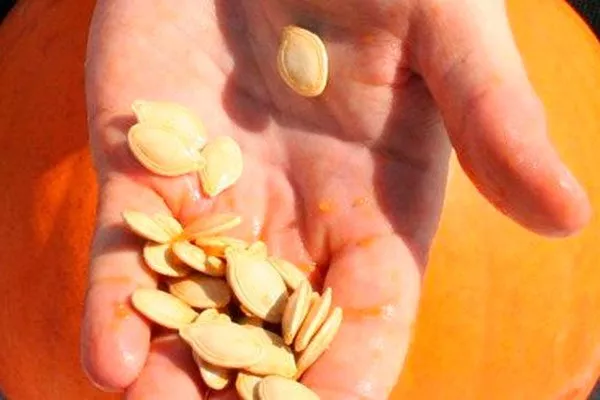
If you're planting seeds directly in the soil, pre-treat them with Bordeaux mixture. Add wood ash to the hole or water with a potassium permanganate solution. Plant the seeds no more than 3-5 cm deep.
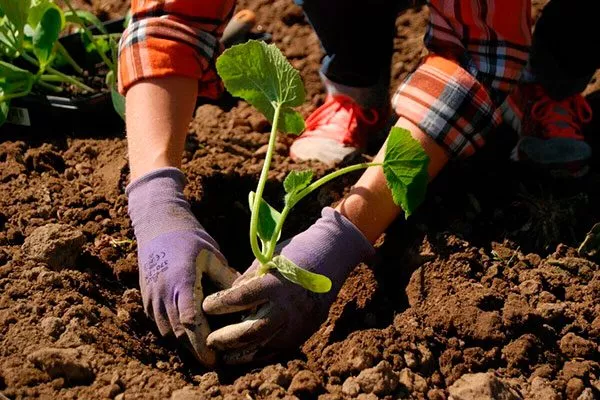
Further cultivation
Regular watering is essential for the Kolobok pumpkin variety. At the initial stage, pour about 3 liters of water under each young plant, 5-6 liters during flowering, and 8-10 liters during fruit formation. The water should be settled and warmed by the sun. It's best to pour the water into a furrow dug around the plant.
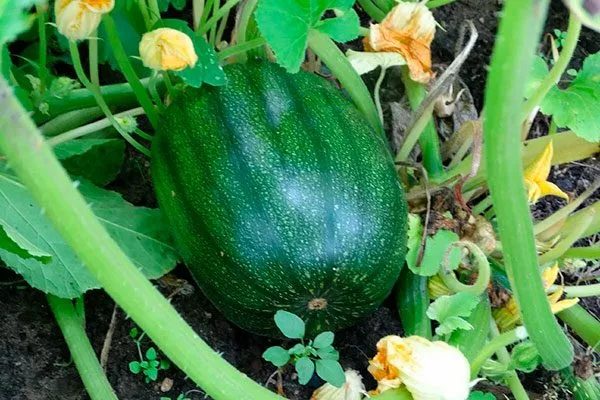
Perform other care activities:
- After watering, loosen the soil to break up any crusting. Remove weeds at the same time.
- Carry out hilling periodically.
- Fertilize the plant twice per season. During the active growth phase, the plant requires nitrogen fertilizers, and during the flowering period, potassium-phosphorus mixtures.
- Remove female flowers after sufficient fruit set to encourage fruit production.
Pros and cons
To avoid potential problems in the future, carefully study the characteristics of the Kolobok variety, its advantages and disadvantages. This cultivar has many advantages:
Among the negative qualities of the variety, some gardeners note limited cold resistance, the importance of regular fertilizing and maintaining a watering regime, and a tendency to overheat on hot summer days.
Reviews
The Kolobok pumpkin is an excellent choice for those who value high yields, low maintenance, and excellent flavor. It is successfully grown both in open ground and greenhouses. This vegetable is very beneficial for the body, is used in dietary nutrition, and has a positive effect on the immune system. It is used in a variety of dishes due to its versatility.