
The Kapitoshka pumpkin is an ideal choice for those who value ease of care and high yields. Its disease resistance and undemanding growing conditions make it ideal for any garden. When stored properly, the vegetables remain healthy until spring.
Description of the bush and fruits
The vegetables are bright orange and can weigh between 3 and 7 kg. They have a segmented structure and very juicy, firm flesh. Pumpkins contain numerous seeds, which are used for food or for sowing next year.
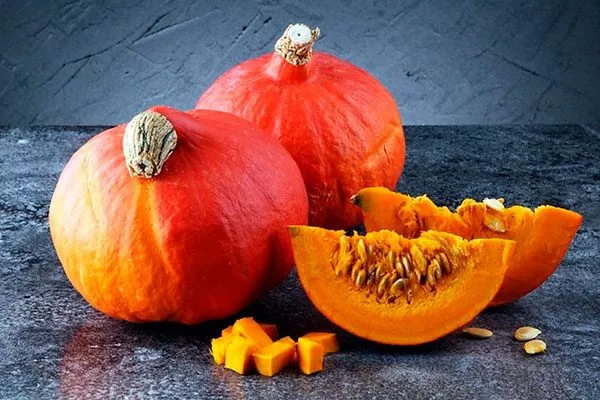
Taste and purpose:
- The fruits are eaten fresh. They have a sweet flavor and juicy texture. They make a base for salads or side dishes, and are used to make soups, casseroles, pies, porridges, and more. They are also used to make juices, as the sweet pulp allows for drinks without added sugar.
- Kapitoshka is a healthy baby food product due to its soft texture and high vitamin content.
- Pumpkin is used for drying and curing: the dried pieces retain their nutrients and are an excellent snack or addition to dishes.
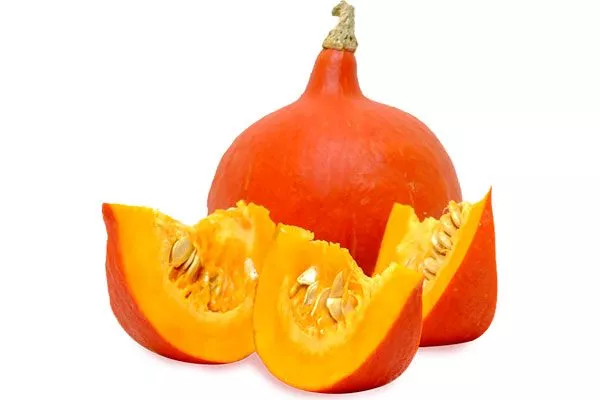
This vegetable is recommended for dietary and therapeutic nutrition: its low calorie content makes it ideal for those watching their figure or recovering from an illness.
Main characteristics
Kapitoshka is a mid-season variety and is characterized by high yields when properly cared for and grown under proper conditions. The fruits have good shelf life, maintaining their marketable appearance for a long time. Their skin turns brown during storage.
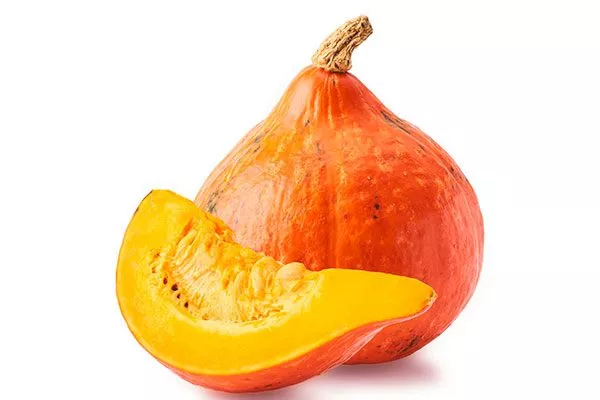
Under optimal care, each plant can yield 2-3 large vegetables weighing up to 6-10 kg. This variety is disease and pest resistant and easy to care for. It grows successfully with both seedlings and direct-seeded methods.
How to grow?
The growth and yield of the Kapitoshka pumpkin are significantly influenced by the quality of the seed material, proper planting, and compliance with all agricultural requirements for plant care.
Conditions
Use freshly harvested seeds. To determine their suitability, soak them in water for 1 hour – do not use any seeds that float to the surface. Do not use seeds with mechanical damage, signs of mold, yellowing, or disease.
- ✓ Check the seeds for germination by placing them in water for 1 hour – any that float to the surface are not suitable.
- ✓ Discard seeds with mechanical damage, signs of mold or disease.
Helpful tips:
- Before planting, heat the seeds at 40°C for 9 hours to destroy pathogenic microflora.
- Treat the seed material in a weak solution of potassium permanganate for 30 minutes.
The cultivation method depends on climate conditions. In southern regions, sow seeds directly into open ground. In the central and middle zones, and in northern regions, use seedlings.
Technology of planting seeds in open ground
The soil temperature at the time of planting should be at least +12°C at a depth of 10 cm, and the age of the seedlings should not exceed 25-30 days.
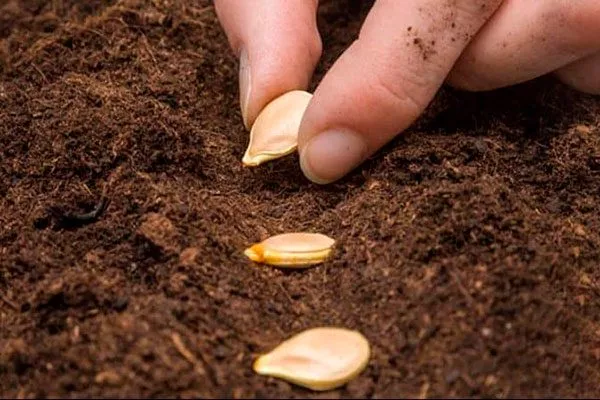
Follow these steps:
- Two weeks before the event, fertilize the soil with humus (10 kg per square meter), then dig and level it. Then follow these rules:
- Dig holes 10 cm deep at a distance of 100-150 cm from each other.
- Moisten the holes. Place 2-3 seeds in each hole, cover with soil, and water again. Cover the area with plastic wrap until the seedlings emerge.
Leave 1-2 of the strongest shoots. If you leave 2 seedlings, direct the shoots in opposite directions.
Seedling cultivation technology
Planting seedlings in your garden increases your chances of getting a harvest earlier. Follow these steps:
- Fill the planting containers with a nutrient solution, preferably garden soil mixed with compost or humus.
- Place the seeds in containers, sprinkle with soil, compact lightly, then moisten and cover with plastic wrap. Place the containers in a warm place.
- While the seedlings are growing, maintain a stable temperature of 23-25°C and moderate humidity. Water and ventilate the plants regularly.
- The first shoots will appear in 14-20 days, after which remove the cover and continue to water the seedlings periodically.
Transplant the seedlings into the garden beds after the last spring frost. The seedlings should have at least three leaves.
Care
Kapitoshka is an easy-to-grow crop, but it requires proper care to produce a good harvest. Simple agricultural techniques will help:
- Regular watering promotes vigorous growth, lush flowering, and abundant fruiting. Water the plants as the soil dries out, no more than twice a week. Increase the frequency during bud and fruit formation.
- To prevent the formation of an earth crust around the bush, loosen it and remove weeds after each watering.
- Bush formation depends on climate conditions. In harsh regions, leave no more than two ovaries per plant; in the middle and central zones, three to four fruits per vine are sufficient. In southern latitudes, do not train the bushes. To prevent weakening of fruiting shoots, remove all branches without ovaries.
- To prevent the soil from drying out and to provide additional nutrition, add peat or compost under the central stem. Pumpkins are easy to feed—just fertilize with cow manure diluted in water. Apply before the leaves appear, during flowering, and 2-3 more times.
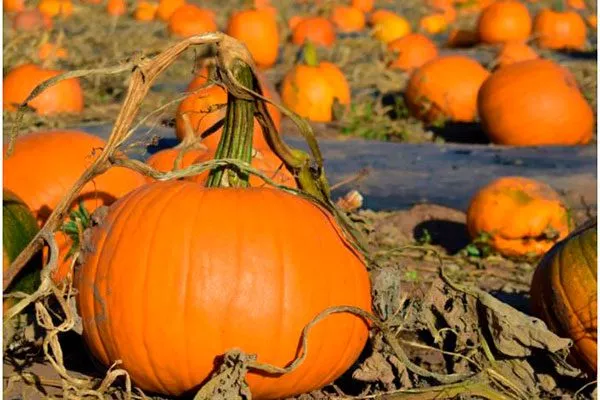
If your pumpkin is growing in sandy loam soil, fertilize it with a mixture of superphosphate, wood ash, and humus. In loamy soil, add a mixture of potassium fertilizer, superphosphate, wood ash, and ammonium nitrate (200 g of ash, 20 g of phosphorus, and 10 g of ammonium nitrate).
Features of cultivation and possible difficulties
Avoid growing crops in clay soils. Choose fertile sites to ensure good growth and development and increase productivity.
Consider other factors as well:
- It is not recommended to disturb the plant's root system, so transplant the seedlings into open ground together with a lump of soil from a separate container.
- Forming bushes can be a difficult task, as the variety is very vining.
To obtain large and tasty fruits, make sure that no more than three ovaries remain on the shoot.
Growing tips from experienced gardeners
To avoid problems, it's important to follow certain guidelines when cultivating the crop. Beginners should pay particular attention to:
- Use only freshly collected seeds for planting.
- In conditions of short summer, cultivate pumpkin using seedlings.
- While vegetables are ripening, stop watering to prevent rotting.
- Loosen the soil carefully so as not to damage the roots.
Diseases and pests
This cultivar is disease-resistant, but if care is not provided correctly, it can be susceptible to powdery mildew, fusarium wilt, and mosaic. To prevent disease:
- inspect plants regularly;
- avoid dense plantings;
- Remove leaves that block sunlight.
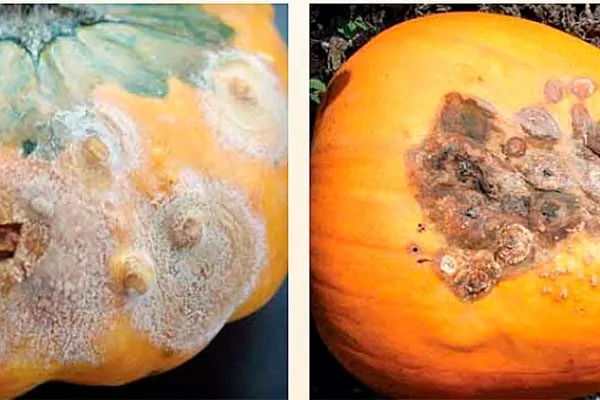
If the bush is infested, treat it with copper sulfate or Bordeaux mixture. For prevention, sprinkle the plantings with wood ash. Garlic infusions, soap and ash solutions, and hot pepper tincture are helpful against aphids, spider mites, and caterpillars.
Harvesting and storage
Kapitoshka reaches full maturity four months after planting. The vegetables turn bright orange and have thin skins.
Follow these recommendations:
- Harvest in dry weather, carefully cutting off the fruits with part of the stalk.
- After harvesting, wash the pumpkins and dry them at a temperature of +20-25°C for 10 days.
- For long-term storage until spring, place vegetables in a dry room with a temperature of +8-10°C, low humidity (no more than 75%) and good ventilation.
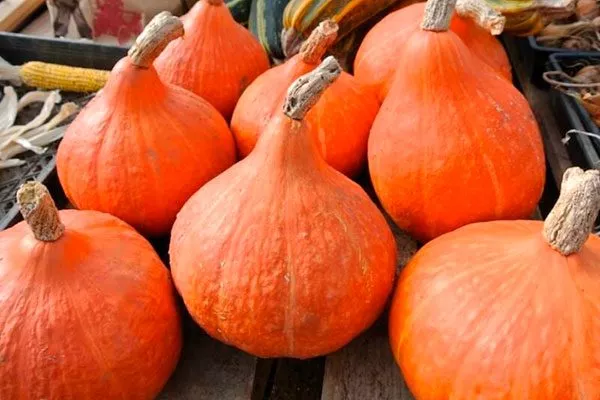
Under these conditions, they will retain their beneficial properties. The skin will remain firm and the flesh juicy for 5-6 months. A brownish tint may appear on the cut surface, but this does not affect the taste or nutritional value of the fruit.
Pros and cons
To avoid any problems, carefully study the variety's characteristics before growing seedlings or sowing seeds. Kapitoshka has many advantages:
In the temperate zone, it takes a long time for the fruit to fully ripen, and maximum sweetness is achieved only in late autumn.
Reviews
Kapitoshka is a popular pumpkin variety that attracts gardeners with its low maintenance and excellent taste. It produces large, bright orange fruits with juicy, sweet flesh. Suitable for a variety of dishes, they store well and do not crack during long-distance transport.