
Naked-seeded pumpkins differ from regular varieties in the structure of their seeds—they lack the usual hard shell and are a valuable raw material for the food industry. Let's learn about popular varieties of this crop, how to plant and grow it.
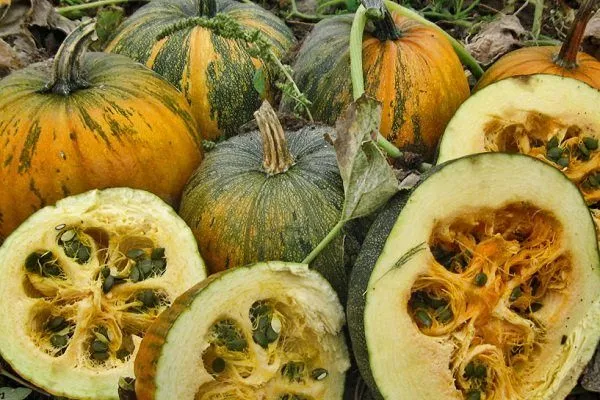
Gymnospermous pumpkin
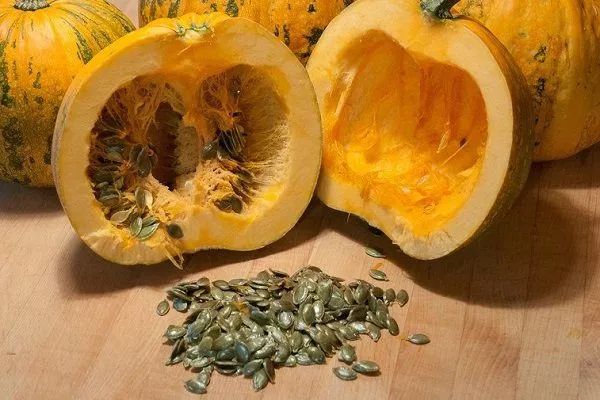
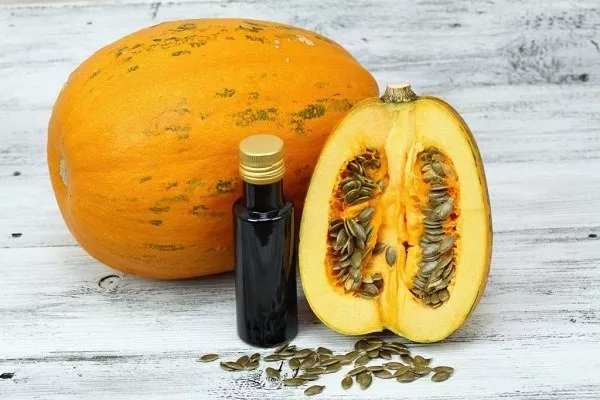
Naked pumpkin seeds have good oil content.
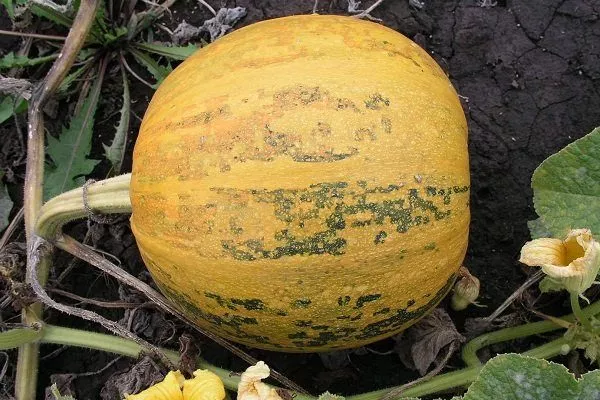
Naked-seed pumpkin tolerates temperature fluctuations well
Characteristics of gymnospermous pumpkin
The gymnospermous pumpkin is a climbing plant that is practically no different from ordinary varieties.
Brief description of gymnospermous pumpkin:
- Plant. The vines reach 5-12 m in length. The stem is vine-like, hollow, and massive. The tendrils are long. The foliage is dense.
- Leaves. Rounded, five-lobed, dark green, pubescent.
- Flowers. Large, bright yellow, the plant produces up to 80 female flowers and up to 400 male flowers.
- Roots. Powerful, occupying an area of 3-5 square meters. They can reach 10 meters in length.
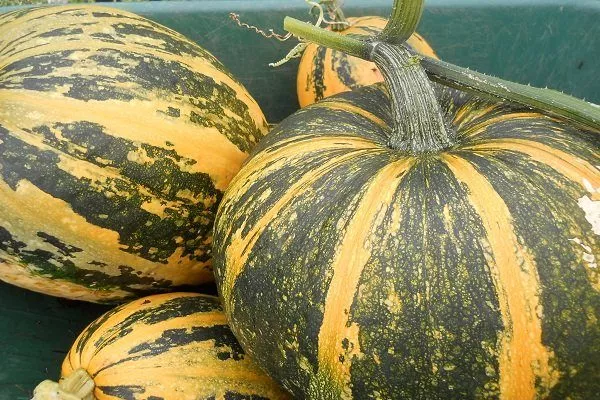
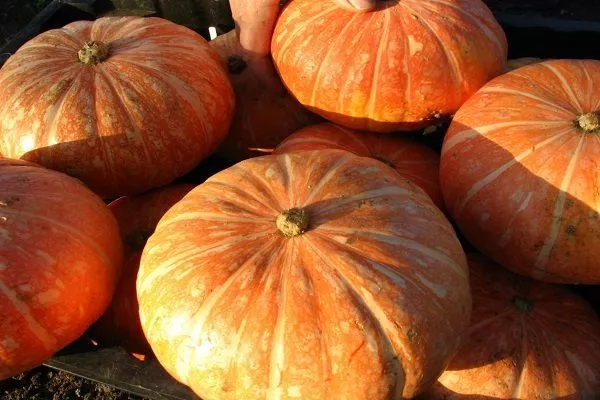
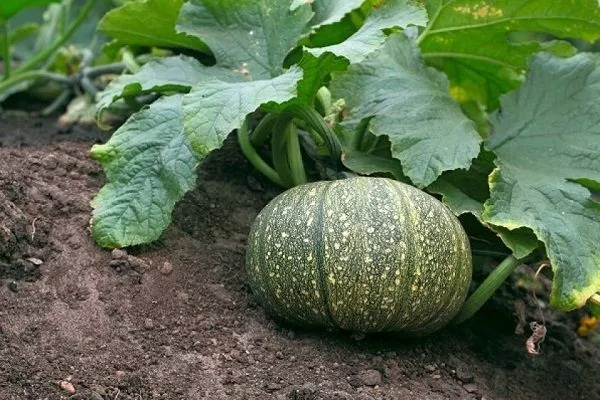
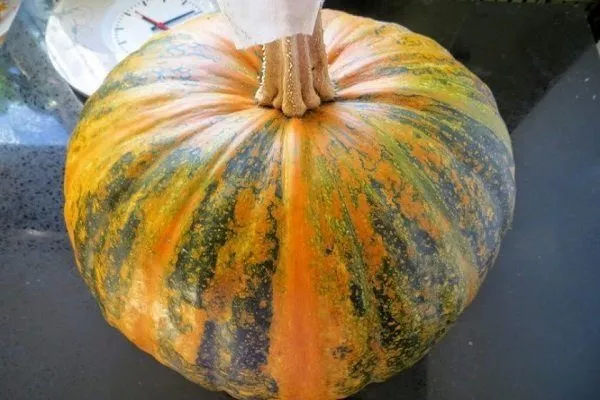
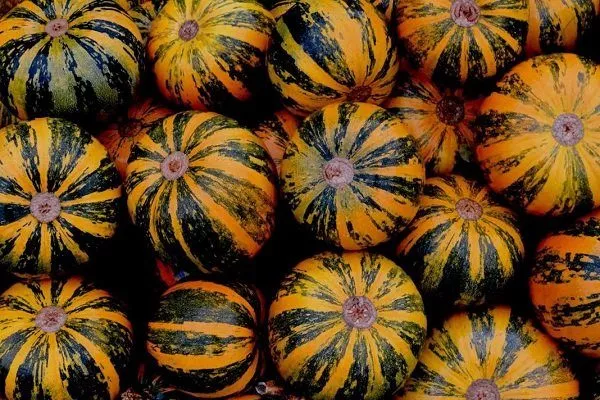
- Fruit. Round, with a hard, thin rind. The fruits are striped—yellow with green stripes. The seeds are medium-sized, encased in a thin, dark-green shell. The seed chambers are deep, containing numerous seeds. The flesh is slightly fibrous, 3-7 cm thick.
Characteristics of gymnospermous pumpkin:
| Characteristics/parameters | Description/Meaning |
| Ripening time | 120 days. |
| Productivity | 20-40 kg from one bush. |
| Resistance to diseases and pests | Average. Can be affected by powdery mildew, mosaic, fruit rot, and pests such as melon aphids, wireworms, etc. |
| Frost resistance | Low. Minimum soil temperature: +14-16 °C. |
| Fruit weight | 6-8 kg, maximum – 16 kg. |
| Drought resistance | Low. Without watering, the fruits become smaller. |
| Shelf life | Low. Store for no more than 2 months. |
| Purpose | Universal. Industrial varieties are used for pressing oil from seeds. Sweet varieties, containing 5-8% sugar, have pulp used for making purees, juices, porridges, and other dishes. |
The nutritional value of the flesh of the naked-seeded pumpkin is virtually identical to that of regular varieties. However, its seeds are different: the caloric content of naked-seeded pumpkin seeds is 100 kcal higher than that of regular, hard-skinned varieties.
Nutritional value of 100 g of naked-seeded pumpkin seeds:
- Caloric content – 650 kcal.
- Proteins – 23.4%.
- Fats – 84%.
- Carbohydrates – 8.4%.
- Dietary fiber – 30%.
- Water – 5 g.
The seeds of naked pumpkin contain 35% more fat than regular varieties, and slightly less protein and carbohydrates.
Popular varieties of naked-seeded pumpkin
| Name | Ripening period | Fruit shape | Pulp color |
|---|---|---|---|
| Gymnospermum | 100-110 days | Flattened | Yellow |
| Olga | 100-110 days | Rounded | Light |
| Miranda | 100-110 days | Flattened | Light green |
| Danae | 120 days | Rounded | Yellow-orange |
| Juno | Early ripening | Rounded | Pleasant to taste |
| Styrian | Mid-season | Rounded | Not specified |
Gymnospermous pumpkins come in varieties that differ in ripening time, fruit size, yield, and other characteristics. However, they all share one common feature: their seeds are peeled and encased in a transparent, edible membrane:
- Gymnosperm. A mid-season variety. Ripens in 100-110 days. A climbing plant produces 4-5 flattened fruits weighing 4-6 kg. The flesh is yellow and slightly sweet, with carotene and sugar content increasing during storage. The seeds are olive-green and high in vitamins and zinc. Moderate cold tolerance.

- Olga. A mid-season, medium-vine variety. Ideal for squeezing pumpkin seed oil. The fruits are round, weighing 5-6 kg. The flesh is light and sweet. The seeds are large.
- Miranda. A mid-season Polish variety with juicy flesh. Its main distinguishing feature is its semi-bushy habit. It takes up a small area compared to climbing varieties. The fruits are flattened, with a light green rind and juicy flesh with a medium sugar content. Fruit weight is 3-4 kg.
- Danae. A mid-season, vigorous vine variety, ripening 120 days after planting. The fruits are round, with a ribbed orange-yellow rind. The flesh is yellow-orange, crisp, and firm, with a pleasant aroma. It is delicious boiled and baked, and makes a delicious juice and puree. Pumpkins weigh 3-5 kg. This variety is characterized by a high starch and sugar content. It is prone to cross-pollination.
- Juno. An early-ripening variety characterized by vigorous climbing habit. Requires spatial isolation to prevent cross-pollination. The pumpkins are round, weighing 4 kg. The flesh is pleasantly flavorful and can be eaten fresh, boiled, stewed, or baked. It has excellent shelf life—the pumpkins can be stored for up to 4 months.
- Styrian. An Austrian mid-season, long-vine variety. Its primary use is oil production. The oil extracted from the seeds has a nutty flavor. Fruits weigh 4-8 kg. The pumpkins have a shelf life of almost 3 months.
Advantages and disadvantages of gymnospermous pumpkin
Advantages of naked-seeded pumpkin:
- The seeds have a high oil content. These pumpkin varieties are used commercially to produce pumpkin seed oil.
- Ease of processing – due to the absence of hard shells, the oil extraction process is simplified.
- It can grow in almost all regions of the Russian Federation.
- Disease resistance.
- Tolerates temperature changes well.
Flaws:
- Grown only by seedlings.
- Relatively low yield.
- Most varieties do not keep well and are stored worse than regular pumpkins.
- The pulp tastes inferior to that of regular pumpkin.
Naked-seeded pumpkins have many disadvantages, but they are still grown for their naked, shell-less seeds.
Soil and crop rotation requirements
Gymnospermous varieties, like all other pumpkin varieties, are heat-loving, subtropical day-growing crops. Since most regions of Russia experience less than sunny weather, pumpkins require well-lit areas with fertile soil.
- ✓ Optimal soil loosening depth before planting: 6-7 cm.
- ✓ The required amount of organic matter per hole: 5 kg of humus.
Gymnospermous pumpkin soil relationship:
- Grows on fertile and loose soils enriched with organic matter.
- It can grow in soils with neutral acidity, although slight acidity is acceptable – pH from 6.5 to 7.5. The crop is inhibited in acidic soils.
- The plant absorbs a lot of nutrients. One ton of fruit requires: 4.5 kg of potassium, 2.7 kg of nitrogen, and 1.2 kg of phosphorus. These requirements cannot be met by adding humus, compost, or manure; mineral fertilizers are necessary.
Crop rotation rules:
- Desirable precursors – beets, cabbage, onions, carrots, potatoes.
- Unwanted – squash, zucchini, cucumbers, other varieties of pumpkin.
Cultivation of gymnospermous pumpkin
Naked-seed pumpkin varieties, unlike regular pumpkins, are much more demanding in terms of care and growing conditions. They are grown using both seedlings and non-seedling methods. No special measures are required – pumpkins with "naked" seeds require watering. top dressing, loosening.
Seed preparation
Seeds can be purchased or collected from your own pumpkins. Seed collection and preparation instructions:
- Seeds are taken from pumpkins that are 100% ripe.
- The collected material is washed and thoroughly dried.
- Store the collected seeds in paper bags.
- Before sowing, seeds are warmed at +40 °C for 10 hours.
- After warming up, the seeds are soaked in a germination stimulator for 12 hours.
- Heating seeds at +40 °C for 10 hours.
- Soaking seeds in a germination stimulator for 12 hours.
Growing from seedlings
Sowing seeds for seedlings begins 30-45 days before planting in open ground.
The procedure for growing seedlings:
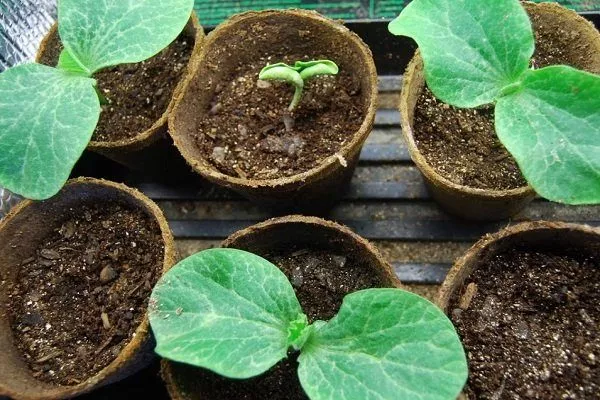
- Prepare individual containers. 500 ml pots are suitable. Ensure good drainage. Plants do not transplant well, so you will have to do without picking – transplant the seedlings directly from the pots. into open groundThe optimal option is growing in 10x10 cm peat tablets.
- Fill the containers with ready-made cucumber growing medium, which is available at garden centers. Alternatively, prepare a soil mixture by mixing peat, humus, and sawdust in a 2:1:1 ratio. Add a complex fertilizer to this mixture, adjusting the dosage according to the instructions.
- Properly prepared seeds—warmed and soaked—plant one seed per pot. Plant each seed 4-5 cm deep.
- Water the seeds after planting. Seeds will germinate in 5-8 days.
- Maintain a temperature between 22 and 25°C. The optimal daylight hours for seedlings are 12 hours.
- Water the seedlings regularly, as needed. Avoid overwatering.
- Feed the seedlings with complex fertilizers once a week – as soon as the shoots appear.
- A week before planting, begin hardening off the seedlings. Take them outside for half an hour at first, gradually increasing the duration to 3-4 hours.
The pumpkin planting pattern depends on the variety:
- Bush pumpkin planted according to the 70x70 cm pattern.
- Medium-braided – 70x140 cm.
- Large-braided – 200x100 cm.
Seedlings are planted in the ground when the soil warms to 14 to 16°C. This typically occurs in May or June; the exact timing depends on the climate. Only strong seedlings are transplanted into the ground.
Transplantation procedure:
- Prepare the bed. To prepare it, sprinkle the following ingredients into the hole if the climate is dry, or directly onto the soil if the climate is humid:
- mullein – 2 buckets;
- black soil – 1 bucket;
- superphosphate – 1 tbsp. l.
- Make a depression in the prepared bed.
- Pour 3 liters of warm water into the hole.
- Plant the seedlings in the hole using the transshipment method. If the seedlings were grown in peat pellets, simply place them in the holes along with the "containers."
- To help the seedlings take root faster, temporarily shade them with large leaves – burdock, for example, will do.
Planting seeds in open ground
In southern regions, where spring comes early, pumpkins are grown without seedlings. The soil is prepared traditionally: in the fall, it is dug over and organic matter is added.
Sowing begins when favorable conditions arise: the soil warms up to +14-16 °C, and the possibility of recurrent frosts is eliminated.
The procedure for sowing pumpkin seeds in the ground:
- Before transplanting seedlings, loosen the soil to a depth of 6-7 cm. Remove weed roots while loosening.
- Dig holes. The optimal diameter is 30-40 cm, and the depth is at least 7 cm.
- Pour 1-2 liters of warm water into the hole.
- Add 5 kg of humus to each hole, along with superphosphate (75 g), ash (200 ml), and potassium sulfate (100 ml). Mix the ingredients thoroughly with the soil.
- Plant 3-4 seeds in each hole, 3-4 cm apart, to a depth of 5-6 cm. Cover with soil and mulch with peat or humus.
- When the seedlings appear, select the strongest of the 3-4 sprouts. Pinch out the rest.
Care Features
Naked-seed pumpkins require the same care as regular varieties:
- Watering. Culture needs regular wateringThe soil should be kept moist at all times. Pumpkins require watering throughout their growth. It's recommended to water pumpkins in the morning, when the temperature difference between the soil and water is minimal, to prevent stress on the plant's roots.
- Loosening. The soil is regularly loosened to remove crust and improve aeration. This loosening ensures oxygenation of the roots.
- Mulching. To keep the soil loose and prevent it from drying out, and to prevent weed growth, mulching is used. Mulches are made with hay, sawdust, straw, and peat.
- Top dressing. Once the seedlings have established themselves in the beds, fertilizing begins. The first application is 7-10 days after planting. Bird droppings, mullein, herbal infusions, ash, and complex mineral fertilizers are used for fertilizing. During the growing season, pumpkins are fertilized 3-4 times. Fertilizing is combined with watering—water promotes nutrient absorption and prevents root burn.
Probability of cross-pollination
Naked-seeded pumpkins are pollinated by insects. Avoid squash, zucchini, and other pumpkin varieties near pumpkins, otherwise the soft-seeded pumpkins will soon disappear.
The best method of pollination, which allows avoiding cross-pollination and maintaining the purity of the variety, is artificial:
- Using a brush, female flowers are pollinated with pollen from male flowers.
- To prevent insects from reaching the pollinated flower, it is covered with bags.
Thanks to artificial pollination, it is possible to prevent the degeneration of the variety and increase the yield.
Harvesting and storage
Rules for harvesting gymnospermous pumpkin fruits:
- The ripeness of the fruit is determined by the rich color of the fruit and the dry stalk.
- The harvesting time is influenced by the region's climate. Typically, harvesting occurs in the fall. In temperate climates, pumpkins are ready for picking in mid-October, while in southern regions, it's mid-September.
- The fruits are picked with the stalks.
- It is advisable to collect all the fruits in one day – before the onset of frost.
The fruits don't have a long shelf life—usually two months—before they begin to rot and the seeds sprout. Some varieties can be stored for three or even four months.
Conditions storing pumpkins:
- Room temperature: up to +10 °C.
- Humidity – up to 80%.
- Pumpkins are not stored on the ground; they are placed on shelves, layered with straw – the fruits should not touch each other.
- The fruits are inspected from time to time to remove rotten ones in time.
The first pumpkins to be processed are those with short stalks – they have a shorter shelf life.
For information on how to plant a naked-seed pumpkin and how to care for it, watch the following video:
Reviews from gardeners and farmers
Gymnospermous pumpkins are of interest primarily to pumpkin seed enthusiasts and farmers who can grow this easy-to-grow and productive crop commercially. Pumpkin seed oil is a valuable, marketable product that can be sold for a lucrative business.