
The Melon pumpkin is a compact and productive variety with dense, sweet flesh and an attractive ribbed surface. Resistant to adverse conditions, it boasts excellent transportability and a long shelf life. Its versatile flavor makes it suitable for a variety of culinary uses and cultivation throughout Russia.
Description of the variety
Melon is a hybrid of a hard-shelled variety characterized by medium-length vines and moderate growth vigor. This makes it easy to grow even in small plots.
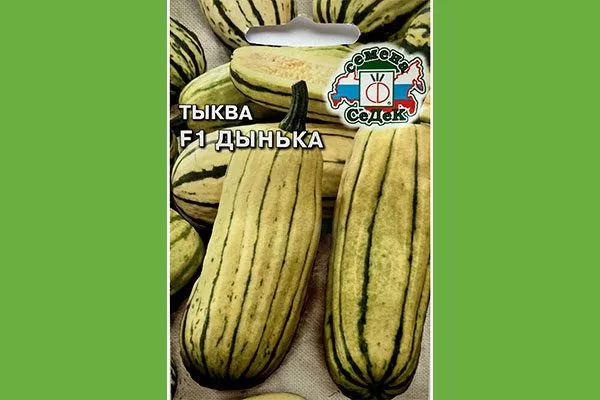
Distinguishing features:
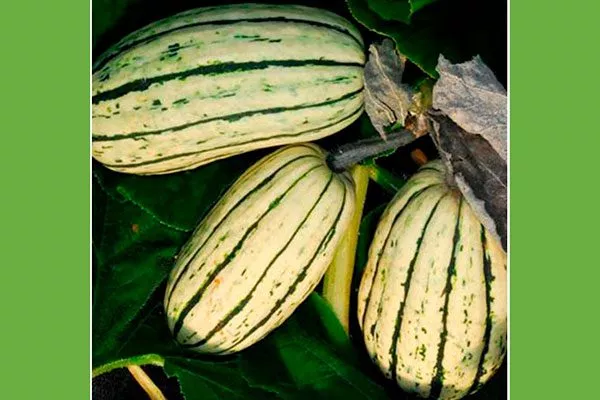
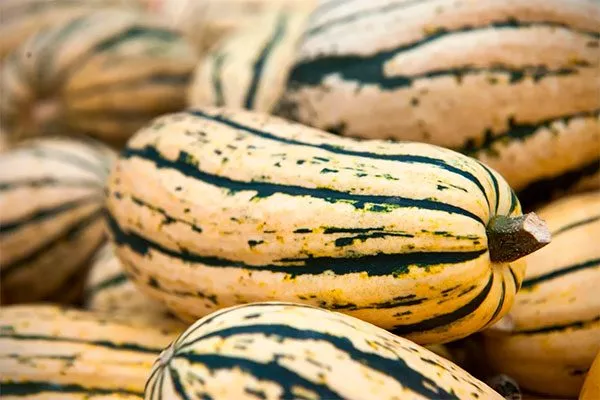
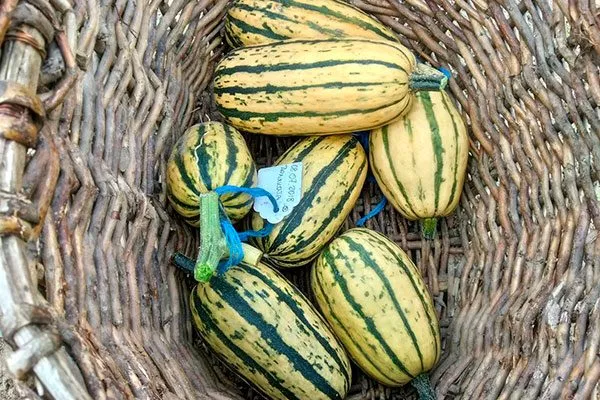
- The fruits are oval-shaped and weigh between 0.8 and 1.5 kg. Their white skin is decorated with distinctive green stripes, and the surface is noticeably ribbed.
- Pumpkin has a rich, sugary flavor and creamy, dense flesh, making it widely used in cooking.
- The vegetable is equally delicious fresh, such as in salads, and cooked, such as in soups, casseroles, and pies. Purées and jams are also made from the fruit, making it especially valuable in the kitchen.
Main characteristics
Due to its versatility in preparation, high marketability, and excellent shelf life, this pumpkin is in demand not only among home gardeners but also among market-oriented farmers. The variety's maturation period ranges from 95 to 105 days, allowing for an early and consistent harvest.
A single bush can yield between 8 and 12 kg, indicating high productivity. Pumpkins are prized for their excellent presentation and the ability to be transported over long distances, as they retain their flavor and appeal for a long time. Read on to learn how to properly store pumpkins over the winter. Here.
Growing and care
To obtain abundant harvests, it's important to follow proper cultivation practices and provide the plant with timely care. Only when grown properly will the variety display all its inherent characteristics.
Conditions
Pumpkins require specific conditions for full development and harvest. They are quite demanding in terms of light, warmth, and soil fertility. Failure to adhere to proper cultivation practices can lead to reduced yields and deterioration in fruit quality.
Key biological requirements of pumpkin:
- Illumination. Pumpkin is an exceptionally sun-loving crop. Insufficient sunlight reduces the sweetness of the fruit and reduces the yield. It is best grown in open areas. In regions with hot and arid climates, planting in light partial shade is acceptable.
- Soil. The plant prefers loose, fertile soils enriched with organic matter. Dark sandy loams, light clay loams, and chernozems are the most suitable. Cultivation on compost heaps yields good results.
The soil should be neutral (pH 6-7.5). In areas with high groundwater levels, raised beds are recommended. - Temperature conditions. The plant is heat-loving and especially sensitive to cold temperatures when young. It tolerates cool temperatures well, but for normal root growth, the soil must warm to 18–23°C.
Cold soil encourages the development of a weak, shallow root system. Optimal air temperatures range from 20 to 30°C.
The choice of preceding crops plays a crucial role in successful pumpkin cultivation. Plant health, soil fertility, and disease risk all depend on this. To avoid soil fatigue and the accumulation of specific pathogens, it's important to practice crop rotation and select the right preceding crops.
Plant pumpkin after the following crops:
- garlic;
- beans;
- peas;
- cabbage;
- potato;
- onion;
- beans;
- green manure (mustard, phacelia, oats).
After them, the soil remains quite loose, nutritious and less infected with diseases dangerous for pumpkins.
Undesirable precursors:
- tomato;
- watermelon;
- eggplant;
- melon;
- zucchini;
- carrot;
- pepper;
- cucumber.
After these plants, the risk of fungal infections and soil depletion increases, especially when re-growing pumpkin crops in the same place.
Soil for sowing and seeding
It's recommended to amend a ready-made, store-bought soil mix based on neutralized peat with a pH of 5.5-6.5 by adding leaf mold and well-rotted compost. The optimal ratio of ingredients is:
- 1 part peat;
- 2 parts leaf soil;
- 1 part compost.
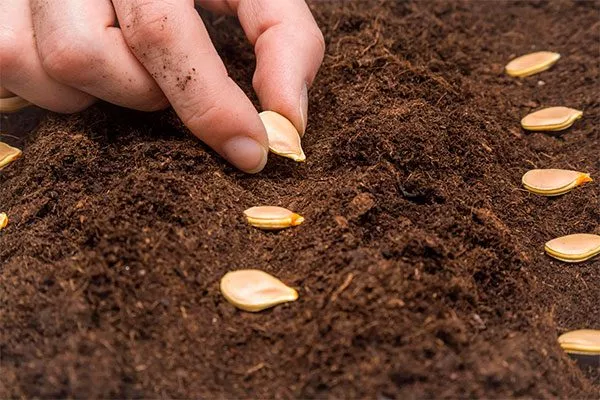
Prepare the substrate approximately 20 days before planting the seedlings. If the seeds haven't been treated with thiram, disinfect them before sowing by soaking them in a solution of brilliant green (5 ml per 100 ml of water) for 30 minutes. Since pumpkins don't transplant well, sow the seeds directly into individual containers.
Hardening
Immediately after germination, begin hardening off the seedlings—this helps them adapt to outdoor conditions and strengthen their immune system. Perform this procedure at temperatures no lower than 18°C.
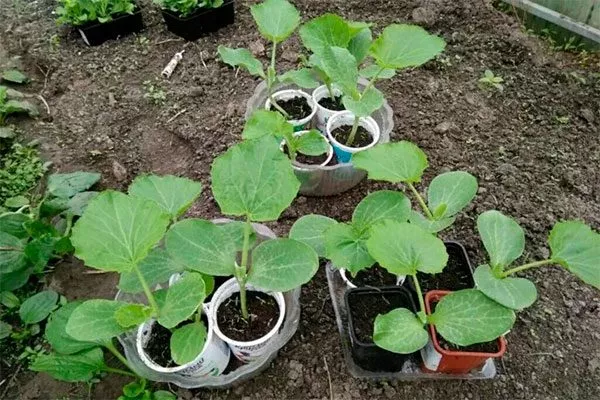
During the first few days, take the seedlings outside for 1 hour, increasing their time outdoors by an hour each day. Gradually, the seedlings will become accustomed to the changes in temperature and light.
Transplanting
When planting, add 40 g of wood ash and 200 g of compost to each hole, mixing thoroughly with the soil. Transfer the seedlings to the beds by transshipment, being careful not to damage the root system. Do not bury the root collar; it should remain level with the bed.
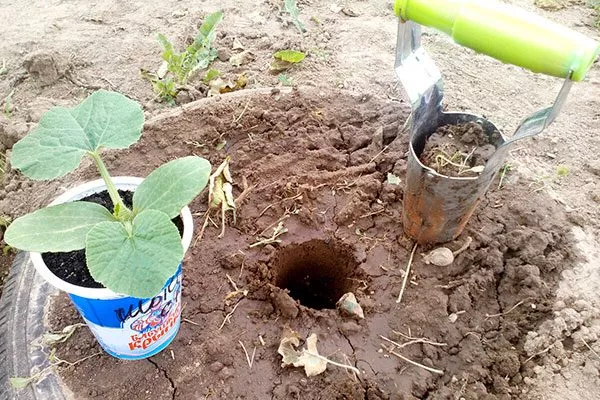
After planting, thoroughly moisten the plants with warm water and mulch the area around them with dry chopped straw. If temperatures threaten to drop below 15°C, temporarily cover the seedlings using cut-up 5-liter bottles or stretch the covering material over arches.
Plant care and formation
Melon is a moderately moisture-loving plant and does not tolerate overwatering. The optimal watering frequency is once every 7-10 days, depending on weather conditions. About a month before harvest, stop watering completely to prevent the fruit from absorbing excess moisture and spoiling during storage.
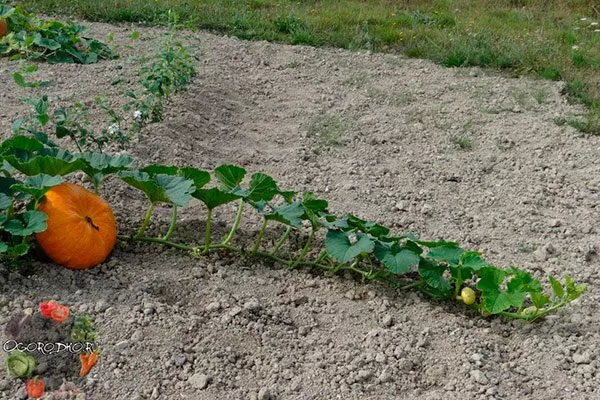
Training the vines requires regular attention. Large-fruited varieties are grown on a single stem, removing all side shoots. Leave 2-4 ovaries on the main vine and pinch off the top.
Fertilizers
Pumpkins respond well to fertilizing, especially during periods of active growth and fruit formation. To ensure the plant develops fully and produces a bountiful harvest, it's important to select the right nutrient composition and adhere to the correct application timing.
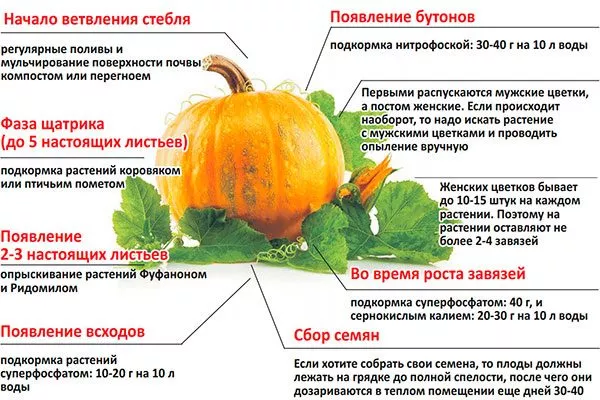
Feeding schedule:
- 10-14 days after planting the seedlings in a permanent location. Add organic matter—a mullein infusion (1:10) or bird droppings (1:15)—as well as mineral fertilizers—20-25 g of ammonium nitrate per 10 liters of water. This fertilizer stimulates foliage growth and root development.
- IN period of budding and beginning of flowering. Feed the plant with complex fertilizers: 30 g of superphosphate and 15 g of potassium sulfate per 10 liters of water. You can also add ash (200 g per 10 liters of water) as a source of potassium and microelements. This will promote flowering and improve fruit set.
- During active filling of vegetables. Use mullein infusion or green manure (fermented herbal mixture) and mineral supplements with a focus on potassium – 20 g of potassium sulfate and 30 g of superphosphate per 10 liters of water. This helps pumpkins gain weight, improves flavor, and improves shelf life.
Three weeks before harvest, if the soil is poor, add 200 g of wood ash per plant (dry or infused). This fertilizer strengthens the fruit skin and improves shelf life. Apply all fertilizers to damp soil, after watering, to avoid burning the roots. Be sure to alternate organic and mineral fertilizers.
Pros and cons
Reviews
This melon combines high productivity and ease of care, making it popular among both gardeners and professional farmers. Its versatility, disease resistance, and attractive fruit allow for a high-quality harvest with minimal effort. This variety meets all expectations.