
The Big Max pumpkin is a large-fruited variety with a distinctive appearance and high carotene content. It is prized for its sweet flavor, juicy flesh, resistance to adverse conditions, and long shelf life. This variety is equally suitable for home and commercial cultivation, producing consistently high yields.
Description of the variety
The crop was developed by US breeders and officially registered in the Russian state register in 2010, four years after the application was submitted. The copyright holder for the variety is Agrofirma Poisk LLC.

Gardeners note the plant's consistent yield, pleasant flavor, and strong resistance to common diseases. Big Max is a large-fruited pumpkin variety and is suitable for outdoor cultivation.
Characteristics of the appearance of the plant and fruits
The Big Max pumpkin is a vigorous, climbing plant with large, light-green leaves. Distinguishing features:
- fruits – round, with a smooth, segmented surface and a characteristic pinkish-orange color;
- weight - varies from 4-6 to 18 kg, but with good care, individual specimens can reach 40 kg;
- seed nest – medium size;
- seeds – Narrowly elliptical, small, with rough skin, they are distinguished by their brownish color and light border along the edges.

Purpose and taste
The flesh of the Big Max pumpkin is a rich orange color that retains its luster even after cooking. It is firm, juicy, and medium-thick, with a distinctive fibrous texture. The fruit's flavor is distinctly sweet, making this variety especially valuable in cooking.
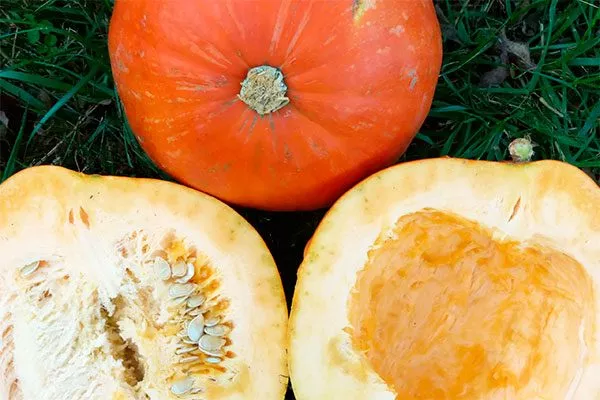
Pumpkin is widely used in home cooking – it's used to make juices, desserts, casseroles, and side dishes. Its high carotene content (2.8-4.5 mg per 100 g of raw product) makes it a healthy vegetable, especially for those on a diet or suffering from digestive issues.

Ripening time and yield
It's a mid-late variety, with an average of 120-130 days from germination to harvest. The main harvest period is from late August to September.
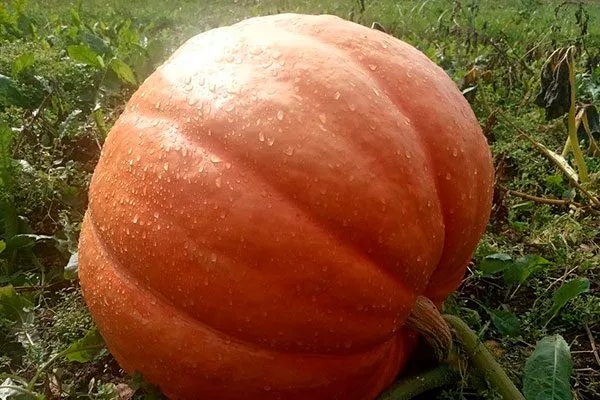
The variety is characterized by good productivity – an average of 7-8 kg per square meter. Thanks to its excellent performance and large fruits, the Big Max pumpkin is suitable not only for home gardens but also for industrial cultivation.
Storage Features
Harvest the fruit when it's fully ripe—when the skin turns a deep, dark orange and the stems are dry at the base. When harvesting, it's important to handle the vegetables carefully, avoiding bumps or damage that could cause them to spoil quickly.
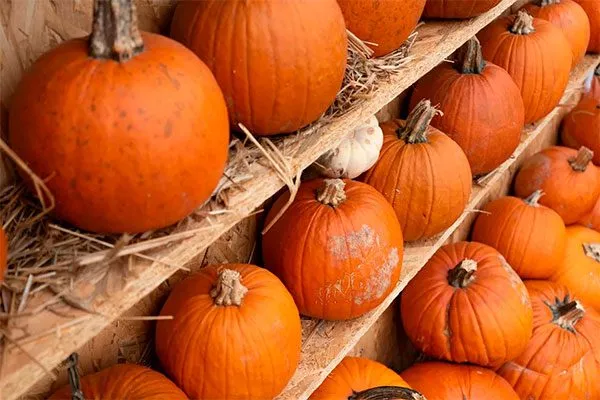
For long-term storage It is necessary to create suitable conditions: a dry, cool, and well-ventilated room with a temperature of +8 to +12°C and humidity within 60-70%. It is advisable to arrange the fruits in a single layer, preventing them from touching each other or the ground.
Landing features
The Big Max pumpkin variety can be grown either from seedlings or by direct sowing in open ground. To obtain seedlings, sow the seeds from April 20 to May 10, and transplant them to their permanent location from May 20 to June 10. For direct sowing, sow the seeds directly into the garden bed at the same time—from late May to early June.
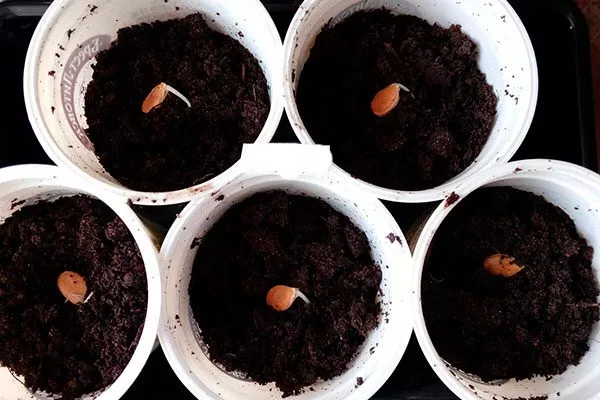
Carefully prepare the planting material in advance:
- selection – select only large, full-fledged seeds, removing damaged and empty ones;
- warming up – spread the seeds in a thin layer and keep at a temperature of +40°C for 5 hours;
- soaking – place in a solution of wood ash (40 g per 1 liter of water) for 10 hours;
- treatment with a growth stimulator – promotes accelerated germination and increases growth energy.
For planting, select a sunny site with sandy loam or light loamy soil, warmed to 10°C. Plant the seeds 3-5 cm deep, leaving 100 x 100 cm between holes.
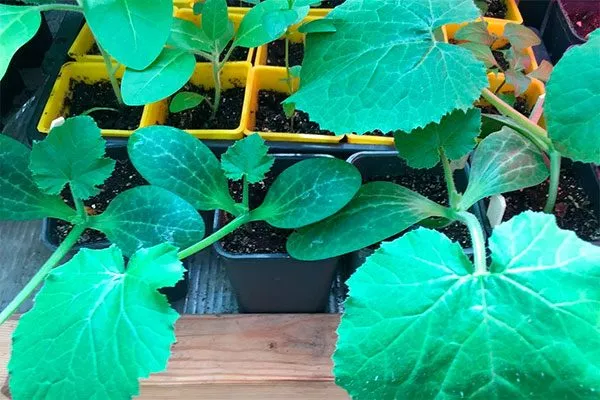
When using seedlings, place the seeds in individual containers filled with nutrient-rich substrate. The optimal temperature for germination is at least 25°C. Only strong, well-developed plants with thick stems should be transplanted to their permanent location.
Subtleties of agricultural technology
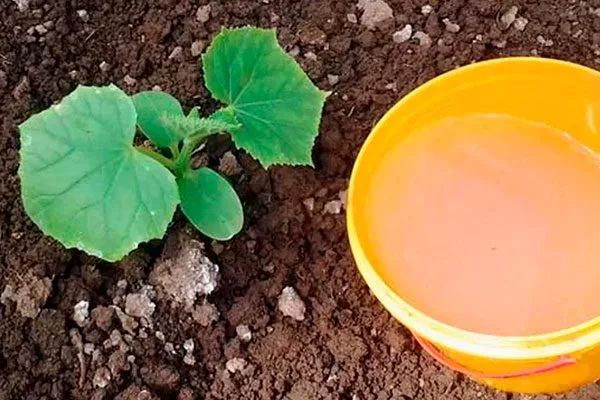
The yield of the Big Max pumpkin directly depends from proper care, especially during flowering and fruit formation. At this stage, the plant requires moisture, so watering should be regular and generous.
Follow these recommendations:
- Use only warm water—up to 10 liters per plant. Watering with cold water is unacceptable, as it can cause stress and even death. In hot weather, increase the frequency of watering, ensuring that the soil does not dry out.
- Timely fertilization is equally important. Apply nitrogen fertilizer 20 days after planting to stimulate growth. During the fruiting stage, the plant requires potassium and phosphorus.
In rainy summers, use dry mixtures, and in dry summers, use liquid ones. Apply at least two fertilizers per season: the first when the fifth true leaf appears, and the second after the fruit sets, using wood ash and superphosphate. - To speed up plant growth, sprinkle the shoots when they reach 1 m in length. Gently straighten them and arrange them in one direction, then add a 30-40 cm layer of soil on top. This will encourage additional root formation and strengthen the plant.
Pros and cons
Reviews
Big Max is a reliable pumpkin variety for those who value quality, yield, and a long shelf life. Its large, rich-flavored fruits are perfect for a variety of dishes and processing. Thanks to its resilience and undemanding nature, this variety performs well in a variety of climates, remaining popular with experienced gardeners.