
Butternut pumpkin is a popular American variety with pear-shaped fruits. They have a unique nutty flavor, a pleasant aroma, and tender flesh. The name of this wonderful pumpkin literally translates from English as "butternut."
The History of Butternut Squash
The Butternut pumpkin variety was developed by American breeders in the 1960s. It was created by crossing butternut and African pumpkins. It is now widely grown not only in the United States but also in Europe.
Description of the plant
| Name | Plant type | Length of whips | Leaf size |
|---|---|---|---|
| Climbing | Climbing | up to 2.5 m | up to 30 cm |
| Shrub | Shrub | 1-1.5 m | up to 30 cm |
There are two varieties of butternut squash: climbing and bush. The former has vines up to 2.5 m long, while the latter grows 1-1.5 m. The leaves are green and fairly large, reaching 30 cm in diameter. The flowers are large and yellow.
Description of fruits
Butternut pumpkin is valued for the quality of its fruits – they are neat and have excellent commercial characteristics.
Brief description of fruits:
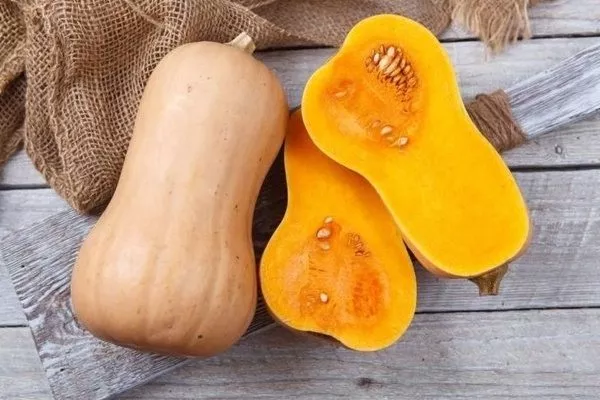
- Form - pear-shaped. Oblong at the top, widened at the bottom.
- Crust coloring - rich yellowish-orange or somewhat paler (depending on the degree of ripeness).
- Pulp coloring - bright orange.
- Size — 22-30 cm in length.
- Seeds - milky shade.
- Weight — 1.2-2.5 kg.
Taste and purpose of fruits
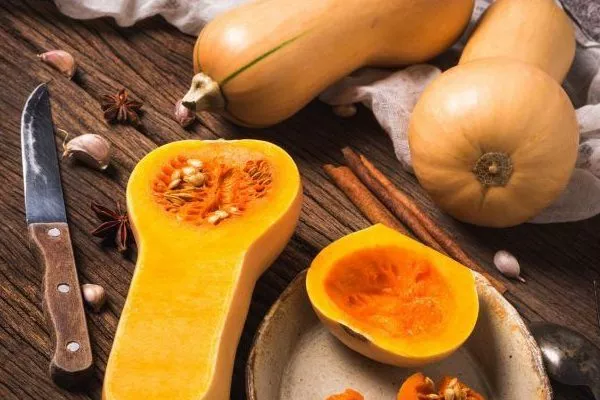
Butternut squash fruits have juicy, crumbly flesh with a distinct aroma. It's slightly sweet, with a slight nutty and nutty flavor.
The purpose of the fruits depends on their size:
- Large are used as cattle feed.
- Average — for making juices and desserts. This pumpkin makes delicious pumpkin puree, pie fillings, porridges, soups, and casseroles.
The pulp can be eaten fresh, sliced, or used in vegetable salads. The Butternut variety is ideal for creating a variety of desserts—cakes, puddings, toritas, and candied fruits.
Characteristics
The Butternut pumpkin is a representative of "overseas" selection; however, its agricultural characteristics allow it to be grown in our country.
Ripening time
Butternut pumpkin is an early-ripening variety. It begins blooming in mid-June. Harvesting begins 80-90 days after germination, in August or early September.
Productivity
Butternut pumpkin is a high-yielding variety. Under favorable climate conditions and with good care, a single bush can produce up to 15 kg of fruit. A single plant can produce 5-15 pumpkins. When grown commercially, the Butternut variety yields 40-60 tons per hectare.
Frost and drought resistance
Butternut pumpkins aren't particularly frost-hardy. Seeds require temperatures of at least 15 to 16°C to germinate. If temperatures drop below 0°C, pumpkin beds should be covered with plastic or other non-woven material. This variety is highly drought-resistant.
Disease resistance
Butternut squash has average disease resistance. Plants are particularly susceptible to bacterial blight, white rot, and root rot. Preventative treatment with fungicides can help prevent the spread of pathogenic microflora. Two to three sprays are sufficient.
Pros and cons
Before planting a butternut squash in your garden, it's recommended to evaluate all its advantages. It's also important to know in advance if this variety has any drawbacks that could hinder its growth.
Landing features
The Butternut variety isn't particularly demanding when it comes to growing conditions, but its growth and development, yield, and the size and flavor of its roots largely depend on proper planting. It's essential to select a suitable site, prepare it properly, and plant according to established techniques.
- ✓ Optimum soil temperature for seed germination: not less than +15°C.
- ✓ Minimum distance between plants to ensure sufficient space for growth: 60×100 cm for bush varieties and 100×150 cm for climbing varieties.
How to choose a site?
Choose a well-lit area for planting. The amount of light determines the size of the fruit; if it's insufficient, the pumpkins will grow small. It's best to plant on a south-facing site, where the soil warms up well.
The site should be free of drafts and strong north winds. Pumpkins can be planted near the house or outbuildings. The ideal soil for butternut pumpkins is loose, fertile loam.
Predecessors and neighbors
Pumpkins grow well after onions, potatoes, and cabbage. It's not recommended to plant them after melons. Corn, greens, and garlic can be planted next to pumpkins, but eggplants, tomatoes, cabbage, and zucchini are considered undesirable neighbors.
How to prepare the soil?
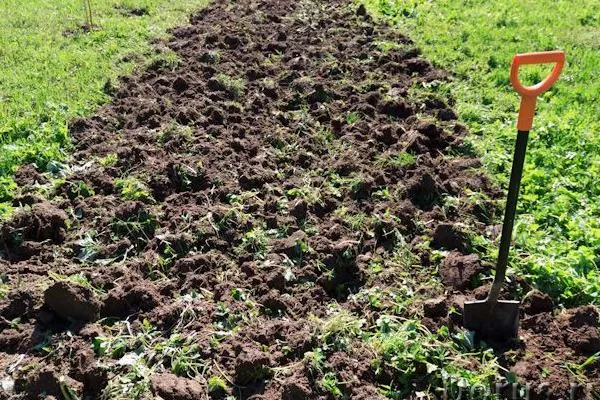
The soil is prepared in the fall by digging it to a depth of 30 cm, adding manure or humus at a rate of 10 kg and 14 kg per square meter, respectively, along with compost and potassium fertilizer. Dolomite flour is also recommended. The optimal pH is between 6.5 and 7.4.
If the soil is heavy, dense, and clayey, add peat or coarse sand. In the spring, level the soil with a rake, breaking up any large clods.
Sowing in open ground
Pumpkins are sown outdoors in late May, once the threat of frost has passed. Dig holes for planting, adding a little wood ash to the bottom. Plant the seeds 3-4 cm deep, placing several seeds in each hole.
It's recommended to place the seeds in a damp cloth for two days, then wrap them in a plastic bag, allowing air to pass through. High-quality seeds will definitely germinate and sprout.
Optimal sowing patterns:
- For bush varieties - 60×100 cm
- For climbing varieties - 100x150 cm.
To speed up germination, cover the seeds with plastic film. As soon as the green shoots appear, remove the covering.
Using seedlings
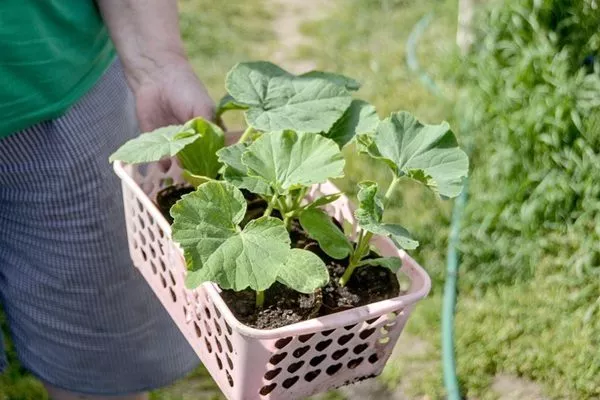
Pumpkin seedlings are sown in April, approximately a month before planting in the ground, which takes place in May or June, depending on the region's climate. The seedlings are grown in special peat pots, which are then planted in the ground.
The seedlings are grown using standard techniques, watered, and hardened off. When the plants reach 10-15 cm in height, they are transplanted into well-warmed soil, planted in holes 5-6 cm deep. In colder regions, they are planted in a greenhouse rather than in the ground.
Care instructions
To get a good harvest from butternut squash, certain care is necessary. It's quite simple and doesn't require much time or effort from gardeners.
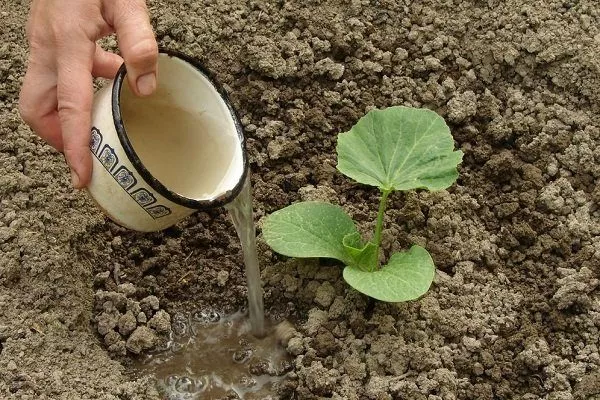
Watering
The variety requires regular watering, especially during fruit formation. Afterward, watering becomes less frequent. Once the fruits reach apple size, stop watering completely. Otherwise, the pumpkins will be watery and lack sweetness.
Top dressing
To ensure large, tasty fruits, it's necessary to apply fertilizer several times throughout the season. Typically, 2-3 applications are enough to produce truly high-quality pumpkins.
Approximate feeding regime:
- After planting, add an infusion of mullein or chicken manure—plants require large amounts of nitrogen during this period (to increase green mass).
- During flowering, a yeast solution of dry or live yeast can be added. After fruit set, potassium and complex fertilizers are applied.
- The third feeding involves the application of any organic fertilizer; it is aimed at improving the quality and taste of the fruit. Mineral fertilizers are not recommended during the fruit formation stage.
Loosening and weeding
After watering and rain, when the soil has dried out slightly, it is loosened and mulched, for example, with sand, hay, or straw. This agricultural technique helps retain moisture and slow weed growth. The mulch is renewed periodically.
Pest and disease control
Butternut squash has average immunity and under unfavorable conditions can be affected by various infections, mainly fungal ones.
| Disease | Method of struggle | Processing period |
|---|---|---|
| Powdery mildew | Copper sulfate solution | At the first signs of illness |
| Bacteriosis | Destruction of affected plants | Immediately after detection |
| White rot | Trimming of affected parts and disinfection of cuts | At the first signs of illness |
The variety can be affected by:
- Powdery mildew. It is accompanied by the appearance of a white, powdery coating, curling, and drying of the leaves. A copper sulfate solution is used to combat the disease.
- Bacteriosis. It primarily attacks plants early in their growth, causing brown spots on the leaves. The disease is incurable; the bushes must be uprooted and destroyed.
- White rot. It causes white spots on leaves that quickly enlarge and darken. Affected plant parts are pruned, and the cut surfaces are disinfected.
Of the insect pests, aphids and spider mites pose the greatest threat, as they are usually active in hot weather. Spraying with infusions of garlic, tomato, or potato tops can help prevent their spread.
How to harvest and preserve crops
The harvest is carried out before the first frost, otherwise the fruits will not keep. Pumpkins are cut with the stems attached—this also helps ensure long shelf life. Fruit with damage or defects is processed, used for food, candied, etc.
Under favorable conditions, butternut squash can be stored for several months. They should be kept in a cool, dry place at temperatures no higher than 10°C. Pumpkins are typically stored on a closed balcony, in a cellar, or anywhere where the temperature doesn't drop too low. After cutting the pumpkin into pieces, it can be stored in the freezer.
Reviews
Butternut pumpkin is a fascinating American variety for those who appreciate unique flavors. This pear-shaped pumpkin with a nutty, nutty flavor is an incredibly valuable culinary resource; it's delicious, healthy, and a surefire favorite for those who love this crop.