
The Augustine pumpkin is a popular early-ripening variety, recognized by gardeners for its high productivity and pleasant flavor. It is ideal for both home gardening and commercial production. To ensure abundant harvests and high-quality fruit, it is important to understand the characteristics of this variety and provide proper care.
Breeding history
The Muscat variety was developed by V. G. Kachainik, A. V. Kandoba, and N. V. Nastenko from Agrofirma Aelita LLC. It was approved for use in 2011.
Description of the plant and pumpkins
Characterized by long, medium-vigorous vines, it can take up a significant amount of space in a garden bed. Distinguishing features:
- Leaves - pentagonal in shape, dark green with white spots.
- Petioles – medium length.
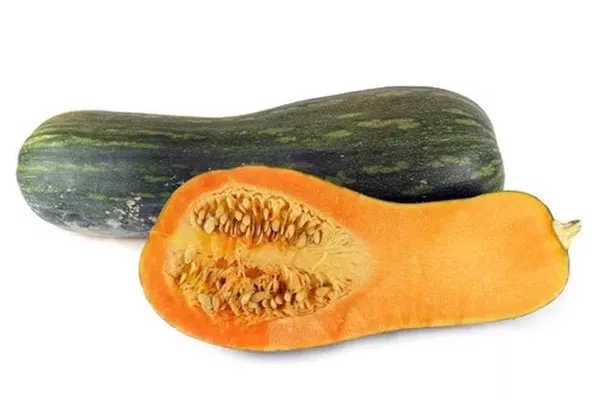
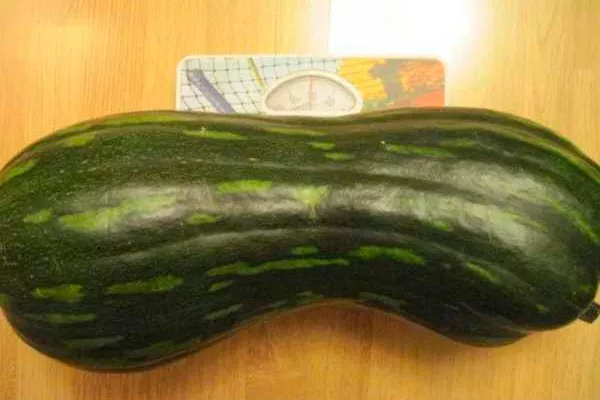
- Fruits – Cylindrical in shape, with a slight thickening and widening at the flower scar. They weigh between 4.3 and 5.5 kg. They are dark green with a waxy coating, have a smooth surface, and a medium-thick skin.
- Seed nest – medium in size, it contains cream-colored seeds.
The flavor of this pumpkin variety deserves special attention. The flesh is crisp and medium-firm, yet very juicy. Its bright yellow color makes it attractive and ideal for cooking.
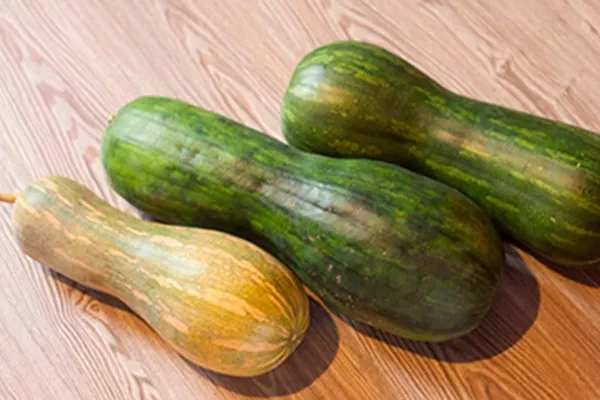
Thanks to its buttery, nutty flavor, pumpkin is an excellent ingredient for various processed and home-cooked dishes. It's perfect for soups, purees, casseroles, and desserts. The fruit can be stored for up to 100 days under proper storage conditions.
Characteristics of the variety
This early-ripening variety ripens 105-110 days after germination. The fruits can be stored for up to 100 days. The variety boasts high yields – from 480 to 543 centners per hectare.
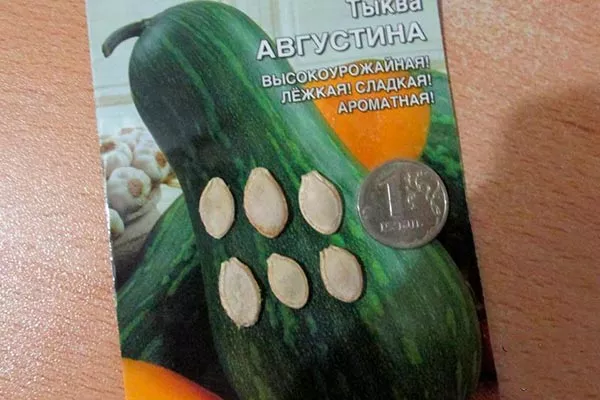
These vegetables are easy to transport and have high commercial quality. Pumpkins are resistant to various diseases and pests, making them particularly popular among gardeners.
Growing rules
When planting pumpkins, it's important to follow recommendations for site selection, planting depth, and proper spacing. Following these guidelines will help you achieve a high-quality harvest and prevent disease.
- ✓ Optimum soil temperature for planting seedlings: not lower than +15°C.
- ✓ Recommended seed sowing depth: 3-4 cm.
Growing seedlings
The best and most effective solution for getting an early pumpkin harvest is to start from seedlings. This method allows the seedlings to adapt more quickly to soil conditions and ensures a higher yield.
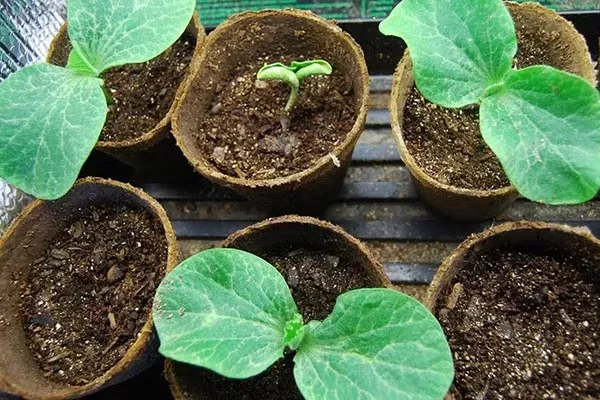
Peculiarities:
- Lighting. As soon as the shoots appear, place the seedlings in the sunniest spot on the windowsill or place them under a phytolamp.
- Soil for sowing. Improve a ready-made store-bought soil mix based on neutralized peat (pH 5.5-6.5) by adding leaf mold and mature compost in a ratio of 1:2:1.
- Sowing seeds. Prepare seedlings 20 days before planting. If the seeds haven't been treated with Thiram, soak them in a solution of brilliant green (5 ml per 100 ml of water) for 30 minutes before sowing. Pumpkins don't transplant well, so use separate cups for each seedling.
- Hardening. Begin hardening immediately after the seedlings emerge. The outside temperature should be at least 18°C. Begin the hardening process with 50-60 minutes, increasing its duration by 1 hour each day.
Before planting, leave the seedlings outside overnight. If the nights are cold, cover the cups with plastic wrap.
Agricultural technology
The Augustine pumpkin is an early-ripening and productive variety that requires attention and care. To ensure a bountiful harvest, it's important to follow basic care procedures.
Choosing a location in the garden and preparing the soil
Choose a sunny location for planting that gets plenty of warmth throughout the day. The plant prefers warm, well-lit areas, as it is sensitive to low light. The optimal temperature for growth is 22-28°C.
The soil should be light, loose, and fertile, with good drainage. Loamy or sandy loam soils with a pH of 6-6.5 are best. Thoroughly cultivate the beds, adding organic fertilizer such as compost or humus.
Good and bad predecessors
Pumpkins grow best after legumes, potatoes, corn, or grains. These plants enrich the soil with essential nutrients, creating favorable conditions.
Other cucurbit crops, such as cucumbers or melons, are poor predecessors, as they can deplete the soil and make it vulnerable to diseases typical of this family.
Transplanting seedlings
The plant doesn't transplant well, so plant the seedlings in individual pots to minimize root damage. Harden off the seedlings 20 days before planting them in the garden. Transplant them to their permanent location once the danger of frost has passed and the soil has warmed to 15°C.
Plant formation and care
Augustine requires plant training for better development and increased yield. Pinch out the main shoots to encourage lateral growth. Remove emerging side shoots, leaving 3-4 main stems to prevent the plant from wasting energy.
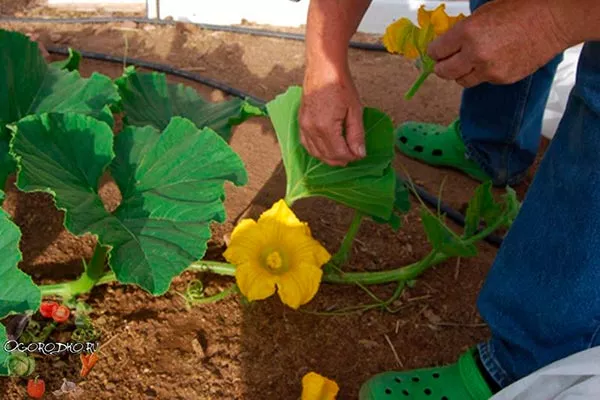
Care includes regular loosening of the soil, removing weeds and protection from pests and diseases.
Watering
Provide plants with regular watering, especially during periods of active growth and fruit formation. Apply water at the roots, avoiding dripping on leaves and fruits to prevent disease.
On hot summer days, perform this procedure 2-3 times a week, and on cooler days, 1-2 times. Use only warm, settled water.
Fertilizers and dressings
Augustine responds well to fertilization. During active growth, plants require nitrogen, and during flowering and fruiting, potassium and phosphorus. Apply the first fertilization two weeks after planting the seedlings, using a nitrogen-rich fertilizer, such as ammonium nitrate.
- Two weeks after planting the seedlings, add ammonium nitrate (20 g per 10 l of water).
- During flowering, add superphosphate (30 g) and potassium fertilizers (20 g per 10 l of water).
- To improve the taste of the fruit, use herbal infusion or ash (1 glass per 10 liters of water) every 2 weeks.
Apply a second feeding during flowering, adding superphosphate and potassium compounds. To improve the taste of vegetables, use organic substances, such as herbal infusions or ash.
Pros and cons
To avoid potential difficulties when growing a crop, carefully study its characteristics, advantages, and disadvantages. Advantages of the Augustine variety:
Pumpkin is not demanding to the soil, but grows better in loose, fertile areas.
Among the disadvantages, some gardeners note poor transplant tolerance, sensitivity to insufficient light and cold, a tendency for fruits to overgrow if the soil is excessively moist, and a limited choice of predecessors in the garden bed.
Reviews
The Augustine pumpkin boasts numerous positive qualities, making it a favorite choice for both novice and experienced gardeners. This variety is easy to care for, disease-resistant, and highly productive. Despite some peculiarities and shortcomings, it's well worth the effort and rewards generous harvests for proper care.