
Atlantic Giant is one of the largest pumpkin varieties, impressive not only for its size but also for its excellent taste. This cultivar is renowned for its high productivity, resistance to adverse weather conditions, and the nutritional value of its flesh. It's ideal for preparing a variety of delicacies, including sweet and savory dishes.
Description of the bush and fruits
The variety was bred by Howard Deal in 1978. Distinguishing features:
- The climbing plant is characterized by rapid growth and can reach impressive sizes.
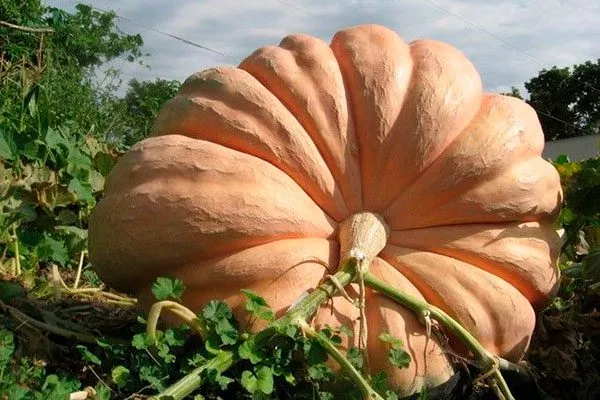
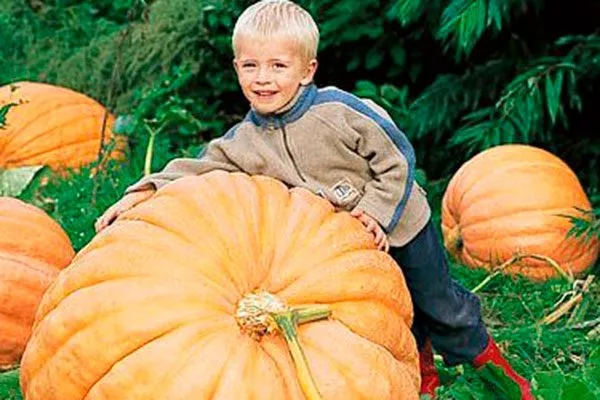
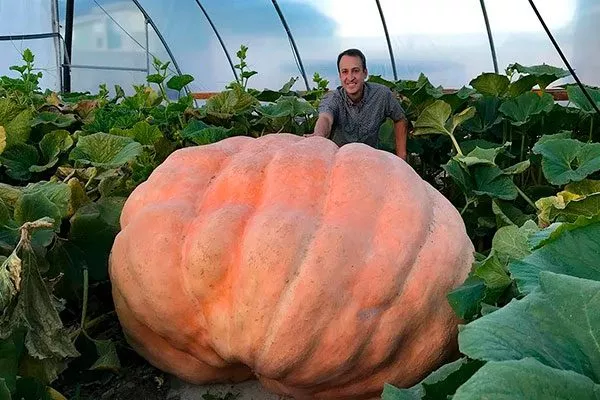
- Depending on growing conditions, the fruit weight varies from 50 to 500 kg, making this variety a true giant among pumpkins.
- Vegetables can have different configurations, from round to slightly flattened, with a smooth surface.
- The colouring is pink-orange, and the pronounced segmentation makes it particularly attractive.
- The flesh is bright orange in color.
Main characteristics
Atlantic Giant has excellent flavor, making it a versatile culinary vegetable. The crop has many varietal characteristics:
- The sweet and tender pulp contains vitamins and minerals that have a beneficial effect on the body and general well-being.
- Pumpkin is ideal for a variety of dishes, including creamy soups, casseroles, pies, and even desserts.
- Thanks to their impressive size, the fruits are often featured at vegetable shows and giant crop growing competitions. Participants in such events strive to grow the largest specimens possible.
- Ripens 80-100 days after germination. It's best to store the harvested crop in a cool place at temperatures between 5 and 10°C.
The variety is resistant to various diseases and pests, which makes caring for the bushes much easier.
Soil preparation
Before planting, it's important to create optimal conditions for plant growth and development, starting with proper soil preparation. The soil should be fertile, well-drained, and rich in nutrients.
Follow these recommendations:
- Choose a sunny area protected from strong winds. Dig the beds to a depth of 25-30 cm.
- Add 5-7 kg of humus or compost per square meter. You can use manure, but rotted manure is best to avoid burning the roots. Add 30-40 g of superphosphate and 20-30 g of potassium sulfate.
- Don't plant pumpkins after zucchini, cucumbers, or squash. Good predecessors include potatoes, onions, legumes, and cabbage.
- Once the snow melts, loosen the bed if the soil is too compact. Add 20-30 g of ammonium nitrate per square meter. Make holes 30 cm deep and fill each with humus or compost.
- For early planting, cover the area with black film for 1-2 weeks.
- ✓ The optimal soil temperature for planting should be at least +10°C at a depth of 10 cm.
- ✓ The distance between plants should be at least 2 meters to ensure sufficient space for growth.
After such preparation, the pumpkin will grow actively and produce a good harvest.
Planting: timing and algorithm
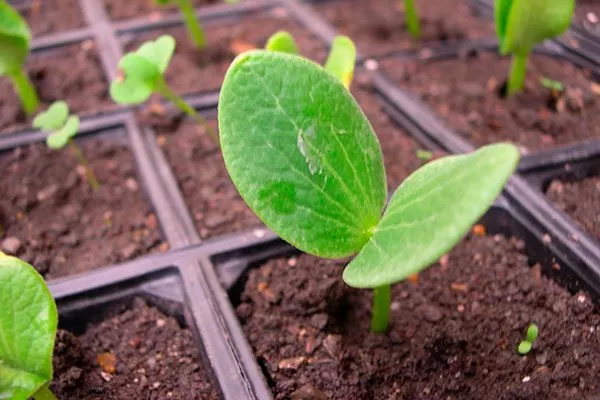
In temperate regions where frost is unlikely in May, begin growing in early April. This will give the plant enough time to develop its root system and accumulate energy before flowering.
Please adhere to the requirements:
- In northern regions, where spring arrives later, postpone the process until mid-May. This will help protect the young seedlings from low temperatures.
- In warmer southern regions, plan planting for early June. Monitor soil moisture to prevent the roots from drying out.
- Use healthy, vigorous seedlings with several true leaves. This will increase the plant's chances of successful development.
Step-by-step guide to growing and caring for
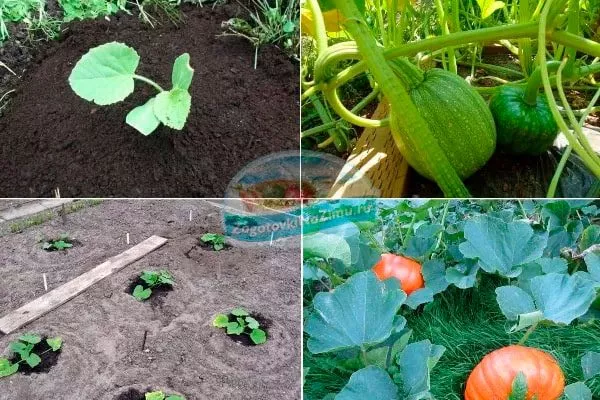
The plant requires regular watering, especially during active growth. Apply warm, settled water to the roots.
Perform other agricultural practices:
- Use organic fertilizers (compost or humus) and minerals to improve soil fertility.
- Regularly remove weeds from around plants – they take away moisture and nutrients.
- To ensure strong growth, remove side shoots. Given the large size of the fruit, support them to prevent damage to the stems and ensure stability.
- Although pumpkin is resistant to most diseases and pests, regularly check your plants for aphids, powdery mildew, and other pests. For prevention, use folk remedies, such as garlic or onion peel infusions, and apply fungicides.
Atlantic Giant ripens 80-100 days after planting. The fruits should be firm, brightly colored, and firm to the touch. Cut the vegetables carefully, leaving a small stalk for long-term storage. After harvesting, store the crop in a cool, dry place at temperatures between 5 and 10°C.
Pros and cons
To avoid potential difficulties, it's important to understand the main advantages and disadvantages of the crop before planting. Atlantic Giant has several advantages, including:
Among the negative qualities of this variety, gardeners note its particular demand for soil composition and average immunity to some diseases.
Reviews
The Atlant Giant pumpkin is the perfect choice for gardeners seeking a consistent harvest and exceptionally large fruits. Despite its soil requirements, this variety is worth the effort thanks to its hardiness, excellent flavor, and excellent transportability. It's easy to care for, and the results are always pleasing.