
Arabatskaya is the name of a late-ripening variety of butternut squash, suitable for both home and commercial cultivation in open gardens. Gardeners love it for its high yield, resistance to powdery mildew, and excellent flavor. Its distinctive features include its convenient fruit shape and abundant pulp.
Arabat pumpkin varieties
This vegetable crop, named after a sandy spit-peninsula in Crimea, is represented by two varieties. Both share many of the same characteristics. The only differences between them are the color and shape of the pumpkins:
- one variety has fruits characterized by a round shape and a rich orange skin color (their weight does not exceed 5 kg);
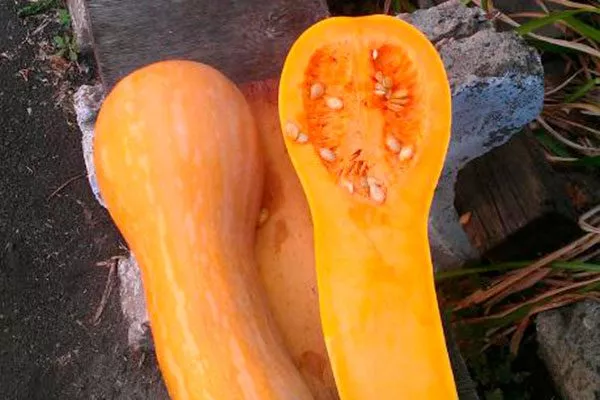
- The second type produces larger fruits, has a greenish-orange skin color and an elongated pear-shaped form.
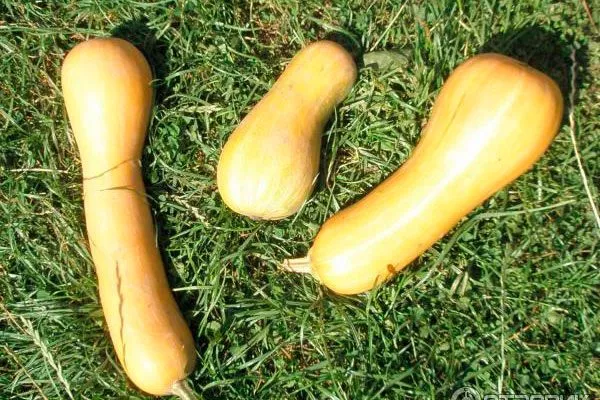
The Arabatskaya variety owes its origins to Crimean breeders. They developed it in the 1980s. This new variety quickly gained popularity among local gardeners, who appreciated its wonderful taste and excellent fertility.
Description of the bush and fruits
Plants of this cultivar have long, well-developed vines. They have the appearance of a bush with the following characteristics:
- not very thick, but strong liana-like stems, the length of which reaches 7-10 m;
- leaves: dark green with a pattern of whitish spots, large or medium in size;
- flowers: funnel-shaped, single, yellow-orange, large.
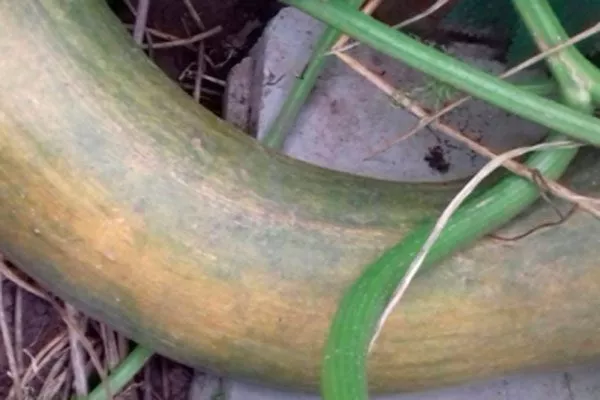
Arabatskaya's plantings bloom profusely. Each plant produces 5-7 pumpkins of uniform size and shape. To increase productivity, gardeners limit the growth of side shoots by pinching them. They train the bush into a single trunk and leave a few ovaries (2-3) on it.
The harvest of this varietal variety is attractive in appearance and has high consumer qualities. The fruits are characterized by the following characteristics:
- weight - 5-10 kg;
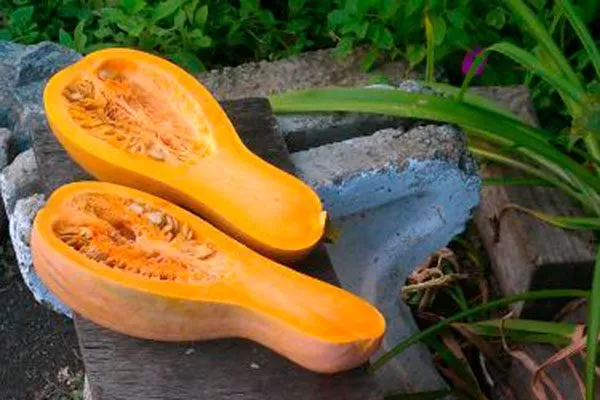
- cylindrical shape, resembling an oblong pear (the seeds are located in the rounded “swollen” part of the fruit);
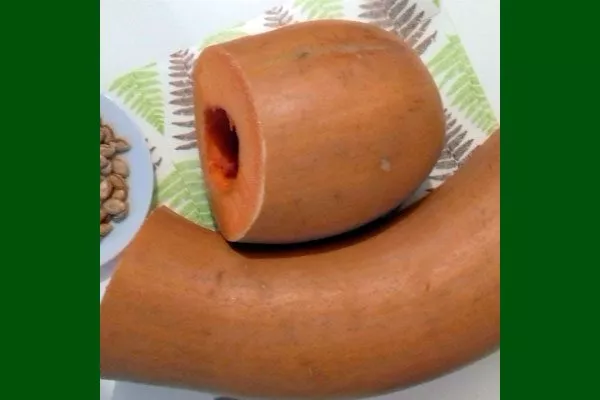
- length - 50-90 cm;
- diameter - 10 cm;
- orange or greenish-orange color;
- thin, smooth, very strong rind, which perfectly protects the internal contents of the fruit from damage;
- pulp: rich orange color, dense with a crunch, thick, juicy, sweet and very aromatic, with notes of nutmeg;
- small seed chamber;
- large seeds of a brownish color.
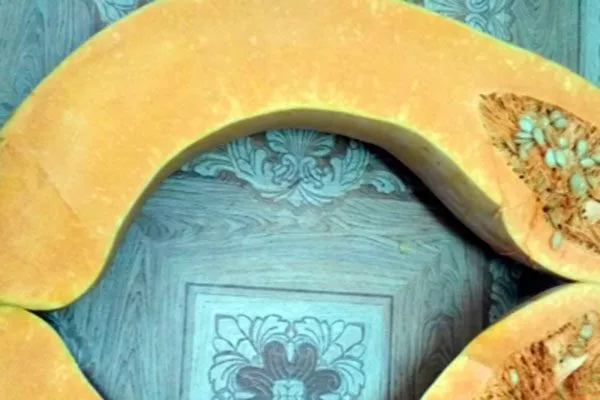
Gardeners consider the Arabatskaya pumpkin's convenient shape and abundant pulp to be its advantage. The pulp is concentrated primarily in the long, cylindrical part of the fruit. Simply peel it away from the swelling containing the seeds with a knife to obtain a large piece of pumpkin that doesn't require peeling.
Main characteristics
If you're planning to grow the Arabatskaya red vegetable variety in your garden for personal consumption or for sale, first familiarize yourself with its key technical characteristics. Most of them are excellent.
Value and benefit
The nutmeg pumpkin variety, developed by Crimean breeders, is not only delicious and aromatic, but also rich in many healthy nutrients:
- vitamin A, ensuring the formation and normal functioning of immune system cells (leukocytes), responsible for the good condition of the skin and mucous membranes, hair, teeth and nails, increasing visual acuity, improving the functioning of the reproductive system, relieving inflammation;
- ascorbic acid (vitamin C), increasing the body's resistance to infections, helping to overcome stress and chronic fatigue, accelerating the wound healing process, normalizing metabolism, and protecting cells from the harmful effects of free radicals;
- vitamin E, supporting immune function, removing free radicals from the body, preventing the formation of blood clots, having a beneficial effect on the condition of hair and skin, and on the health of the cardiovascular system;
- potassium, normalizing water-salt metabolism and blood pressure, strengthening the heart, improving the condition of the nervous system, stimulating the functioning of the brain, ensuring normal muscle activity;
- magnesium, normalizing the heart rhythm, eliminating muscle cramps and joint pain, lowering blood pressure, supporting the nervous system, promoting calcium absorption, and is beneficial for women's health;
- iron, necessary for the production of hemoglobin, normalizing metabolism, strengthening the immune system, supporting the normal functioning of the thyroid gland, responsible for liver health, improving the quality of sleep, and increasing vitality;
- fiber, which improves the functioning of the gastrointestinal tract, provides a feeling of satiety, and helps solve the problem of constipation.
100 grams of Arabatskaya pulp contains 45 kcal. It's a dietary product. Eating it will cleanse your body, strengthen your immune system, boost your vitality, and improve your appearance and mood. This delicacy promotes youthfulness. It's beneficial for the heart, blood vessels, liver, and brain.
Ripening and fruiting, productivity
This butternut squash variety is characterized by late harvesting. The growing season lasts 110-140 days. Harvesting occurs in the second half of August and September.
This vegetable variety delights gardeners with its highly productive bushes. Their fertility indicators are as follows:
- 3.6 kg from 1 sq. m of pumpkin bed is the minimum harvest amount;
- 6.5 kg/m2 is the maximum value achieved with intensive agricultural technology of vegetable crops.
On average, gardeners get 4.1 kg of juicy and tasty pumpkin by growing Arabatskaya pumpkin in their garden plots.
Taste characteristics and purpose
This variety's harvest wins the hearts of gardeners with its remarkable tasting qualities. These are due to the vegetable's high sugar content (up to 11.5%) and dry matter (up to 12%). This pumpkin has a sweet, piquant flavor. Its texture is buttery and non-stringy.
Arabat pumpkins are a true summer-autumn dessert, a healthy treat for both children and adults. They have versatile uses: fresh consumption, home cooking, and canning. The Crimean pumpkin's flesh is so sweet, juicy, and aromatic that it can even be eaten raw, thinly sliced.
Housewives use pear-shaped pumpkins of the nutmeg variety in home cooking as follows:
- their pulp is added to various dishes (cream soups, side dishes, sweet porridges, casseroles, pancakes), desserts;
- They make unusual delicacies from them: jam, marmalade, preserves, they bake them in pieces with honey and nuts, and they deep-fry them;
- used as a filling for pies and other sweet pastries;
- processed into juice and puree intended for children's or dietary use;
- canned, cut into pieces (the compote or jam turns out “pineapple-like” both in appearance and taste);
- freeze;
- dry;
- candied fruits are prepared;
- are dried.
Necessary climatic conditions, regions
The variety was originally bred specifically for cultivation on the Crimean Peninsula. Over time, it has proven itself to be an excellent choice, adapting to different climates. It is successfully grown in open ground and greenhouses throughout the country's regions and districts:
- Northern;
- North-West;
- Central;
- Volga-Vyatka;
- Central Black Earth Region;
- North Caucasian;
- Middle Volga;
- Lower Volga;
- Ural;
- West Siberian;
- East Siberian;
- Far Eastern.
The pumpkin, bred by Crimean scientists, is characterized by its undemanding nature. It adapts well to a variety of environmental conditions. It can withstand heat and prolonged periods of drought. It is sensitive to cold, so in areas with harsh climates, it is recommended to grow it in protected soil.
Growing and care
Grow Arabat Muscat pumpkin using seedlings. Sow in late April or early May. Transplant the grown seedlings to the garden in late spring or early June. In warmer climates, sowing the seeds directly into the ground is acceptable. Do this in May or June.
Requirements
To reap a bountiful harvest of red vegetables, ensure you create the most favorable conditions for their growth and development. Pay particular attention to the following factors:
- IlluminationPumpkins are very sun-loving. If grown in shaded areas of the garden, the flavor of the flesh will suffer. A lack of sun can lead to low sugar content. This also leads to low yields.
To ensure the nutmeg variety performs at its best, plant it in a level, open area with ample sunlight throughout the day. Ideally, the bushes should receive at least 6-8 hours of direct light per day.
When growing Arabatskaya in the south, where it gets very hot and dry periods are common, place the pumpkin bed in partial shade. - SoilThe crop grows and bears fruit well in fertile soils. It thrives best in loose, organically rich chernozems, dark sandy loams, and light loams.
Pumpkins don't like acidic soils. Their optimal pH is between 6.0 and 7.5.
The vegetable also doesn't tolerate damp conditions. If your site has a high water table, grow it in raised beds. - Temperature conditionsButternut squash bushes require plenty of warmth to thrive. The younger they are, the more susceptible they are to cold snaps.
Cultivate Arabatskaya in soil warmed to 18-23°C. These temperatures will ensure good root development. In cooler conditions, roots will grow weak and shallow.
The air should also be warm. The crop develops and bears fruit well at 20-30°C.
Planting with seedlings
For a faster harvest, grow Arabatskaya using seedlings. The process of growing seedlings is not difficult. Follow the rules for sowing seeds and caring for the seedlings to ensure high-quality planting material that will be disease-free and grow well after being transplanted into the garden.
Soil for sowing
Sow nutmeg seeds in a general-purpose potting mix purchased from a flower shop. It's based on neutralized peat (pH 5.5-6.5). Before planting, improve the store-bought soil by adding the following ingredients:
- leaf soil;
- mature compost.
Sowing seeds and hardening
Plant the seedlings 20 days before transplanting them to the garden bed. Before sowing, don't hesitate to treat the seeds by soaking them in a solution of potassium permanganate or brilliant green for half an hour. If desired, you can also germinate them on a saucer lined with damp cheesecloth.
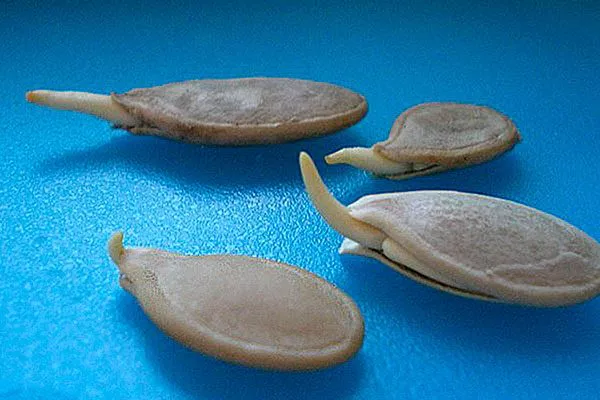
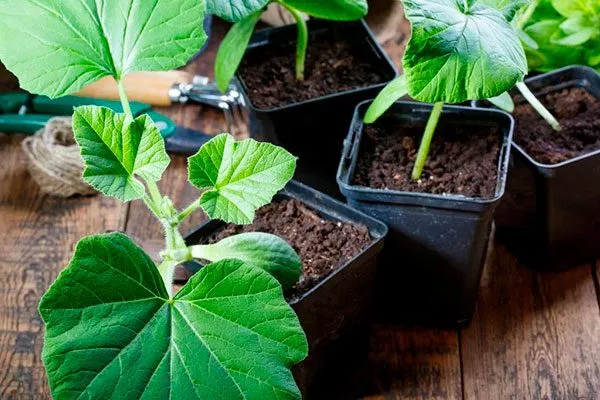
Sow Arabatskaya seeds in peat pots or plastic cups with drainage holes in the bottom. Do not use a common growing container for pumpkin seedlings. They do not tolerate transplanting well. Maintain a planting depth of 3 cm.
Cover the seedlings with plastic wrap. Leave them in a warm place. Once the sprouts emerge, remove the covering. Keep them on a sunny windowsill. Provide additional light with a grow light if necessary. Water moderately. Before "transplanting" the seedlings into the garden, harden them off, following these guidelines:
- start increasing the cold resistance of the sprouts after they reach 3-5 days of age;
- leave them by the open window or take them out onto the balcony every day;
- the outside air temperature during the procedure should not be below +18°C;
- the first time, let the pumpkin seedlings take an air bath for 1 hour;
- with each subsequent day, increase the duration of the hardening procedure by 1 hour;
- The last night before transferring the seedlings to a permanent location, leave them in the fresh air, covering them with film to protect them from the cold.
Transplanting
Prepare a plot in your garden for growing the nutmeg variety. It should be sunny, protected from strong winds and drafts, and located at an elevated location. Dig it over in the fall. Amend the soil with organic matter (mullein, compost), phosphorus-potassium fertilizers, ash, or lime.
Experienced gardeners grow Arabatskaya pumpkins in a compost heap with added sand and turf. This method allows for the largest possible harvest and a rich, sweet flavor. This bed warms up perfectly in the sun, retains heat, and is rich in nutrients.
To protect pumpkin plants from diseases and ensure good productivity, plant them after good predecessors. For this red vegetable, these include:
- garlic;
- beans;
- peas;
- any types and varieties of cabbage;
- onion;
- beans.
Avoid planting pumpkin beds in areas of your garden where you grew tomatoes, eggplants, peppers, watermelons, melons, zucchini, carrots, cucumbers, and turnips last season.
Transplant Arabatskaya seedlings into the garden in the first days of June. By this time, they should have at least three leaves. Stick to a 1.4-1.8 x 2.1 m spacing. Transplant by transshipment to avoid damaging the plant roots. Add a small amount of wood ash and compost to the planting holes.
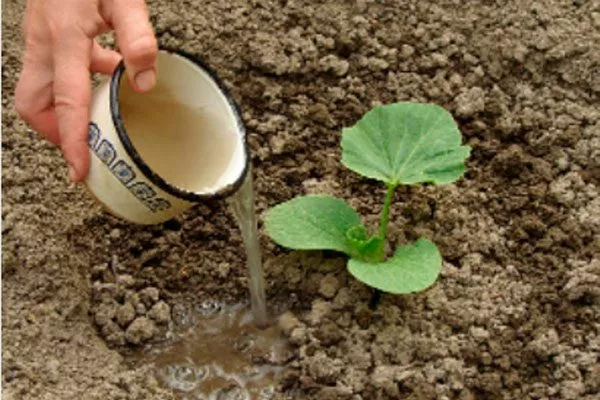
To finish the process, water the pumpkin planting with warm, settled water and mulch it with a layer of dry chopped straw. Cover each seedling with a makeshift greenhouse made from a five-liter plastic bottle. This measure is necessary to protect the seedlings from nighttime cold snaps.
Sowing in open beds
In warm climates, it's acceptable to grow the nutmeg vegetable variety without seedlings. Sow seeds in the soil in an open bed in the second half of May or the first ten days of June. Wait until the threat of frost has passed and the soil warms to 12°C.
Prepare the seed for planting in the garden soil by performing several procedures that will improve its germination:
- warming up (keep the seeds in a warm place for 9 hours, the optimal temperature is +40°C);
- soaking (leave the seeds, wrapped in a canvas bag, in an ash infusion for 12 hours).
Prepare the bed for planting. Mark out rows. Dig holes in the soil: 30 cm in diameter and 6-8 cm deep. Space them 1-1.4 m apart. The optimal row spacing is 2 m. Follow the planting instructions:
- Water the holes with lukewarm, settled water.
- Place three pumpkin seeds in each hole (after the seedlings emerge, remove the extra two weaker-looking sprouts). Press them into the soil to a depth of 5-6 cm. Place them on opposite sides of the hole.
- Cover the seeds with soil and plastic wrap.
Plant care and formation
Follow standard vegetable growing practices to ensure a bountiful harvest of large, tasty fruits. Arabatskaya pumpkin is relatively easy to care for. Follow these essential planting procedures:
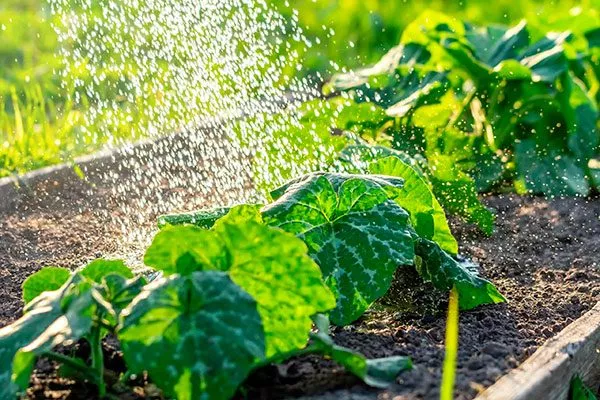
- WateringThe Muscat variety is considered moderately moisture-loving. Its plants do not respond well to excessive watering. Water the pumpkin plants at least once every 7-10 days.

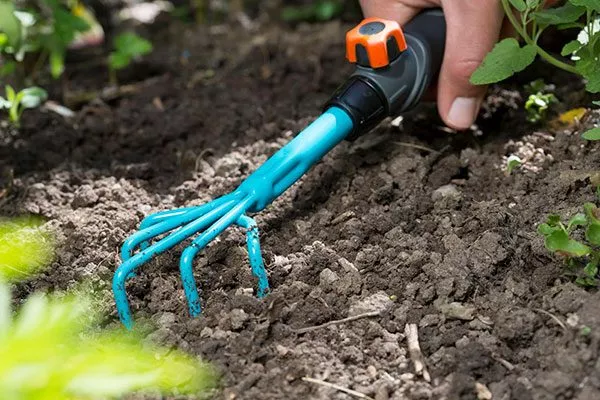
Stop watering 30 days before harvesting. Otherwise, the pulp will become watery. The shelf life of the harvest will also be affected (it will be more susceptible to rotting during long-term storage in the cellar). - Loosening and weedingCarry out these manipulations jointly. Perform them the day after watering or rain. Prevent the formation of a dense soil crust that impedes oxygen access to the crop roots. Control weeds, which harbor harmful insects that carry diseases.
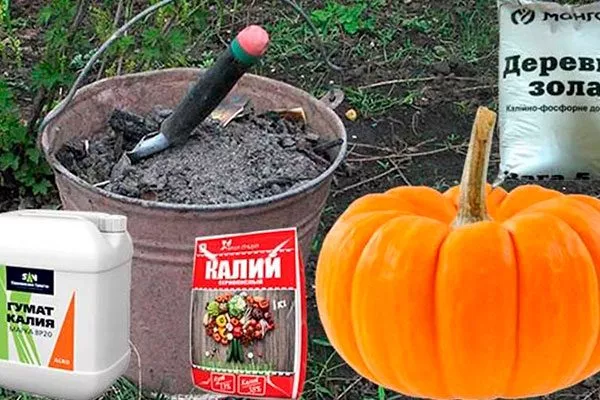
- Top dressingBegin fertilizing a few weeks after transplanting the pumpkin seedlings into the garden. Water the plants first with a cow manure solution. Then, use a green infusion every 14 days.
Once the buds begin to form, switch to mineral fertilizers. Feed the pumpkin with a solution of monopotassium phosphate (10 g per 10 liters of water). Do this twice, leaving 15-20 days between applications.
- FormationMuscat bushes require constant monitoring of their shoot growth. Train them into a single stem, removing all side shoots. Leave the central shoot with 2-4 ovaries. Pinch it out.
It's also acceptable to train the plants into three stems, leaving three ovaries on the main stem and one each on the two side stems. You'll also need to pinch the stems.
Harvesting and storage
Gardeners harvest Arabatskaya pumpkins in August-September. Delayed harvesting can result in frost damage. Remember that this plant is very heat-loving. Make sure to harvest all the fruit before the first frost.
To ensure that your Muscat pumpkins will keep well and look great, follow these harvesting guidelines:
- do not pick fruits by hand;
- carefully cut them from the vines with a knife or pruning shears;
- Harvest in dry, cloudless weather;
- When picking fruits from the bush, try not to scratch or damage their skin (damaging its integrity can lead to the penetration of infections into the pumpkin, causing the vegetable to quickly spoil);
- To maximize shelf life, remove unripe fruits from the garden (they can be ripened later).
After harvesting, store the harvested grapes in a cool, dark cellar. They keep best at a temperature of 12°C.
Pros and cons
The Arabatskaya pumpkin has become a favorite among domestic gardeners due to its many advantages, making this variety attractive for both private and industrial cultivation:
This vegetable variety is not without its drawbacks. Its taste depends on growing conditions and proper care. Insufficient sun, overwatering, or underwatering can result in insufficiently sweet and juicy flesh.
Reviews
The Arabatskaya pumpkin is a popular Crimean variety of nutmeg-type pumpkin. Domestic gardeners love it for its high yield, drought resistance, sweet flavor, rich vitamin content, and excellent shelf life. The red, pear-shaped fruits are easy to cut and peel. They contain a large amount of aromatic and juicy flesh.