
The Ananasnaya butternut squash variety has won the hearts of gardeners thanks to its excellent flavor and soft, richly juicy flesh. Its name comes from its unique aroma, which combines nutty notes with a subtle hint of tropical pineapple. Breeders have also succeeded in achieving increased disease resistance.
Description of fruits and plants
A team of specialists from the Sedek agricultural firm spent a great deal of effort developing this hybrid. Although it is not included in the State Register, it is in demand among buyers.
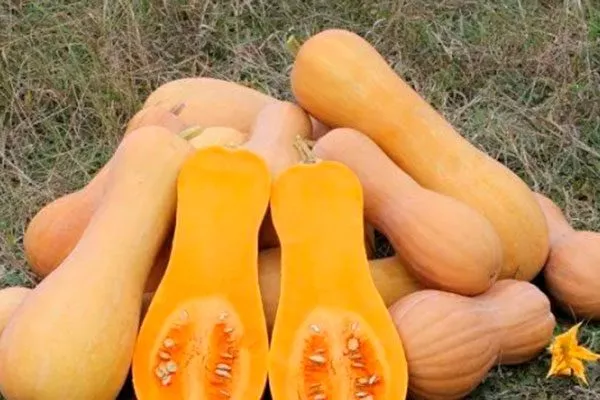
Belongs to the butternut squash family, also known as guitars in Russia. The pumpkin contains a lot of flesh, as the seed chamber occupies a small area at the base where the pumpkin swells slightly.
Pineapple pumpkin is a medium-sized plant with long, narrow leaves that produces up to five or six fruits at a time. However, there are other varietal characteristics:
- The bushes are medium-sized, with leaves sometimes reaching 300-400 cm in height. They have a classic green hue and a slightly rough surface. Due to the long leaves, the plant requires regular shaping and pinching.
- The roots are strong and well-developed. It is recommended to plant pineapple using seedlings.
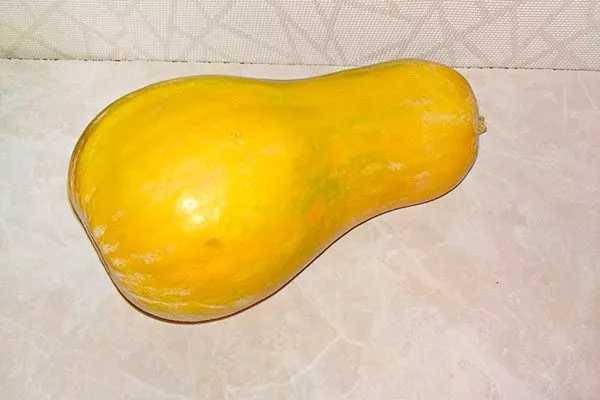
- Pumpkins are pear-shaped and come in shades of beige and cream. They typically weigh between 1.5 and 2.5 kg.
- The bark is not only thin but also dense enough to withstand mechanical stress. These fruits are suitable for long-term storage and transportation.
- The pulp has a dense structure and a bright yellow-orange color, occupying most of the fruit's volume.
- The surface is slightly ribbed and smooth. The fruit reaches 40 cm in length and 15 cm in diameter.
- The seed chamber is small and located in the lower, rounded part of the fruit. It contains a loose placenta containing small seeds covered in a thick, creamy shell.
- The plant has a vine-like structure.
- Its aroma additionally possesses nutmeg notes, which become even more intense with time.
- This vegetable fits perfectly into a variety of culinary recipes: it makes a great appetizer, a side dish for porridge, or the basis for a nutritious puree. It can be eaten raw or cooked – it can be stewed, boiled, dried, frozen, canned for winter, or used as a dessert.
Pineapple squash is recognized as one of the most delicious and healthy butternut squash vegetables, with a sugar content of up to 10%. It has a number of other nutritional properties and is widely used in dietary nutrition. Choosing this product helps normalize digestion, improve metabolism, eliminate toxins from the body, and strengthen the immune system.
- ✓ The sugar content in the fruits reaches 10%, which is one of the highest among nutmeg pumpkins.
- ✓ The fruits have the ability to be stored for a long time without losing their taste.
Key Features
In temperate climates and northern regions, successful cultivation requires the use of plastic structures or greenhouses. Hybrid pumpkins are demanding of soil composition and thrive in sandy, well-aerated, and fertile soil.
Key characteristics:
- Vegetables have excellent shelf life and are valued both in cooking and in cosmetology.
- This is a mid-season hybrid. From germination to harvest, the time from 101 to 125 days varies, depending on weather conditions: in dry and hot weather, the harvest is ready earlier, while in cool and humid conditions, the harvest is delayed.
- Pumpkins are usually harvested from July to September, and they ripen at the same time.
- The plant is highly productive – with proper care, up to 5 kg of produce can be harvested from 1 square meter.
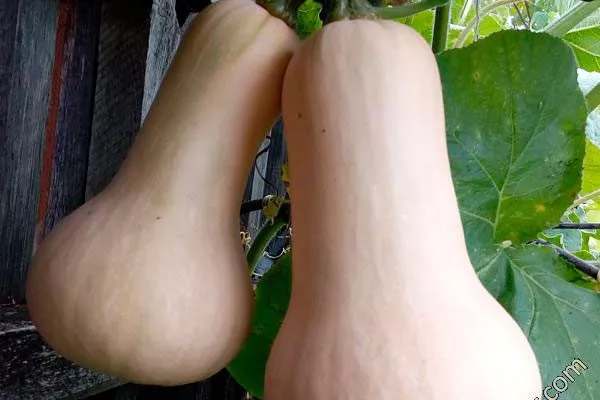
To achieve larger pumpkins, it's recommended to carefully train the bush. A month after the sprouts emerge, the stems will develop unisexual inflorescences. Fruit will develop only from the female flowers, so it's important to ensure each stem produces the largest ovaries.
Landing rules
Pumpkin is a plant that doesn't require complicated cultivation. There are two planting methods and several key agricultural recommendations for its care.
Planting by seeds
It's important to select high-quality seeds. They will ensure a high germination rate and have increased disease resistance. To enhance these characteristics, disinfection is recommended. One method is formalin treatment. This requires 600 g of warm water and 6 g of 40% formalin.
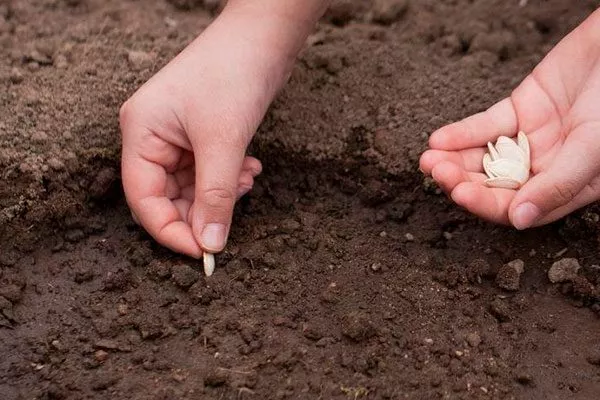
To simplify the process, place the seeds in a cloth and soak it in the solution for 5-6 minutes. Then remove it, leave it on the counter for 1-2 hours, then select the seeds and dry them thoroughly on both sides. This method is simple, takes little time, and is safe.
To plant both seeds and seedlings, it is necessary to prepare the beds and take into account a few nuances:
- It is best to plant the crop after legumes or potatoes to minimize the risk of disease infection.
- Dig over the soil, treating it with a solution of potassium permanganate, and before sowing, enrich it with a mixture of humus and wood waste. This approach promotes rapid growth and strengthens the plant's immunity.
- Plant no more than one plant per square meter. Pineapple has an extensive root system and requires space. Make sure the plantings aren't too dense to avoid reducing yield.
- Pineapple prefers open space and lots of light, so choose a wind-protected and fertile site for it.
- ✓ The optimal soil temperature for planting seeds should be at least 12°C.
- ✓ The distance between plants should be at least 1.5 m to ensure sufficient space for root growth.
Seedling method
To begin growing seedlings, you must not only carefully select and disinfect the seeds, but also allow them time to germinate. Next, prepare the soil and select a suitable container:
- For soil, it's best to use ready-made mixtures that don't require additional preparation. However, you can also prepare your own soil using manure, peat, humus, and river sand in a 4:1:1:1 ratio. This creates a nutritious and pumpkin-friendly mixture that should be treated with a potassium permanganate solution to kill bacteria.
- Seeds are planted in pots, wooden boxes or even cardboard boxes.
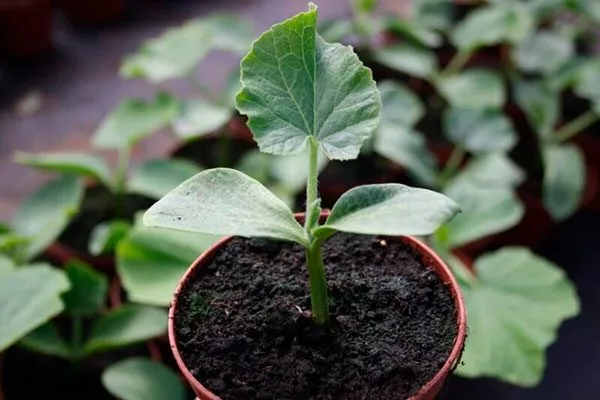
Place the seedlings in a warm, bright spot, such as a windowsill, and water them every 6-7 days. After two weeks, feed them with wood ash or liquid bird droppings. Repot the seedlings according to the standard method.
Further care
The key point in caring for the crop is regular and timely irrigation:
- It is carried out once every 5-7 days, while the water temperature should be at least 20 degrees.
- It is optimal to water plants in the morning or evening hours, when the sun's rays are no longer as intense, to prevent exposure to direct sunlight.
- One pineapple rosette will require approximately 1.5-2.5 liters of water.
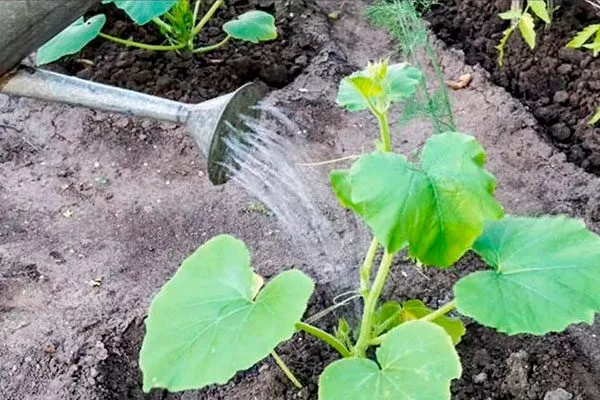
It is equally important to fertilize regularly:
- This variety prefers both mineral and complex fertilizers. The best products for accelerating growth are Zdraven or Magic Watering Can.
- Fertilizing is carried out every two weeks, alternating organic and mineral fertilizers.
Other events:
- Loosen the soil weekly to prevent a dense layer from forming that prevents oxygen from reaching the plant roots, which can lead to diseases;
- Form a bush, for which you need to follow a certain order of actions:
- when the height of the main branch reaches 140-150 cm, cut it off completely;
- when 1-2 buds appear on one branch, remove the lateral shoots to avoid the appearance of extra fruits;
- leave only lateral shoots, the length of which is about 50 cm.
Resistance to diseases and pests
Since Pineapple pumpkin is a hybrid, it exhibits good resistance to a wide range of diseases. However, if precautions are not taken and proper gardening practices are not followed, gardeners will face problems:
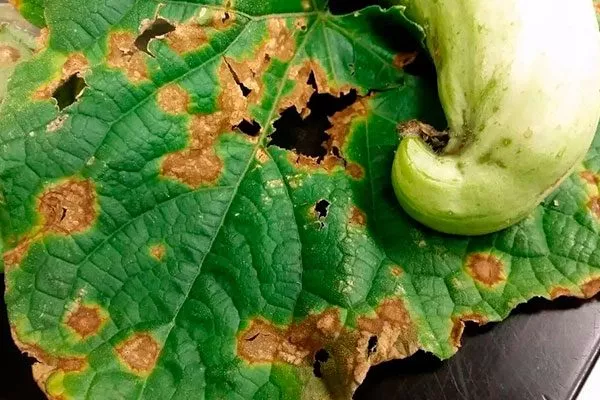
- Anthracnose is particularly dangerous, causing yellowish spots on leaves. Infected vegetables lose their nutritional value and flavor.
- The most destructive disease is bacteriosis, which causes the appearance of brown ulcers.
- The most common pests are whiteflies and aphids, which suck the juices out of plants, causing them to dry out.
Pros and cons
This pumpkin is distinguished by its unique flavor, reminiscent of the sweet notes of pineapple, hence its name. The fruit contains numerous beneficial micronutrients and macronutrients that not only nourish the body but also have therapeutic properties.
The benefits of this vegetable include:
Reviews
Pineapple pumpkin is sweet and tender, perfect for eating. This hybrid is easy to grow and produces significant yields. This is the first generation of a hybrid derived from butternut squash. The variety is distinguished by its resistance to transportation and long shelf life.