
The Amazon pumpkin attracts gardeners with its excellent taste and decorative qualities. The compact bushes don't take up much space in the garden. The small fruits make them easy to use in cooking. The crop is disease-resistant and adapts well to a variety of conditions. The vegetables have a long shelf life and retain their marketable appearance.
Description of the bush and fruits
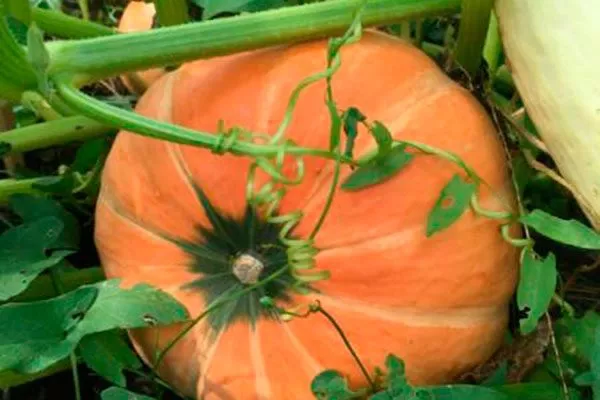
A subshrub plant with a main stem no more than 1 m in length. The leaves are medium-sized and a rich, dark green.
Distinguishing characteristics:
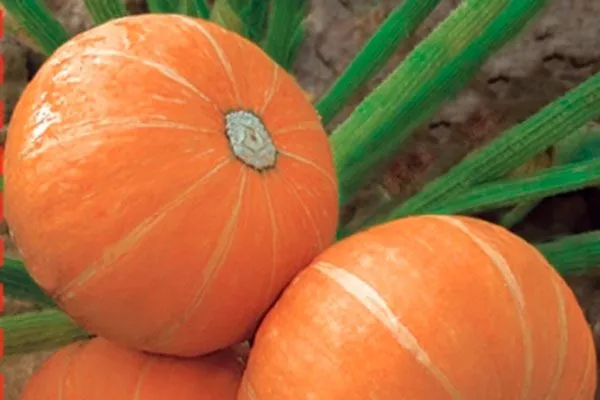
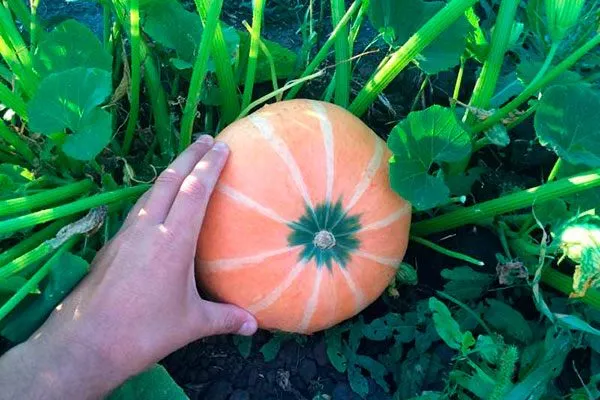
- The fruits are small, portioned, have a flat-round shape and weigh from 1 to 1.5 kg.
- The skin is orange, sometimes with longitudinal light stripes.
- Vegetables have a segmented structure.
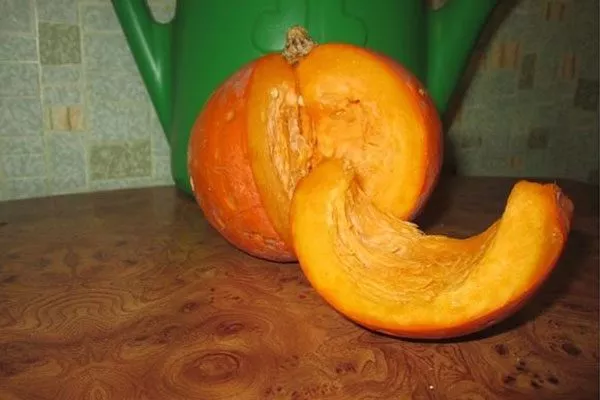
- The flesh is bright orange, medium juicy, dense, starchy and very sweet.
- The seed nest is large, containing small elliptical seeds of white color with a grayish tint.
Pumpkin is excellent for side dishes and salads, and pairs well with meat and fish dishes. It makes delicious crepes and pancakes, making a healthy dessert. It's also widely used in soups, especially when paired with smoked meats.
Main characteristics
Amazonka is a popular variety developed by Russian breeders I. N. Dubinina, S. V. Dubinin, and A. N. Lukyanenko. After successful testing in 2009, it was officially approved for cultivation.
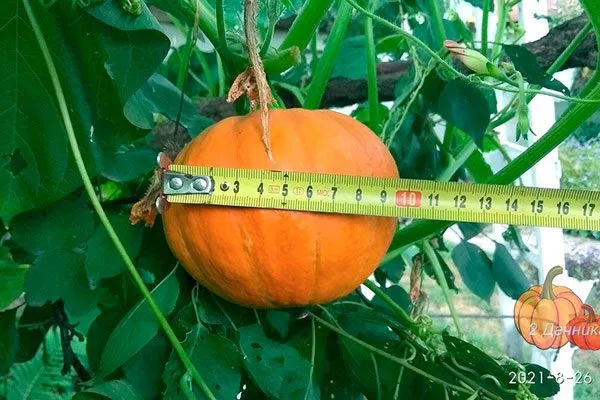
This mid-season variety produces fruit 80-100 days after germination, typically from August to September. With proper care, it's possible to obtain 363 to 683 centners of fruit per hectare. This variety is hardy and highly disease-resistant, but is susceptible to bacterial blight.
How to grow?
Pumpkin is an unpretentious melon crop, so its cultivation does not present any serious difficulties.
Amazonas are planted in two ways: with or without seedlings. It's important to carefully study the specifics of each method and understand the key aspects of plant care.
- ✓ The optimal soil temperature for planting seeds should be at least +10°C.
- ✓ The distance between plants when planting should be at least 2 m to ensure sufficient space for growth.
Planting by seeds
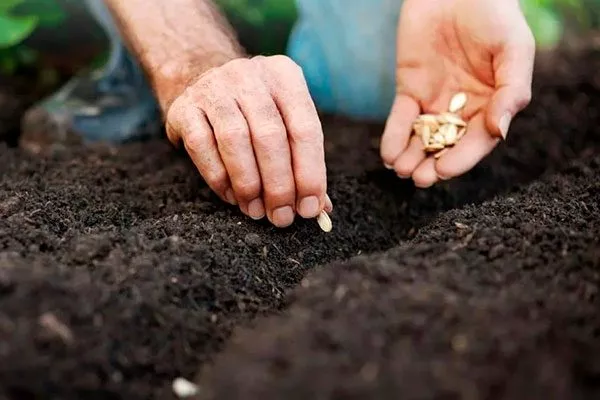
An ideal solution for growing in southern regions. Follow these recommendations:
- First, check the seeds for germination: immerse them in a salt solution, stir, and remove any empty seeds that float to the surface.
- For disinfection, use a mixture of wood ash (2 tablespoons per 1 liter of water). This will kill harmful microorganisms and strengthen the plants' immune system.
- Harden the seeds by keeping them at 1°C for two days. Then place them in a damp cloth and leave them in a warm place. After two days, add a growth stimulant, such as succinic acid, which accelerates germination and increases viability by 10%.
Planting with seedlings
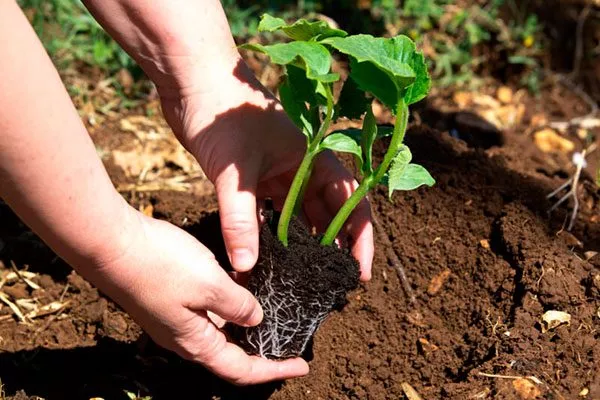
To ensure high-quality and strong seedlings, prepare nutritious soil. You can make your own mixture by combining garden soil, peat moss, and compost. Disinfect the soil with a potassium permanganate solution. Even store-bought soil can contain pest larvae and debris, so treatment is essential.
Important rules:
- Sow seeds in dry, clean containers: wooden boxes, peat pots, plastic cups or special cassettes.
- The optimal distance between seedlings is at least 5 cm.
- Keep the seedlings in a warm, bright place, moistening them moderately every 5-7 days. After two weeks, fertilize them with liquid organic matter, and after 10 days, apply the first mineral fertilizer.
Plant the seedlings in the morning hours of a cool day. Before planting, prepare the beds: remove debris, dig the soil, and add peat and sawdust. Amazonia prefers loamy and sandy loam soils.
Care
Use rainwater or settled water for watering, as cold water increases the risk of disease. Water the beds every 10 days, preferably in the morning or evening, to avoid sunburn. To strengthen the plants, periodically add ash or nettle infusion to the water.
Perform other agricultural practices:
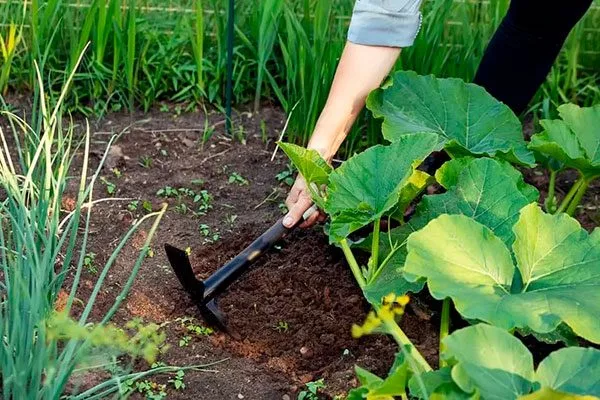
- Regular weeding is an important part of garden care. Remove weeds, as they compete with the crop for nutrients.
- Every 10 days, loosen the beds to improve air exchange in the soil and oxygen access to the roots.
- Amazonia requires a balanced fertilizer, combining mineral and organic fertilizers. For organic matter, use ash, nettle, garlic, and onion—these infusions not only nourish the plants but also protect them from disease.
Pay special attention to nitrogen fertilizers. A solution of superphosphate, potassium salt, and ammonium nitrate is effective. Apply two applications per season, strictly observing the dosage. You can also use mineral complexes, such as Uniflor, Juno, and Ogorodnaya Mix.
Features of cultivation and possible difficulties
Over-fertilizing with mineral and nitrogen fertilizers can lead to problems: the bush will actively grow shoots, but the fruits will remain small. Follow these guidelines:
- Apply organic fertilizers after the first two leaves appear, and mineral fertilizers during fruit set. Avoid using organic fertilizers once flowering begins. Before fruiting, fertilize with phosphorus-potassium solutions.
- Monitor the soil's acidity, as excess acidity negatively impacts the taste and quality of vegetables. To reduce this, use ash or a yeast solution—watering with these is considered particularly effective.
Growing tips from experienced gardeners
To ensure a bountiful harvest, follow a few rules. They help protect plants from disease and improve the taste of vegetables.
Helpful tips:
- Do not grow pumpkins in areas where cucumbers, zucchini, and squash were previously grown.
- The optimal planting pattern is 2x2 m for maximum yield.
- Pour water not at the root, but into a circular groove around the bush.
- Overwatering can cause vegetables to crack.
- Apply fertilizers according to the dosages indicated in the instructions.
- To increase productivity, apply lime, which reduces soil acidity and makes it more nutritious.
- Many vegetable growers recommend drip irrigation – it evenly moistens the soil, saves water, improves photosynthesis, and delivers moisture directly to the roots. This system can be used at all stages of growth.
Diseases and pests
Amazonia can be affected by bacterial wilt: the fruits soften and rot, spots appear on the leaves, and then the bush dies. To prevent this, spray with a soap solution (100 g of grated laundry soap per 5 liters of water) – this creates a protective film on the leaves. To treat the planting beds, treat them with a copper sulfate mixture.
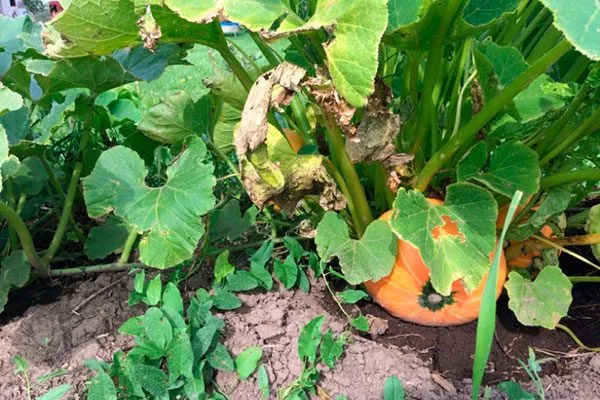
Another common disease is yellow mosaic. It appears as a bright yellow pattern on the leaves, causing vegetable deformities and a deterioration in their marketability. To prevent this, use Farmayod 3 and promptly remove weeds and plant debris from the area.
The most dangerous pests are slugs and whiteflies, which attack in high humidity and improper care. Wood ash is an effective pest control agent – use it either dry or in a spray solution.
Collection and storage
Harvest the pumpkins when the stems harden, the leaves dry and turn yellow, and the pumpkins themselves become brightly colored and have a firm skin. Dry weather is recommended.
Cut the vegetables with the stems attached—this will help them last longer. If the weather is warm and dry, leave the harvested pumpkins in the garden for a couple of days to dry. Store them in a dark place at a temperature of 5 to 15°C, such as a basement or pantry.
Pros and cons
To avoid potential difficulties during cultivation, it's important to carefully study the characteristics of the variety. Amazon has many advantages:
Among the variety's shortcomings, gardeners note sensitivity to soil acidity, possible pest attacks, and the risk of disease infection if improper agricultural practices are used.
Reviews
The Amazon pumpkin is an excellent choice for those looking for a high-quality, easy-to-grow variety. It will delight you with its consistent fruiting, good disease resistance, and excellent shelf life. With proper care, it will yield delicious, high-quality vegetables. You can enjoy healthy dishes all winter long.