
Growing beets in a greenhouse allows you to get the earliest harvests of this vitamin-rich vegetable. Let's learn the best way to plant beets indoors and how to care for them to ensure delicious root vegetables.
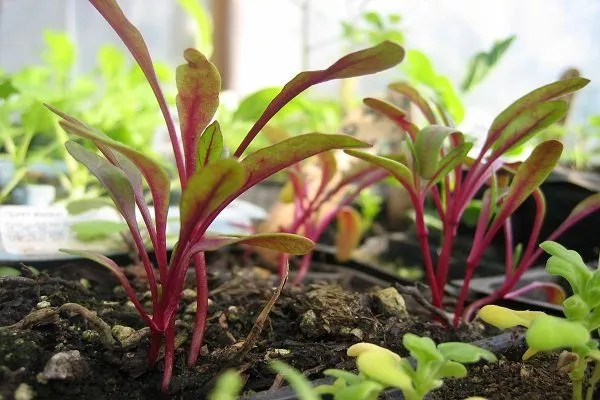
Greenhouse varieties of beets
| Name | Root shape | Root color | Resistance to flowering |
|---|---|---|---|
| Cylinder | Elongated, cylindrical | Dark burgundy | No |
| Ataman | Cylindrical | Dark red | Yes |
| Single-sprout | Round and flat-round | Dark purple | No data |
| Red ball | Rounded | Red | Yes |
| Pablo F1 | Rounded | Dark red | Yes |
| Cold-resistant 19 | Flat-rounded | Dark red | No data |
- ✓ Resistance to temperature changes: especially important for regions with unstable climates.
- ✓ Light requirements: Some varieties require more light than a greenhouse can provide during the winter.
There are beet varieties specifically designed for greenhouse cultivation. They are also suitable for open-ground cultivation, but only in regions with warm climates.
Varieties suitable for growing in a greenhouse:
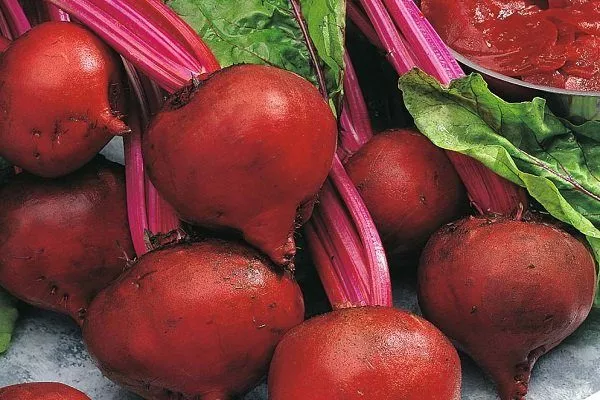
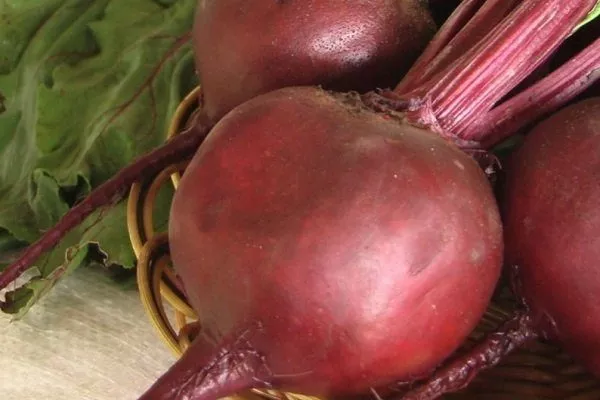
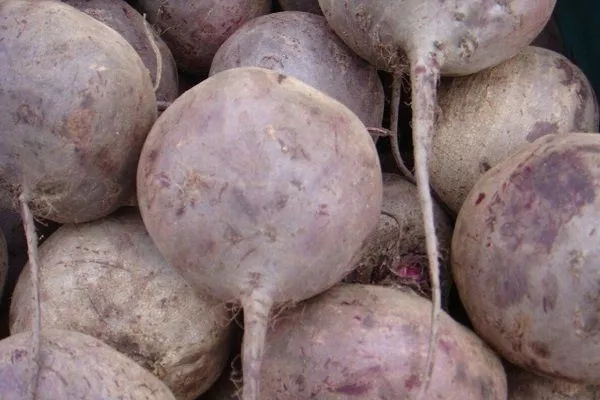
- Cylinder. The fruits are elongated and cylindrical. The roots are 8-10 cm thick and dark burgundy in color. Length: 15-18 cm. Weight: 300-600 g. This variety is very heat-loving; seedlings die at +4°C. It does not tolerate shade well. Cylinder gives a yield of 10 kg per 1 sq. m.

- Ataman. The roots are cylindrical. Color: dark red. Weight: 280-300 g. Yield: 10 kg per square meter. The variety is not prone to flowering.
- Single-sprout. A variety with round and flat-round roots. Color: dark purple. Weight: 300 g. Yield: 4 kg per square meter.
- Red ball. An early-ripening variety with rounded roots. Red in color. Resistant to leaf-sprouting. Up to 6 kg of roots are harvested per square meter. It has excellent shelf life and marketability.
- Pablo F1. An early-ripening variety with rounded roots. Weight: 110-180 g. Diameter: 10-15 cm. Pablo It has good shelf life. Up to 7 kg can be harvested from 1 square meter.
- Cold-resistant 19. A Belarusian variety. The roots are flat-round and dark red. They are 6-8 cm long, 10-12 cm in diameter, and weigh 150-200 g. They yield 3-4 kg per square meter.
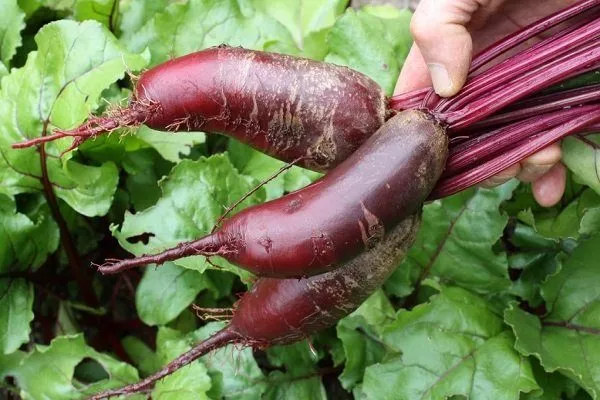
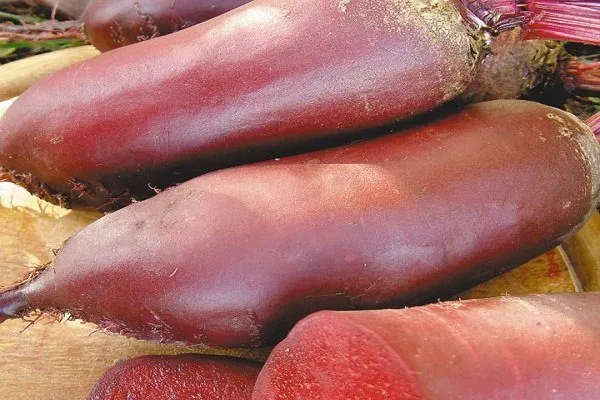
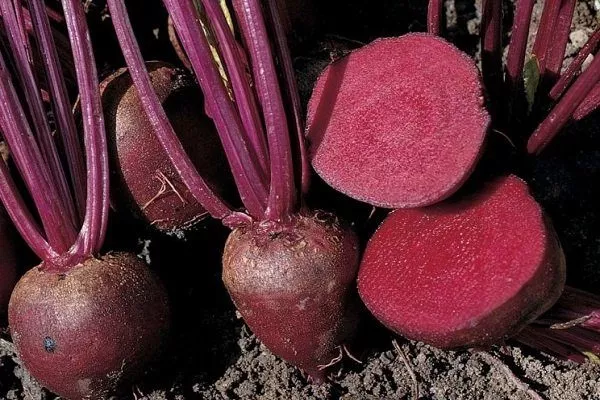
Greenhouse varieties can also be grown in regions with harsh climates if planted in the summer.
Seedling
By growing beets from seedlings, you can advance the harvest by 2-3 weeks. Seedlings are usually grown indoors and sown so that they will mature by the time favorable conditions for growth and development are created in the greenhouse.
There is a 3-4 week period between sowing seeds and planting seedlings in the greenhouse.
Seed preparation
Beet seeds are ball-shaped fruits that are difficult to prepare for planting. Commercially available pelleted seeds are completely ready for planting—they can be sown without soaking or other treatment, simply by moistening the substrate.
Many gardeners, wanting to promote seed germination, treat their seeds before sowing. However, this is only done on seeds that they've collected themselves or that haven't been treated.
Stages of seed preparation:
- Sorting. Place the seeds in salted water. Discard any that float to the surface.
- Calibration. Remove any specimens that are different from the normal size to ensure uniform germination.
- Disinfection. Soak the seeds in a fungicide solution. Suitable options include Fitosporin, Vitaros, and others.
- Soak. Place the seedlings in a canvas bag and soak them in cool water for 24 hours. Then soak them in warm water (35°C) for another 24 hours. This treatment accelerates germination.
Features of beet sowing
Beetroot seedlings require moisture, prefer fresh air—but avoid drafts—and don't tolerate heat. The optimal temperature for their development is 16°C.
- ✓ Soil temperature should be at least +10°C for optimal germination.
- ✓ Air humidity in the greenhouse should be maintained at 70-80%.
Seedlings can be sown in any container—plastic or wooden, individual or shared. In the latter case, transplanting will be necessary when cotyledon leaves emerge. The best options are cups designed for one seedling or peat pots.
How to sow seeds for seedlings:
- Prepare the soil. The best option is to buy a universal substrate. Add wood ash to it – a cup per bucket of soil.
- Fill the seedling containers with soil. Firm it well and water with warm, settled water. Spray the substrate with Fitosporin or another fungicide to disinfect it.
- Sow seeds 1-2 cm deep. If planting in individual cups, place one seed in the center. In larger containers, arrange seeds in rows 2-3 cm apart.
- Sprinkle the seeds with soil and compact them with a board. Cover the seeds with plastic wrap or glass and place them in a warm place.
Growing seedlings
To grow strong and healthy beet seedlings, it is necessary to provide them with appropriate care.
Optimal conditions for growing seedlings:
- Humidity. Beet seedlings respond equally poorly to both over-dried soil and stagnant water. It's important to maintain a balance when watering, avoiding both over-drying and over-watering. Water regularly, but in small amounts. Discard any water that collects in the tray after watering. If the air is particularly dry, mist the seedlings with room-temperature water.
- Illumination. The best location is a south-facing window. In regions with late spring, supplemental lighting for up to 12 hours of daylight is necessary.
- Temperature. Before germination, the temperature is maintained at +18…+20°C, and after germination, the transparent cover is removed, lowering the temperature to +16°C.
- Top dressing. When using commercially available substrate, additional fertilizers are not required. If seedlings are grown in homemade soil, additional fertilizer may be necessary. Use complex mineral-based fertilizers with a high nitrogen content.
- Hardening. A week before planting, take the seedlings outside daily, gradually increasing the time spent outside from 20 minutes to several hours. Nighttime hardening by lowering the temperature by a few degrees is also recommended.
If seedlings were grown in a shared container, they need to be pricked out. This prevents them from becoming overcrowded and lacking light.
Features of picking beet seedlings:
- At the cotyledon leaf stage, the seedlings are transplanted into separate containers.
- The soil in the new containers should be of the same composition as in the main container.
- The seedlings are planted a little deeper than in the old container.
- It's recommended to trim the roots slightly. Pinching allows for larger root crops in the future.
Preparing the land
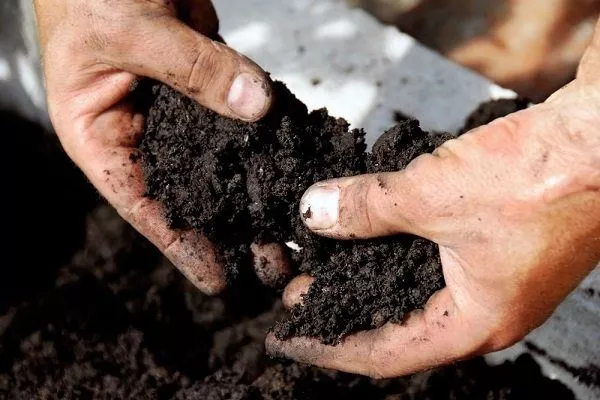
Beets grow best in sandy loam and loamy soils. Soil quality affects not only the size of the roots but also their flavor. Waterlogged soils will produce tasteless beets, with roots that have a watery, unpleasant taste. Sandy soils produce a similar effect.
- ✓ Soil pH should be in the range of 6.0-7.0 for optimal beet growth.
- ✓ The presence of drainage in the soil prevents water stagnation and root rot.
Soil preparation:
- Compound. Beets, like most crops, require loose, light, non-acidic soil. Greenhouse soil is made from:
- garden soil – 1 part;
- peat – 3 parts;
- humus - 1 part;
- sand – 1 part.
- Disinfection. Before use, the soil is disinfected using any of the existing methods:
- calcination;
- chemical agents;
- freezing.
- Fertilizers. Loosen the prepared mixture and spread it over the beds. Add ash—one cup per square meter—and a complex mineral fertilizer (dosage according to the instructions).
- Acidity adjustment. Beets grow poorly in acidic or slightly acidic soils. To neutralize acidity, add limestone or sand during fall tillage at a rate of 0.5-1 kg per square meter.
When growing beets in a greenhouse, as well as in open ground, it is necessary to follow crop rotation rules.
Desirable predecessors:
- onion;
- cabbage;
- tomatoes;
- cucumbers.
It is forbidden to plant beets after rutabagas, turnips or celery.
Timing and methods of planting
In a greenhouse, beets are grown using seedlings or by direct sowing into the ground. The first option allows for an earlier harvest, while the second eliminates the need for seedling cultivation.
Beets are planted in the greenhouse around the second half of April. When planting, the air and soil temperature are used more as a guide than the calendar date.
Methods of planting beets:
- Seeds. Space rows 25-30 cm apart. Seeds are laid out in furrows or using a template. The distance between adjacent seeds is 3-4 cm. The seeding depth is 2-3 cm. The crops are mulched with peat or humus.
- Seedlings. When the seedlings reach 8 cm in height, they are planted in rows, maintaining intervals of 15-20 cm. Between rows, spaces of 30 cm are left.
Caring for beets in a greenhouse
Beets are a strong and resilient crop, capable of growing under adverse conditions. But the gardener's goal is to produce a good harvest. And it's not just about quantity, but also the quality of the roots. The taste of beets will depend largely on their care—fertilizing, watering, etc.
Watering and fertilizing beets
Beets are being watered, depending on the soil condition. Just as when growing seedlings, it's important to maintain a balance between overwatering and overdrying the soil.
Principles of watering beets:
- After planting, seedlings are watered every 2-3 days. There is no exact watering schedule. It's important to monitor the soil—it should be moist throughout the root zone.
- As the plants mature, the frequency of watering decreases. Beets are watered approximately once a week.
- The average watering rate for adult plants is 10-15 liters per 1 sq. m.
- It is useful to water the plantings with a weak solution of potassium permanganate.
If the soil is properly prepared and fertilized, beets don't need any additional fertilizer. Perhaps, mid-season, add wood ash to the soil at a rate of 100-150 g per square meter.
Thinning
Beet seeds are multi-fruited, producing several shoots at once. Therefore, thinning after sowing is unavoidable.
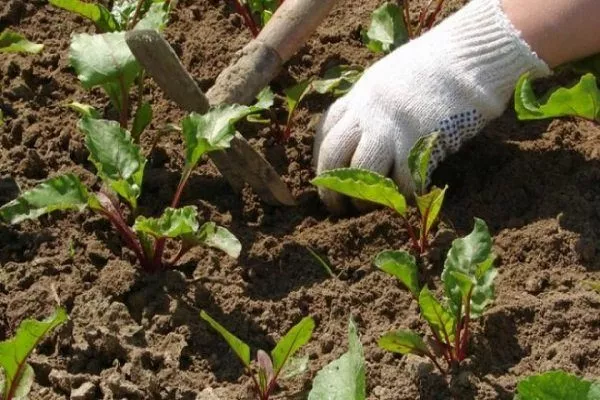
Excess seedlings should be removed immediately after the first leaves appear. Space adjacent plants approximately 8 cm apart if growing a dessert variety, and 10-12 cm apart if larger root vegetables are desired.
If you remove excess seedlings with a small spoon rather than uproot them, they can be replanted. However, this must be done immediately to ensure the seedlings have a very high chance of taking root.
Diseases and pests
Beets have a fairly high immunity. Moreover, some varieties are particularly resistant to certain diseases.
Under unfavorable circumstances and without preventative measures, beets can be affected by the following diseases:
- Root eater. Caused by overwatering, it usually appears early in the growing season. Plants turn yellow and die. Disease prevention:
- application of boron fertilizers;
- liming;
- seed treatment.
- Fomoz. Brown spots, followed by black dots, appear on the lower leaves. Treatment:
- application of borax under the root – 3 g per 1 sq. m;
- spraying with a solution of boric acid (5 g per 10 l of water).
- Cercospora leaf spot. Light spots with a red border appear on the leaves. The leaves then dry out, and the roots rot. Treatment consists of fungicide treatment. Seeds are treated with Agat-25 before sowing. Potassium fertilizers are also recommended.
- Fusarium rot. Affects damaged plants. Cracks appear on the roots, and the lower leaves wilt. Preventative spraying with boron is necessary.
Most often, beets are affected by the following pests:
- scoops;
- shield beetles;
- aphid;
- fleas;
- common and leaf-mining flies.
It is better to treat plantings using traditional methods, using insecticides only in the most extreme situations.
Methods of insect control:
- An infusion of onion peels or wormwood helps against aphids. Add 1 kg of finely chopped dry onion peels to a bucket of water. Boil for 15 minutes. Let steep for 3 hours and strain.
- Aphids and shield bugs are repelled by branches of wormwood placed between the rows.
- Flea beetles can be driven away by dusting with ash or tobacco dust. Spraying with an ash infusion also helps. Prepare it by dissolving 1.5 tablespoons in a bucket of water. Let the ash steep for 24 hours.
- Bacterial preparations or insecticides, such as Aktara, Karbofos, and Iskra, are used against flies, scale insects, and other pests.
Growing beets in a greenhouse in winter
To grow vegetables year-round, greenhouses are heated. This allows for harvesting year-round. However, the cost of production is significantly higher due to heating costs, so this method is usually used for growing vegetables for commercial purposes.
Greenhouse requirements
In a year-round greenhouse, plants should be equally comfortable at any time, including winter.
Requirements for a winter greenhouse:
- the ability to provide the required temperature and humidity;
- lots of sunlight and artificial lighting;
- solid foundation;
- the optimal design is with a pitched roof;
- the presence of a vestibule and double doors;
- possibility of ventilation;
- a heating source – for example, an electric boiler or a wood stove;
- On both sides there are heating pipes.
It is recommended to deepen the greenhouse to reduce heating costs.
The most popular greenhouse construction option is a welded frame. The following materials are used for the covering:
- industrial tempered glass;
- polyethylene film;
- cellular polycarbonate.
Preparing seedlings
There are two ways to grow seedlings for winter cultivation in a greenhouse:
- At home. This option allows you to save on heating.
- In the greenhouse. This option is typically used when large numbers of seedlings are needed. It is recommended to grow seedlings in a separate greenhouse, as the conditions for seed germination differ from those for adult plants. During the germination stage, lower temperatures and higher humidity are required.
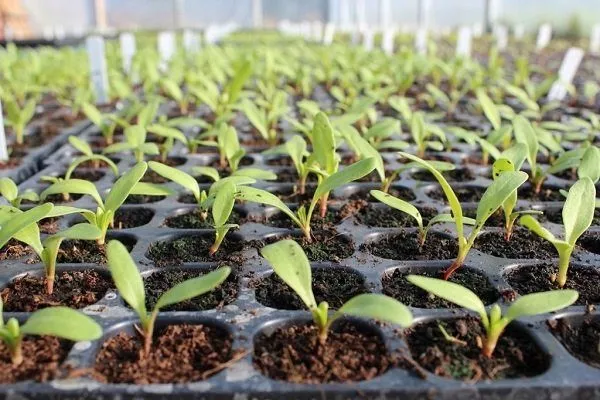
The cultivation techniques for winter seedlings are the same as for spring and summer. Soil preparation follows the same plan as for planting in unheated greenhouses.
Care Features
Growing vegetables in a greenhouse during the winter requires careful attention to growing conditions and careful maintenance.
Greenhouse conditions in winter:
- The average daily temperature is maintained at a level between +18 and +22°C.
- When there is severe frost outside, ventilation is cancelled.
- When the outside temperature rises, the greenhouse is ventilated twice a day.
- Water the plantings 1-2 times a week, as the soil dries out.
- The water temperature should be the same as the air temperature in the greenhouse.
Beet yield when grown in greenhouse conditions
Greenhouses primarily grow early-ripening varieties. The yield of early beets grown in greenhouses depends on the variety and growing conditions. It can range from 1.8 to 8.2 kg per square meter.
Ways to increase yield:
- Use suitable soils. Avoid podzolic and sandy soils.
- Maintain proper watering. Avoid overwatering.
- Fertilization. Do not add manure to greenhouses. Fertilize the soil with humus and superphosphate.
- Good seeds are selected by calibration, sorting and soaking.
Growing beets in a greenhouse isn't a priority—the crop grows just as well outdoors. However, if a gardener hopes to get an early harvest, greenhouse conditions are essential.