
The Vodan beetroot is an excellent choice for those seeking a consistent, high-quality harvest with minimal effort. Thanks to its strong immune system and ease of care, this hybrid will delight you with high-quality, delicious vegetables that have excellent shelf life and are suitable for long-distance transportation. Timely care is key.
History of origin
Developed by Bejo Zaden, a large agricultural holding company, one of the oldest in Europe, it emerged in the early 2000s, when advances in plant breeding were rapidly creating new vegetable varieties.
Introduction to the variety
Choosing between an early-ripening beetroot and one that stores well can be difficult. The Vodan hybrid combines both qualities. This description of the variety will help you better understand its characteristics and growing requirements.
Distinctive features of tops and fruits
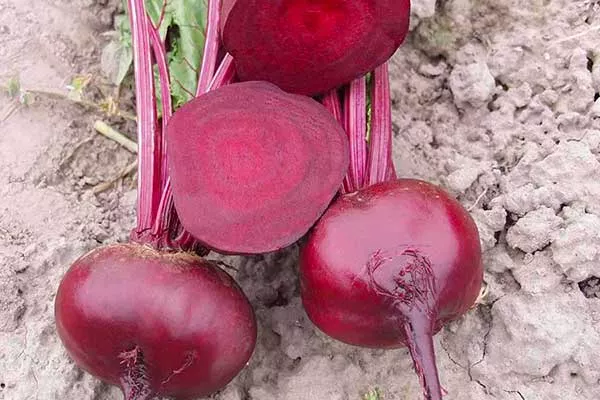
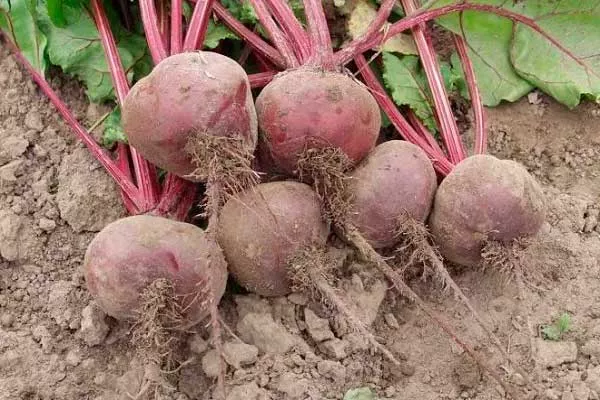
This early-ripening variety has a number of distinctive features. The plant has a robust rosette of dark green leaves. The roots are ringless.
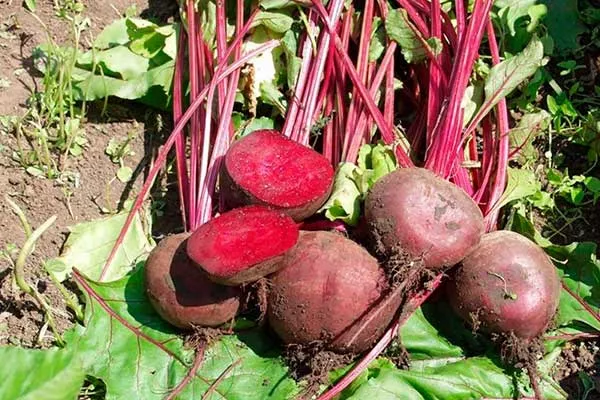
- ✓ The absence of rings in root crops, which is a unique characteristic of the variety.
- ✓ Dark purple skin and red, juicy flesh that distinguishes Wodan from other varieties.
This variety is suitable for outdoor cultivation, provided the seeds and soil are properly prepared. It has proven itself as one of the most productive hybrids, attracting vegetable growers with its positive qualities. Key characteristics of this vegetable:
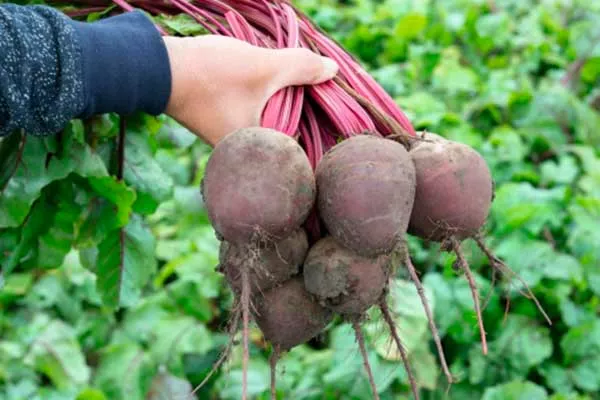
- shape – round;
- weight – varies from 280 to 420 g;
- the peel is thin, dark purple;
- the pulp is red and juicy.
Beets contain up to 15.2% dry matter and 11.9% sugar.
Taste qualities, purpose
The culture received high praise from tasters, who noted its rich and very juicy taste.
It's ideal for fresh consumption and for a variety of dishes and salads. Thanks to its excellent shelf life, beets retain their flavor even during long-term storage.
Maturation
Vegetables reach full maturity in 80 days. They grow large and juicy. With proper care and proper agricultural practices, this timeframe can be significantly reduced.
Productivity
The average yield of the hybrid is 280-480 centners per hectare. This makes the variety popular among large agricultural enterprises.
Suitable climate and region
Plant Vodan beets in warm, sunny weather, when the soil is warm and the risk of frost is minimal. Failure to observe these conditions may result in seedling failure and reduced productivity.
The hybrid is resistant to cold and drought, allowing it to be grown in a variety of climates. It is included in the State Register for cultivation in the West Siberian, Northwestern, Far Eastern, North Caucasian, and Central regions of Russia.
How to plant beets?
Both novice and experienced gardeners can grow this crop. The variety's low maintenance and tolerance to adverse conditions make the process accessible and easy.
Landing time
Plant seeds in open ground when temperatures reach a stable temperature of 12-15°C. Sowing times vary by region and typically range from mid-April to the end of the first ten days of May.
Choosing a location
Choose sunny, south-facing slopes for planting, as shade slows leaf growth and root development. Good precursor crops include nightshades, grains, legumes, squash, and zucchini.
- ✓ The soil acidity level must be strictly within 6-7 pH, otherwise the root crops may not develop properly.
- ✓ The soil must be well-drained to avoid water stagnation and root rot.
What should the soil be like?
The hybrid demonstrates high productivity in neutral loams and sandy loams, enriched with organic matter. To develop round roots, it requires dense soil with an optimal pH of 6-7.
How to prepare the beds?
The yield depends on proper organization of the process. In the fall, tend to the plot:
- Dig over, remove stones and plant debris.
- After two weeks, dig it up again.
- In spring, loosen and level the soil.
- In small gardens, cultivate the soil to a depth of 30 cm.
Apply fresh manure to the preceding crops at least 2 years before planting beets, as organic matter can stimulate the growth of green mass, but worsen the taste of the vegetables.
Planting by seeds
There's no need to pre-soak the planting material, as it's already been treated with fungicides to prevent diseases and protect against pests. For a bountiful, high-quality harvest, follow these instructions:
- Make furrows 2-3 cm deep, leaving a distance of about 50 cm between rows to ensure access of light to the sprouts.
- Place the seeds every 10 cm in the holes you have made, water with warm, settled water, sprinkle with soil and moisten again.
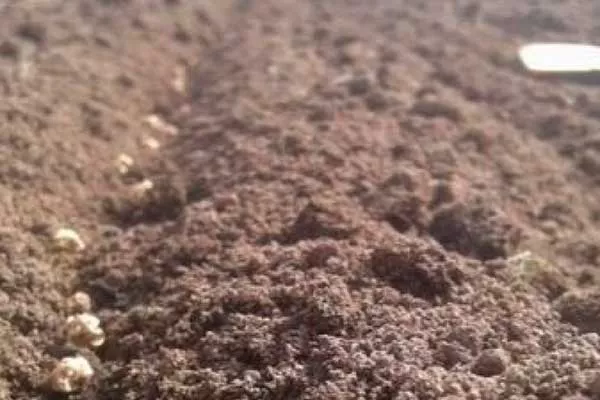
During the first 2-4 weeks, cover the beds with film to retain moisture and protect from adverse weather conditions.
Seedling method
For an early beet harvest, it's recommended to use seedlings. Here's a step-by-step guide:
- Fill small cups or cassettes (at least 10 cm in diameter) with vegetable soil.
- To disinfect, pour boiling water or a strong solution of potassium permanganate over the soil, then, after it has cooled, make holes 2-3 cm deep.
- Plant seeds in the furrows.
- Place the containers in the sunniest spot in the house.
- In about 7-10 days (at room temperature) the first shoots will appear.
- Remove excess sprouts, leaving only the strongest ones.
- Water seedlings as needed when the soil becomes dry.
- When transplanting to the garden beds, move the plants along with the soil clods to avoid damaging the root system. Water the seedlings thoroughly and cover them with soil.
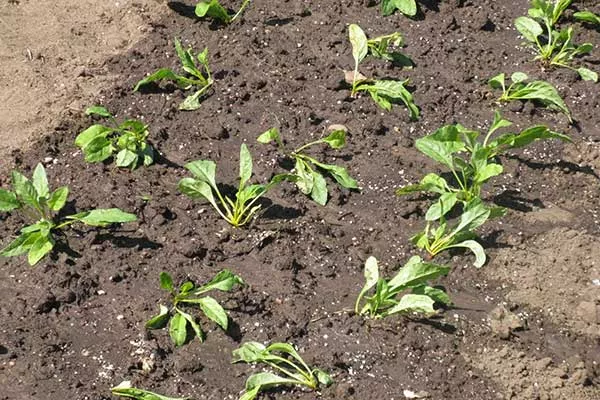
To help seedlings adapt to new conditions, cover them with agrospan. This material protects the sprouts from strong sun and wind while retaining essential moisture.
Caring for beets
Proper crop care is critical to achieving high yields and quality root crops. Standard agronomic practices promote optimal plant growth and development.
Watering
Water the seedlings once a week, then loosen the soil and remove weeds—weeds attract pests and cause water and micronutrient deficiencies, which negatively impact plant growth. Do this promptly to avoid potential problems.
Top dressing
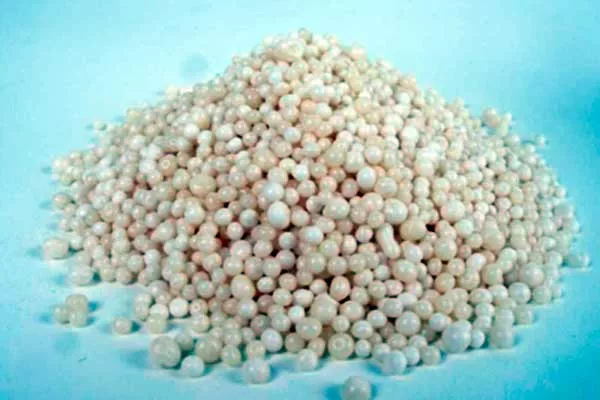
Apply mineral fertilizers to the soil in the spring. Add 15 g of ammonium nitrate, 30 g of superphosphate, and 10 g of potassium chloride per square meter, adjusting the dose depending on soil conditions. In poor areas, additional fertilizing is required after thinning.
Other care measures
To prevent young plants from interfering with each other, the multi-stemmed hybrid requires thinning. This process occurs in three stages:
- when the first true leaf appears;
- after the formation of 4-5 leaves;
- in 25-30 days.
Mulching beds with last year's hay or mown grass effectively reduces moisture evaporation and suppresses weed growth, and as the bottom layer decomposes, additional nutrients are released into the soil.
Harvesting
Harvest vegetables in dry weather when they reach biological maturity. Stop watering one month before the end of the growing season. Dig up beets with a pitchfork or carefully pull them out by the tops.
Storage
After harvesting, leave the crop in the sun with the leaves. When the tops begin to move, trim them off, leaving a 1-cm petiole. Store the heads in a dark, well-ventilated place at a temperature of 3-4°C and humidity up to 90%.
Features of cultivation and possible difficulties
Although caring for this hybrid is fairly simple, there are several factors that can hinder the active growth and development of root vegetables. Here are a few:
- Lack of sunlight, which can be caused by shading the beds or placing seedlings indoors.
- Soil with high acidity, in which horsetail, horse sorrel, plantain, mint and couch grass grow well.
Excess moisture leads to plant rot. This can be caused by overwatering, placing the bed in a low-lying area, or planting for too long.
Control of diseases and pests
The hybrid boasts genetic resistance to most diseases, making it significantly easier to care for. It is resistant to cercospora leaf spot, downy mildew, and powdery mildew, eliminating the need for time-consuming treatment.
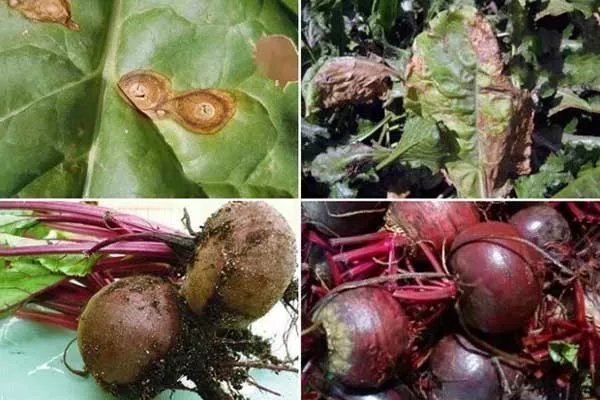
However, in lowlands and on heavy clay soils, beets can be susceptible to attack by the rootworm, which attacks young seedlings, causing rot of the stem, cotyledons, and root system. Yield losses can range from 10 to 30%.
To prevent the spread of infections, follow these recommendations:
- Choose your planting site carefully and follow crop rotation rules.
- Fight the dried crust by loosening the space between the rows.
- Apply microelements, including boron, and phosphorus-potassium fertilizers in a timely manner.
On hot days, the tops can be attacked by aphids and beet flea beetles. Weevils are also a danger, as the adults feed on the foliage and the larvae damage the roots.
To combat pests, use folk remedies: iodine or ammonia solution, garlic infusion, and onion peel infusion. In case of widespread infestation, use insecticides such as Aktara, Kinmiks, and Actellic.
Positive and negative qualities
Before planting an unfamiliar crop, carefully study its advantages and disadvantages. Beetroot has many advantages:
Among the disadvantages, some vegetable growers note the fact that the plant has many sprouts, the need for certain soil properties and good lighting, and the need to follow crop rotation rules.
Reviews
The Vodan beetroot is one of the most attractive and productive hybrids on the market, earning recognition from both professional agronomists and amateur gardeners. It boasts high yields, excellent flavor, and resistance to common diseases. Proper care is essential.