
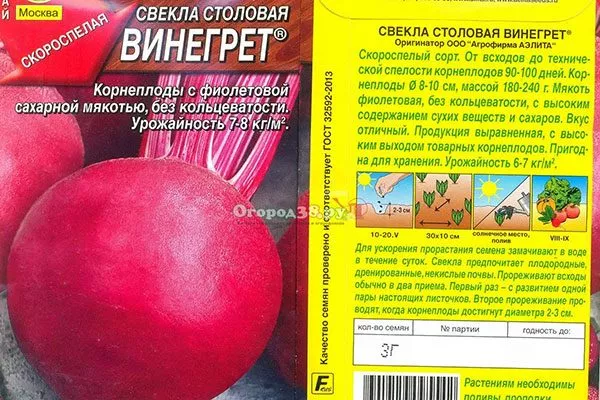
Beetroot Vinaigrette is a table variety created by a team of breeders: V. G. Kachainik, M. N. Gulkina, and N. V. Nastenko. Its use was approved in 2015. This variety is distinguished by its increased productivity.
Introduction to the variety
This variety is resistant to unwanted flowering (stemming), allowing it to adapt to a variety of weather conditions. Vinegret beet ripens early and is ready for harvesting approximately 90-100 days after planting.
Other characteristics:
- This variety is suitable for boiling, frying, canning and eating raw.
- Vinaigrette beets produce a high yield, averaging 6-7 kg per square meter.
- The marketability of beets varies from 77 to 95%, depending on growing conditions.
- Vinaigrette is cultivated in the Central and Volga-Vyatka regions.
Features of the plant and taste
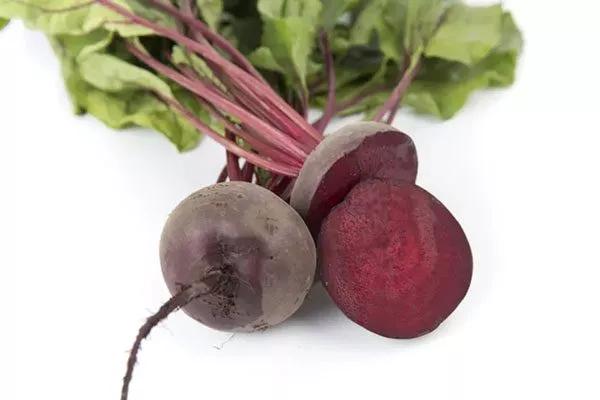
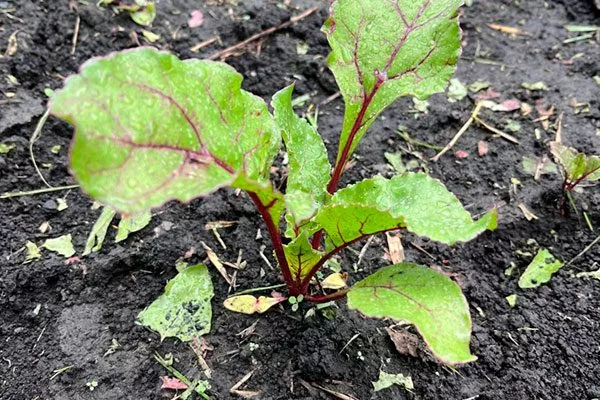
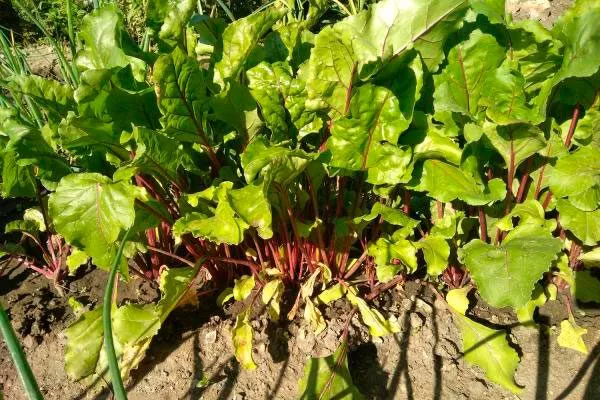
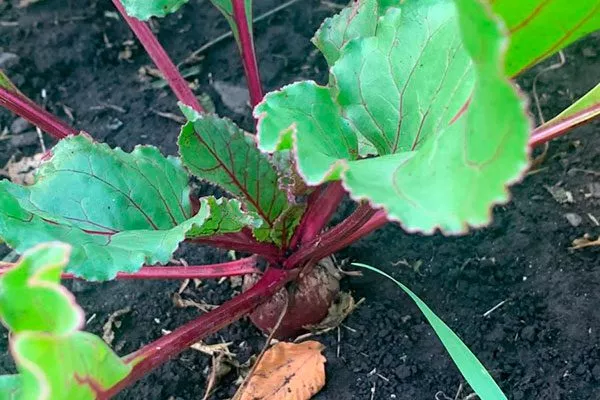
The plant's leaves are semi-erect, oval-shaped, and green with bright red veins. The blades are moderately blistered and have jagged edges, while the underside of the petiole is bright red.
Description:
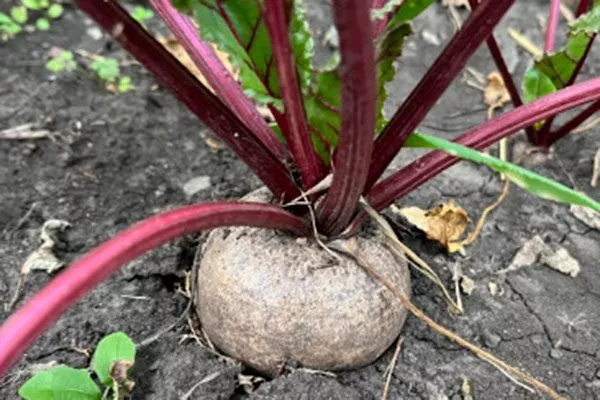
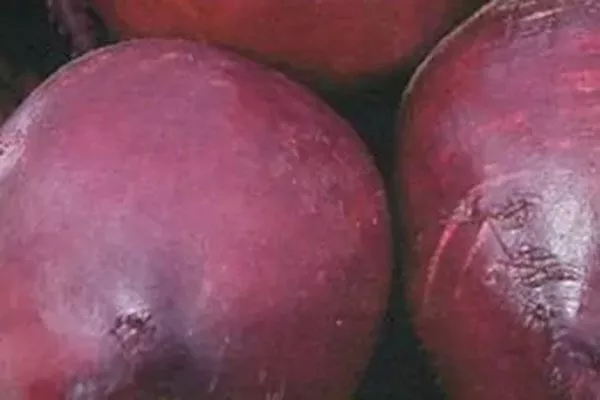
- The roots of this plant are round in shape, reach 10 cm in diameter and weigh from 180 to 250 g.
- The surface of the root vegetables is smooth, and the head is slightly inclined.
- The main spine is very thin.
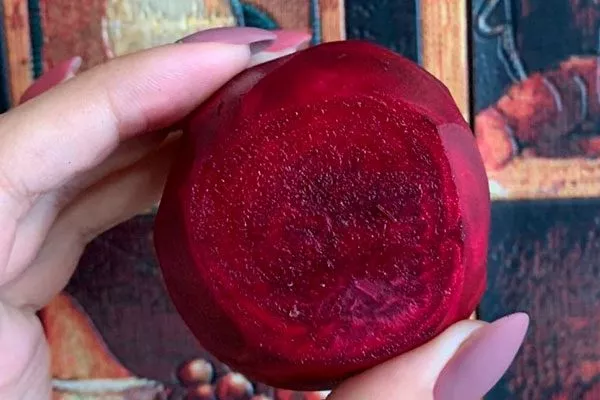
- The beet pulp is purple in color and has a delicate flavor.
- The flesh is not very ringed and the taste is very sweet.
Key rules of cultivation
Vinaigrette thrives in rich, well-drained soil. Plant spacing and row spacing should be 10 and 25 cm, respectively, with thinning performed twice.
- ✓ The soil pH level should be within 6.0-7.0 to prevent root crop diseases.
- ✓ The soil should contain a high level of organic matter (at least 3-4%) to provide nutrients.
Collection and storage
If you dig up beets prematurely, they will lose their flavor and won't store well. It's best to begin harvesting in dry weather. For round beets, simply pulling them out of the soil is sufficient.
To ensure a high shelf life, follow these recommendations:
- When removing soil from beetroots, be careful not to hit them on the ground or on each other, as the beetroot skin is fragile.
- Before storing beets for the winter, don't wash them. The soil contains small grains of sand, which can leave minor scratches on the skin when washed, potentially transmitting various diseases.
- The optimal conditions for long-term storage of beets are a temperature of 0-2°C and air humidity of 90-95%. An adequate supply of fresh air is also necessary.
- The most convenient method is to place beets in large plastic bags with a capacity of 20 to 30 liters and store them with the tops wide open. It's also acceptable to store the vegetable in boxes, including in a layer on top of the potatoes.
| Storage method | Temperature (°C) | Humidity (%) | Shelf life (months) |
|---|---|---|---|
| Plastic bags | 0-2 | 90-95 | 6-8 |
| Boxes on top of potatoes | 0-2 | 85-90 | 5-7 |
Reviews
Vinegret beetroot is characterized by vibrant flesh colors, an almost complete absence of light veins, increased productivity, and good shelf life. It's easy to care for, but it's important to monitor soil moisture levels, as overwatering can lead to disease.