
In September, gardeners begin actively harvesting beets for winter storage. To ensure the root vegetables store well and don't spoil, it's important to choose the right harvesting time and follow the proper harvesting and storage guidelines.
Is it possible to harvest beets for storage in September?
There are no exact dates for harvesting beets, as they depend on the growing region, its climate, and weather conditions. A certain influence on cleaning time The variety and even the size of the root crops have an impact.
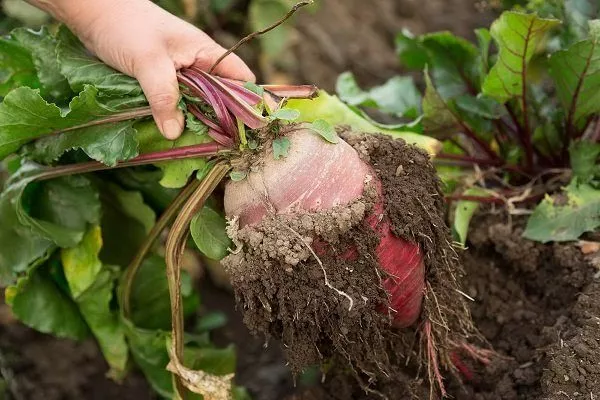
Beets can be harvested in September, but late-ripening varieties, harvested in October, are preferable for winter storage—the timing depends on the onset of frost in the region.
Beets are best harvested on warm, sunny days, which can occur in September or October. The key is to harvest quickly—the roots must be removed from the soil before prolonged rains and frosts set in. Beets dug up during rainy weather will not store well.
Features of the September harvest
Beet harvesting in September is carried out in compliance with all root crop harvesting guidelines. The key conditions for September harvesting are favorable weather and fully ripened root crops.
Rules for harvesting beets:
- Only mature beets that have reached the diameter indicated on the seed package are dug up. Typically, mature beets reach 5-10 cm in size, while large-fruited varieties reach 15 cm.
- Beetroot leaves should not be green when ready for harvesting. Harvesting should begin no sooner than the leaves have wilted and turned yellow. Otherwise, digging up the roots should be postponed.
- Before you begin harvesting, dig up a few sample plants. Inspect them. Beets ready for harvesting will have a thin, rat-tail-like central root.
Cut the fruit - the pulp should be dark burgundy, rich, and juicy. - Cleaning is carried out in dry weather, on a cloudy or sunny day, the main thing is that it is not raining.
- Experienced gardeners consult the lunar calendar when beginning any gardening project. Beet harvesting in 2021 is recommended from September 1st to 6th and from September 22nd to 30th—during the waning moon. Harvesting root vegetables is not recommended from September 7th to 21st.
Common mistakes when harvesting beets
Mistakes made during beet harvesting result in rapid spoilage of the roots. This most often leads to rot diseases and poor shelf life.
The most common mistakes when harvesting beets:
- Weather. There are a lot of rainy days in autumn, so it can be difficult to choose the right weather.
- Stage of maturity. If you remove unripe root vegetables from the soil, they store poorly even under the most favorable conditions and have a poor taste. Harvesting overripe beets is also a mistake—they are prone to cracking.
- Deadlines. Harvesting must be done strictly before frost. It's important to check when the first frost is expected in your region so you can harvest the roots before it sets in.
- Priming. Pulling beets from hard, over-dried soil can easily damage the roots, making them unsuitable for storage. To prevent this, generously water the soil, which has hardened after a prolonged drought, to soften it and make the beet extraction process easier.
Vegetables collected during the rain are saturated with moisture, watery and tasteless, and crack due to excess liquid.
Gross mistakes made during harvesting cause unnecessary crop losses.
Harvesting the beet crop
To ensure beets store well until summer, it's important not only to harvest on time but also to do so correctly. There are a number of rules for harvesting root vegetables, following which is essential to ensure their long-lasting shelf life.
Rules for harvesting root crops
Gardeners often debate the best methods for removing beets from the soil. Some believe it's best to pull the roots out by hand, while others actively use tools like pitchforks.
The choice of harvesting method depends largely on soil conditions. Large beets are difficult to pull out, especially from dry, hard soil. In this case, it's recommended to use improvised tools to avoid damaging the roots.
Rules for harvesting beets:
- Prepare cleaning tools in advance - a sharp knife, a shovel, a box;
- Carefully loosen the soil around the root vegetable to make it easier to remove from the ground;
- Work with fabric gloves - you will have to clean the root vegetables from stuck soil with your hands; you cannot use a knife or other sharp objects;
- Be sure to leave the dug up beets in a dry place for several hours to dry; washing them is not recommended;
- Use a knife to cut off the tops, do not break them off by hand;
- leave cuttings 2 cm long;
- carefully trim the roots without touching the root vegetable itself;
- After trimming the tops, do not put the beets away for storage immediately - let them sit for a while in a room with a temperature of +10 °C; during this time, the “wounds”, cracks, and microdamage on the roots will heal;
- The recommended drying time and healing of microdamages is 2-4 days, then transfer the root vegetables to the basement/cellar.
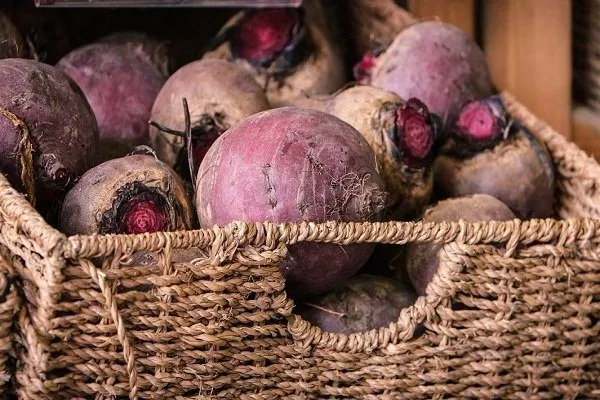
If beets are harvested in dry weather, they can be dried directly in the beds. A few hours of outdoor drying is sufficient. In rainy and damp weather, drying indoors is essential.
Sorting the harvest
The final step before storing beets is sorting. Gardeners sort through the peeled, dried, and trimmed roots, setting aside any that are unsuitable for storage. Adding one damaged beet to a container is enough to cause the entire batch to rot.
The beets are sorted very carefully, setting aside the root vegetables:
- damaged during cleaning;
- rotten;
- with traces of disease.
Large beets, even in perfect condition, store worse than medium- and small-sized ones, so they should be stored in a separate container. The optimal diameter for beets is 10-12 cm.
- ✓ Root crops with a diameter of less than 5 cm and more than 15 cm have different rates of moisture loss and require separate storage.
- ✓ Beets with mechanical damage should be used first, even if the damage seems minor.
Beets stored are sorted by maturity and variety. Early, mid-season, and late-season beets should be stored in separate containers.
Storing beets
Beets store well and, unlike carrots, don't require special conditions. They can be stored in basements, cellars, on balconies, in refrigerators, as well as in pits and trenches (heaps).
Options for storing beets:
- With potatoes. Place the potatoes at the bottom as the first layer, and the beets on top. Potatoes don't respond well to high humidity, but beets tolerate it quite well.
Once at the top, the beets absorb excess moisture from the potatoes; this successful combination helps prevent the root vegetables from rotting. - In clay. This material prevents pathogen growth and moisture from spreading throughout the beets. Prepare a solution of fatty clay and water until you have a mixture the consistency of sour cream. To improve the properties of the mixture, add chalk powder.
Dip each beetroot into the clay mixture and set aside to dry. Before using the clay-lined root vegetables, rinse them thoroughly. - With absorbent. Place the beets in boxes and sprinkle them with one of the following materials that have absorbent properties:
- wood ash;
- river sand;
- with chalk;
- table salt.
- In plastic bags. This is the simplest, but ineffective, method. Keeping root vegetables in bags promotes bacterial growth. This storage option is considered economical and is typically used in small cellars.
Poke holes in the bags for ventilation. Place them on shelves to avoid contact with the floor and walls. The maximum amount of beets in one bag is 40 kg.
To ensure beets are well preserved, it is not enough to store them correctly; you also need to create favorable conditions:
- dark room - no light or sunlight allowed to penetrate;
- optimal temperature: from 0 to +2 °C;
- there should be no temperature changes;
- humidity level - less than 90%;
- the room must be ventilated - natural ventilation is sufficient;
- The minimum distance between beets and the floor and walls is 10 cm.
If you have to store beets on the balcony, you'll need to build a homemade storage cellar. To do this, you'll need a box made of wood or cardboard. Line it with foam and place a heating lamp inside.
Do you plant beets in winter?
Beets are a vegetable crop that thrives when sown in the winter. Moreover, winter sowing has many advantages.
Why is beetroot worth it? sow in late autumn:
- the seeds are hardened, so the plants become hardy and have strong immunity;
- seedlings are resistant to spring frosts;
- earlier harvesting compared to beets sown in spring;
- there is no need to treat the seeds before sowing - they are simply buried in the soil;
- saves time in the spring - less work in the garden beds;
- There is no need to choose the time for planting beets in the spring - gardeners are often unsure of the sowing time.
Winter beets are intended for summer use; they are not stored because they ripen very early. Early-ripening varieties that are resistant to cold and bolting are planted in the fall.
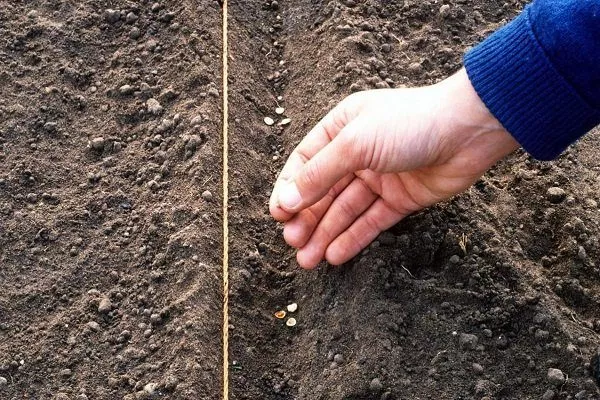
In areas characterized by thaws and recurrent frosts, it's best not to sow beets in the winter—getting a harvest under such conditions is problematic. In such climates, it's best to sow beets in the spring.
The best varieties for winter sowing:
- Red ball. An early, cold-hardy variety with rounded fruits. Average weight: 250-300 g. The roots are dark burgundy, with sweetish flesh.
- Podzimnyaya A-474. An early beetroot with oval-round roots. Dark burgundy color. Weight: 200-300 g. It has excellent flavor and shelf life.
- The incomparable A-463. A mid-season beet with high immunity, resistance to bolting, and good shelf life. The flesh is dark red and has excellent flavor.
- Bordeaux 237. A mid-early variety with excellent flavor. The roots are dark purple. Weight: 250-450 g.
- Northern ball. An early, cold-hardy beetroot, resistant to bolting, and easy to store. Root weight: 150-350 g.
September is blessed with warm, sunny days, making it an excellent time to harvest beets. If harvesting and storage guidelines are followed, beets harvested in early autumn have a good chance of lasting well until the next harvest.
I used your recommendations in September. Thank you for the comprehensive information—everything is written down, right down to the smallest details. I wish there were more tips like this!!!