
The timing of beet harvesting depends largely on the variety. After harvesting, it's important to prepare the beets for storage to ensure they remain nutritious and edible for longer. This article will teach you about this, as well as the signs of beet ripeness and how to properly sort the harvest.
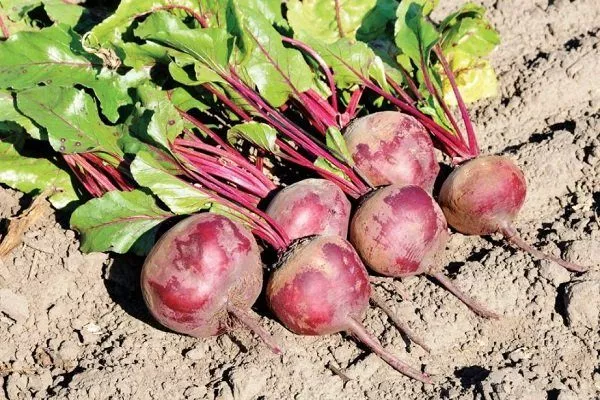
Optimal timing for harvesting beets
Particular attention should be paid to the time required for root crops to grow.
There are 3 main categories:
- Early varieties. Full ripening takes an average of 70 days. The variety's drawback is its less pronounced flavor. The first fruits are harvested from August to September. Boyarynya is an example.
- Mid-season. It takes 80-100 days from germination. This is the most common variety in our country's temperate climate. Suitable for both raw and cooked consumption. Harvest begins in September. This includes Bordeaux.
- Late-ripening. The fruits form in 100-140 days. They are distinguished by good shelf life and rich flavor. They are usually harvested in October, so they are not suitable for growing in northern climates. Representative variety: Commander.
- ✓ Consider the variety's resistance to diseases, especially rot, which can develop during storage.
- ✓ Pay attention to the thickness of the skin: the thicker it is, the better the root vegetable is preserved.
The importance of timely cleaning
Fully ripe beets taste better and store better.
If you make a mistake with the cleaning time:
- Late harvest. These fruits appear virtually identical to those harvested at the optimal time. However, after just 1-2 months, they begin to spoil. This is due to the roots freezing.
- Early cleaning. Beets have a less pronounced flavor and also accumulate fewer nutrients.
How to determine the ripeness of a root crop?
There are several main parameters:
- Dimensions. Typically listed on the seed packaging. Depending on the variety, the average fruit diameter ranges from 5-10 cm. The largest specimens reach 15 cm.
- Leaves. They become yellowish and wither.
- Root. The central root becomes thinner. A large root system is typical of unripe vegetables.
- Fruit. Small growths appear on them.
Cleaning according to the lunar calendar
Experienced gardeners generally believe that harvesting should be done according to the phases of the moon:
- Waning. In the constellations of Gemini, Capricorn, Taurus.
- Waxing. In the constellations Virgo and Capricorn.
What days to pay attention to in 2019:
- July. 23-27th.
- August. In the period from 19 to 25.
- September. 8-9, from 16 to 21, 25-26.
- October. 3-6, 15-19, 22-25.
If you harvest during the waning moon in the constellation of Cancer, the fruits will be watery and tasteless.
The influence of weather conditions on the timing of beet harvesting
The vegetation of root crops is greatly influenced by climate:
- Dryness and coolness. If the crop ripens under these conditions, there's no need to rush. It can remain in the soil for a few days after ripening to accumulate nutrients and become sweeter.
- Rains. If overwatered, beets become waterlogged, spoil quickly, and are susceptible to disease. In this case, the fruit should be harvested immediately after ripening.
- Warm. If the temperature is too high, the roots will grow tough and fibrous in texture.
The crop must be harvested before the first frost, otherwise it will quickly spoil.
Collection time depends on the region of residence
What you need to know about this:
- Siberia and the Urals. In this case, the cold weather arrives earlier. Beets should be dug up before the end of September.
- Central Russia and Moscow region. In temperate climates, the late harvest can ripen until early November.
Harvesting Rules
The steps are as follows:
- Choose a dry, sunny day. Harvesting wet fruit will reduce its shelf life.
- Use a sharp knife or shovel. Dig up the vegetable from several sides, being careful not to scratch the skin.
- Carefully grab the tops and pull upward. Try not to damage the root vegetable.
- Clear away any soil. It's best to do this with your hands wearing fabric gloves.
- Trim the leaves, leaving about 1 cm. Also remove the side roots and shorten the central root if it is too long.
- Spread the beets outside under a canopy to dry. Turn them over to ensure even drying on all sides. Don't spend more than 4 hours drying. If left outdoors, they will quickly lose their juiciness. Indoors, beets can take longer to dry—2-3 days or even a week.
It is not recommended to wash beets, otherwise they will quickly become unsuitable for storage.
The following video will show you when and how to properly harvest beets:
Sorting
There are 2 sorting criteria:
- Size. Sort the vegetables, separating small from large. When storing, place small beets on the bottom and large ones on top.
- Deadlines. Store early, mid-season and late root crops separately.
You also need to remove:
- damaged;
- with signs of disease;
- rotting;
- deformed.
If you cut off the spoiled parts of the vegetables, they can be used for immediate consumption or fed to livestock.
Storage Features
After harvesting, it's important to ensure your produce retains its flavors for longer. The following tips will help.
Optimal conditions
How to create:
- Temperature. Should be within 0-3 degrees.
- Humidity. Maintained at 90-92%.
- Premises. Dark, protected from rodents and frost.
Methods
There are several methods for preserving beets for the winter. Learn more about each below.
Basement or cellar
Main methods:
- Box. Place the vegetables in cardboard boxes and sprinkle sand on top.
- Shelves. Place the beets in a single layer, leaving space between each vegetable. The bottom board should be about 15 cm from the floor to ensure proper air circulation. Do not lean the rack against a wall.
Apartment
Where to store:
- Balcony.Only a glazed balcony is suitable. Take large plastic bags, make holes in them, and place the beets in them, sprinkling them with sawdust. Do not tie them. You can also pack them in boxes with air holes and cover them with wood shavings. During frosts, cover the harvest with blankets.
- Pantry. Place them in wooden boxes, sprinkling them with sand so that the root vegetables do not touch each other.
Fridge
The shelf life on the shelf does not exceed 1 month.
How it happens:
- In the package. The root vegetables are placed in a bag, open to allow air circulation, and placed in a vegetable drawer.
- On paper. Each fruit is wrapped separately.
You can also place vegetables in the freezer. To do this:
- cut off the ends;
- boil until done;
- wait until it cools down;
- remove the skin;
- cut in a convenient way;
- Place into bags or containers, labeling each with the date;
- put it in the freezer.
Root crops retain their quality for 8 months or more.
Secrets of experienced gardeners
How else can you preserve the properties of vegetables:
- Shared storage. To do this, place the potatoes as the bottom layer. Place the beets on top. This method keeps both vegetables fresh and preserves their nutritional properties.
- Soaking in clay. Mix the rich clay with water to create a consistency similar to sour cream. Dip each vegetable into the mixture. Allow them to dry. In winter, you can simply rinse the fruit under water to remove excess clay.
- Salt treatment. Prepare a concentrated solution and dip the root vegetables in it. You can also sprinkle the spaces between the fruits.
- Methods of dividing fruits. Other options for separating vegetables from each other include wrapping them in foil or ferns, or rolling them in wood ash.
- ✓ Use natural antiseptics, such as fern or horseradish leaves, to store root vegetables.
- ✓ Regularly check the crop for signs of spoilage and remove affected specimens.
An experienced gardener will explain the rules for storing beets in the following video:
Beets should be harvested no later than November. The fruits are cleaned of soil, dried, and sorted before being stored in a basement, on a balcony, or in a refrigerator. Under good conditions, the vegetables can retain their flavor and nutritional properties until the following year.
Honestly, I didn't expect to find answers to all my questions in one article. Thank you so much for the comprehensiveness. There's a lot of information, and it's all useful.