
Taunus beetroot is a variety with excellent flavor and good productivity. This versatile vegetable is not only rich in nutrients but also disease-resistant. To obtain high-quality fruits and a bountiful harvest, it is important to provide the crop with proper care and implement proper agricultural practices.
Who developed the variety and when?
It is a hybrid table variety, developed by breeders from the Netherlands and officially approved for use since 2014.
Recommended for cultivation in the Central and Volga-Vyatka regions, but is also successfully cultivated in other areas.
Features of the appearance of the plant and root crops
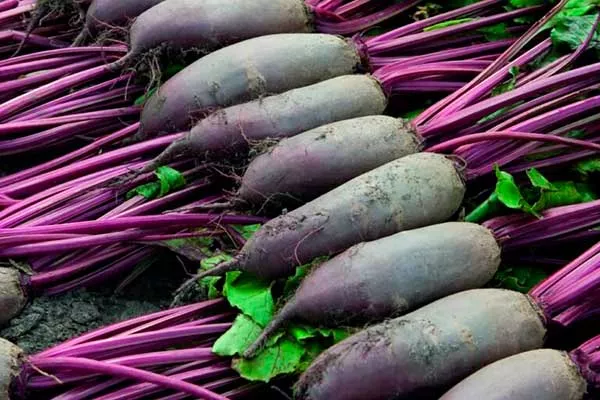
The bushes are semi-erect and low, with large oval green leaves with red veins and red petioles on the underside.
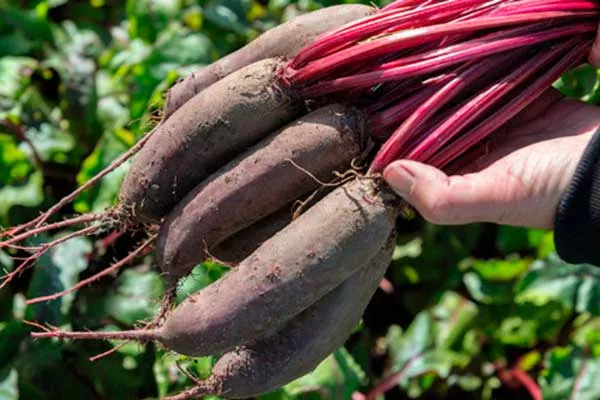
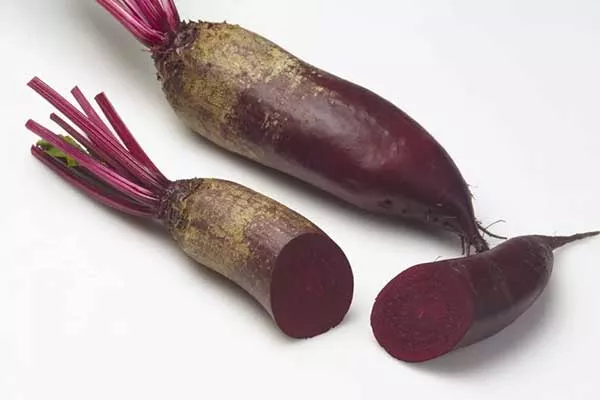
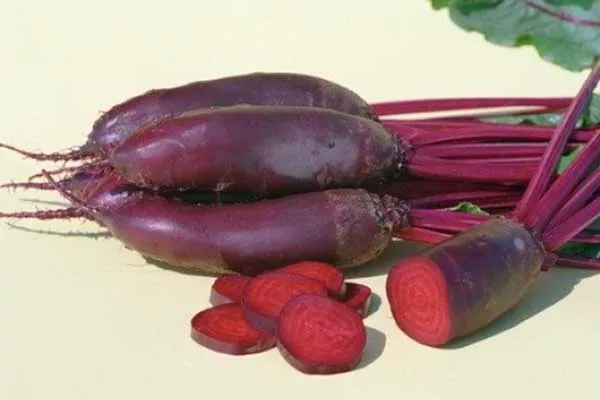
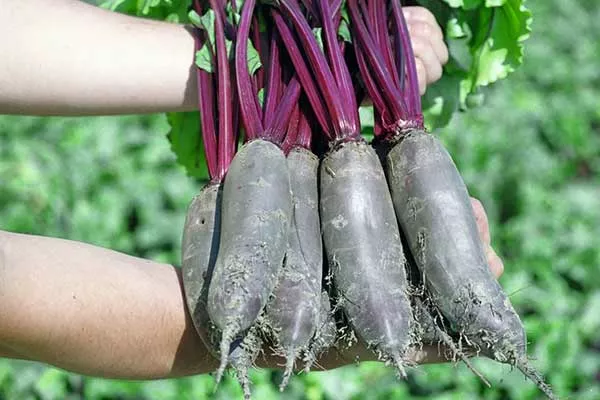
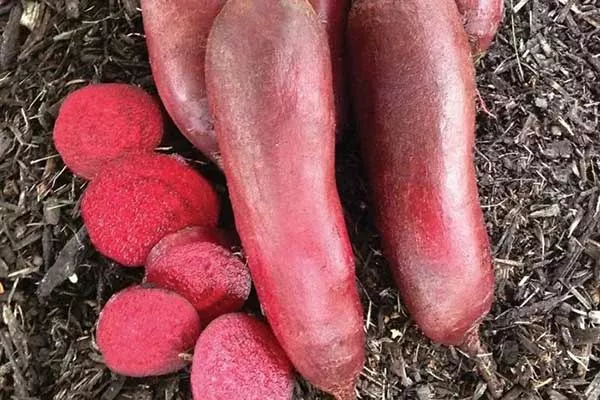
The roots are cylindrical, large, and elongated, and the weight of a single beet varies from 193 to 380 g. The skin is dense, dark burgundy, and smooth. The bright red, juicy flesh is virtually ringless.
Characteristics of beet varieties
Beetroot is a well-known plant from the amaranth family, distinguished by its unique characteristics and beneficial properties. Beetroot is grown in various countries and is considered one of the most popular vegetable crops.
Purpose and taste of tubers
The fruit has a distinct sweet, sugary taste, which is especially revealed when cooked, but is also suitable for eating fresh or baking.
The tops are edible and used as greens, adding a fresh flavor to a variety of dishes.
Maturation
This late-ripening variety ripens approximately 120-125 days after the first shoots emerge. Before planting, wait until the weather is consistently warm and there is no risk of recurrent frost.
In the southern regions, plant the crop in late March or early April, and in the Moscow region, the Urals, and Siberia – in mid-May.
Productivity
It has good productivity, yielding between 363 and 583 centners per hectare. These characteristics make the hybrid suitable for both personal consumption and commercial cultivation.
Useful properties of Taunus beetroot
This crop is prized not only for its excellent taste but also for its rich nutritional content. This low-calorie vegetable contains B vitamins, vitamin C, iron, magnesium, folate, and many other valuable elements, making it beneficial for health.
The variety of uses of Taunus beetroot
Thanks to its excellent taste, beets are widely used in cooking. They are added to salads, soups, side dishes, and juices. Beets pair beautifully with other vegetables, making them ideal for appetizers and hot dishes.
Storage and transportation
To ensure vegetables retain their beneficial properties for a long time, it is important to follow basic storage and transportation rules.
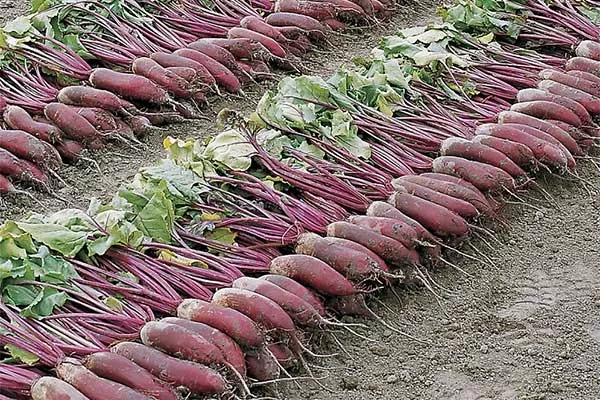
- ✓ Root vegetables retain their taste for up to 6 months when stored properly.
- ✓ When stored in conditions of high humidity, fungal diseases may develop.
Follow these steps:
- Clean the root vegetables from dirt and soil using a soft brush.
- Dry the beets completely, removing excess moisture, as raw vegetables spoil quickly.
- Store in a cool, dry place at temperatures between 0 and +4°C.
- Place on shelves or in ventilated boxes to allow air circulation.
- When transporting, arrange root vegetables in layers, separating them with dry grass or paper napkins so that they do not touch each other.
- Make sure that the heads do not become deformed or damage each other during transportation.
Following these recommendations will help keep beets in excellent condition and extend their shelf life.
Features of growing beets
Cultivation of the crop has its own characteristics that should be taken into account in order to obtain a good harvest.
Follow these recommendations:
- The plant prefers fertile, well-drained soil with a neutral pH (6.0-7.0). To improve the soil structure, add compost or humus.
- Plant the seeds at a depth of 2-3 cm. It's important for the soil temperature to reach 8-10°C for the seeds to germinate. The recommended planting distance is 30-40 cm between rows and 10-15 cm between plants.
- Provide regular watering, especially during germination and root formation. Avoid overwatering, which can lead to root rot.
- ✓ Soil acidity should be maintained strictly within the pH range of 6.0-7.0. Deviations may result in a deterioration in the taste of root vegetables.
- ✓ The soil must be well-drained. Stagnant water causes root rot.
Once the seedlings emerge, thin out the plants, leaving enough space between them to allow for normal root development.
Preparatory activities
Choose sunny locations, as the crop requires 6-8 hours of sunlight per day for normal growth. Good light promotes the development of large, sweet root vegetables. The location should be protected from strong winds to prevent damage to the plants and ensure their stability.
Follow the recommendations:
- Dig the area to a depth of 20-30 cm to improve structure and aeration.
- Apply organic and mineral fertilizers. Add compost, humus, or phosphorus-potassium fertilizers to enrich the soil with nutrients.
- Harden the seeds to improve their germination and resistance to adverse conditions. To do this, place them first in hot water and then in cold water for a few minutes.
- Create beds 1-1.2 m wide with a distance of 30-40 cm between rows. This will ensure easy access for plant maintenance.
- Level the surface of the furrows and remove large stones and roots.
By following the instructions, you will create optimal conditions for successfully growing beets and obtaining a good harvest.
Planting beet seeds
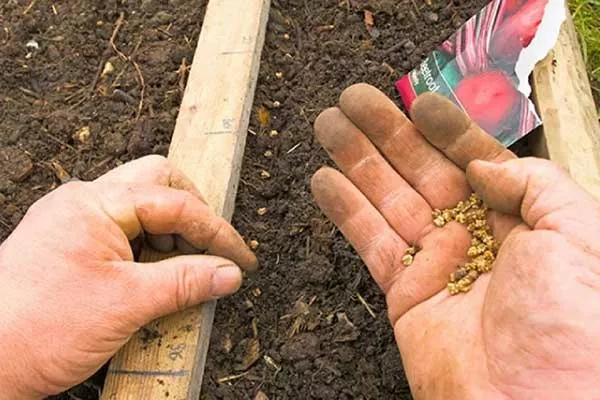
This is a crucial stage in the agronomic process, determining the success of the harvest. Key steps and recommendations for proper planting:
- Place 2-3 seeds in each hole or furrow. This increases the likelihood of healthy plants, as beets sometimes sprout unevenly. If all the "clumps" sprout, thin out the excess plants.
- After sowing, carefully cover the seeds with soil, compacting lightly to ensure contact.
Moisten the bed with warm, settled water to speed up germination.
Plant care during the season
Caring for the crop involves following agricultural practices, which promotes healthy growth and increases yield.
Paying attention to the condition of plants allows for the timely detection and prevention of diseases and pests, which affects the quality and quantity of the harvested crop.
Thinning seedlings is a necessary agricultural technique
To ensure large root crops and normal plant growth, it's important to thin out seedlings promptly. Follow these steps:
- After the first true leaf appears, leave 2-3 cm between plants.
- When there are 4-5 true leaves, leaving 4-6 cm between plants, you can use the removed shoots for food.
- After 25-30 days, leave 7-8 cm between plants, preferably after watering, to facilitate removal.
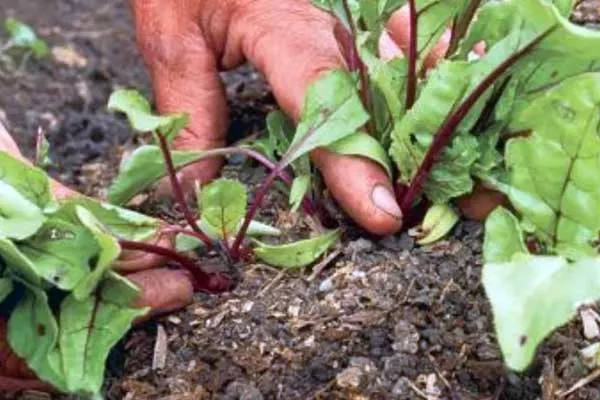
Replant the removed plants to another location, having first pinched the main root so that it begins to grow in mass.
Watering beets
A lack of moisture significantly slows plant development and prevents root crops from gaining weight, especially in southern regions where abundant moisture is required. Regular irrigation not only accelerates vegetable development but also promotes earlier harvest, increasing the overall yield.
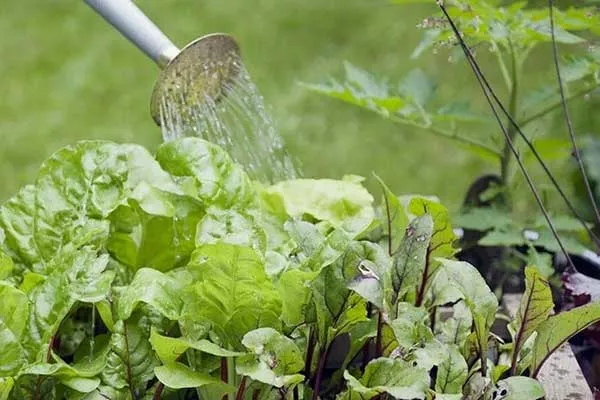
For young plants, water approximately 10 liters per square meter. Double this amount when root formation begins, especially in dry and hot weather. Stop watering two weeks before harvest to prepare for harvesting.
Weeding, loosening the soil and mulching between rows
After watering, gently loosen the soil between the rows to prevent compaction. Use a small hoe, being careful not to damage the roots. Carry out the first loosening in the spring, before the seedlings emerge, and remove additional weeds after the first pair of true leaves emerge.
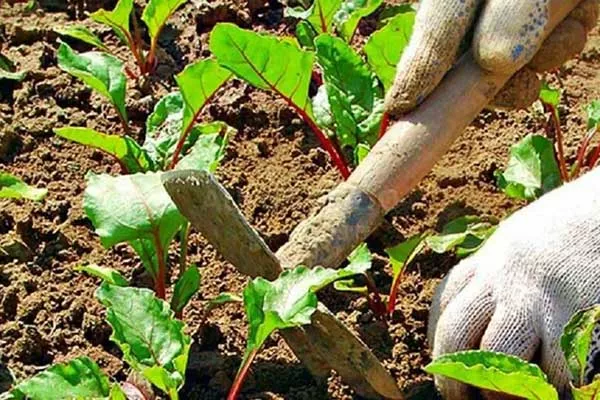
If you can't water your plants regularly, mulch the spaces between the rows with straw or grass. Mulch helps retain moisture in the soil and prevents it from overheating, which is especially important for the healthy development of beets.
Fertilizers and feeding for beets
Herbal infusions are considered the preferred fertilizer for this crop, as mineral fertilizers can lead to nitrate accumulation in the roots. Fertilize plants only if their growth is unsatisfactory and if no fertilizer has been applied in previous years.
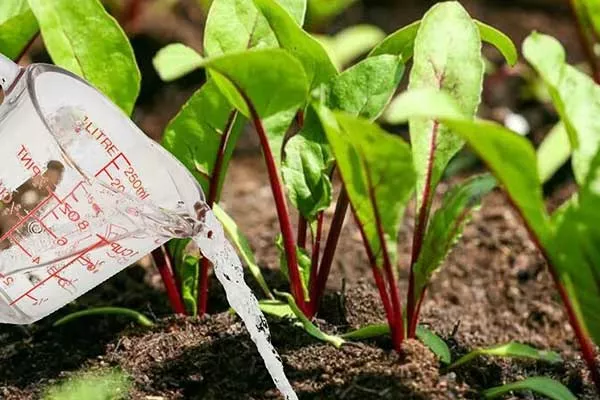
Use sea salt or regular rock salt dissolved in a bucket of water to increase the sugar content of beets and improve their flavor, starting with a proportion of less than a tablespoon of salt per 10 liters of water.
If yellow, round spots appear on the leaves, this may indicate acidic soil and a potassium deficiency. In this case, feed the plants with lime milk with added potassium chloride. They respond well to boron, and a deficiency slows growth, causing the core to become loose.
Removing old leaves
If older leaves turn yellow at the bottom, don't remove them until they've released all their nutrients and dried out on their own. Removing them before they're completely dry can trigger beetroot blooms in the first year, which will negatively impact the quality of the vegetables.
Pests and diseases of beets
Taunus beets have a strong immune system, but if not properly cared for, they can suffer from some problems. To avoid complications, begin treatment promptly:
| Disease/Pest | Symptoms | Methods of control |
| Fusarium | Yellowing and wilting of lower leaves, rotting of root crops. | Use of fungicides (Fundazol), crop rotation, improvement of soil drainage. |
| Powdery mildew | White powdery coating on the tops, yellowing and wilting. | Spraying with fungicides (Topaz, Skor), removing affected areas. |
| Cercospora leaf spot | The appearance of light brown spots on the leaves. | Treatment of plants with copper-containing preparations, compliance with agronomic conditions. |
| Fruit fly | Small holes in the leaves, damage to root crops. | Use of insecticides (Karate), setting traps, weeding. |
| Leaf aphid | Curling and yellowing of the tops, formation of a sticky coating. | Using a soap solution or insecticides, attracting beneficial insects (for example, ladybugs). |
| Nematodes | Enlargement of vegetables, formation of bloats. | Maintain crop rotation, prevent soil damage with special means, remove affected plants. |
| Root rot | Darkening and rotting of beets. | Prevent over-watering, use healthy planting material, treat with fungicides. |
Positive and negative qualities
The main feature of the Taunus beet variety is not only its unusual appearance, but also the fact that the root crop's flavor depends on soil quality and watering regime. Vegetable growers who have grown this crop in their plots repeatedly note a number of advantages:
The only downside of this variety is that if watered incorrectly and the soil is not nutritious enough, the taste of the beets may deteriorate.
Reviews
Taunus beetroot is highly disease-resistant, resulting in a consistent and bountiful harvest. It's a low-calorie, nutritious product that promotes healthy bowel function. With proper care, you can significantly increase your yields without spending a lot of time on maintenance.