
The Smuglyanka beetroot attracts gardeners with its excellent flavor and culinary versatility. This variety is gaining more and more fans each year thanks to its excellent characteristics and low maintenance requirements. It's important to carefully study all the characteristics of the crop and follow proper agricultural practices to ensure bountiful harvests.
History of selection and presentation of the variety
It was developed by Russian breeders S. V. Maksimov and N. N. Klimenko. The variety was officially recognized in 2007.
Smuglyanka has long been popular due to its rich, sweet flavor. One of the advantages of this easy-to-grow variety is its excellent shelf life, ensuring long-term storage. It has many other positive qualities.
Characteristics of appearance
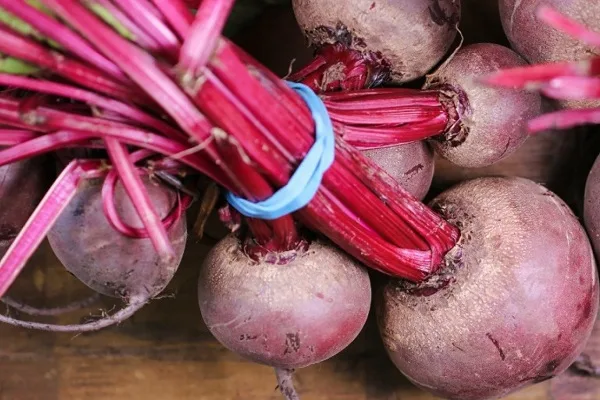
The semi-erect rosette consists of rounded, elongated leaves, colored emerald. They have distinctly wavy edges and moderate blistering.
Other features:
- The petioles are tinted red in places.
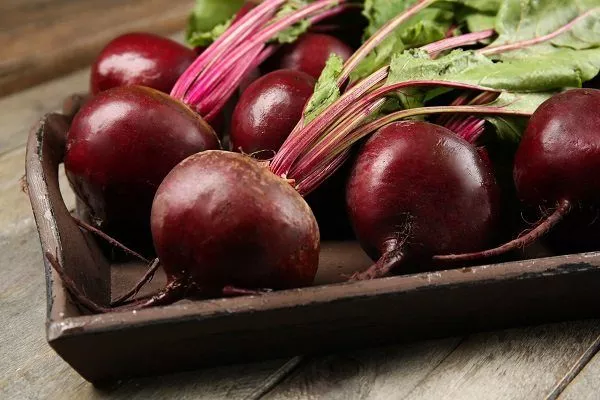
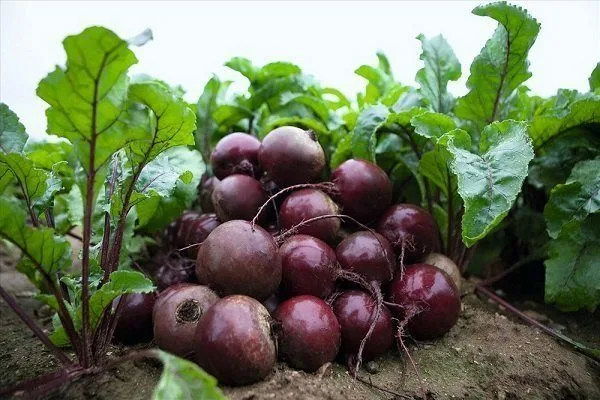
- The weight of the round, slightly flattened root vegetables ranges from 240 to 380 g.
- The smooth, bright red skin hides juicy, crumbly, yet tender pinkish-purple flesh.
The vegetables have medium corking of the head and noticeable rings.
Taste qualities, purpose
This table variety is versatile, making it suitable for both canning and cooking. It boasts a wonderful, rich flavor with pleasantly sweet notes.
Culinary uses
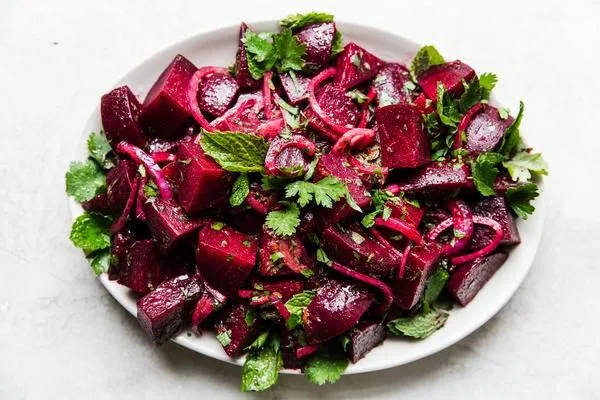
Beets are not only healthy but also suitable for a variety of dishes, from salads and appetizers to main courses and even desserts. These root vegetables pair well with vegetables and meat, opening up a wide range of culinary possibilities.
Productivity and ripening time
The crop has stable productivity. From 28 to 52 tons of fruit are harvested per hectare, and approximately 5-6 kg per square meter. The period from germination to first harvest is approximately 95-115 days.
Climate preferences and regions
It is recommended to plant in open ground in warm, sunny weather, when the air temperature is at least 15°C and the soil warms to 8-10°C. These conditions promote rapid plant growth and the beginning of root formation.
Soil requirements
Choose fertile, light soil with a neutral pH. Additional requirements include:
- sunny area;
- no drafts;
- low groundwater level.
If the site is in a low-lying area where moisture accumulates after rain or snowmelt, provide a drainage system.
Landing rules
Growing Smuglyanka requires following certain agricultural practices to ensure a high-quality and abundant harvest. One of the key steps is proper site and seed preparation. Each step plays a vital role in the development of strong and healthy root vegetables.
How to choose and prepare soil for growing?
Select a bed with fertile, well-drained soil. Sandy loam or light loam with a neutral pH (6-7) is ideal. Avoid acidic and heavy clay soils, as they hinder root development and can lead to reduced yields.
The garden should be well-lit, with no shade, as insufficient light negatively impacts photosynthesis and, consequently, the quality of the beets. The site should be reasonably dry. High groundwater levels can cause water stagnation and lead to vegetable rot.
Soil preparation
In the fall, dig the area to a depth of 25-30 cm, removing weed roots and adding organic fertilizers such as rotted manure or compost. This will improve the soil structure and fertility. Apply organic matter at a rate of 4-5 kg per square meter.
In the spring, before sowing, dig over the soil again or loosen it to a depth of 10-15 cm. It's important to achieve a fine, crumbly texture to ensure the seeds germinate easily. If the soil is prone to acidification, lime it first.
1-2 weeks before planting, apply mineral fertilizers: Superphosphate (40-50 g per 1 sq. m) and potassium sulfate (30 g per 1 sq. m).
Sowing seeds
Pre-soak the seedlings in warm water for 1-2 days to speed up germination. Use only high-quality seeds with a high germination rate.
- ✓ Check the expiration date of the seeds; the optimal shelf life is no more than 2 years.
- ✓ Pay attention to the germination percentage indicated on the packaging; it should be at least 80%.
Step-by-step algorithm:
- Sow in furrows 2-3 cm deep with a spacing of 10-15 cm between plants and 25-30 cm between rows.
- Carefully fill with soil and compact lightly to ensure seed-to-soil contact.
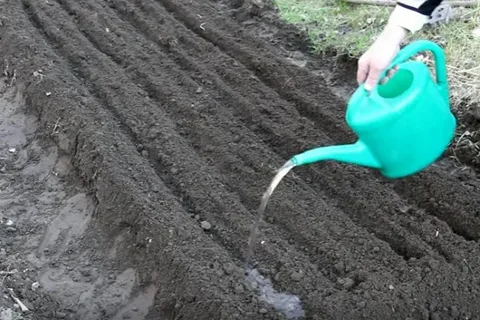
- Moisten the soil with warm, settled water.
How to care for Smuglyanka beetroot?
The crop is easy to grow, but proper care is essential to ensure a high-quality harvest. Key procedures include agronomic measures that strengthen the plants, improve root development, and prevent weed growth.
Watering
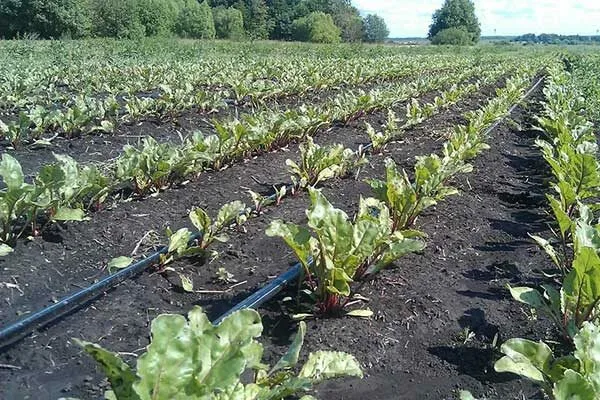
Provide regular watering, especially during periods of active growth and development. Use warm, settled water, preferably in the morning or evening to avoid sunburn.
Maintain constant soil moisture, never allowing it to dry out, but avoid excessive waterlogging, which can lead to root rot. During the initial growth stage, water moderately (1-2 times a week), gradually increasing the amount of water as the beets grow.
Loosening and fertilizing
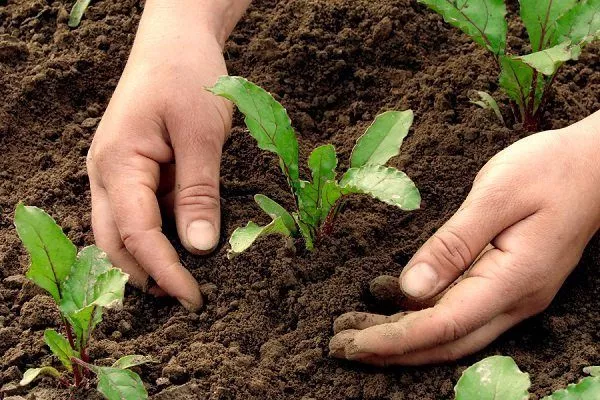
Regular loosening of the soil is essential to ensure air access to the roots. Perform the first loosening 5-7 days after germination to break up the soil crust and improve oxygen penetration.
Two to three weeks after planting, fertilize the plants with organic matter (cow manure or chicken manure infusion). This will help the plant obtain the necessary nutrients during the initial growth period. During the active growth phase, when root vegetables are forming, apply mineral fertilizers such as superphosphate and potassium sulfate.
Harvesting and storing beets Smuglyanka
Vegetable harvesting is an important step in the growing process, requiring care and attention. The right timing and method affect shelf life and quality. Harvest in late September or early October. The main sign of readiness is a decrease in growth and yellowing of the upper leaves.
Helpful tips:
- Harvest beets before the first frost, as low temperatures can negatively affect the taste.
- When harvesting by hand, carefully dig up the roots near the base, being careful not to damage them. This will help prevent rot and mechanical damage.
- After harvesting, prepare the vegetables for storage. Thoroughly remove soil and trim off the tops, leaving 2-3 cm of stalks to prevent rotting. Do not wash the vegetables, as this can accelerate the rotting process. Leave them in a dry, ventilated place for a few days to dry out.
- For storage, dark, cool rooms with temperatures around 0-2°C and humidity of 85-90% are suitable. Optimal conditions can be achieved in basements, cellars, or refrigerators. Store vegetables in well-ventilated boxes, crates, or bags.
Check regularly for rot or damage. If any are found, remove them to prevent the rot from spreading to other root vegetables.
Positive and negative qualities
Before planting seeds, carefully consider the advantages and disadvantages of the crop to avoid potential difficulties. Smuglyanka has many advantages:
Among the disadvantages, some gardeners note:
Reviews
Smuglyanka beetroot is an excellent choice for both experienced and novice gardeners. Its excellent flavor and disease resistance make it ideal for a variety of culinary applications. By following basic care and storage guidelines, you'll achieve bountiful harvests and strengthen the plant's immune system.